
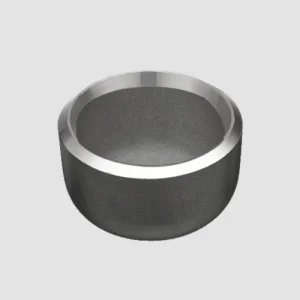
Primary Pipeline Components
Featured Industrial Fittings & Flanges Showcase
Explore our top-tier precision-engineered butt-weld caps, heavy-duty flanges, forged fittings, and resilient valves manufactured to strict ASME, DIN, and JIS standards.
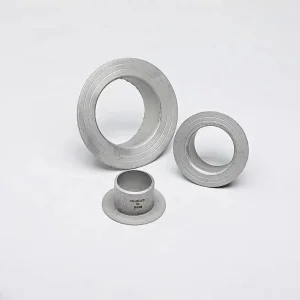
High-Quality Pipe Fitting Flanging Supplier
View Details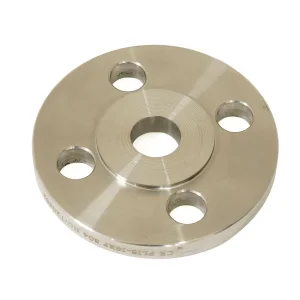
ANSI 6 Inch Class 150 Stainless & Carbon Steel Forged Flange
View Details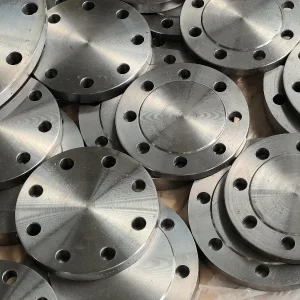
Buy Stainless Steel Blind Flange Product
View Details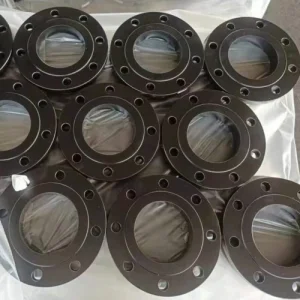
Discount Carbon Steel A105 Flange Suppliers
View Details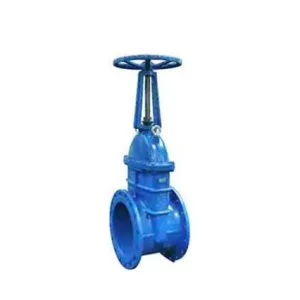
Open Rod Soft Sealing Gate Valve Z41X-10Q/16Q/25Q
View Details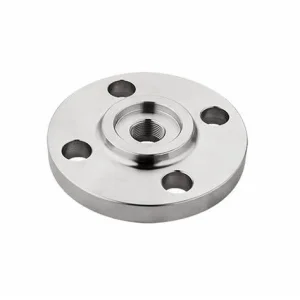
ANSI 150LB Socket Welding SS304 Stainless Steel Forged Flange
View Details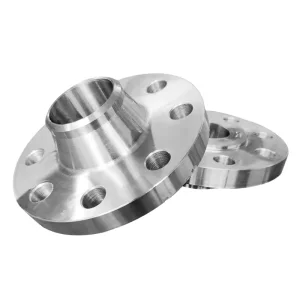
ASME B16.5 ANSI A105/SA105N 3/4 Inch Slip-On Pipe Flange
View Details
White Paper Section 1.0
Technical Overview: Fluid Dynamics & Mechanics of Industrial Pipe Reducers
In modern industrial piping systems, a pipe reducer is far more than a simple diameter-changing fitting. It is a hydrodynamically engineered component designed to control fluid velocity, maintain energy efficiency, prevent cavitation, and manage systemic pressure drops across petro-chemical, power generation, and cryogenic gas handling installations.
Concentric Pipe Reducers
Concentric reducers share a common center line. Designed primarily for vertical pipe runs or straight horizontal lines where air entrapment is not a risk, concentric units transition fluid smoothly across symmetrical cone angles. They minimize turbulent boundary layer separation and reduce head loss ($h_L$) during fluid acceleration.
Eccentric Pipe Reducers
Eccentric reducers feature an offset centerline with one flat edge and one sloped side. Essential in horizontal pump suction lines, they prevent vapor pocket formation (gas pocketing) when mounted "flat-side-up". When installed "flat-side-down", they ensure total gravity drainage in chemical and slurry transport pipelines.
Hydrodynamic Velocity Control
According to Bernoulli’s principle and the continuity equation ($Q = A_1v_1 = A_2v_2$), reducing cross-sectional area increases flow velocity exponentially. Premium reducers engineered by Cangrun Pipeline feature optimized internal wall transitions ($15^\circ - 20^\circ$ taper angles) to eliminate flow recirculation zones and wall shear stress spike points.
DN15 - DN1900
Manufacturing Diameter Range (1/2" to 76")
150 mm
Maximum Heavy Wall Thickness Capability
Class 2500
High-Pressure Rating Capability (PN400)
100% NDT
RT, UT, MT & PT Quality Verification
Industry Trends & Insights
Global Trends Shaping Next-Generation Piping Reducers
As global industrial priorities transition toward decarbonization, extreme-depth offshore oil extraction, and ultra-high-temperature power generation, piping components face unprecedented operational demands.
Hydrogen Transportation & Embrittlement Resistance
With the global shift toward hydrogen energy networks, standard carbon steel fittings are prone to hydrogen-induced cracking (HIC) and stress corrosion cracking (SCC). Leading international procurement entities now mandate ultra-clean steel chemistries with controlled nickel equivalents, strict sulfur limits (< 0.002%), and specialized vacuum degassing. Cangrun Pipeline supplies specialized ASTM A860 WPHY high-yield reducers tested specifically for gaseous hydrogen resistance under high cyclic pressures.
Advanced Hot Pressing & CNC Cold Forming
Legacy welded reduction techniques are increasingly replaced by seamless hot-forming mandrels and automated cold-drawing presses. Modern CNC-controlled induction heating allows precise wall thickness compensation, ensuring that during the compression step, the reducer's small-end and body maintain wall thickness tolerances exceeding ASME B16.9 minimum requirements (≥87.5% nominal wall thickness across all points).
Duplex & Super Duplex Metallurgy in Offshore Subsea
Offshore FPSO (Floating Production Storage and Offloading) platforms and subsea manifold systems require maximum yield strength combined with high PREN (Pitting Resistance Equivalent Number > 40). Super Duplex UNS S32750 (2507) and UNS S31803 (2205) concentric reducers are rapidly replacing standard 316L units due to their superior resistance against chloride stress cracking and erosion-corrosion under high-velocity sour crude flows.
Cryogenic Liquefied Natural Gas (LNG) Applications
LNG liquefaction and regasification terminals operate at temperatures as low as -162°C (-260°F). Reducers designated for cryogenic service must undergo strict Charpy V-Notch impact testing down to -196°C. Material selection centers around low-carbon austenitic stainless steels like ASTM A403 WP304L/316L or 9% Nickel alloy steel to guarantee structural toughness without brittle fracture transition risks.
Procurement & Metallurgy Framework
Comprehensive Engineering Matrix: Standards, Materials & Wall Thickness Schedules
International EPC buyers and piping engineers require explicit clarity regarding dimensional standards, heat treatment protocols, and non-destructive examination rules. The table below outlines our core enterprise manufacturing parameters.
| Material Category | Specification Standards | Common Material Grades | Wall Thickness Range | Primary Industrial Applications |
|---|---|---|---|---|
| Carbon Steel | ASME B16.9, MSS SP-75, GB/T 12459, JIS B2311 | ASTM A234 WPB, WPC, ST37.0, ST52.0 | SCH 20, STD, SCH 40, SCH 80, SCH 160, XXS (Max 150mm) | Refining, Municipal Water, Boiler Systems, General Steam |
| High-Yield Line Pipe | MSS SP-75, API 5L, EN 10253-2 | ASTM A860 WPHY 42, WPHY 52, WPHY 60, WPHY 65, WPHY 70 | SCH 40S to SCH 160, Custom Heavy Wall Thickness | Cross-Country Natural Gas Pipelines, Slurry Delivery, High-Pressure Oil |
| Low-Temp Carbon Steel | ASTM A420, ASME B16.9 | ASTM A420 WPL6, WPL3 | SCH 10S, SCH 40S, SCH 80S, SCH 160 | Low-Temperature Gas Processing, Refrigeration, Arctic Exploration |
| Alloy Steel | ASTM A234, DIN 2616, EN 10253-2 | ASTM A234 WP1, WP5, WP9, WP11, WP22, WP91, WP911 | STD, SCH 80, SCH 120, SCH 160, XXS | High-Pressure Superheated Steam, Thermal Power, Cracking Units |
| Austenitic Stainless Steel | ASTM A403, EN 10253-4, JIS B2312 | ASTM A403 WP304, WP304L, WP316, WP316L, WP317L, WP321, WP347 | SCH 5S, SCH 10S, SCH 40S, SCH 80S, SCH 160S | Petrochemical, Pharmaceutical, Marine Corrosion, Food Processing |
| Duplex & Nickel Alloys | ASTM A815, ASTM B366 | UNS S31803 (2205), UNS S32750 (2507), Inconel 625, Monel 400 | SCH 10S to SCH 160S, Custom Machined Forgings | Subsea FPSO, Desalination Plants, Acid Hydrocarbon Gas Extraction |
NDT & Quality Assurance
Every single export batch undergoes non-destructive testing (NDT), including 100% Radiographic Testing (RT) on seam welds, Ultrasonic Testing (UT) for laminations on heavy walls, Liquid Penetrant (PT), and Positive Material Identification (PMI) via X-ray fluorescence spectrometers.
Precision Machining & Beveling
Reducers are finished with precise end beveling per ASME B16.25 (Plain End, Compound Bevel, or Counterbored for wall mismatch transitions). Taper angles are machined with exact tolerances to prevent alignment stress concentrations during field butt-welding.
MTR & Full Traceability
Mill Test Reports (MTR) are provided in full compliance with EN 10204 3.1 or 3.2 independent third-party certification (SGS, BV, TUV, DNV). Heat numbers are permanently die-stamped on every fitting body along with nominal size, schedule, grade, and standard.
Macro-Industry Engineering
Tailored Piping Reducer Solutions for Global Infrastructure
Different industrial sectors require targeted engineering configurations. Cangrun Pipeline supplies complete pipeline component packages customized for critical infrastructure applications.
Petrochemical Refining & Gas Units
In hydrocarbon hydrotreating and catalytic cracking units, heavy wall ASTM A234 WP91 and WP11 reducers maintain creep resistance up to 600°C. Eccentric reducers installed flat-side-up prevent multi-phase liquid-gas vapor lock at pump suctions, avoiding catastrophic impeller cavitation.
Supercritical Thermal & Nuclear Power
High-pressure steam bypass systems require seamless alloy fittings with high fatigue endurance. Our thick-walled forged reducers withstand severe thermal cycling, steam hammer dynamic pressure waves, and erosion caused by dry saturated steam expansion.
Offshore FPSO & Subsea Processing
Offshore oil platforms operating in marine atmospheres demand zero corrosion downtime. We provide duplex UNS S31803 reducers equipped with 3LPE (Three-Layer Polyethylene) or FBE (Fusion Bonded Epoxy) external coatings to survive harsh marine atmospheric splash zones.
Global Compliance & Supply Chain
Worldwide Export Compliance, Protective Packaging & Logistics
Cangrun Pipeline maintains comprehensive international compliance accreditations and logistics protocols to ensure seamless border clearance and zero transit damage for global EPC projects.
Regulatory & Statutory Compliance
All products conform strictly to international statutory requirements, including the European Pressure Equipment Directive (PED 2014/68/EU Module H), CE Marking, Canadian Registration Numbers (CRN), Eurasian Customs Union EAC (GOST), and NACE MR0175/ISO 15156 sour gas compliance.
Surface Treatment & Anti-Corrosion
To prevent oxidation during long sea voyages, reducers receive customized surface finishing: transparent anti-rust varnish, black bitumen paint, hot-dip galvanizing (HDG per ASTM A153), or specialized liquid epoxy coatings for buried pipeline installations.
Export Packaging & Port Logistics
Components are protected with end caps, wrapped in moisture-proof VCI corrosion-inhibitor film, and packed into ISPM-15 compliant heat-treated fumigated wooden crates or steel frame skids designed for rapid container loading and ocean freight security.
Technology Vision 2025–2035
Future Outlook: Digitalization, Smart Piping & Green Steel Manufacturing
The future of pipeline equipment lies at the intersection of metallurgy, predictive structural maintenance, and environmentally sustainable production techniques.
Smart Reducers with Integrated IIoT Sensors
Cangrun Pipeline is researching next-generation smart pipe reducers embedded with thin-film ultrasonic thickness sensors and optical strain gauges. These smart components transmit real-time wall thinning and stress distribution data directly to cloud-based Asset Integrity Management (AIM) platforms.
Zero-Carbon Steel & ESG Integration
Aligning with global Scope 1 and Scope 2 emission reduction goals, our manufacturing facilities are integrating hydrogen-direct reduced iron (H2-DRI) raw steel inputs and electric arc furnace (EAF) forging methods to significantly lower embodied carbon footprint across all pipeline exports.
Additive Manufacturing for Custom Alloys
For emergency repair shut-downs and highly specialized non-standard dimensional transitions, 3D laser powder bed fusion (LPBF) additive manufacturing is being qualified to produce custom Hastelloy and Titanium alloy reducers within lead times measured in days rather than months.
Technical FAQ
Frequently Asked Questions by Engineering & Procurement Teams
Get immediate answers to common technical queries regarding fitting selection, installation practices, standards compliance, and international ordering.
What is the primary technical difference between concentric and eccentric pipe reducers?
A concentric reducer is symmetrical along its center axis, meaning both the larger and smaller pipe ends share the same center line. It is ideal for vertical piping or straight horizontal lines where fluid flow is uniform. An eccentric reducer features an offset centerline with one flat edge (flat side) and one sloping side. It is used in horizontal piping—especially centrifugal pump suction lines—to prevent air pockets from accumulating at the top of the pipe.
Why must an eccentric reducer be installed "flat-side-up" on a horizontal pump suction line?
Installing an eccentric reducer flat-side-up prevents gas or air bubbles from collecting at the high point of the reduction transition. If air bubbles accumulate and enter the pump impeller, they cause severe cavitation, vibration, noise, and potential shaft or mechanical seal failure. Conversely, flat-side-down installation is reserved for bottom-draining lines or liquid-carrying lines containing entrained solids.
Which standards govern butt-weld pipe reducers exported by Cangrun Pipeline?
Our reducers are manufactured in full compliance with ASME B16.9 (Factory-Made Wrought Butt Welding Fittings), MSS SP-75 (High Test Wrought Butt Welding Fittings for high-pressure gas pipelines), EN 10253-2 / EN 10253-4 (European standard fittings), JIS B2311 / JIS B2312, and Chinese GB/T 12459 and SH/T 3408 standards.
How does Cangrun handle wall thickness transitions when connecting pipes of different schedules?
When adjacent pipes or valves have different wall thicknesses, ASME B31.3 and ASME B16.25 require internal or external taper counterboring. We machine specialized transition bevels (taper angle not exceeding 30° external or 45° internal) on the reducer ends to ensure a uniform root pass weld and avoid stress concentration points.
What non-destructive testing (NDT) documentation is provided with export shipments?
Every shipment includes EN 10204 3.1 Material Test Reports (MTRs) detailing chemical analysis, mechanical property tests (Tensile, Yield, Elongation, Charpy Impact), Hardness testing, and NDT examination results (Radiographic Testing RT report for welded fittings, Ultrasonic Testing UT for seamless heavy wall units, PT/MT surface examination reports, and PMI chemical verification).
Can custom taper angles or non-standard heavy wall reducers be manufactured?
Yes. Cangrun Pipeline operates heavy hydraulic forging presses and multi-axis CNC lathes capable of manufacturing seamless reducers up to 150 mm wall thickness. We customize cone taper length, end bevel profiles, and exact non-standard inside diameters (ID machining) according to custom customer engineering drawings.
What material grades are recommended for sour gas (H2S) and hydrogen pipeline applications?
For sour service containing wet hydrogen sulfide (H2S), fittings must comply with NACE MR0175 / ISO 15156. Recommended materials include ASTM A234 WPB or ASTM A860 WPHY grades with maximum carbon equivalent (CE) limits (≤ 0.43%), maximum hardness ≤ 22 HRC, and mandatory HIC (Hydrogen Induced Cracking) and SSCC (Sulfide Stress Corrosion Cracking) test verification.
How can an overseas buyer request a commercial quotation or technical catalog?
You can send your material take-off (MTO), detailed bill of quantities, or inquiry directly to our global engineering export desk at [email protected] or use the catalog request button below. Our technical team responds with full pricing, MTR templates, and lead-time schedules within 24 hours.
Complete System Accessories
Additional Pipeline Reducers, Tees & Valve Products
Explore our broader range of butt-weld concentric reducers, equal and reducing tees, heavy-duty elbows, and flow control gate valves.
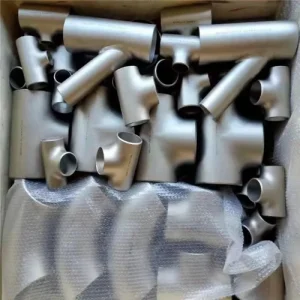
High-Quality Pipe Tees – Equal & Reducing Stainless & Carbon Steel
View Details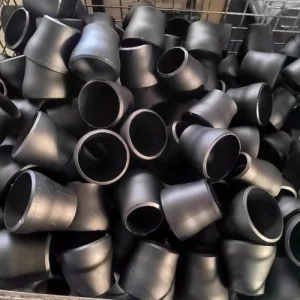
Carbon Steel A234WPB Concentric Reducer Seamless Pipe Fitting
View Details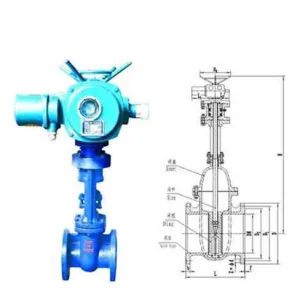
Electric Parallel Double Gate Valve Z944T/W-10/10Q
View Details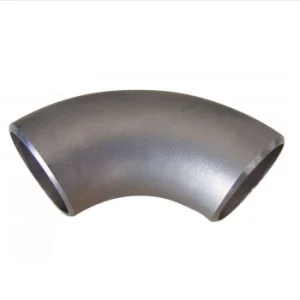
Long Radius 1.5D Carbon Steel Butt-Weld Elbow
View Details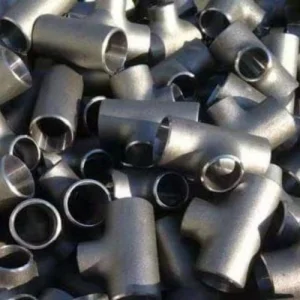
Wholesale Pipe Fitting Equal & Reducing Tee
View Details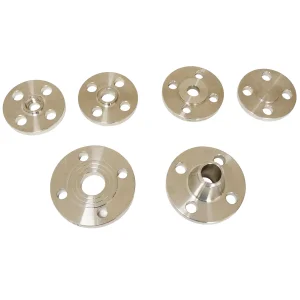
DN150 PN16 Stainless Steel Weld Flange for Construction
View Details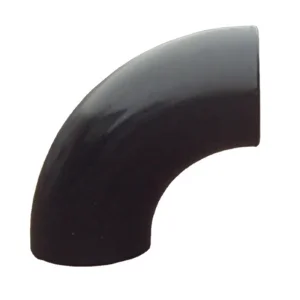
316 90 Degree Stainless Steel High Pressure Smooth Elbow
View Details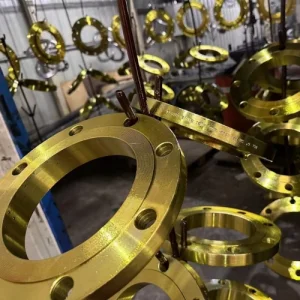
Wholesale ASME B16.5 Forged Steel Flange
View DetailsOptimize Your Pipeline System with Engineering-Grade Reducers
Partner with Cangrun Pipeline Equipment—a premier Chinese manufacturer and global exporter of high-pressure concentric and eccentric pipe reducers, forged flanges, and industrial valves. Request a customized engineering quote or complete technical catalog today.
Contact Our Global Sales Team