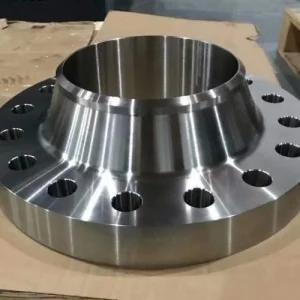
Featured Steel Pipes & Components Portfolio
Engineered to international standards including ASTM, ASME, API 5L, EN, JIS, and GB for high-pressure critical industrial operations.
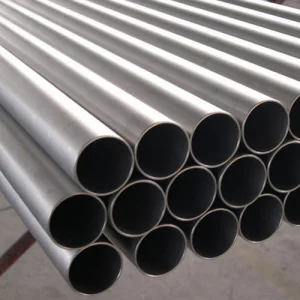
Discount High Frequency Resistance Welded Steel Pipe Pricelist, Companies
Explore Details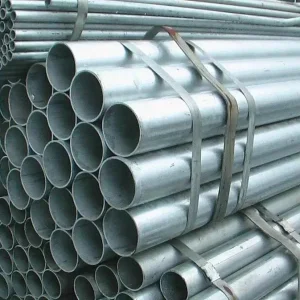
Best Hot Dip Galvanizing Steel Pipe Company, Service
Explore Details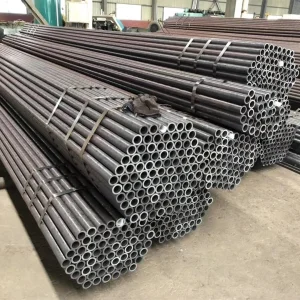
Discount Industrial Seamless Steel Pipe Factory, Company
Explore Details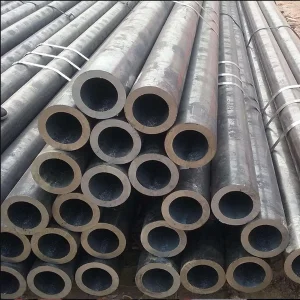
China High-strength seamless steel pipe Supplier, Quotes
Explore Details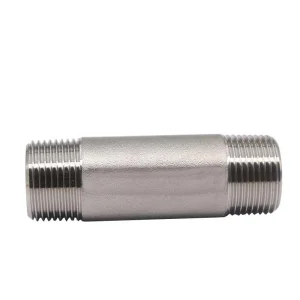
China Stainless Steel Pipe Connector Threaded Pipe Nipples Quotes, Exporter
Explore Details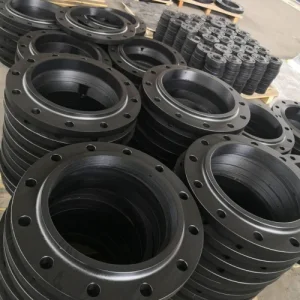
Wholesale Professional Wholesale OEM BS Stainless Steel Carbon Steel A105 Forged Welding Neck 150lbs Forged Flanges Quotes, Company
Explore Details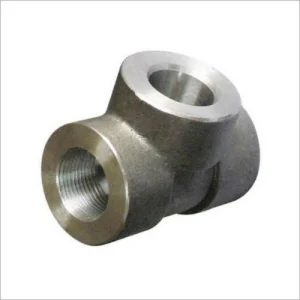
Buy Threaded Equal Tee Forged Fittings 150LB Manufacturers, Factory
Explore Details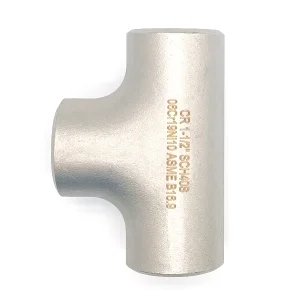
Buy Stainless Steel Thread Female Pipe Fitting Precision Casting Equal Tee Manufacturers, Service
Explore DetailsGlobal Commercial & Industrial Status of Steel Tubular Products
An in-depth white-paper analysis of current industrial demand, structural shifts, and metallurgy innovation across global energy, infrastructure, and chemical process industries.
Energy Transition & High-Pressure Infrastructure
The global energy landscape demands enhanced tubular integrity. High-strength seamless steel pipes (ASTM A106/A53, API 5L Grade X42–X80) serve as the backbone for high-pressure steam transportation, subsea oil and gas networks, and hydrogen-blend natural gas transmission lines.
Structural Architecture & Heavy Fabrication
Electric Resistance Welded (ERW) and Longitudinal Submerged Arc Welded (LSAW) steel tubes are pivotal in modern architectural framing, bridge girders, offshore wind turbine jacket foundations, and heavy equipment chassis due to their exceptional strength-to-weight ratios.
Corrosion Resistance & Chemical Process Tubing
For aggressive environmental exposures—including marine desalinization, chemical synthesis, and pharmaceutical processing—Hot-Dip Galvanized (HDG) and Austenitic/Duplex Stainless Steel tubes (304/304L, 316/316L, 2205) provide imperative oxidation and pitting resistance.
Steel Pipe & Tube Manufacturing Specification Matrix
Understanding the engineering parameters, dimensional tolerances, and material grade compositions for precision pipeline design.
| Product Group | Manufacturing Process | Size Range (NPS / DN) | Wall Thickness / Schedule | Applicable Standards & Grades |
|---|---|---|---|---|
| Seamless Steel Pipe | Hot Rolled, Cold Drawn, Piercing & Mandrel Rolling | 1/2" – 24" (DN15 – DN600) | SCH 10 to SCH XXS (Up to 150 mm) | ASTM A106 Gr. B, A53 Gr. B, API 5L X42-X70, EN 10210 S355J2H |
| ERW Steel Pipe / Tube | High Frequency Resistance Welded (HFRW) | 1/2" – 24" (DN15 – DN600) | SCH 10 to SCH 80 (2.0 mm – 20 mm) | ASTM A53 Gr. A/B, API 5L PSL1/PSL2, GB/T 13793, BS 1387 |
| Hot-Dip Galvanized Pipe | Continuous Galvanizing Dip (450°C Zinc Bath) | 1/2" – 12" (DN15 – DN300) | Light, Medium, Heavy Series (STD/XS) | ASTM A53, BS 1387, GB/T 3091 (Zinc Coating Weight ≥ 500 g/m²) |
| Stainless Steel Pipe & Tube | Seamless Cold Drawn / Automatic TIG Welded | 1/4" – 48" (DN8 – DN1200) | SCH 5S, 10S, 40S, 80S | ASTM A312, A269, A403 WP304/304L, WP316/316L, Duplex 2205/2507 |
| Butt-Weld Pipe Fittings | Mandrel Elbow Forming, Hydraulic Pressing | 1/2" – 78" (DN15 – DN1900) | SCH 5S to SCH XXS (Max 150 mm) | ASME B16.9, JIS B2311/B2312, GB/T 12459, ASTM A234 WPB/WPC, A420 WPL6 |
| Forged Flanges & Outlets | Closed-Die Forging, Precision CNC Machining | 3/8" – 160" (DN10 – DN4000) | Class 150 to Class 2500 / PN2.5–PN400 | ASME B16.5, ASME B16.47, ISO 7005-1, ASTM A105, A182 F304/F316 |
China Supply Chain Resilience & Industrial Efficiency Advantages
How localized industrial clusters in Cangzhou, Hebei deliver unmatched production scalability, cost efficiency, and vertical supply chain integration for global projects.
The Cangzhou Industrial Pipeline Cluster
Cangzhou City in Hebei Province is widely recognized as China's primary hub for pipeline equipment manufacturing. By leveraging geographical proximity to major steel mills (such as Shougang and Tangshan Steel) and deep-water shipping channels at Tianjin Port, the ecosystem guarantees uninterrupted raw material availability and streamlined export shipping logistics.
Vertical Production Integration
Enterprises like HEBEI CANGRUN PIPELINE EQUIPMENT CO., LTD. and its specialized manufacturing arms—CANGZHOU FEIWO METAL PRODUCTS CO., LTD. and CANGZHOU FEIXIANG METAL PRODUCTS CO., LTD.—operate seamless raw coil procurement, forging, hot-expansion, precision machining, and non-destructive testing (NDT) under a single quality control loop.
Cost Optimization & Rapid Lead Times
Through automated high-frequency welding lines, continuous heat treatment furnaces, and multi-axis CNC machines, Chinese pipe manufacturers minimize scrap rates and energy consumption per unit. This translates directly into market-leading pricing structures without compromising material properties or structural compliance.
Localized Application Scenarios & Regional Engineering Demands
Customizing piping specifications to meet environmental, regulatory, and geological requirements across global engineering sectors.
Shale Gas & Subsea Gulf Coast LNG
Requires heavy-wall ASTM A106 Grade B seamless pipes and ASME B16.5 A105 forged flanges rated for high vibrational fatigue and rapid thermal cycling. Low-temperature carbon steel (ASTM A333 Grade 6 / A420 WPL6) is widely deployed for LNG liquefaction units operating down to -45°C.
Sour Gas & Desalination Plants
Focuses on sour service environments requiring NACE MR0175/ISO 15156 compliance to prevent Hydrogen-Induced Cracking (HIC) and Sulfide Stress Cracking (SSC). For seawater reverse osmosis (SWRO) facilities, Duplex Stainless Steel (2205/2507) and heavy galvanizing are critical to withstand chloride corrosion.
Hydrogen Networks & District Heating
Strict compliance with Pressure Equipment Directive (PED 2014/68/EU) and EN 10210/10217 standards. Growing deployment of tight-tolerance micro-alloyed ERW steel tubes for underground hydrogen blend distribution and pre-insulated hot water mains.
FPSO Topside & Marine Infrastructure
Demands lightweight, highly durable copper-nickel alloys and 316L stainless steel pipe spools. High-frequency welded pipe clamps and structural tubular piles (ground drills) are widely used for deep-water port foundations and offshore platform jacket legs.
Mining Slurry & Hydrometallurgy
Mining operations require abrasion-resistant carbon steel pipes (API 5L X65/X70) coupled with heavy-duty butt-weld elbows (1.5D and 3D bends) designed to withstand high velocity solid-liquid slurry friction over long pipeline distances.
Universal Chemical, Power & Pharmaceutical Integration
From ultra-supercritical thermal power boilers requiring Cr-Mo alloy steel pipes (ASTM A335 P11, P22, P91) to sanitary pharmaceutical fluid loops utilizing high-precision polished SS316L tubing, proper material selection guarantees operational longevity and prevents catastrophic pipeline failure.
Metallurgical Technology Roadmap & Future Outlook
Innovations shaping the next decade of industrial piping: Green steel manufacturing, automated non-destructive evaluation, and smart sensor integration.
1. Decarbonized Green Steel Production
Transitioning from traditional Blast Furnace-Basic Oxygen Furnace (BF-BOF) processes to Direct Reduced Iron (DRI) powered by green hydrogen and Electric Arc Furnaces (EAF). This significantly reduces the embedded carbon footprint of seamless and welded steel pipes to meet global Scope 1 and Scope 2 emission mandates.
2. AI-Driven Real-Time Weld Quality Inspection
Incorporating automated Phased Array Ultrasonic Testing (PAUT) and high-resolution Eddy Current inspection directly into the ERW and LSAW production lines. AI neural networks instantly identify micro-inclusions, lack of fusion, or seam porosity, driving scrap rates down toward absolute zero.
3. Smart Pipelines & Embedded Corrosion Sensing
Integration of fiber-optic acoustic monitoring and piezoelectric sensors within composite-coated steel tubes. Future pipeline networks will autonomously detect wall thinning, strain accumulation, micro-leaks, and hydrogen embrittlement in real time before catastrophic structural failure occurs.
Quality Assurance, International Compliance & Local Technical Support
Strict quality control protocols guarantee that every steel pipe, fitting, and flange delivered to your jobsite fully complies with international design codes.
EN 10204 3.1 / 3.2 Traceability
Every shipment is accompanied by Mill Test Certificates (MTC) documenting chemical ladle analysis, mechanical tensile strength, yield point, elongation, and Charpy V-notch impact test values.
Third-Party Inspection (TPI)
Full support for independent third-party inspection agencies such as SGS, Bureau Veritas (BV), TÜV, and DNV for Hydrostatic Testing, Radiographic Testing (RT), and Positive Material Identification (PMI).
Global Export Logistics
Dedicated logistics management offering customized packaging (end protectors, wooden crating, anti-corrosion VCI wrapping) and freight optimization across CFR, CIF, DDP, and FOB terms.
Direct Engineering Consultation
Direct communication channels with experienced piping engineers ([email protected]) for immediate drawing reviews, standard conversion, and quotation assistance.
Frequently Asked Questions (Engineering Q&A)
Clear, definitive answers to technical procurement questions surrounding steel pipes, tubes, fittings, and standard compliance.
What is the fundamental technical difference between a steel pipe and a steel tube?
While the terms are often used interchangeably, key engineering distinctions exist:
- Steel Pipe: Dimensioned by Nominal Pipe Size (NPS / DN) and Schedule (wall thickness). Pipes are primarily designed to transport fluids or gases under internal pressure. The outside diameter (OD) is larger than the nominal size for NPS ≤ 12 inches.
- Steel Tube: Dimensioned by exact Outside Diameter (OD) and Wall Thickness (WT) in millimeters or inches. Tubes are specified for mechanical, structural, or heat transfer applications (such as heat exchangers and condensers) where tight dimensional tolerances and outer surface precision are essential.
How does Seamless Steel Pipe compare to ERW Steel Pipe regarding pressure ratings?
Seamless pipes possess no longitudinal weld seam, eliminating any risk of seam weakness and allowing for maximum design hoop stress under ASME B31.3 codes. They are preferred for ultra-high pressure, high-temperature, or toxic services. Modern Electric Resistance Welded (ERW) pipes utilize high-frequency induction heating followed by full seam heat treatment (normalization). Consequently, top-tier ERW pipes achieve a joint efficiency factor ($E$) of 1.0 in ASME code calculations, providing a highly cost-effective solution for low-to-medium pressure utility and structural systems.
Why is Hot-Dip Galvanizing preferred over Cold Electro-Galvanizing for industrial steel tubes?
Hot-Dip Galvanizing (HDG) involves completely immersing the cleaned steel tube in molten zinc at approximately 450°C. This process forms a series of iron-zinc alloy metallurgical layers bonded to the steel substrate, backed by an outer layer of pure zinc, achieving typical coating thicknesses of 65–85 μm (over 500 g/m²). In contrast, electro-galvanizing deposits a thin zinc layer (typically 5–15 μm) without metallurgical alloy layers. HDG provides superior mechanical abrasion resistance and sacrificial galvanic protection that lasts decades in harsh outdoor, marine, or industrial environments.
Which standards govern butt-weld fittings and forged flange dimensions?
Factory-direct manufacturing complies with the following core standards:
- Butt-Weld Fittings: ASME B16.9 (factory-made wrought butt-welding fittings), JIS B2311/B2312/B2313, GB/T 12459, and GB/T 13401. Material specifications include ASTM A234 WPB/WPC for carbon steel and ASTM A403 for stainless steel.
- Forged Flanges: ASME B16.5 (for sizes up to NPS 24), ASME B16.47 Series A & B (for large diameter NPS 26 to 60), EN 1092-1, and ISO 7005-1. Materials typically follow ASTM A105 for carbon steel and ASTM A182 for alloy/stainless steel.
How can buyers initiate a consolidated procurement order for pipes, fittings, and flanges?
Buyers can submit a complete Material Take-Off (MTO) list detailing pipe sizes, wall thickness schedules, fitting types (elbows, tees, reducers, caps), flange pressure classes, and required material grades to our commercial engineering department. By consolidating your procurement through a group manufacturer in Cangzhou, you eliminate component mismatches, simplify documentation control, and optimize container packing density to reduce overall shipping costs.
High-Precision Industrial Pipe Fittings & Accessories
Complete your piping system with precision-engineered butt-weld elbows, concentric/eccentric reducers, forged flanges, pipe caps, and heavy-duty clamps.
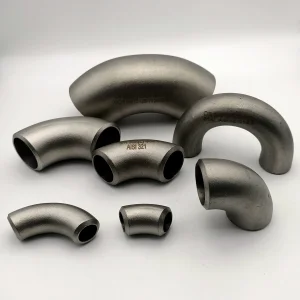
China Pipe Fitting Carbon Steel Stainless Steel Butt Weld Fittings 6" Sch80 ANSI B16.9 Lr 90deg Elbow A234wpb Quotes, Exporters
Explore Details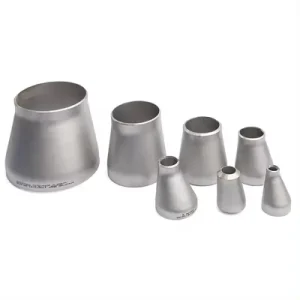
China High Quality 304/316 Steel Pipe Fittings Concentric/Eccentric Reducer Factory, Product
Explore Details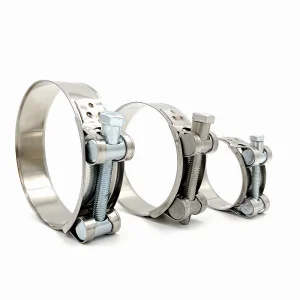
Discount Heavy Duty Galvanized Iron Single Bolt Hose Clamp 20mm Wide Steel Pipe Clamp for Suction Pump Manufacturer, Service
Explore Details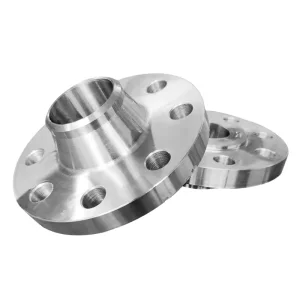
High-Quality ASME B16.5 & ANSI A105/SA105N Forged Flange 3/4 Inch Slip-On Pipe Flange Black Steel JIS/DIN/ISO/BS Standards Manufacturer, Exporter
Explore Details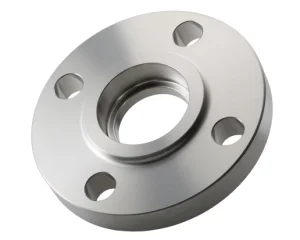
Buy Factory Customization ISO 7005-1 DN10~DN600 PN16 ASTM A182 Stainless Steel 304 Full Penetration Welds so Flange Supplier, Company
Explore Details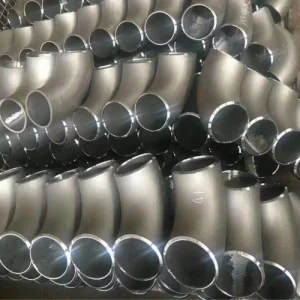
Famous 1.5D Stainless Steel Elbow Supplier, Exporters
Explore Details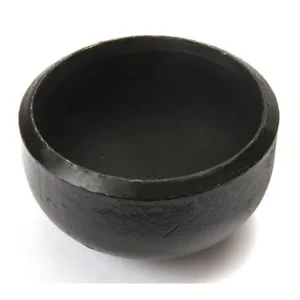
Buy ASTM Butt Welding Casting Forging A420 Wpl6 Carbon Steel Pipe Cap Supplier, Service
Explore Details