
Industrial Pipeline & Valve Components (Part I)
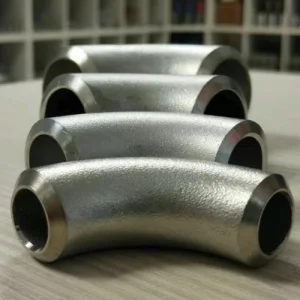
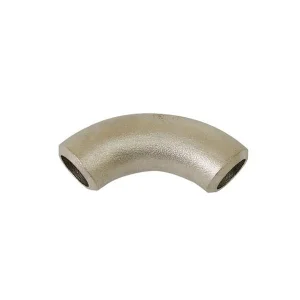
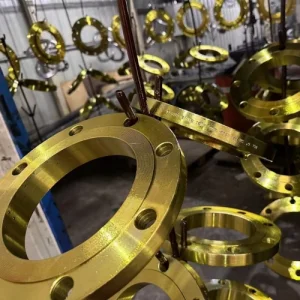
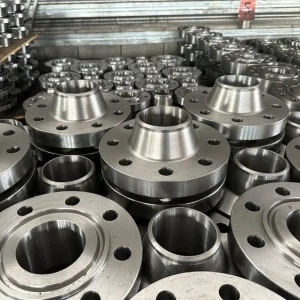
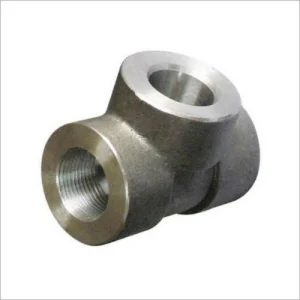
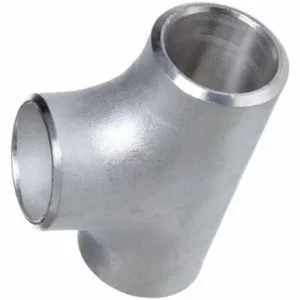
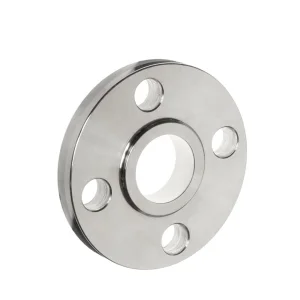
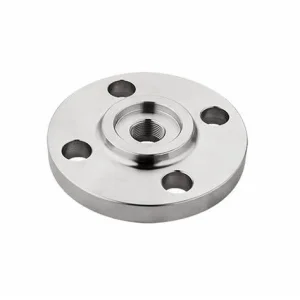
Direct factory supply of ASME/ANSI, JIS, and DIN compliant pipe fittings, flanges, and high-pressure valve components exported worldwide.
Global Industrial Butterfly Valve Market Dynamics & Exporter Landscape
The international industrial valve sector has undergone a profound structural shift. As global energy infrastructure, municipal water distribution, petrochemical processing, and marine engineering demand higher energy efficiency and compact footprint installations, quarter-turn butterfly valves have rapidly superseded legacy gate and globe valve configurations. Engineered to offer quarter-turn rotary operation, lighter structural weight, lower pressure drops, and superior flow coefficients ($C_v$), butterfly valves stand as critical flow-control mechanisms across process engineering networks.
Global procurement teams evaluating butterfly valve exporters and companies must navigate complex variables: kinematic offset designs, metallic seat sealing integrity under severe thermal cycling, fugitive emissions containment, and regional compliance standards including API 609, ASME B16.34, ISO 5208, and EN 593. Leading manufacturing hubs—most notably China's advanced pipeline cluster in Cangzhou, Hebei—have consolidated raw material forging, precision CNC machining, non-destructive testing (NDT), and automated hydrostatic testing into unified ecosystems.
Resilient-Seated Concentric Design
Standard rubber-lined (EPDM, NBR, Viton) zero-leakage valves ideal for low-pressure municipal water, HVAC systems, and non-corrosive media handling up to 16 bar.
Double Offset High Performance
Features eccentric stem location to lift the disc off the seat during rotation, reducing friction, prolonging seat life (PTFE/R-PTFE), and operating up to Class 300.
Triple Offset Metallurgy (TOV)
Utilizes a third conical offset axis creating a friction-free, metal-to-metal contact seal. Impervious to thermal expansion, cryogenic fluids (-196°C), and high pressures (Class 1500+).
Kinematic Offset Architecture & Sealing Mechanics
Understanding the fluid-dynamic behavior and sealing kinematics of butterfly valves requires analyzing how structural offsets eliminate sliding friction between the disc sealing edge and body seat face. Traditional concentric butterfly valves suffer from continuous seat rubbing during full rotation, limiting their operational lifespan under high-cycle conditions. Advanced exporters design double and triple offset geometries to transform mechanical contact into purely cam-action sealing.
| Valve Architecture Type | Kinematic Geometry | Seat Material & Sealing Mechanism | Temperature Range | Primary Industrial Applications |
|---|---|---|---|---|
| Concentric (Zero Offset) | Stem aligned with center of pipe and center of disc bore. | EPDM, NBR, FKM (Viton), PTFE vulcanized lines. Elastomeric compression seal. | -20°C to +150°C | Municipal Water Treatment, HVAC networks, Low-Pressure Agriculture Irrigation. |
| Double Eccentric (High Performance) | Offset 1: Stem behind seat centerline. Offset 2: Stem off-center of pipe axis. |
Reinforced PTFE, Fire-Safe Inconel 625 back-up ring. Camming action release. | -50°C to +260°C | Hydrocarbon processing, Power Plant Cooling Loops, Chemical Batch Processing. |
| Triple Eccentric (TOV) | Offset 1 & 2 + Offset 3: Conical axis of seat inclined from shaft center. | Laminated SS316/Graphite stack, Solid Stellite 21/6 hardfaced metal seat. Non-rubbing, torque-seated. | -196°C to +815°C | LNG Cryogenics, Superheated Steam Lines, Refining FCC Units, Offshore Platforms. |
When specifying valves from accredited exporters, mechanical engineers must verify shaft blowout proofing (API 609 Annex A), stem packing configurations (live-loaded PTFE or graphite rings for ISO 15848 fugitive emission compliance), and disc hydrodynamics to prevent cavitation erosion at high pressure differentials ($\Delta P$).
Localized Application Scenarios & Severe Service Deployment
Butterfly valves are engineered to withstand site-specific environmental stressors. Exporters must tailor material specifications, body flange configurations (Wafer, Lug, Double Flanged, Butt-weld ends), and exterior coatings to match localized operating environments globally.
1. Seawater Desalination & Marine Operations
High chloride contents require specialized alloy selections to prevent pitting and crevice corrosion. Duplex 2205, Super Duplex 2507, and Nickel-Aluminum Bronze (C95800) butterfly valves are standard for reverse osmosis (RO) high-pressure pump isolation and marine ballast systems.
2. Cryogenic LNG Terminals
Liquefied Natural Gas operating at -196°C requires extended bonnet triple offset butterfly valves. The extended neck moves stem packing away from the cryogenic fluid, allowing gas phase insulation, while cryogenic-treated Austenitic Stainless Steel (SS316L) retains fracture toughness.
3. Petrochemical & Refining Processes
Handling volatile hydrocarbons, aromatic acids, and high-temperature catalyst dust requires API 607 Fire-Safe Certified double and triple offset valves fitted with Stellite 6 hardfaced sealing rings and stem packing certified to ISO 15848-1 BH Class.
4. District Heating & Thermal Power
High-pressure steam lines (up to 40 bar at 450°C) demand carbon steel (ASTM A216 WCB) or chrome-moly alloy (ASTM A217 WC9) triple offset valves that eliminate thermal binding while minimizing actuator torque requirements.
5. Large Diameter Municipal Infrastructure
Urban raw water transmission lines (DN1200 to DN4000) rely on double-flanged resilient-seated double eccentric butterfly valves with fusion-bonded epoxy (FBE) interior/exterior coatings compliant with AWWA C504 and BS EN 593 standards.
6. Mining & Slurry Transmission
Transporting abrasive mineral ores requires heavy-duty butterfly valves lined with specialized high-durometer polyurethane or thick-section natural rubber liners designed for bi-directional drop-tight shut-off without solids entrapment.
China Factory Supply Chain Resilience & Cangzhou Industrial Efficiency
Global EPC (Engineering, Procurement, and Construction) contractors increasingly depend on consolidated supply chain clusters to reduce lead times and mitigate project risks. Hebei Province—specifically the Cangzhou Industrial Pipeline Hub—represents the world's most densely integrated manufacturing ecosystem for industrial steel pipes, butt-weld fittings, forged flanges, and process control valves.
HEBEI CANGRUN PIPELINE EQUIPMENT CO., LTD. operates as a primary enterprise in this regional cluster, managing unified production across three specialized facilities including subsidiaries CANGZHOU FEIWO METAL PRODUCTS CO., LTD. and CANGZHOU FEIXIANG METAL PRODUCTS CO., LTD. in the Boerzhuang Industrial Zone.
Upstream Forging & Foundry Integration
Direct access to raw steel foundries in Cangzhou allows immediate sourcing of ASTM A216 WCB, A351 CF8M, A995 4A/5A duplex alloys, and forged A105 materials, avoiding long sub-tier component queues.
Advanced CNC Machining & FEA Design
Utilizing multi-axis horizontal CNC machining centers, custom disc profile grinding machines, and Finite Element Analysis (FEA) software to optimize valve flow coefficient ($C_v$) while maintaining structural stiffness under high differential pressure.
100% Non-Destructive Testing (NDT)
In-house testing facilities perform Radiographic Testing (RT), Ultrasonic Testing (UT), Magnetic Particle Inspection (MT), and Dye Penetrant Testing (PT) alongside Positive Material Identification (PMI) alloy verifications.
Technology Roadmap & Future Outlook for Butterfly Valves
Driven by decarbonization mandates, industrial digital transformations, and aggressive zero-leakage environmental policies, butterfly valve design is undergoing rapid technological evolution. Exporters that invest in next-generation material science and smart monitoring platforms are positioned to lead global project allocations.
1. Smart IIoT Valve Actuation & Health Monitoring
Integration of wireless micro-sensors within the stem and seat assembly. Real-time monitoring of operational torque, packing friction vibration, leakage detection, and cycle counts feeds predictive maintenance algorithms via HART, Profibus, or Modbus protocols.
2. Advanced Surface Coatings & Cladding
Application of High-Velocity Oxygen Fuel (HVOF) thermal spray technology, Tungsten Carbide coatings, and Stellite hardfacing on valve discs and seats. This permits butterfly valves to operate in highly abrasive mining slurries and corrosive gasification processes without erosive degradation.
3. Ultra-Low Fugitive Emission Packing
In response to global Methane Abatement regulations and ISO 15848-1 Class AH compliance, manufacturers are developing cup-and-cone live-loaded packing sets using expanded flexible graphite and engineered composite barrier rings capable of maintaining seal integrity over 100,000 cycles.
Global Compliance, Quality Assurance & Local Engineering Support
Navigating international trade standards is paramount for valve exporters. Procurement officers must insist on full material traceability in accordance with EN 10204 3.1 certification, alongside third-party inspection clearances (SGS, Bureau Veritas, TÜV, Lloyd's Register).
| Standard Specification | Governing Body | Technical Scope & Compliance Requirement |
|---|---|---|
| API 609 | American Petroleum Institute | Defines design, face-to-face dimensions, and pressure-temperature ratings for Wafer, Lug, and Flanged butterfly valves. |
| ASME B16.34 | American Society of Mechanical Engineers | Establishes wall thickness requirements, pressure rating boundaries, and non-destructive examination standards for valve bodies. |
| CE-PED (2014/68/EU) | European Parliament | Pressure Equipment Directive certification mandating safe design and hydrostatic pressure testing for equipment operating above 0.5 bar. |
| SIL 3 (IEC 61508) | International Electrotechnical Commission | Safety Integrity Level certification verifying valve functional safety and probability of failure on demand (PFD) for emergency shutdown systems (ESD). |
Hebei Cangrun Pipeline Equipment Co., Ltd. backs all exports with specialized engineering documentation, including dimensional GA drawings, 3D STEP CAD models, torque calculations, hydrostatic pressure test charts, and complete material chemical/mechanical test reports (MTC).
Technical Q&A: Guidance for Procurement Engineers
Lug Style: Features threaded metal inserts (lugs) on the valve body matching flange bolt patterns. Allows downstream pipe removal while under line pressure (dead-end service).
Double Flanged Style: Possesses integral flanged ends at both ports matching ASME B16.5 or EN 1092-1 specs. Offers superior structural rigidity for large diameters (DN300 to DN4000) and underground direct burial applications.
Industrial Pipeline & Valve Components (Part II)
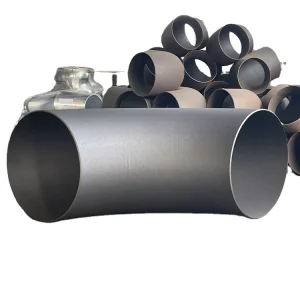
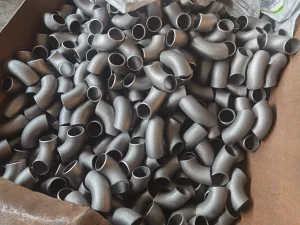
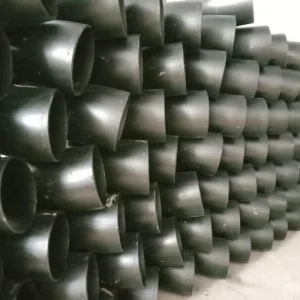
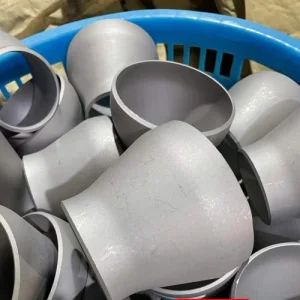
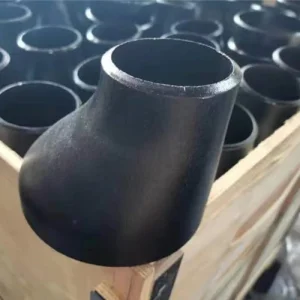
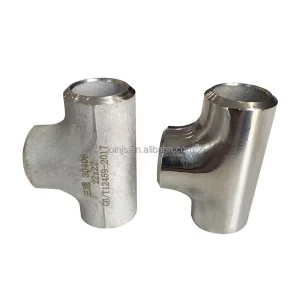
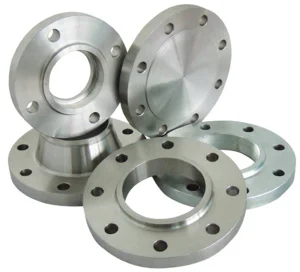
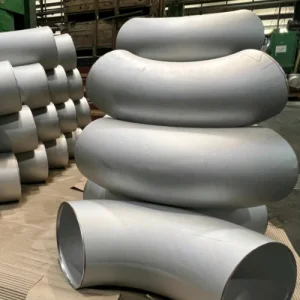
Comprehensive array of high-grade carbon steel, alloy, and stainless steel pipe elbows, reducers, tees, and specialized flanges.
Consolidate Your Pipeline & Valve Package
Contact Hebei Cangrun Pipeline Equipment Co., Ltd. for engineering technical datasheets, MTR reports, and competitive export quotations.