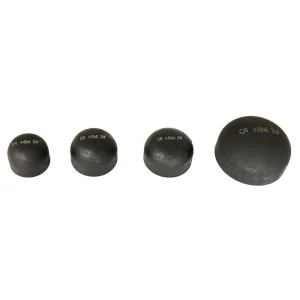
Precision Piping Components & Fittings (Part I)
Explore our premium factory-direct butt-weld fittings, carbon and stainless steel flanges engineered to global compliance standards.
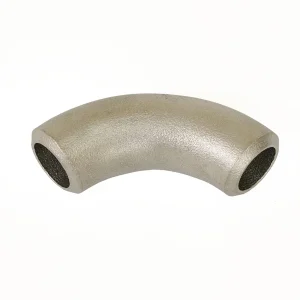
Buy Seamless Stainless Steel Butt Weld SS304/304L/316/316L Pipe Fitting Elbow Suppliers, Exporters
View Specifications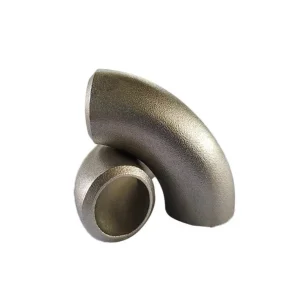
Famous Pipe Fitting Elbow Factories, Service
View Specifications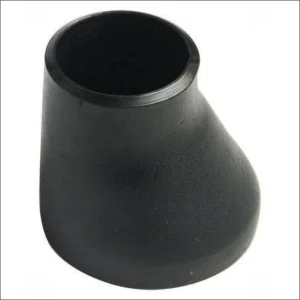
High-Quality Concentric /Eccentric Reducer Butt Weld Pipe Fitting Manufacturers, Product
View Specifications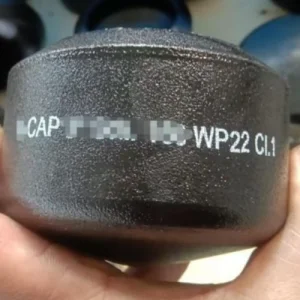
Best Seamless Carbon Steel End Cap 4" SCH40 Factories, Exporter
View Specifications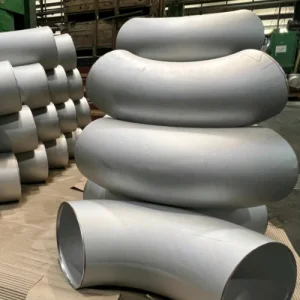
Famous SS Elbow SCH80 1.5D 90Deg Supplier, Exporters
View Specifications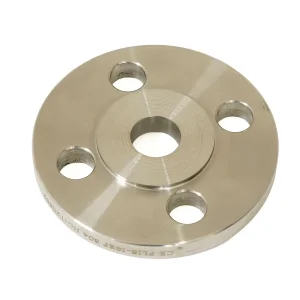
High-Quality Stainless Steel Pipe Flange DN65 316L Pn6/10/16/25/40 Factory Price Quotes, Exporter
View Specifications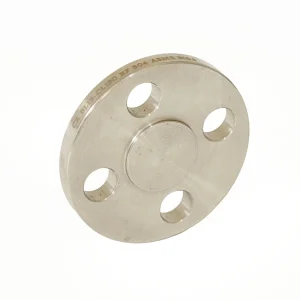
Discount GOST 12820-80 12821-80 China Factory Supply Flange Stainless Carbon Steel Flange Manufacturers, Factories
View Specifications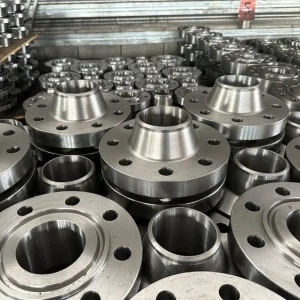
Famous High Quality Flanges Manufacturers, Company
View Specifications1. Engineering Physics & Manufacturing Metallurgy of ERW Steel Pipe
A technical examination of Electric Resistance Welded (ERW) and High-Frequency Welded (HFW) steel pipe manufacturing mechanisms, heat treatment protocols, and metallurgical structural integrity.
The High-Frequency Induction Welding (HFW) Process
Modern Electric Resistance Welded (ERW) steel pipes utilize High-Frequency Induction Welding (HFW) operating at frequencies between 200 kHz and 450 kHz. Unlike low-frequency ERW methods used historically, HFW utilizes skin effect and proximity effect to concentrate electrical current precisely along the strip edges. Hot-rolled steel strip (skelp) is progressively cold-formed through a series of breakdown and forming rolls into a cylindrical shape.
When high-frequency current passes through the induction coil, the steel strip edges reach forging temperatures (~1350°C to 1400°C) within milliseconds. Solid-state squeeze rolls push the plasticized edges together, extruding molten impurities and forming a homogeneous forged weld seam without filler metals.
Seam Heat Treatment & Annealing Protocols
The squeeze roll forging action creates a localized Heat Affected Zone (HAZ) containing residual stresses and martensitic microstructures. To meet strict industrial standards (such as API 5L PSL2 or ASTM A53 Grade B), full-body or seam normalizing heat treatment is mandatory.
At Hebei Cangrun Pipeline Equipment Co., Ltd., inline intermediate-frequency induction seam annealers heat the weld seam to normalizing temperatures (880°C to 950°C). This step transforms brittle coarse-grained microstructures into refined, ductile ferrite-pearlite grains, eliminating internal stresses and ensuring the weld seam possesses identical yield strength and Charpy V-notch impact toughness as the parent pipe body.
2. Why Source ERW Steel Pipe from Cangzhou, China?
Evaluating Cangrun Pipeline's strategic industrial infrastructure, raw material integration, and rigorous quality assurance ecosystems.
Cangzhou Pipeline Cluster Advantage
Cangzhou, Hebei Province is recognized globally as the capital of China's pipeline equipment manufacturing industry. Located within close proximity to Tianjin Port, Hebei Cangrun Pipeline Equipment Co., Ltd. operates three specialized production facilities (including subsidiaries Cangzhou Feiwo Metal Products Co., Ltd. and Cangzhou Feixiang Metal Products Co., Ltd.). This concentration provides unmatched access to skilled metallurgical labor, specialized testing laboratories, and complete ancillary supply chains.
Raw Material Steel Coil Integration
We source hot-rolled steel coils exclusively from premier state-owned steel mills including Shougang Group, Baosteel, and Tangshan Iron & Steel. High-purity, fully killed carbon and alloy steel skelps with low sulfur (<0.005%) and phosphorus contents provide superior weldability and resistance to Hydrogen-Induced Cracking (HIC) and Sulfide Stress Corrosion Cracking (SSCC).
Full-Spectrum QA/QC Infrastructure
Every batch of ERW steel pipe undergoes multi-stage quality verifications under ISO 9001 and API 5L systems. Production lines feature automated inline Eddy Current testing, full-length Ultrasonic Testing (UT) of both seam and pipe ends, hydrotesting up to 50 MPa (7,250 psi), and real-time X-ray digital imaging to ensure zero internal or surface defects.
One-Stop Package Procurement Efficiency
By sourcing ERW steel pipes alongside matched butt-weld elbows, reducers, tees, flanges, and industrial valves directly from Cangrun's manufacturing group, international buyers minimize project management overhead, ensure metallurgical matching across components, and optimize freight container utilization by up to 28%.
3. ERW Steel Pipe Technical Specification Matrix
Comprehensive engineering parameters, dimensions, tolerances, and international standard compliance specs.
| Standard | Material / Steel Grades | Outer Diameter (OD) | Wall Thickness (WT) | Primary Industrial Applications |
|---|---|---|---|---|
| API 5L (PSL1 / PSL2) | Grade B, X42, X52, X60, X65, X70 (N/Q/M) | 1/2" to 24" (21.3mm - 610mm) | SCH 10 to SCH 160 / XS / XXS (2.0mm - 22mm) | Onshore & Offshore Crude Oil, Natural Gas, Slurry Transmission Pipelines |
| ASTM A53 / ASME SA53 | Grade A, Grade B | 1/8" to 26" (10.3mm - 660mm) | SCH 40, SCH 80, STD, Extra Strong | High-Pressure Steam Lines, Gas Lines, Water Distribution & Structural Piping |
| ASTM A252 | Grade 1, Grade 2, Grade 3 | 6" to 24" (168.3mm - 610mm) | 3.0mm to 20.0mm | Structural Steel Piling, Deep Foundation Casing & Civil Infrastructure |
| EN 10219 / EN 10217 | S235JRH, S275J0H, S355J2H, P235TR1/TR2 | 21.3mm to 609.6mm | 2.0mm to 20.0mm | Structural Hollow Sections, Pressure Vessels, Mechanical Engineering |
| BS 1387 / ISO 65 | Class Light, Medium, Heavy | 1/2" to 6" (21.3mm - 165.1mm) | 2.0mm to 5.4mm | Low-Pressure Water, Gas, HVAC, Fire Protection & Domestic Plumbing |
| GB/T 9711 | L245, L290, L360, L415, L450, L485 | 21.3mm to 610mm | 2.5mm to 22mm | National Petroleum & Natural Gas Gathering and Transportation Networks |
Anti-Corrosion & Surface Treatment Options
- 3LPE (Three-Layer Polyethylene): Epoxy primer + copolymer adhesive + high-density polyethylene topcoat for buried oil/gas lines.
- FBE (Fusion Bonded Epoxy): Single/Dual layer electrostatically applied epoxy powder for high operating temperatures up to 110°C.
- Hot-Dip Galvanizing (HDG): Zinc coating weight up to 550 g/m² (76 μm thickness) according to ASTM A53 / BS 1387 for maximum atmospheric longevity.
- Black Varnish & Anti-Rust Oil: Fast-drying acrylic or polyurethane protective coating for maritime transport.
Mechanical & Physical Testing Compliance
- Hydrostatic Pressure Testing: 100% factory hydrostatic test holding pressure up to 50 MPa for minimum 5-10 seconds per API 5L specification.
- Flattening & Flattening Weld Test: Specimen flattened to 1/3 of original OD without weld seam opening or metallic micro-cracking.
- Charpy V-Notch Impact Test: Low-temperature impact testing down to -46°C for Arctic pipeline deployment.
- Guided Bend Test: Root and face bend testing to ensure 100% weld fusion ductility.
4. Global Macro Trends & Technological Innovations in ERW Steel Pipe
How automation, green steel metallurgy, and energy transition projects are reshaping ERW manufacturing requirements worldwide.
Hydrogen Blending & Clean Energy Transportation
As the global energy sector transitions toward hydrogen, ERW steel pipes are being tested and re-engineered for hydrogen gas transportation. Pure hydrogen gas causes embrittlement in conventional high-carbon steels. Cangrun Pipeline is actively implementing micro-alloyed, ultra-low carbon steel formulations (like API 5L X52MS / X60MS) with precise calcium treatment for inclusion shape control, delivering hydrogen-ready ERW piping solutions for clean energy networks.
AI-Powered Real-Time Weld Quality Monitoring
Integrating artificial intelligence (AI) and machine vision into high-frequency welding mills has revolutionized quality control. Thermal imaging sensors continuously record weld seam temperature profiles at 1,000 frames per second. AI algorithms automatically adjust high-frequency induction power and squeeze roll pressure in real time, eliminating potential cold weld defects or excess flash formation before it occurs.
Decarbonization & Green Steel Skelp Sourcing
Strict carbon footprint regulations (such as the EU's CBAM - Carbon Border Adjustment Mechanism) require steel pipe exporters to document Scope 1, 2, and 3 emissions. Cangrun Pipeline partners with steel suppliers utilizing Hydrogen-DRI (Direct Reduced Iron) electric arc furnace (EAF) steelmaking, reducing the embedded carbon footprint of our ERW pipes by up to 40% compared to traditional blast furnace routes.
5. Engineering Application Scenarios for ERW Steel Pipe
From cross-country energy arteries to municipal infrastructure, discovering how ERW steel pipes perform under diverse operating conditions.
Oil & Gas Gathering and Feeder Lines
ERW steel pipes made to API 5L PSL2 standards serve as the backbone for oil and gas field gathering systems, water injection lines, and natural gas distribution mains. Compared to seamless pipes, ERW pipes provide superior wall thickness uniformity (concentricity within ±5%), tighter dimensional tolerances, and significantly lower procurement costs for medium-diameter pipelines (6" to 20" OD).
Civil Infrastructure & Heavy Structural Piling
Under ASTM A252 Grade 2 and Grade 3 standards, large-diameter ERW pipes are used extensively as load-bearing structural piles, bridge pier foundations, port quay wall construction, and retaining structures. Their high strength-to-weight ratio and consistent yield properties ensure predictable performance during heavy hammer driving operations.
Fire Sprinkler & Municipal Water Networks
Galvanized ERW pipes certified to ASTM A53 and BS 1387 Class M/H are standard in commercial building fire protection systems (UL/FM listed requirements), HVAC chilled water loops, and municipal drinking water mains. The hot-dip galvanized zinc layer acts as a sacrificial anode, preventing internal wall tuberculation and extending system service life beyond 50 years.
District Heating & High-Pressure Thermal Lines
When combined with pre-insulated polyurethane outer jackets and HDPE casing, carbon steel ERW pipes efficiently transmit high-temperature steam and hot water in district heating networks across Europe and Northern Asia, supporting operating temperatures up to 140°C under continuous cyclic pressure loads.
6. Global Buyer Decision Framework & Risk Mitigation
Key technical criteria, mill test certificate verifications, and ocean logistics optimization for EPC contractors and stockists.
Mill Test Report (MTR) Verification
Always demand authentic EN 10204 3.1 or 3.2 Mill Test Certificates prior to factory dispatch. Verify heat numbers against chemical ladle analysis, mechanical yield/tensile ratios, hydrostatic test pressure stamps, and NDT examination logs. Cangrun provides complete 3.1 traceability with every shipment.
Beveling & End Protection Specs
Specify pipe end finishes according to ASME B16.25. Standard wall pipes (WT ≥ 3.97mm) should feature 30° (+5°/-0°) weld bevels with a 1.6mm root face. Plastic end caps or metallic bevel protectors are essential to prevent edge damage during sea transit and port handling.
Ocean Freight & Container Stowing
For pipes under 5.8m lengths, 20ft GP containers offer maximum protection. For standard 11.8m or 12m double random lengths (DRL), 40ft HQ containers or dedicated Breakbulk bulk carriers are selected depending on total tonnage, bundling straps, and port discharge equipment.
7. Frequently Asked Questions (FAQ) on ERW Steel Pipe
Authoritative technical answers to common questions asked by procurement directors, piping engineers, and project managers.
What is the fundamental difference between ERW steel pipe and Seamless steel pipe?
ERW (Electric Resistance Welded) steel pipe is manufactured by cold-forming flat hot-rolled steel strip (skelp) into a cylindrical tube and welding the longitudinal seam using high-frequency electric resistance heat without filler metal. Seamless steel pipe is made by piercing a solid cylindrical steel billet at high temperatures.
ERW pipes offer superior wall thickness uniformity (concentricity), smooth surface finishes, tighter dimensional tolerances, and significantly lower cost per meter. Modern ERW pipes undergoing full seam heat treatment meet or exceed seamless pipe strength and are widely approved under API 5L and ASME codes for high-pressure service.
What is the difference between ERW and HFW steel pipe?
HFW (High-Frequency Welding) is an advanced, high-efficiency subcategory of ERW. Traditional low-frequency ERW used low-frequency AC current (50 Hz to 60 Hz), which often resulted in inconsistent weld quality. Modern HFW utilizes high-frequency current (70 kHz to 450 kHz), concentrating energy precisely at the strip edges for instant solid-state forge welding. Today, the terms ERW and HFW are frequently used interchangeably in international standards like API 5L.
Why is longitudinal weld seam heat treatment (seam annealing) critical for ERW pipe?
During the high-frequency welding process, rapid thermal heating and cooling generate localized residual stresses and hard, brittle martensitic phases along the seam. Inline seam normalizing heat treatment reheating the weld area to approximately 900°C allows grain recrystallization. This transforms the microstructure into refined ferrite and pearlite, restoring weld seam impact toughness and ductility to match the parent metal body perfectly.
What dimensional standards and size ranges does Cangrun manufacture for ERW steel pipes?
Hebei Cangrun Pipeline Equipment Co., Ltd. supplies ERW carbon and alloy steel pipes ranging from 1/2" (21.3mm OD) up to 24" (610mm OD), with wall thicknesses up to SCH 160 (22mm). Production standards include API 5L (PSL1/PSL2), ASTM A53 Grade B, ASTM A252, EN 10219, BS 1387, and GB/T 9711.
What third-party non-destructive testing (NDT) is conducted on Cangrun ERW steel pipes?
Every single length of ERW steel pipe produced by Cangrun undergoes 100% online continuous Ultrasonic Testing (UT) of the weld seam, full-body Eddy Current testing, hydrostatic pressure testing held for a minimum of 5 seconds, and visual/dimensional calibration. Third-party inspections by SGS, BV, TUV, or Lloyd's Register are routinely conducted prior to shipment.
How does Cangrun protect ERW steel pipes against corrosion during long sea ocean transit?
We offer customized surface protection packages including transparent or black varnish/anti-rust oil coating, hot-dip galvanizing (HDG), 3LPE (Three-Layer Polyethylene), Fusion Bonded Epoxy (FBE), and polyurethane casing. Furthermore, pipe ends are fitted with plastic end caps or steel bevel protectors to prevent moisture ingress and mechanical damage.
Can ERW steel pipe be used for sour service (H2S-containing environment)?
Yes. Cangrun manufactures special sour service ERW steel pipes complying with API 5L PSL2 (e.g., X52MS, X65MS) and NACE MR0175 / ISO 15156 standards. These pipes utilize ultra-pure vacuum-degassed steel with restricted chemical compositions (CEpcm ≤ 0.18%, S ≤ 0.002%), calcium inclusion shape control, and specialized heat treatment to resist Hydrogen-Induced Cracking (HIC) and Stress Corrosion Cracking (SSC).
How can buyers order a complete piping package (pipes, fittings, flanges, valves) from Cangrun?
Overseas clients can submit their Material Take-Off (MTO) list directly to our engineering export team at [email protected]. Our technical team evaluates material matching, schedule compatibility, and offers a unified quotation covering pipes, butt-weld fittings, forged flanges, and industrial valves with single-point QA accountability and optimized container consolidation.
Precision Piping Components & Fittings (Part II)
Complete your project requirements with high-pressure forged fittings, caps, clamps, and industrial pipe accessories.
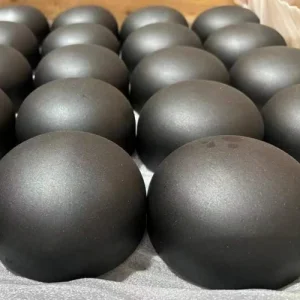
High-Quality Butt Weld Mild Steel Cap Supplier, Quotes
View Specifications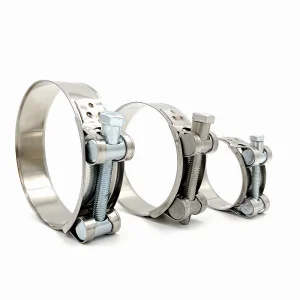
Discount Heavy Duty Galvanized Iron Single Bolt Hose Clamp 20mm Wide Steel Pipe Clamp for Suction Pump Manufacturer, Service
View Specifications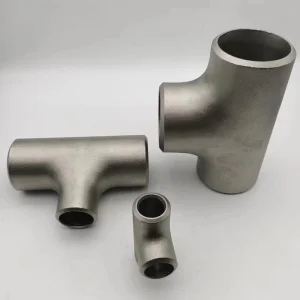
China SS304 316 Pipe Fitting Butt Welding Stainless Steel Reducing Outlet Tee Factories, Company
View Specifications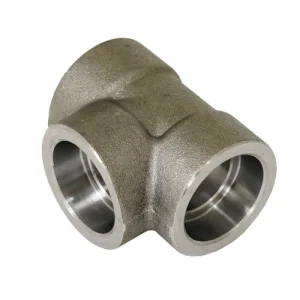
Famous Forged Fittings Socket Weld Fittings Coupling Elbow Tee Manufacturers, Pricelist
View Specifications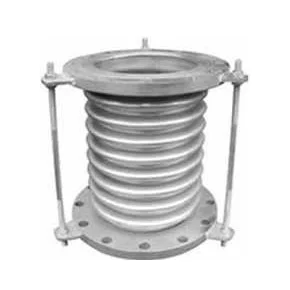
Wholesale Industrial Stainless Steel Compensator Pricelist, Company
View Specifications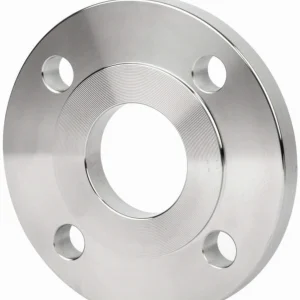
Best Flat Flange With RF Factory, Companies
View Specifications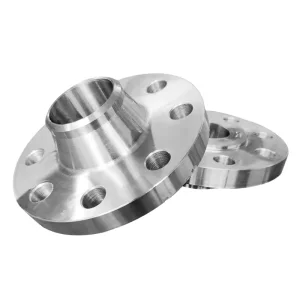
High-Quality ASME B16.5 & ANSI A105/SA105N Forged Flange 3/4 Inch Slip-On Pipe Flange Black Steel JIS/DIN/ISO/BS Standards Manufacturer, Exporter
View Specifications