
Featured Industrial Ball Valves & Piping Components
Precision-engineered valves, forged flanges, and butt-weld pipe fittings designed for extreme pressure classes and harsh industrial environments.
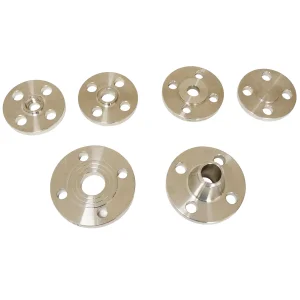
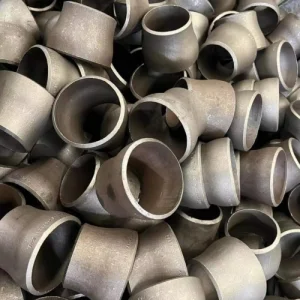
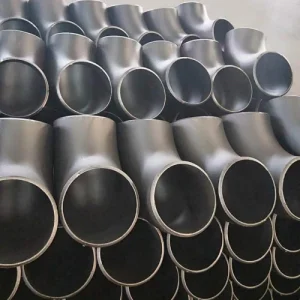
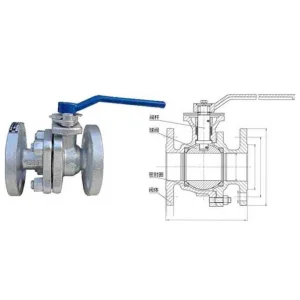
1. Executive Summary & Macro Industry Landscape
In modern fluid infrastructure, the industrial ball valve serves as the definitive mechanical safeguard across critical process industries. Operating through a quarter-turn rotary mechanism housing a spherical disk, ball valves provide fast actuation, low fluid resistance, dynamic bi-directional shut-off, and high seal integrity. As global industrial paradigms transition toward higher operational pressures, extreme temperature ranges (-196°C to +650°C), aggressive media isolation, and stringent fugitive emission compliance, selecting an authoritative, certified ball valve manufacturer becomes a mission-critical objective for engineering, procurement, and construction (EPC) professionals.
The global industrial valve ecosystem is undergoing structural transformation driven by energy transition dynamics, LNG terminal expansions, hydrogen transportation pipelines, and severe-service petrochemical refining. Modern valve manufacturing demands strict adherence to rigorous engineering standards such as API 6D, ASME B16.34, ISO 17292, and BS 5351. Furthermore, environmental regulations require zero-leakage stem sealing protocols compliant with ISO 15848-1 Class AH and API 622 standards to reduce methane and volatile organic compound (VOC) emissions.
High-Pressure Containment
Forged steel body architecture (ASTM A105, A182 F316, F51) capable of withstanding severe hydraulic pressure spikes and piping deflection stresses without structural deformation.
Fugitive Emission Control
Triple-sealed stem packing with live-loaded Belleville springs ensuring bubble-tight sealing for dangerous, flammable, or toxic media over thousands of operating cycles.
Fire-Safe & Anti-Static
Integrated metallic secondary seats providing emergency sealing when soft seats degrade under fire exposure, compliant with API 607 7th Edition and API 6FA.
2. Structural Engineering & Metallurgy Roadmap
Understanding the kinematic, mechanical, and metallurgical mechanics of industrial ball valves is vital when designing fluid networks. Ball valve designs fall primarily into two structural classifications: Floating Ball Valves and Trunnion-Mounted Ball Valves.
| Design Parameters | Floating Ball Valve Design | Trunnion-Mounted Ball Valve Design |
|---|---|---|
| Operating Principle | Ball is supported only by two seating rings; upstream pressure pushes ball against downstream seat. | Ball is anchored by top stem and bottom trunnion pivot; seats float and press against ball via springs. |
| Size & Pressure Range | Typically DN15 to DN200; Class 150 to Class 600. | DN50 to DN1400+; Class 150 up to Class 2500 (Extreme High Pressure). |
| Torque Dynamics | Operating torque increases significantly with higher differential pressures. | Low, balanced operating torque due to fixed ball axis and spring-energized seats. |
| Sealing Mechanisms | Single directional or bi-directional self-relieving downstream seat seal. | Double Block and Bleed (DBB), Double Isolation and Bleed (DIB-1, DIB-2) options. |
| Target Applications | General chemical handling, utility steam, air/gas loops, plant manifolds. | Long-distance oil/gas pipelines, subsea manifolds, LNG transmission, severe refinery units. |
Advanced Metallurgy & Seat Sealing Technology
Material selection determines a valve's operational longevity against corrosion, cavitation, erosion, and thermal degradation. Modern manufacturing utilizes high-grade wrought and cast alloys paired with customized seat chemistry:
Body Material Selection
Carbon Steel: ASTM A216 WCB/WCC for general service; ASTM A352 LCC/LCB for low-temperature applications (-46°C).
Stainless Steel: ASTM A351 CF8M / CF3M and ASTM A182 F316L for corrosive media.
Duplex Alloys: 2205 Duplex (UNS S31803) and 2507 Super Duplex (UNS S32750) providing exceptional resistance to chloride pitting and stress corrosion cracking.
Nickel Alloys: Inconel 625, Hastelloy C276, and Monel 400 for extreme chemical attack.
Seat Sealing Solutions
Soft Seats: PTFE, RPTFE (Glass/Carbon filled), PEEK, Devlon V-API, and Molydac for smooth operation, tight shutoff, and low torque at moderate temperatures.
Metal-to-Metal Seats (MSBV): High-Velocity Oxygen Fuel (HVOF) applied coatings such as Chromium Carbide (Cr3C2-NiCr) and Tungsten Carbide (WC-Co-Cr), or Stellite hardfacing. Engineered to operate reliably in abrasive slurries, high temperatures up to 650°C, and severe erosive conditions.
3. Global Commercial & Industrial Status
The international valve industry is navigating an era defined by stringent quality assurance and supply chain consolidation. Procurement managers and project engineering leads face increased pressure to verify origin, mill test certificates (EN 10204 3.1/3.2), and manufacturing traceability from raw ingot casting to hydrostatic bench testing.
China's pipeline manufacturing clusters—specifically in the Cangzhou industrial zone—have evolved into premier global procurement hubs. Integrating advanced CNC machining centers, automated welding systems, and non-destructive examination (NDE) testing labs, manufacturers deliver API-compliant ball valves, forged steel flanges, butt-weld elbows, and reducers under unified quality management systems. This integration simplifies procurement for global EPC contractors, eliminating dimensional mismatches between valves, pipe fittings, and flange faces.
Harmonized Procurement: Valves, Flanges & Fittings
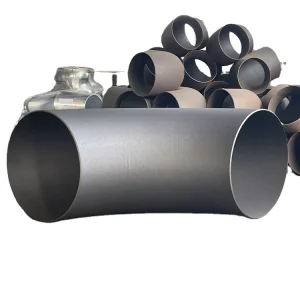
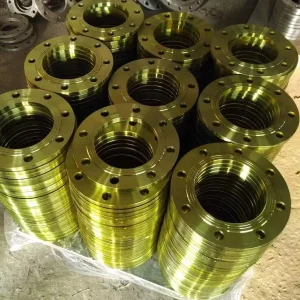
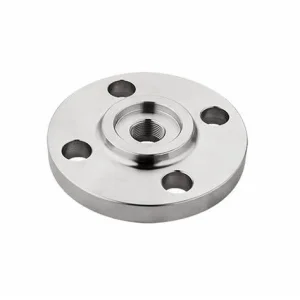
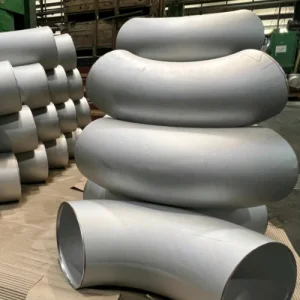
Selecting matching piping components from a unified industrial ecosystem ensures perfect gasket seating, bolt-hole alignment, and weld-end preparation. For example, mating an ANSI 150LB Q41F cast steel ball valve with ANSI 150LB socket weld forged flanges (SS304/SS316) and seamless carbon steel elbows guarantees consistent pressure containment across the entire piping system.
4. Localized Application Scenarios & Engineering Case Studies
Industrial ball valves are utilized across diverse operating conditions. Below are three detailed engineering scenarios showcasing valve selection criteria based on environmental and fluid mechanics requirements.
Scenario A: High-Pressure Sour Gas Pipelines
Environment: Upstream natural gas processing with elevated Hydrogen Sulfide (H2S) concentration.
Challenge: Sulfide Stress Cracking (SSC) and Hydrogen-Induced Cracking (HIC).
Solution: Trunnion-mounted forged steel ball valves (ASTM A182 F51 / A105N) compliant with NACE MR0175 / ISO 15156. Equipped with Inconel 625 overlay on body sealing areas, Devlon V-API seats, double piston effect (DIB-1) seating system, and emergency sealant injection ports for primary stem and seat seals.
Scenario B: Petrochemical Catalyst Slurry Refineries
Environment: Fluid Catalytic Cracking (FCC) bottoms containing micro-fine abrasive catalyst particles at 480°C.
Challenge: Rapid seat erosion, thermal expansion locking, and total seal degradation.
Solution: Severe-service metal-seated ball valves featuring HVOF Chromium Carbide coated ball and seats, Belleville spring-energized dynamic seating, anti-cavitation trim design, and purge ports to prevent slurry accumulation in the body cavity.
Scenario C: Cryogenic LNG Storage & Regasification
Environment: Liquefied Natural Gas (LNG) processing at ultra-low cryogenic temperatures (-196°C).
Challenge: Stem packing freezing, material thermal contraction, and catastrophic seat leakage.
Solution: Top-entry stainless steel (ASTM A351 CF8M / A182 F316L) ball valves equipped with extended bonnets to elevate stem packing above cryogenic liquid zones, PCTFE / Lip-seal seats, and automatic internal cavity pressure relief mechanisms.
5. Localized Support, Quality Control & Compliance
A reliable industrial valve manufacturer must demonstrate unyielding commitment to rigorous quality control frameworks. Every manufacturing step—from chemical composition verification of raw billets to final hydro-testing—requires documented qualification to guarantee zero field failures.
Non-Destructive Testing (NDT) Suite
• Positive Material Identification (PMI): XRF spectrographic verification of chemical element limits.
• Radiographic Testing (RT) & Ultrasonic Testing (UT): Full volumetric inspection of castings and pressure-retaining forgings.
• Magnetic Particle Inspection (MPI) & Dye Penetrant Testing (PT): Surface flaw detection on critical pressure boundaries and weld bevels.
Pressure Testing & Fire-Safe Verification
• API 598 & API 6D Testing: High-pressure hydrostatic body (1.5x PN/Class) and seat testing (1.1x PN/Class), along with low-pressure air seat testing.
• High-Pressure Gas Testing: Nitrogen/Helium gas testing to detect micro-porosity under API 6D Annex B.
• Fire-Safe Certification: Type-tested per API 607 and ISO 10497 to verify seal integrity during and after direct fire exposure.
| Regulatory Standard | Compliance Scope | Engineering Significance |
|---|---|---|
| API 6D / ISO 14313 | Pipeline Valves Specification | Standardizes pressure classes, bore dimensions, DBB capabilities, and testing protocols. |
| ASME B16.34 | Valves - Flanged, Threaded & Welding End | Defines wall thickness, pressure-temperature ratings, and body bolt stress limits. |
| ISO 15848-1 Class AH | Fugitive Emission Measurement | Certifies stem seals under 10 PPM helium leakage over extended cycling at elevated temperatures. |
| PED 2014/68/EU (CE) | Pressure Equipment Directive | Mandatory certification for pressure vessel and piping installation across European Union markets. |
| SIL 3 (IEC 61508) | Safety Integrity Level | Validates functional safety reliability for Emergency Shut-Down (ESD) automated valves. |
6. Technical Roadmap & Future Technology Outlook
As global energy infrastructure modernizes, industrial ball valve manufacturing is evolving through digital innovation and advanced materials science. The next decade will focus on three key technological shifts:
Smart Valves & Predictive Maintenance
Integration of embedded IoT acoustic emission sensors, stem torque transducers, and seat pressure transmitters. Real-time diagnostic data streamed to plant DCS platforms enables predictive maintenance before seal degradation occurs, eliminating un-planned downtime.
Hydrogen Infrastructure Readiness
Pure hydrogen gas transportation introduces extreme micro-permeation risks and hydrogen embrittlement. Manufacturing roadmaps include developing specialized nano-composite soft seats and low-nickel austenitic stainless steels to guarantee zero leakage in 100 bar hydrogen pipelines.
Additive Manufacturing & Laser Cladding
Utilizing 3D additive manufacturing for complex inner-cavity valve trims to reduce pressure drops. Advanced robotic laser cladding applies dense, defect-free Stellite and Hastelloy wear layers onto ball sealing surfaces with minimal thermal distortion.
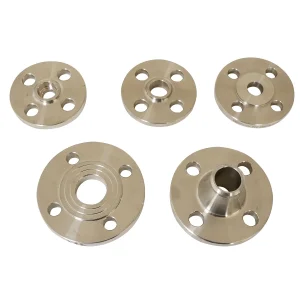
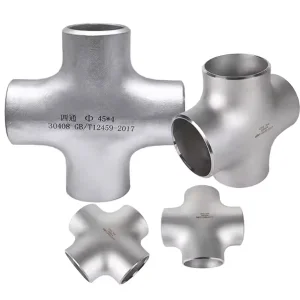
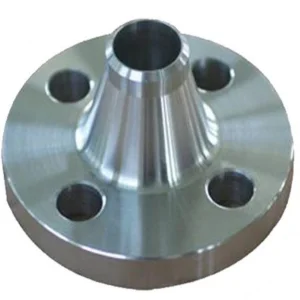
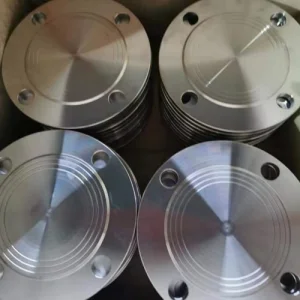
Industrial Piping & Flange Infrastructure
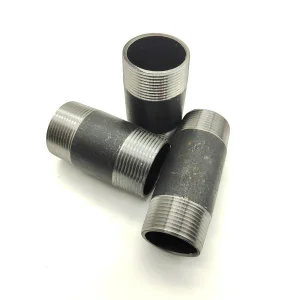
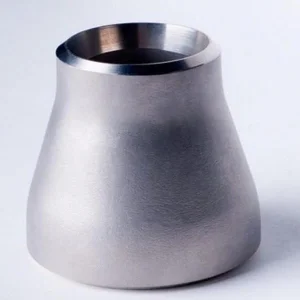
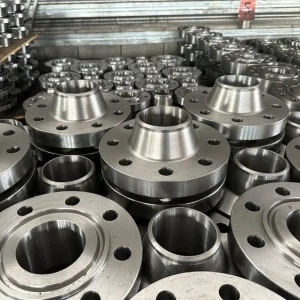
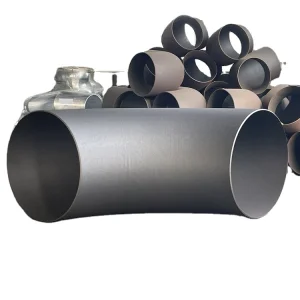
Explore our certified pipeline fittings, forged flanges, nipples, elbows, and specialty connectors engineered to complement our core ball valve product line.
7. Frequently Asked Questions (Q&A)
Technical solutions and procurement queries regarding ball valve selection, manufacturing standards, and installation dynamics.