1 / 5
High-Quality High Quality Four-way Pipe Fitting Products, Service
Product Description
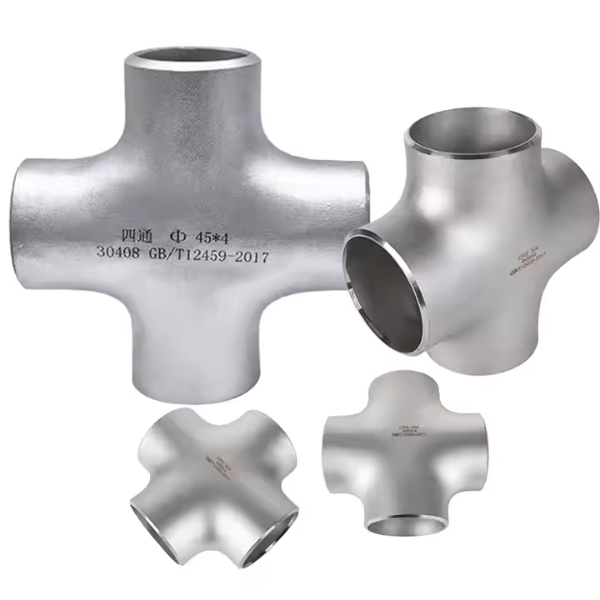
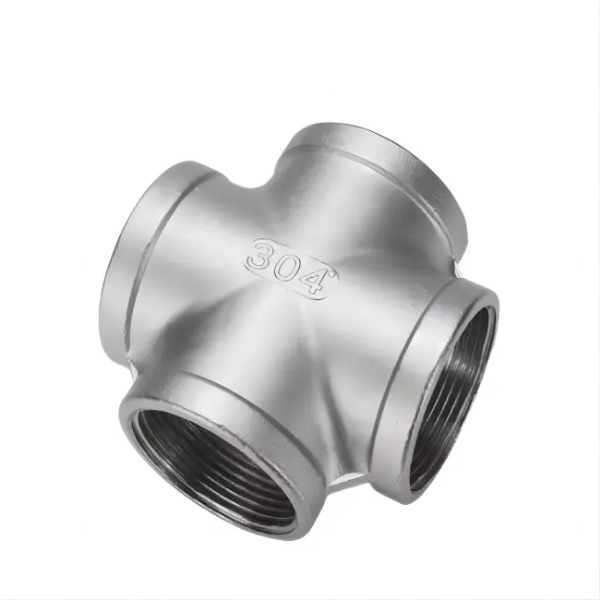
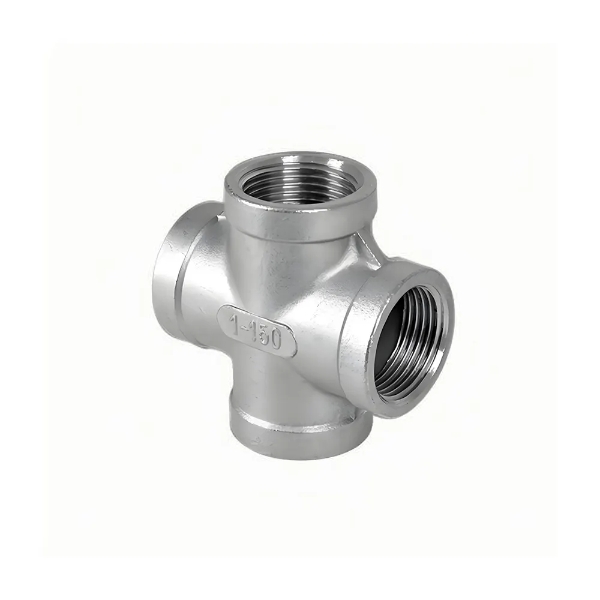
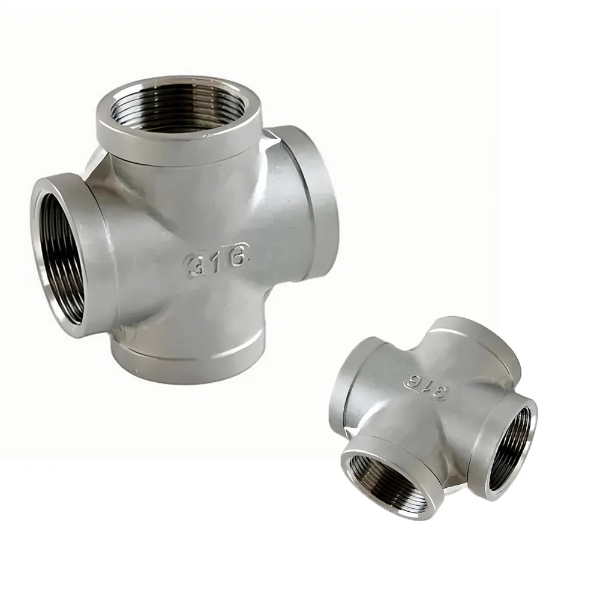
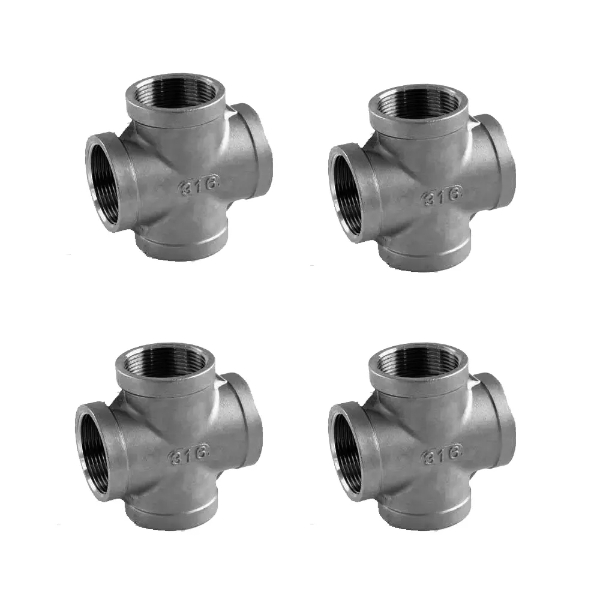
A pipe four-way, also known as a cross fitting, is a type of pipe fitting that connects four pipes at right angles, forming a "+" shape. It has one inlet and three outlets (or vice versa), allowing fluid or gas to flow in multiple directions.
Types of Pipe Four-Way Fittings
1. Equal Cross
All four openings are the same size.
2. Reducing Cross
One or more openings have different diameters, allowing connection between pipes of varying sizes.
Materials
Metal
Stainless steel, carbon steel, brass, copper
Used in high-pressure or high-temperature applications.
Plastic
PVC, CPVC, HDPE
Common in water supply, drainage, and chemical transport.
Applications
- Plumbing systems
- HVAC (Heating, Ventilation, and Air Conditioning)
- Industrial pipelines (oil, gas, chemicals)
- Fire sprinkler systems
Advantages
- Allows multi-directional flow distribution.
- Saves space compared to using multiple elbows or tees.
- Available in threaded, socket weld, or solvent weld connections.
Disadvantages
- Can create turbulence or pressure drops in fluid flow.
- Requires precise alignment during installation.
Frequently Asked Questions
What is a pipe four-way fitting?
A pipe four-way (also known as a cross fitting) connects four pipes at right angles in a "+" shape. It typically features one inlet and three outlets, or three inlets and one outlet, enabling multi-directional fluid or gas flow.
What is the difference between an Equal Cross and a Reducing Cross?
An Equal Cross has four openings of the exact same size. A Reducing Cross has one or more openings with different diameters to connect pipes of varying sizes together.
What materials are pipe four-way fittings made of?
They are commonly made of metals (such as stainless steel, carbon steel, brass, and copper) for high-pressure/temperature uses, and plastics (such as PVC, CPVC, and HDPE) for water supply, drainage, and chemical transport.
Where are cross fittings commonly used?
Cross fittings are widely utilized in plumbing systems, HVAC applications, fire sprinkler systems, and industrial pipelines carrying oil, gas, or chemicals.
What connection types are available for four-way fittings?
Four-way pipe fittings are available in threaded, socket weld, or solvent weld connection types depending on the material and application requirements.
What are the main drawbacks of using a four-way pipe fitting?
The primary drawbacks include potential flow turbulence or pressure drops as fluids change direction, as well as the requirement for precise alignment during installation.