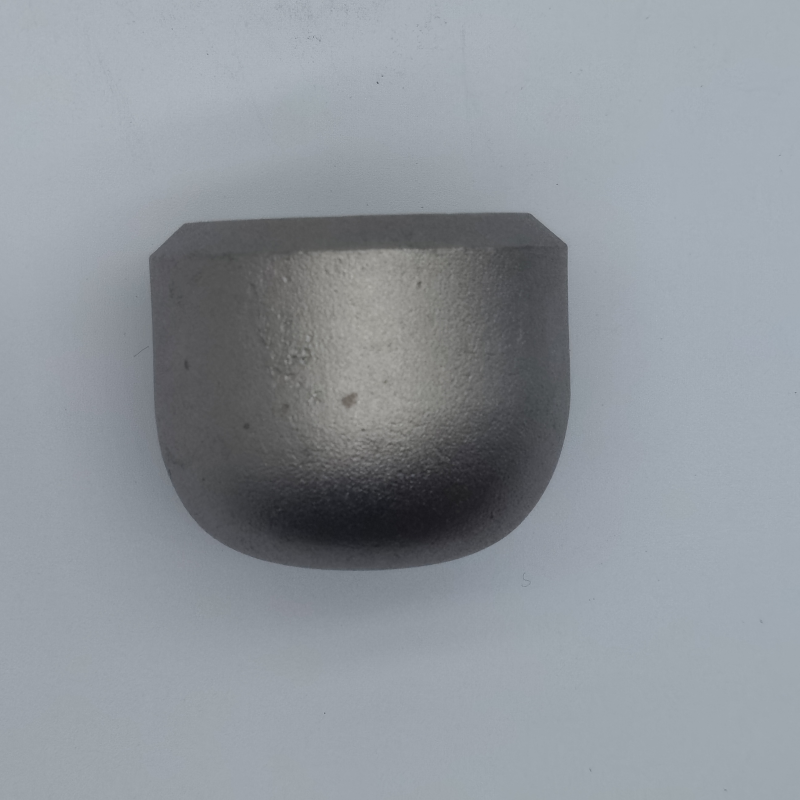
Buy ASTM Butt Welding Casting Forging A420 Wpl6 Carbon Steel Pipe Cap Supplier, Service
Product Description
| standard | ASTM A234, MSS SP-75, ASTM A403, ASME B16.9, DIN2615, JIS B2312, ASTM A105, ASTM A182 |
| Size Range | 1/2", 1", 2", 3", 4", 6", 8", 10", 12", 16", 20" to 48". (DN15-DN1200) |
| Pressure | 2000#, 3000#, 6000#, 9000# |
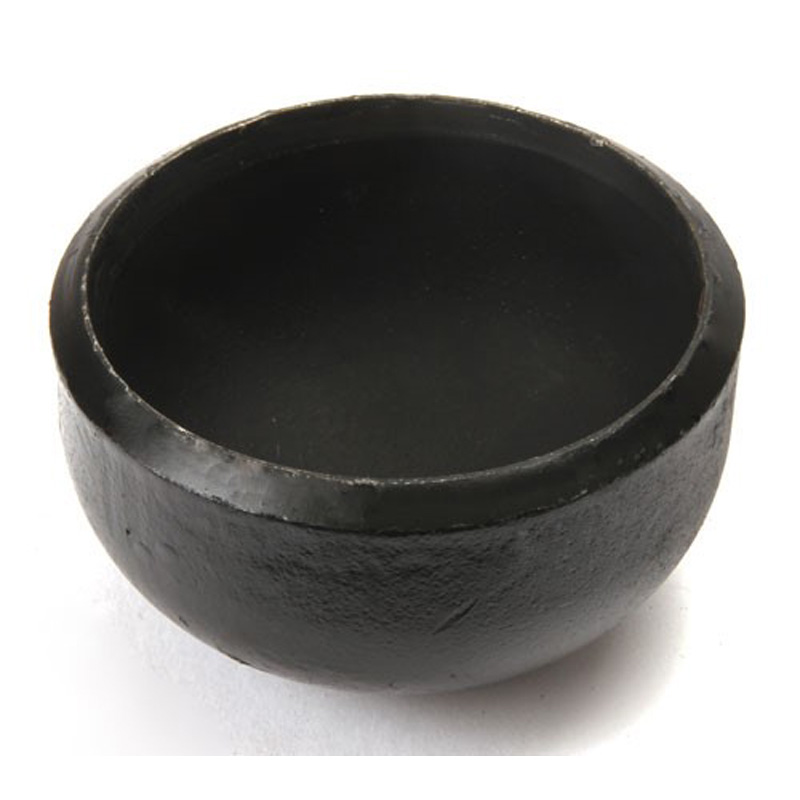
| Surface Coatings | Black Painted, Varnished, Epoxy Coated, Galvanized |
| Thickness | SCH 10, SCH 40, SCH 80 |
| Port | Tianjin |
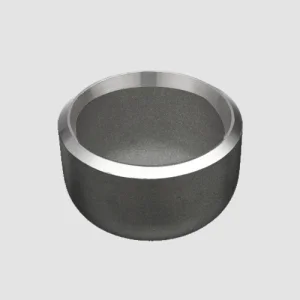
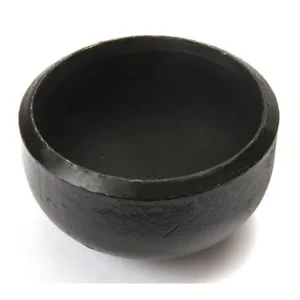
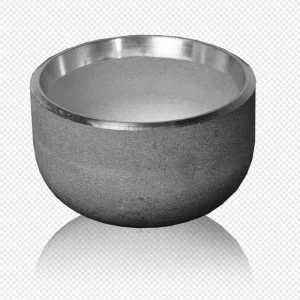
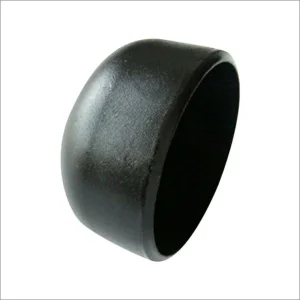
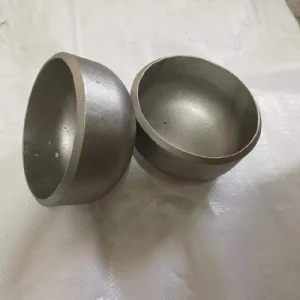
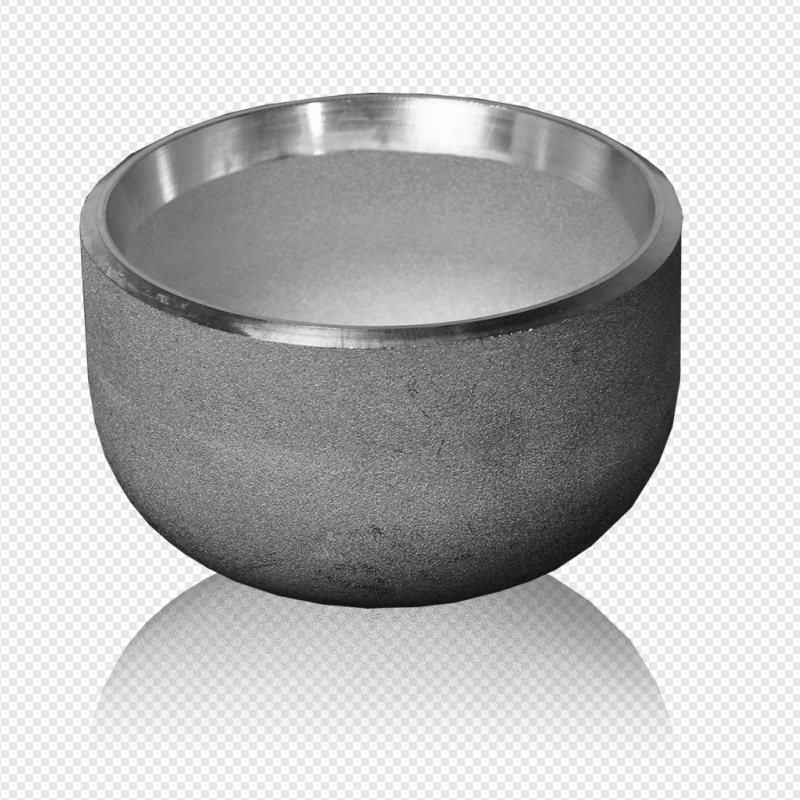
Cover or close the end of a carbon steel pipe caps. Carbon steel is stronger than stainless steel, is very resistant to wear, and can withstand high pressure, but is also susceptible to corrosion.
Steel Pipe Cap is also called Steel Plug, it usually welded to the pipe end or mounted on the external thread of the pipe end to cover the pipe fittings. To close the pipeline so the function is the same as the pipe plug.
You can also to use a blind plate to close the pipeline, differently the blind plate is detachable and the carbon steel pipe cap is not removable. The carbon steel pipe cap includes a convex cap, a conical shell, a variable diameter section, a flat cover and a constricted opening.
The main function of a carbon steel pipe cap (also known as a steel plug) is to cover or seal the end of a pipeline. It is either welded to the pipe end or mounted onto external threads to block fluid or gas flow permanently.
While both components serve to close a pipeline, a blind plate is detachable for maintenance or inspection access, whereas a carbon steel pipe cap is permanently attached (usually via welding) and non-removable.
Carbon steel provides exceptional strength compared to stainless steel, offers high wear resistance, and can withstand extreme internal pressures. However, because carbon steel is susceptible to corrosion, surface coatings are typically applied.
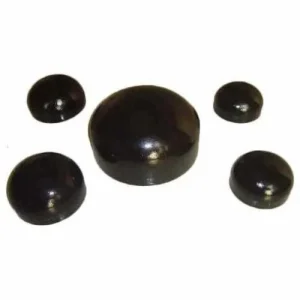
Pipe caps are available in sizes ranging from 1/2" up to 48" (DN15 to DN1200), with pressure ratings including 2000#, 3000#, 6000#, and 9000# to suit different industrial pressure applications.
Common surface protection options include Black Painting, Varnishing, Epoxy Coating, and Galvanizing to protect the steel against rust and atmospheric corrosion.
Carbon steel pipe caps can be manufactured in various structural designs, including convex caps, conical shells, variable diameter sections, flat covers, and constricted openings based on specific engineering requirements.