Catalog Integration
Primary Industrial Piping & Connection Components
Direct factory pipeline hardware engineered to ASME, ANSI, JIS, and DIN specifications for high-pressure fluid handling, structural integrity, and long-term anti-corrosion applications.
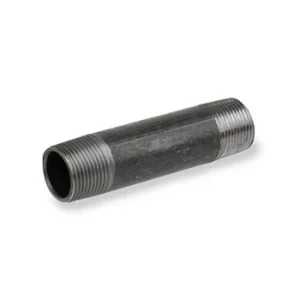
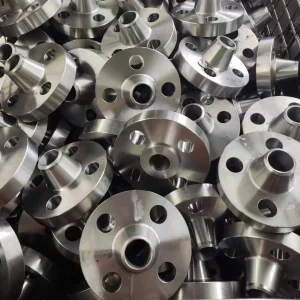
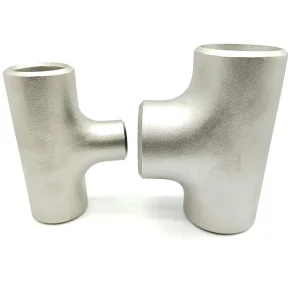
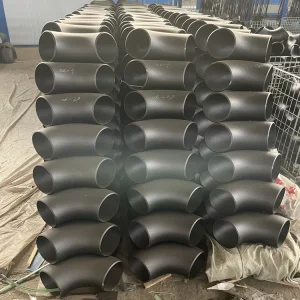
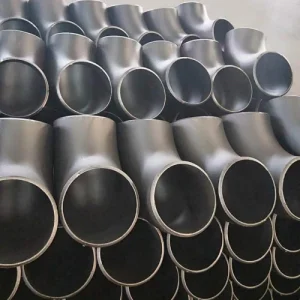
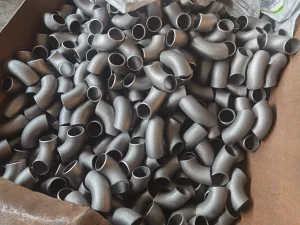
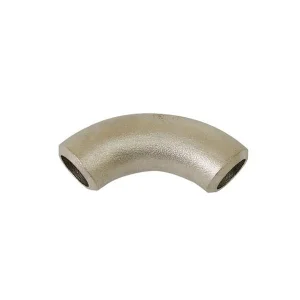
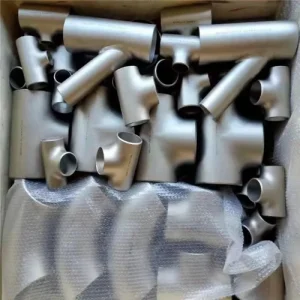
In modern industrial engineering, Galvanized Steel Pipes serve as foundational conduits for fluid transport, structural frameworks, HVAC networks, and underground utilities. Zinc-coated tubular products provide a unique combination of high mechanical tensile strength (derived from carbon steel bases such as ASTM A53, A106, or S235JR) and cathodic barrier protection against atmospheric and chemical oxidation. For procurement executives, EPC (Engineering, Procurement, and Construction) contractors, and structural engineers, selecting the correct galvanized steel pipe manufacturer requires analyzing metallurgical purity, zinc layer thickness, thread tolerances, pressure integrity, and compliance with global standards including ASTM, EN, ISO, and JIS.
1. Global Procurement Dynamics & Market Intelligence
The global demand for galvanized steel pipes is surging, driven by massive investments in municipal water distribution, renewable energy infrastructure (specifically solar PV mounting systems), agricultural irrigation networks, and commercial building fire protection systems. According to recent industrial steel market data, the global hot-dip galvanized pipe market is projected to maintain a steady Compound Annual Growth Rate (CAGR) exceeding 5.2% over the next decade.
Infrastructure Expansion
Rapid urbanization in Southeast Asia, the Middle East, and Latin America is driving unprecedented procurement of Schedule 40 and Schedule 80 hot-dip galvanized seamless and ERW pipes for fire hydrant systems and potable water networks.
Solar & Renewable Racking
Solar energy farms require ultra-durable structural tubing capable of surviving 25 to 30 years in harsh outdoor, desert, or coastal environments. Pre-galvanized and post-galvanized HDG steel structural tubes are now the industry standard for ground-mount tracker frames.
Industrial Plant Operations
Chemical processing facilities, oil refiners, and marine offshore rigs utilize heavy-wall galvanized steel pipes to withstand corrosive marine air (ISO 12944 Category C4/C5), maintaining long service lifespans without costly maintenance shutdowns.
Metallurgical Blueprint
Hot-Dip Galvanizing (HDG) vs. Pre-Galvanized vs. Electro-Galvanized Piping
Understanding the metallurgical bond between molten zinc and carbon steel is critical when specifying products for aggressive operational environments. Galvanization is not merely a superficial coating; it is a metallurgical reaction that produces distinct iron-zinc alloy layers.
Pipes are fully immersed in a bath of molten zinc at approximately 450°C (842°F). This creates a multi-layered barrier featuring Gamma, Delta, Zeta, and pure Eta zinc surface layers, yielding coating weights from 300 g/m² to over 610 g/m² (45 µm to 85+ µm thickness). Ideal for severe outdoor, underground, and heavy industrial use.
Manufactured from steel coils that have already been continuously hot-dip galvanized prior to roll forming and Electric Resistance Welding (ERW). Coating is uniform, smooth, and aesthetic, but weld seams require secondary zinc coating touch-up. Commonly specified for electrical conduits and structural scaffolding.
Utilizes an electroplating process to deposit a thin layer of pure zinc (typically 10 g/m² to 50 g/m², or 3 µm to 15 µm). Provides a highly uniform aesthetic finish suitable for indoor architectural applications, light mechanical components, and mild non-condensing environments.
Galvanized Steel Pipe Engineering Standards & Dimensional Matrix
Compare international steel pipe manufacturing specifications used by top global manufacturers and supplier mills:
| Standard Spec | Manufacturing Process | Nominal Size Range | Zinc Coating Mass / Thickness | Primary Industrial Applications |
|---|---|---|---|---|
| ASTM A53 / A53M | Seamless (S) & ERW (W) Grade A & B | NPS 1/8" to NPS 26" (SCH 10 to SCH 160) | ≥ 550 g/m² (≥ 79 µm average) | High-pressure gas/water, fire protection, structural piling |
| BS 1387 / EN 10255 | Light, Medium, Heavy Class Welded | DN15 (1/2") to DN150 (6") | ≥ 300 g/m² to 500 g/m² (40 µm - 70 µm) | Low-pressure fluid conveyancing, HVAC chilled water, handrails |
| ASTM A795 | ERW & Seamless Black/Galvanized | NPS 1" to NPS 10" | ≥ 460 g/m² (≥ 65 µm) | Dedicated wet & dry automatic fire sprinkler networks |
| JIS G3452 / G3454 | Carbon Steel Pipe for Ordinary Piping | 15A to 500A (1/2" to 20") | ≥ 400 g/m² (≥ 56 µm) | Industrial water supply, steam pipelines, architectural frames |
| EN 10219 / EN 10210 | Cold Formed / Hot Finished Hollow Sections | 20x20mm to 500x500mm / Round up to 610mm | ≥ 500 g/m² up to 85 µm (HDG batch immersion) | Bridge construction, solar PV tracker structures, heavy machinery frames |
Macro Industrial Solutions & System Integration
Deploying advanced anti-corrosion piping technologies across mission-critical energy, infrastructure, and heavy municipal engineering projects worldwide.
Municipal Water & Fluid Grid Solutions
Hot-dip galvanized pipes manufactured with non-toxic, lead-free zinc alloys conform to NSF/ANSI 61 and BS EN 10255 standards. They prevent internal scaling, bio-film accumulation, and pinhole corrosion in municipal drinking water and wastewater distribution systems.
NFPA 13 Fire Protection Infrastructures
Threaded and roll-grooved galvanized steel fire main pipes designed for wet and dry automatic fire sprinkler installations. High bursting pressure threshold paired with anti-corrosive internal zinc barrier ensures 100% flow throughput during high-pressure emergency discharge.
Coastal & Offshore Heavy Construction
In high-salinity marine environments (ISO 12944 Category C5-M), standard carbon steel degrades rapidly. Our custom batch-immersed HDG structural steel pipes feature heavy zinc-iron intermetallic layers, providing self-healing sacrificial anodic protection when surface scratches occur.
Strategic Procurement & Supplier Audit Criteria for B2B Buyers
Procuring large tonnages of galvanized steel pipe directly from international factories requires rigorous quality assurance protocols to mitigate financial risk, shipping delays, and material non-compliance. Below is the procurement framework recommended by experienced supply chain directors:
1. Mill Raw Material Traceability
Ensure the manufacturer uses prime steel billets/skelp from accredited steelmakers (e.g., Baosteel, Shougang, POSCO). Every batch must come with an EN 10204 3.1 Mill Test Certificate detailing chemical heat analysis (C, Mn, P, S, Si content) and mechanical tensile/yield properties.
2. Zinc Bath Purity & Thickness Testing
Verification of zinc purity (minimum 99.95% pure Zn bath). Magnetic thickness gauge testing (ISO 2178 / ASTM B499) must be executed at multiple points along the pipe length (ends, middle) to guarantee uniform micron thickness without flaking, sagging, or bare spots.
3. NDT & Hydrostatic Verification
100% Non-Destructive Testing (NDT)—including online Eddy Current testing (ASTM E309) or Ultrasonic testing—complemented by hydrostatic pressure testing (ASTM A53 Sec. 12) held for a minimum of 5 seconds, ensuring seam integrity under stress.
4. End Preparation & Thread Precision
For threaded and coupled (T&C) pipes, threads must conform strictly to ANSI B1.20.1 (NPT) or ISO 7-1 (BSPT). Thread protectors must be installed prior to bundling to prevent impact damage during oceanic container transit.
Industry 4.0 Vision
Technical Roadmap: Next-Gen Coating Technologies & Sustainability
The steel piping sector is undergoing a technological transformation centered around decarbonization, smart manufacturing, and advanced alloy chemistry. Leading manufacturers are investing heavily in the following technological pathways:
Zinc-Aluminum-Magnesium (ZAM) Coatings
The next evolutionary step beyond standard galvanizing. ZAM coatings (typically 11% Al, 3% Mg, bal. Zn) offer up to 3 to 5 times superior corrosion resistance in salt-spray tests compared to traditional HDG, allowing reduced coating thickness while extending operational life in extreme environments.
Zero-Emission Hydrogen Heating Furnaces
To reduce Scope 1 carbon emissions during the pre-heating and galvanizing furnace phases, tier-1 steel pipe companies are replacing natural gas burners with green hydrogen and electric induction systems, supporting net-zero green construction mandates.
AI-Driven Online Coating Thickness Control
Utilizing high-speed optical laser sensors and automated air-knife adjustments inside the galvanizing tower, advanced mills achieve real-time coating thickness feedback control with zero variance, eliminating zinc waste and ensuring 100% batch uniformity.
Localization Support, Global Compliance & Regulatory Assurance
Navigating regional construction codes and import regulations requires specialized engineering documentation. Reputable galvanized steel pipe suppliers provide end-to-end compliance portfolios tailored to destination market requirements:
North American Compliance
Full conformance to ASTM A53 Grade B, ASTM A795 (fire protection), UL Listed / FM Approved certifications, and NPT thread standards meeting ASME B1.20.1. Canadian CRN (Canadian Registration Number) documentation supplied upon request.
European Union & UK Directives
Compliance with Pressure Equipment Directive (PED 2014/68/EU), Construction Products Regulation (CPR CE mark under EN 10255 / EN 10219), UKCA marking, and REACH / RoHS non-toxic passivation compliance.
Middle East & GCC Infrastructure
Pre-qualification with major regional authorities (including Aramco, ADNOC, DEWA, and SABIC). Testing for sour service environment resilience (NACE MR0175 / ISO 15156) and extreme ambient temperature thermal expansion stability.
Expert Answers
Frequently Asked Questions: Technical & Procurement FAQ
Addressing core engineering, metallurgical, and supply chain queries to assist procurement specialists and project design consultants.
Comprehensive Catalog
Flanges, Fittings & Industrial Valve Assemblies
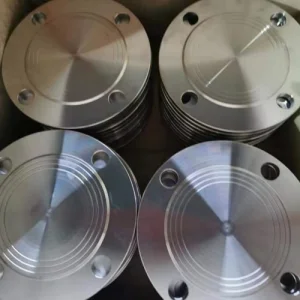
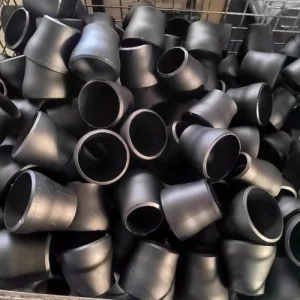
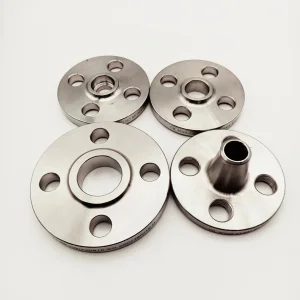
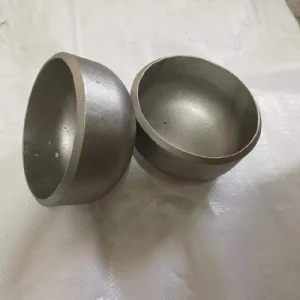
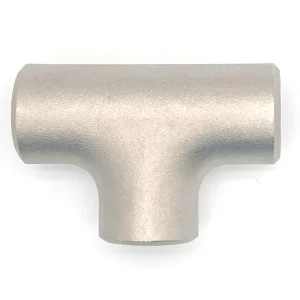
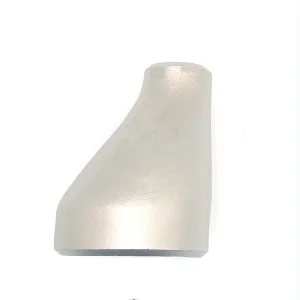
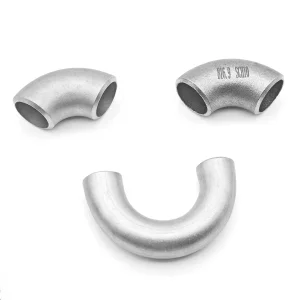
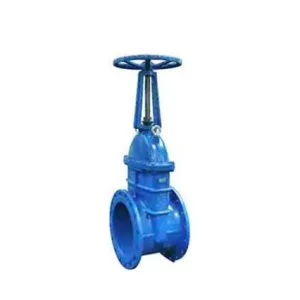
Explore high-pressure forged flanges, seamless reducers, caps, and heavy-duty flow control valves designed to complement your galvanized and carbon steel piping networks.