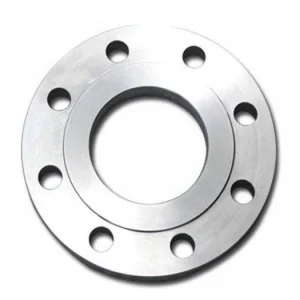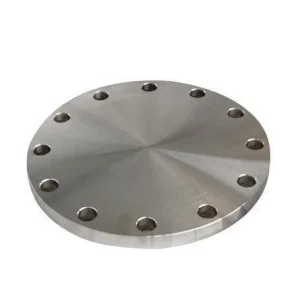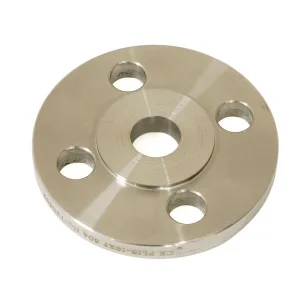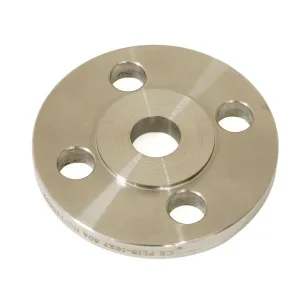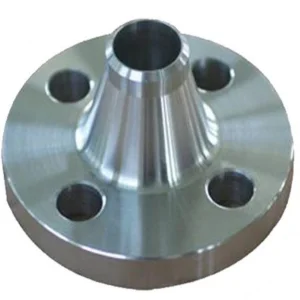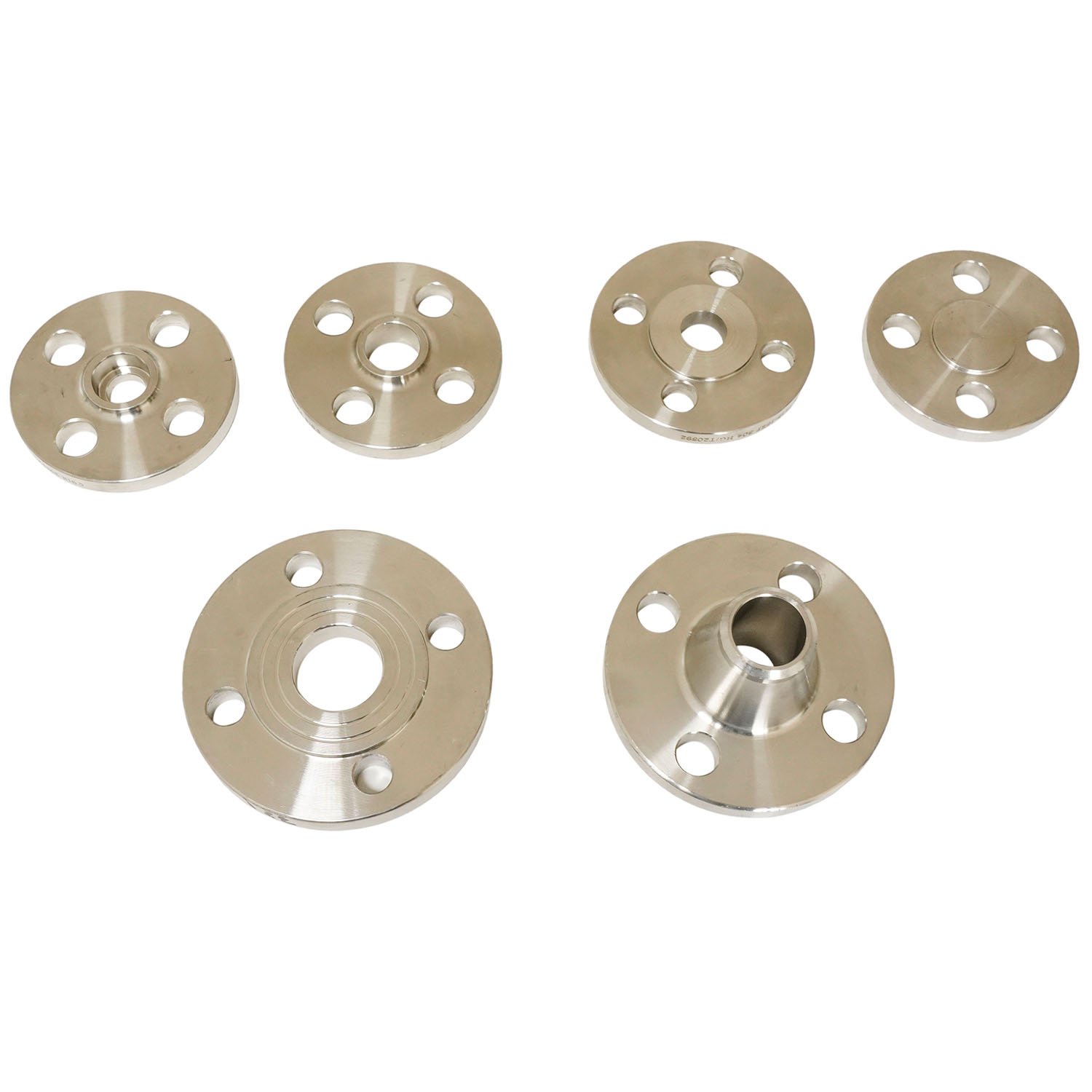
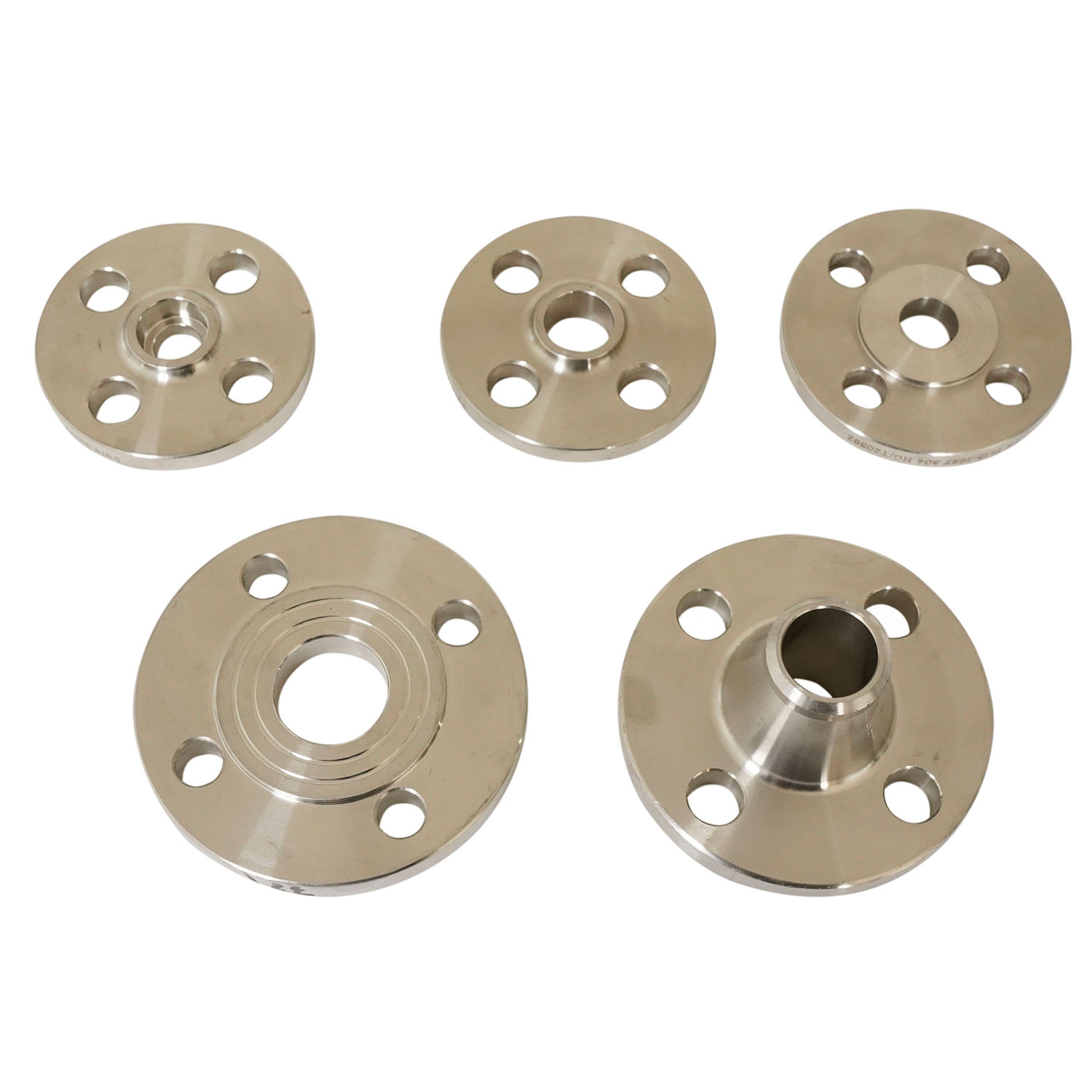
High-Quality Stainless Steel Flange for Construction, DN150 PN16 Stainless Steel Weld Flange, Building Pipeline Manufacturers, Product
Product Description
Flanges are manufactured from a variety of materials to adapt to different operating environments, pressure levels, and mediums. Custom material selections are available to meet specific project requirements.
Grades: A105, Q235B
Cost-effective and widely used for general low-pressure applications.
Grades: 304, 316L, 321
Offer superior corrosion resistance, making them ideal for acidic, alkaline, or high-humidity environments.
Grades: A182 F11, F22
Preferred for extreme conditions like high temperature (above 500℃) or high pressure (exceeding 10MPa) due to enhanced tensile strength and creep resistance.
Options: Copper, Aluminum, Titanium
Specialized materials selected for specific environmental and physical performance demands.
Compliance with international standards is paramount to flange quality and compatibility. The most widely adopted standards include:
Governs steel flanges and flanged fittings for nominal sizes 1/2" to 24" and pressure classes 150LB to 2500LB. Widely used in North American markets and global oil and gas projects.
Specifies flanges for industrial piping systems, covering PN6 to PN40 pressure ratings and DN10 to DN4000 nominal diameters. Common types include PN16, PN25, and PN40.
Applies to carbon steel and stainless steel flanges for water, air, and steam pipelines, with pressure classes ranging from 10K to 40K.
National standard for steel flanges, compatible with international standards and widely used in domestic infrastructure and export projects.
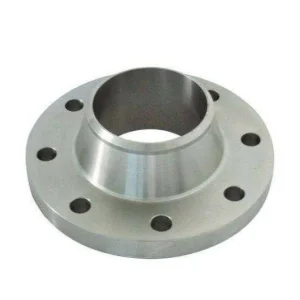
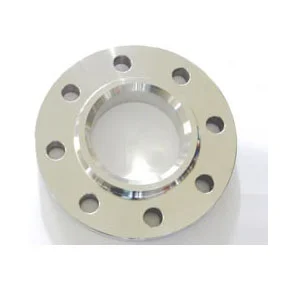
Focuses on weld neck flanges, slip-on flanges, and blind flanges for industrial applications, known for precise dimensional tolerances.