China High Quality 304/316 Steel Pipe Fittings Concentric/Eccentric Reducer Factory, Product
Product Description
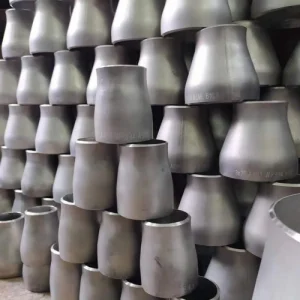
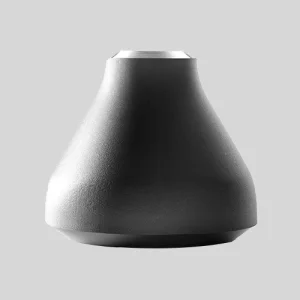
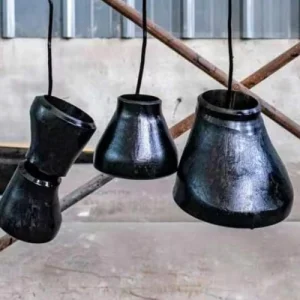
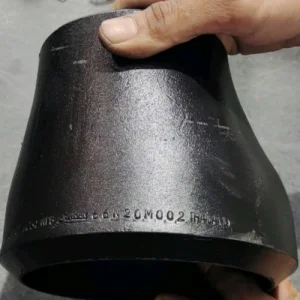
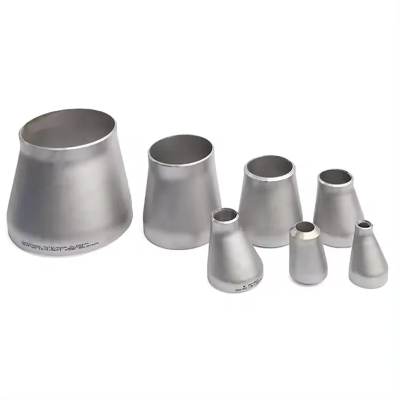
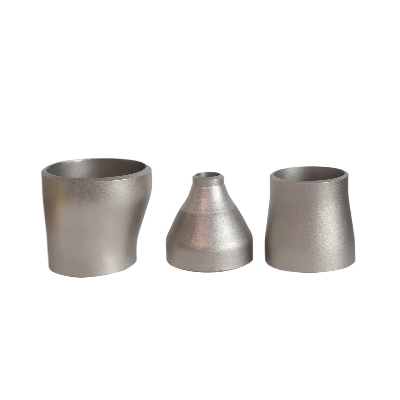
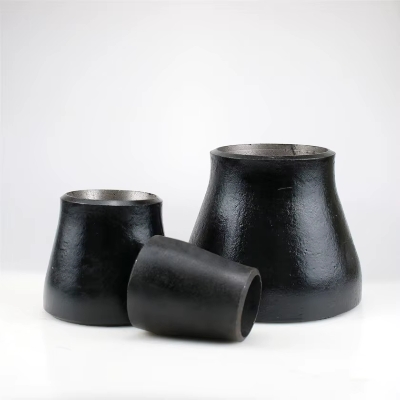
- Shape: Cone-shaped with a symmetrical gradual reduction.
- Use: Used in vertical pipelines where air or gas pockets must be avoided.
- Advantage: Maintains a uniform centerline, preventing turbulence.
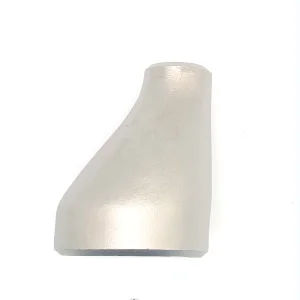
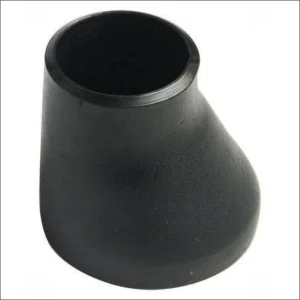
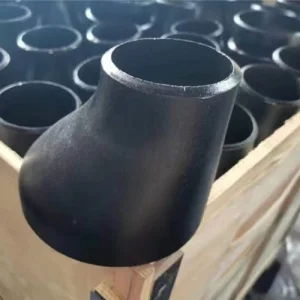
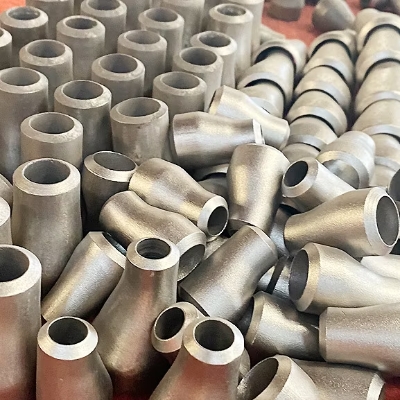
- Shape: One side is flat (offset), creating an asymmetrical reduction.
- Use: Ideal for horizontal pipelines to prevent air accumulation.
- Advantage: Helps in draining or avoiding sediment buildup.
Pipe reducers are made from various materials depending on the application:
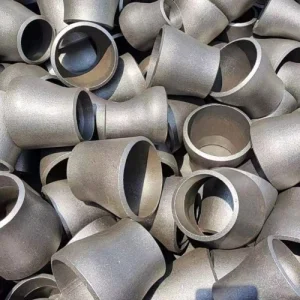
- Metallic: Stainless steel, carbon steel, alloy steel, brass, copper.
- Non-Metallic: PVC, HDPE, PP (for corrosive or low-pressure systems).
- Oil & Gas: Adjusting pipe sizes in refineries and pipelines.
- Water Treatment: Connecting different-sized pipes in filtration systems.
- Chemical Processing: Handling corrosive fluids with compatible materials.
- HVAC Systems: Managing airflow in ducting systems.
- Plumbing: Connecting different-sized water supply lines.
When choosing a pipe reducer, consider:
- Flow Requirements (pressure drop, velocity).
- Pipe Material Compatibility (corrosion resistance).
- Installation Orientation (horizontal vs. vertical).
- Connection Type (welded, threaded, flanged).
Pipe reducers play a crucial role in optimizing fluid flow by smoothly transitioning between pipe sizes, ensuring efficiency and preventing pressure losses. The choice between concentric and eccentric reducers depends on the piping layout and fluid characteristics.
A pipe reducer is designed to connect two pipes of different diameters, allowing a smooth transition of fluid or gas flow within a piping system while maintaining efficiency and structural integrity.
Concentric reducers are cone-shaped and symmetrical, maintaining a uniform centerline, ideal for vertical piping. Eccentric reducers have one flat (offset) side, creating an asymmetrical reduction, making them ideal for horizontal pipelines to prevent air or sediment accumulation.
Pipe reducers can be metallic (stainless steel, carbon steel, alloy steel, brass, copper) or non-metallic (PVC, HDPE, PP) depending on system pressure, temperature, and corrosion resistance needs.
They are widely utilized across various sectors, including Oil & Gas refineries, Water Treatment facilities, Chemical Processing plants, HVAC ducting systems, and general residential or commercial plumbing.
Key criteria include flow requirements (velocity and pressure drop), pipe material compatibility, installation orientation (vertical vs. horizontal), and the connection type (welded, threaded, or flanged).