High-Quality Pipe Fitting Flanging Supplier, Suppliers
Product Description
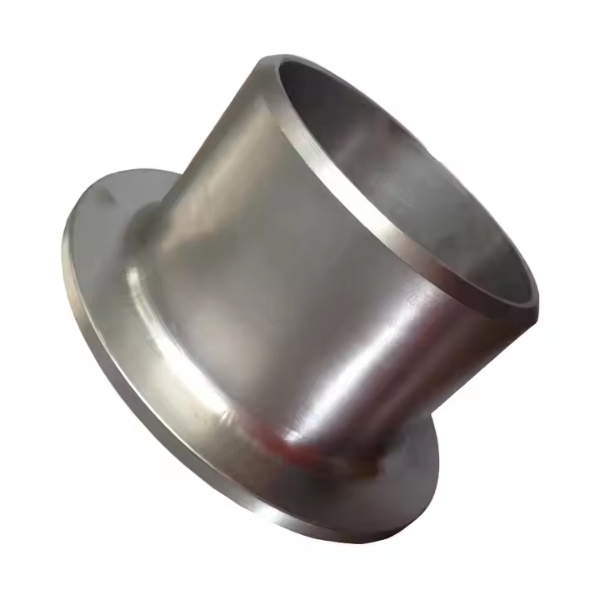
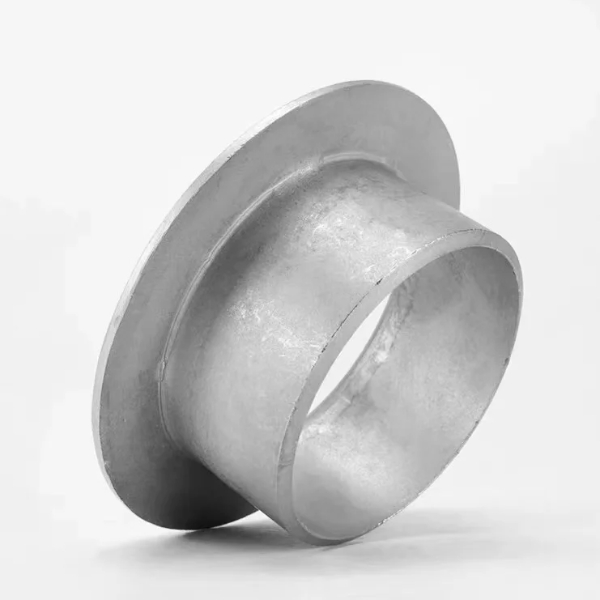
What is Pipe Flanging?
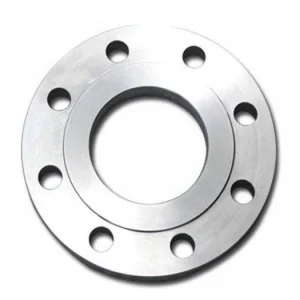
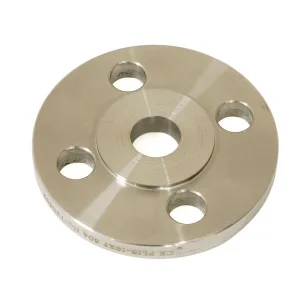
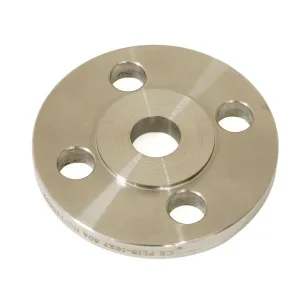
Pipe flanging refers to the process of forming a flange (a protruding rim or collar) at the end of a pipe. This flange can then be bolted to another flanged pipe or equipment, creating a secure, leak-proof connection. The flange typically has bolt holes spaced evenly around its circumference to facilitate this connection.
Types of Flange Connections
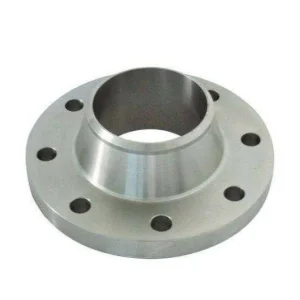
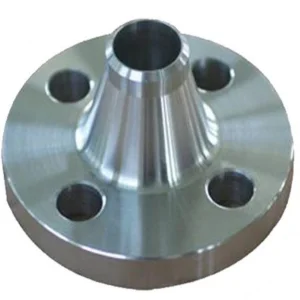
- Weld Neck Flanges: Welded to the pipe with a tapered hub for strength
- Slip-on Flanges: Slid over the pipe and welded on both sides
- Socket Weld Flanges: Used for smaller pipe diameters with fillet welding
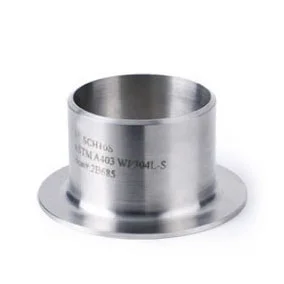
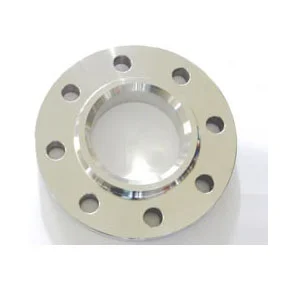
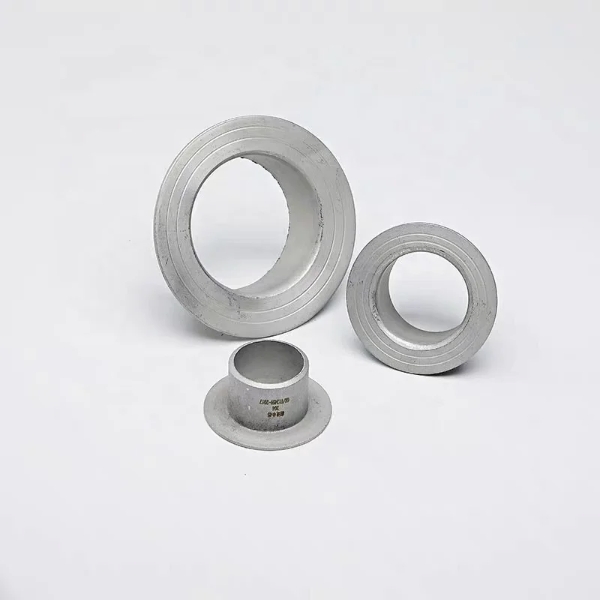
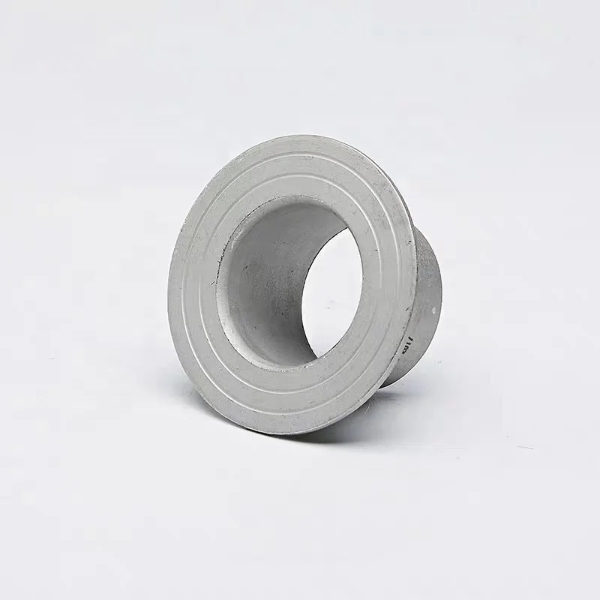
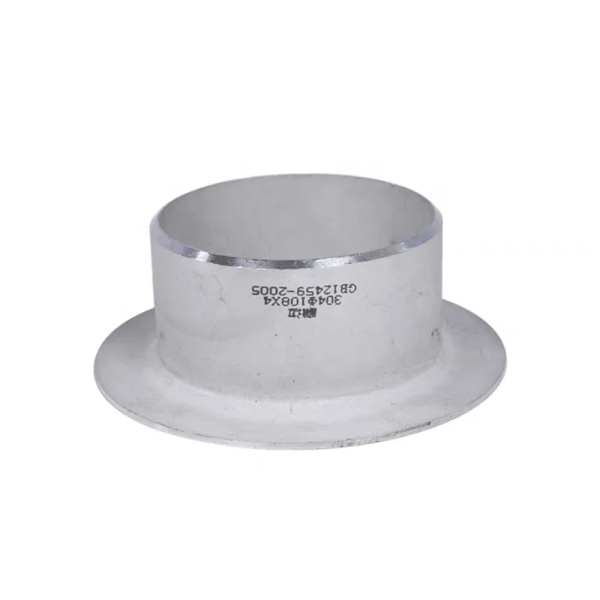
- Lap Joint Flanges: Used with stub ends for systems requiring frequent disassembly
- Threaded Flanges: Screwed onto pipes without welding
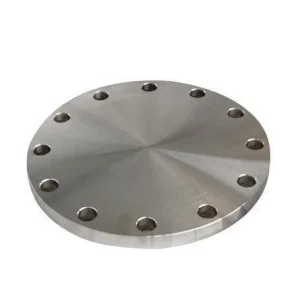
- Blind Flanges: Used to seal the end of piping systems
Applications
Pipe flanging is widely used in:
- Oil and gas pipelines
- Chemical processing plants
- Power generation facilities
- Water treatment systems
- HVAC systems
- Industrial plumbing
Advantages
- Allows for easy assembly and disassembly of piping systems
- Provides reliable, leak-proof connections
- Accommodates different pipe materials and sizes
- Enables easy inspection and maintenance
- Offers flexibility in system design and modifications
The flanging process can be performed through various methods including rolling, forging, or machining, depending on the pipe material, size, and application requirements.
Frequently Asked Questions
What is the main function of pipe flanging?
Pipe flanging creates a protruding rim or collar at the pipe end, allowing pipes to be securely bolted together or connected to equipment for easy assembly, disassembly, and routine maintenance.
What are the primary types of flange connections available?
The main types include Weld Neck, Slip-on, Socket Weld, Lap Joint, Threaded, and Blind Flanges, each tailored to specific piping demands and pressure requirements.
Which industries rely most on pipe flanging?
Pipe flanging is extensively utilized in oil and gas pipelines, chemical processing plants, power generation stations, water treatment facilities, HVAC networks, and industrial plumbing applications.
Why choose flanged connections over permanent welding?
Flanged connections provide the flexibility of quick disassembly for inspection, cleaning, or modification while retaining a reliable, leak-proof seal capable of handling high pressure.
How are pipe flanges manufactured or formed?
Depending on material grade, pipe size, and pressure standards, flanging is typically performed using rolling, forging, or machining processes.