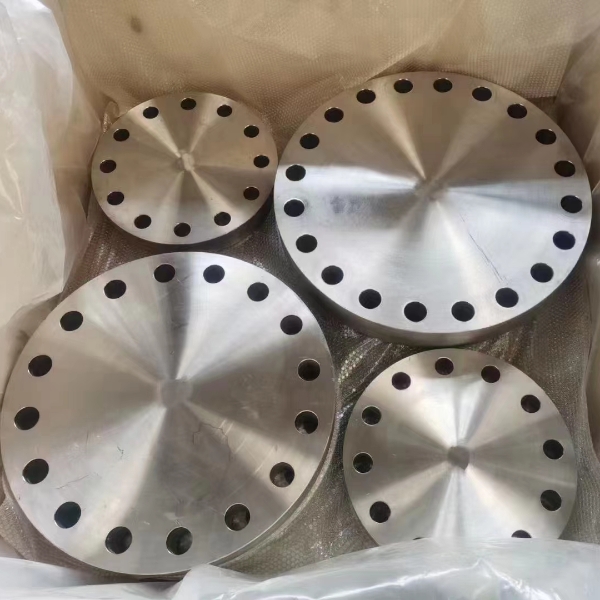
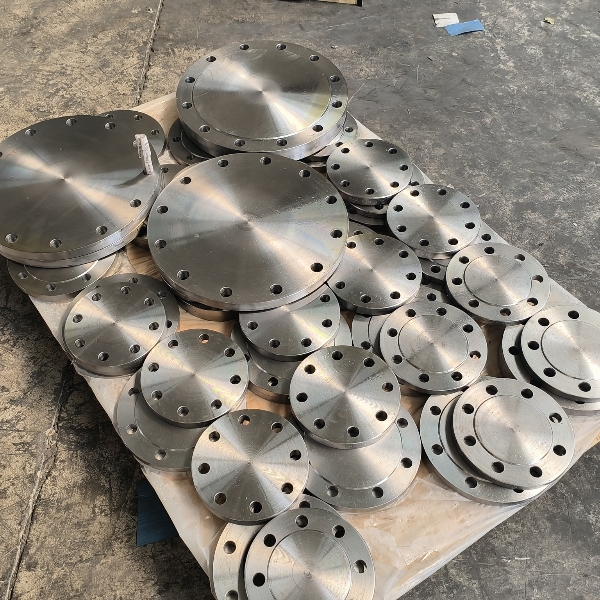
Buy Stainless Steel Blind Flange Product, Products
Product Description
-
1
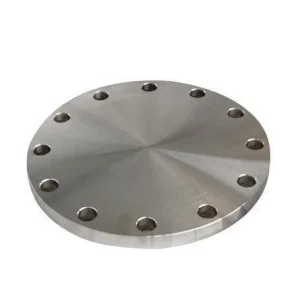
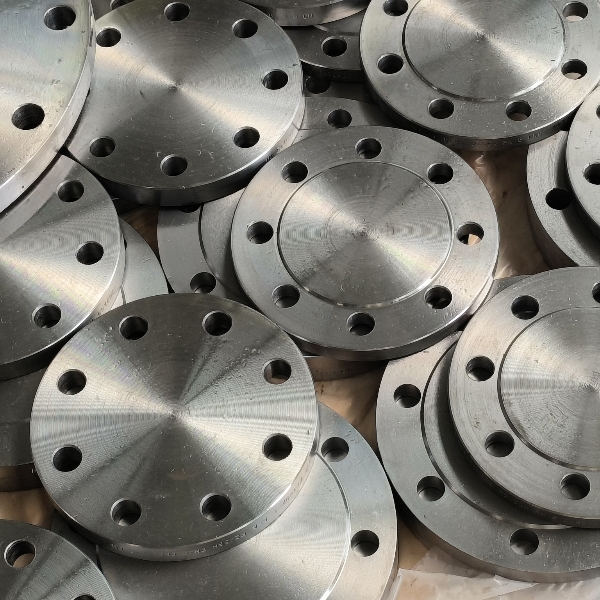
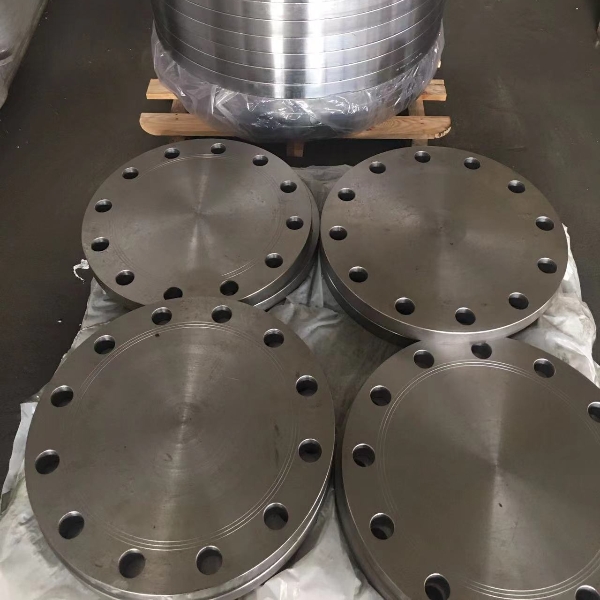
Solid Design – No internal opening, providing a tight seal.
-
2
Pressure Containment – Withstands high pressure, preventing leaks.
-
3
Easy Installation & Removal – Used for maintenance, inspection, or future expansion.
-
4
Material Variety – Available in carbon steel, stainless steel, alloy steel, and other materials.
-
5
Standards Compliance – Manufactured to ASME/ANSI, API, DIN, EN, and other international standards.
| Type | Description |
|---|---|
| Flat Face (FF) | Smooth sealing surface, used with flat gaskets. |
| Raised Face (RF) | Slightly raised surface for better sealing. |
| Ring-Type Joint (RTJ) | Uses a metal ring gasket for high-pressure applications. |
| Threaded Blind Flange | Has internal threads for screwing onto pipes. |
-
ASME B16.5 (Standard for pipe flanges up to 24")
-
ASME B16.47 (Large-diameter flanges)
-
API 6A (For wellhead & Christmas tree equipment)
-
EN 1092-1 (European standard)
A: A blind flange is a specialized pipe flange without a center hole (bore), designed specifically to seal off the end of a piping system, pressure vessel, or valve opening.
A: Key features include a solid design for tight sealing, high pressure containment, easy installation/removal for maintenance, wide material selection (carbon, stainless, alloy steel), and international standards compliance.
A: They are widely used for pipeline termination, pressure vessel and boiler access, system isolation during repair/maintenance, and sealing connections intended for future expansion.
A: Main types include Flat Face (FF), Raised Face (RF), Ring-Type Joint (RTJ) for high pressure, and Threaded Blind Flanges with internal threading.
A: Blind flanges are produced according to major international specifications, including ASME B16.5, ASME B16.47, API 6A, and EN 1092-1.
A: Blind flanges offer reliable safety against leaks, high system versatility across oil, gas, and chemical industries, and a cost-effective design with durable service life.