
High-Yield Industrial Piping & Flange Systems
Precision-engineered components compliant with ASME/ANSI, EN, ISO, and JIS international quality frameworks.
Global Commercial & Industrial Ductile Iron Landscape
Analyzing procurement dynamics, global infrastructure demand, and technical specifications shaping municipal water supply and industrial fluid transfer networks.
Global Infrastructure Expansion & Market Vectors
The global market for Ductile Iron (DI) pipe fittings is experiencing unprecedented expansion, driven by massive urbanization, aging municipal water main replacements, and mega-scale industrial desalination projects across the Middle East, North America, Europe, and Asia-Pacific. Ductile iron fittings—engineered under strict standards such as ISO 2531, EN 545 (Potable Water), EN 598 (Sewerage), and ANSI/AWWA C153/C110—provide an unmatched combination of structural ductility, impact resistance, and high burst-pressure limits compared to legacy gray iron or synthetic polymers.
Leading municipal utilities and EPC contractors prioritize wholesale ductile iron fittings manufacturers that deliver verified metallurgical nodularization rates (>85%), fully compliant flange bolt circles, and automated bitumen or epoxy coating application lines capable of surviving severe soil corrosion matrices.
Total Cost of Ownership (TCO) & Material Economics
When evaluating piping infrastructure investments over a 100-year lifecycle, ductile cast iron demonstrates superior economic value. While raw material procurement costs for HDPE or PVC fittings might appear lower initially, synthetic polymers suffer from thermal creep, low surge pressure tolerance (water hammer vulnerability), and environmental stress cracking over time.
Ductile iron fittings possess a modulus of elasticity of approximately 170,000 N/mm², absorbing massive pressure transients without structural degradation. Combined with flexible joint systems (such as Tyton, K-Type, and Restrained Push-On joints), DI systems drastically reduce civil excavation maintenance costs caused by pipe joint shear in dynamic soils.
Engineering Material Matrix: Ductile Iron vs. Alternative Piping Materials
| Performance Metric | Ductile Iron Fittings (EN545 / AWWA) | Carbon Steel Fittings (ASME B16.9) | HDPE / Polyethylene Fittings | Gray Cast Iron (Legacy) |
|---|---|---|---|---|
| Tensile Strength (MPa) | ≥ 420 MPa | 415 - 580 MPa | 20 - 30 MPa | 150 - 250 MPa |
| Yield Strength (MPa) | ≥ 300 MPa | 240 - 290 MPa | 15 - 22 MPa | No clear yield point |
| Elongation at Break (%) | ≥ 10% (DN80-DN1000) | ≥ 20% | > 350% (Creep prone) | < 1% (Brittle) |
| Surge & Water Hammer Resistance | Exceptional (High Safety Factor) | High | Moderate to Low | Extremely Poor |
| Corrosion Resistance (Soil/Water) | High (With Metallic Zn + PU/FBE) | Requires Active Cathodic Protect. | Inert (Chemical Resistance) | Moderate (Prone to Graphitization) |
| Typical Joint Deflection | 1° to 5° per joint | 0° (Rigid Welded / Flanged) | Flexible (Fused Joints) | Rigid / Mortar Seal |
Metallurgy, Coating Technologies & Manufacturing Standards
Inside the foundry process: Microstructure optimization, advanced protective linings, and rigorous quality assurance protocols.
Spheroidal Graphite Microstructure
Ductile iron derives its unique mechanical properties through the introduction of magnesium alloy treatments into molten base iron (low sulfur, low phosphorus content). This process transforms brittle graphite flakes into perfect spherical nodules (Type I & II graphite per ISO 945). This microscopic alteration prevents stress concentration points, giving ductile iron fittings high impact strength, fracture toughness, and superior tensile capabilities equal to carbon steel.
Advanced Internal & External Linings
To withstand aggressive soils and aggressive potable/wastewater fluids, our fittings are equipped with specialized multi-layer linings. External protection includes Zinc-Aluminium (85/15) alloy coatings (200 g/m² to 400 g/m²) finished with blue/black synthetic resin or Polyurethane (PU). Internal linings feature blast-furnace cement mortar (Portland cement, Sulfate-Resistant cement, or High-Alumina cement per ISO 4179) or Fusion-Bonded Epoxy (FBE) applied via electrostatic fluid beds.
Hydrostatic & NDT Quality Assurance
Every batch of wholesale ductile iron fittings undergoes rigorous QA/QC inspection protocols before export clearance. This includes 100% factory hydrostatic pressure testing (up to 50 Bar depending on nominal size), ultrasonic wall thickness measurements, magnetic particle testing for surface imperfections, and destructive metallographic micro-sectioning to verify matrix ferritic/perlitic ratios and nodule counts.
Technological Roadmap & Next-Generation Pipeline Engineering
Discover how smart metallurgy, trenchless joint design, and AI-assisted foundry processes are reshaping fluid transmission infrastructure.
Integration of rare-earth elements into the magnesium inoculation process, producing ultra-fine graphite nodules that boost impact toughness at sub-zero ambient temperatures (-30°C).
Application of dual-component 100% solid solvent-free polyurethane coatings integrated with micro-encapsulated corrosion inhibitors to automatically seal micro-abrasions during trench backfilling.
Development of high-deflection restrained push-on joints (up to 5° angular movement + 20mm axial expansion/compression flexibility) capable of surviving Class 4 earthquake ground deformations.
Embedding acoustic sensors and RFID micro-transponders directly into the DI fitting bell housing, facilitating real-time strain monitoring, cathodic health tracking, and automated leak detection.
Localized Applications & Turnkey Engineering Solutions
Custom-engineered fitting configurations tailored for extreme operational environments across municipal, industrial, and maritime sectors.
Potable Water Distribution Networks
Fittings produced according to EN 545 / ISO 2531 / AWWA C153 specifications. Internally lined with non-toxic, WRAS/NSF-61 certified Portland or High-Alumina cement mortar to eliminate bio-film build-up and maintain pristine water purity across multi-kilometer municipal transmission lines.
Municipal Sewage & Mining Slurry
Engineered to EN 598 standards for aggressive, low-pH wastewater, septic fluids, and abrasive mining tailing lines. Features thick High-Alumina Cement (HAC) internal linings or cross-linked Polyurethane (PU) to provide maximum hydraulic abrasion resistance.
Desalination Plants & Heavy Industry
Specifically engineered for high-salinity seawater intake and heavy chemical process lines. Coated internally and externally with electrostatically applied 300+ micron Fusion-Bonded Epoxy (FBE) or liquid epoxy, providing robust protection against localized chloride pitting.
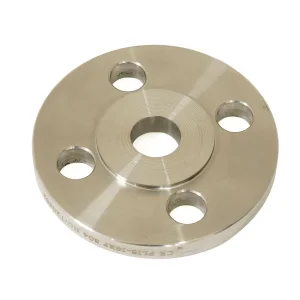
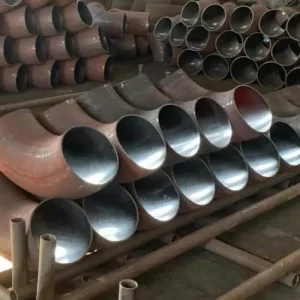
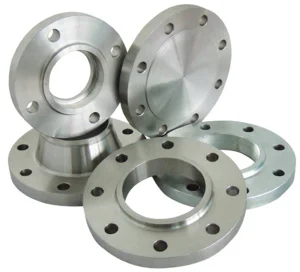
Comprehensive Industrial Fitting & Flange Inventory
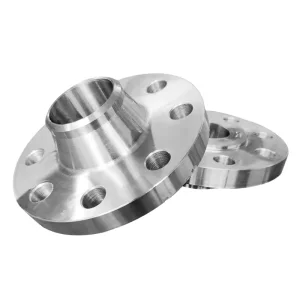
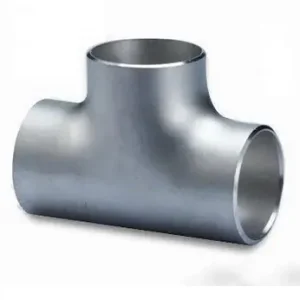
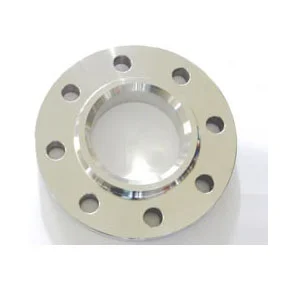
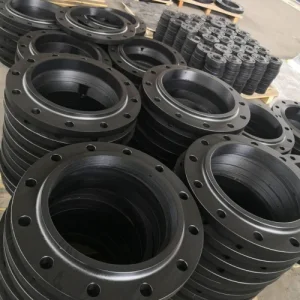
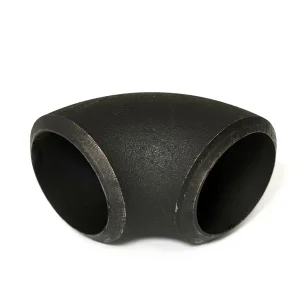
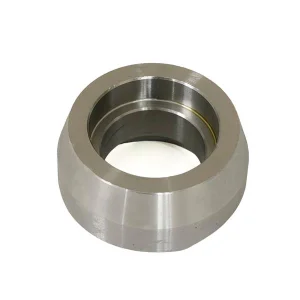
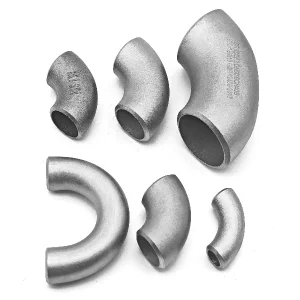
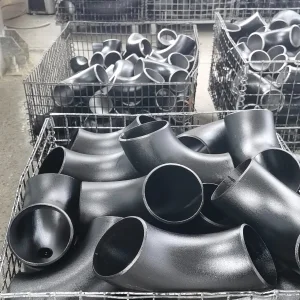
Explore our secondary tier of high-yield carbon, stainless, alloy steel, and ductile fittings engineered for global EPC procurement schedules.

Frequently Asked Engineering & Procurement Questions
Expert technical answers regarding manufacturing standards, joint selection, pressure ratings, and quality verification for wholesale piping orders.
What is the primary technical distinction between ISO 2531, EN 545, and EN 598 for Ductile Iron Fittings?
ISO 2531 is the overarching international standard governing ductile iron pipes, fittings, and accessories for pressure pipelines. EN 545 is tailored specifically for water application systems (potable water mains), incorporating non-toxic internal linings such as Portland cement and WRAS/NSF certified coatings. EN 598 is dedicated to sewerage and municipal wastewater applications; it dictates heavy-duty internal linings—specifically High-Alumina Cement (HAC)—to resist chemical abrasion and acidic fluids (pH range 3 to 12) along with external zinc-aluminium coatings topped with a red epoxy/polyurethane finish.
How do Tyton (Push-on) and Mechanical Joints (MJ) compare in terms of pressure rating and installation?
Tyton (Push-on) Joints utilize a single elastomeric gasket seated inside the internal socket bell. They allow rapid field assembly—simply lubricate and push the spigot into the socket. Tyton joints allow flex angles between 1° to 5° and handle high working pressures up to PN40 (depending on diameter). Mechanical Joints (MJ) use a gland follower, T-head bolts, and a separate rubber gasket. While requiring more manual bolt torquing during trench assembly, Mechanical Joints provide superior mechanical restraint in high-vibration areas and permit easy fitting replacement during main overhaul.
Why is Metallic Zinc Spray (200 g/m²) essential for buried Ductile Iron pipeline fittings?
When ductile iron is buried in aggressive soil environments, metallic zinc coatings perform a crucial dual-action galvanic protective role. First, the zinc acts as a sacrificial anode, corroding preferentially to protect the structural iron underneath. Second, as the zinc oxidizes, it reacts with soil moisture to form an insoluble, dense layer of zinc basic salts (hydrozincite). This self-healing chemical barrier seals small scratches or soil-abrasion damage sustained during pipe-laying operations.
What testing documentation is provided with wholesale orders to ensure full project compliance?
Every shipment is accompanied by a full EN 10204 3.1 Material Test Certificate (MTC) detailing chemical ladle analysis (C, Si, Mn, P, S, Mg contents), mechanical tensile test results (Tensile Strength ≥ 420 MPa, Yield Strength ≥ 300 MPa, Elongation ≥ 10%), nodularization percentage report (>85%), hydrostatic pressure test certification, dry film thickness (DFT) measurements for epoxy/zinc linings, and dimensional inspection logs certified by independent inspection agencies (SGS, BV, TUV upon request).
Can Ductile Iron Fittings be connected directly to Carbon Steel or Stainless Steel flanged valves?
Yes, provided the flange drilling dimensions match the required pressure standard (e.g., ASME B16.5 Class 150/300, EN 1092-2 PN10/PN16/PN25, or JIS B2220). When connecting dissimilar metals (such as Ductile Iron to Stainless Steel or Carbon Steel), dielectric insulation gasket kits (isolating sleeves and washers) are strongly recommended to prevent galvanic corrosion cells caused by direct metallic contact in humid or submerged environments.