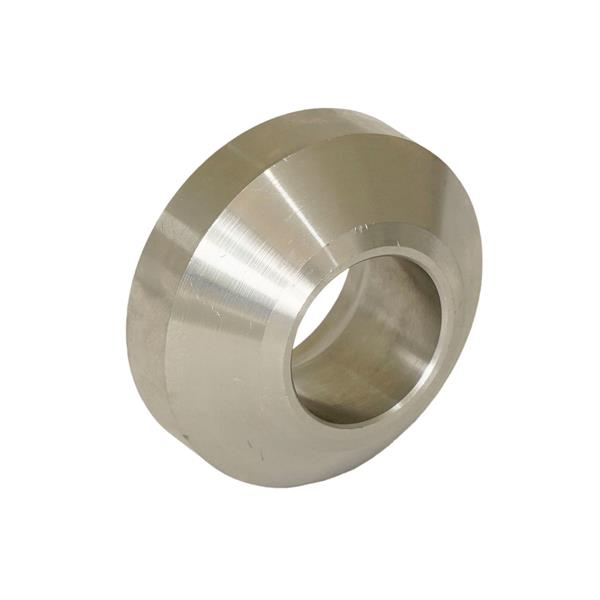
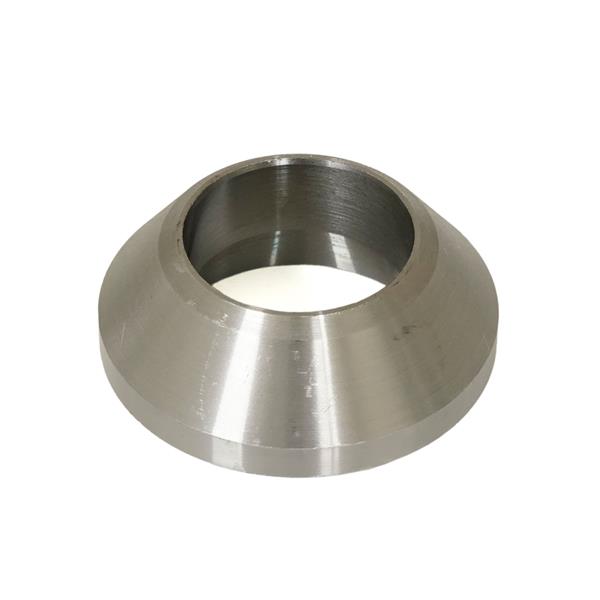
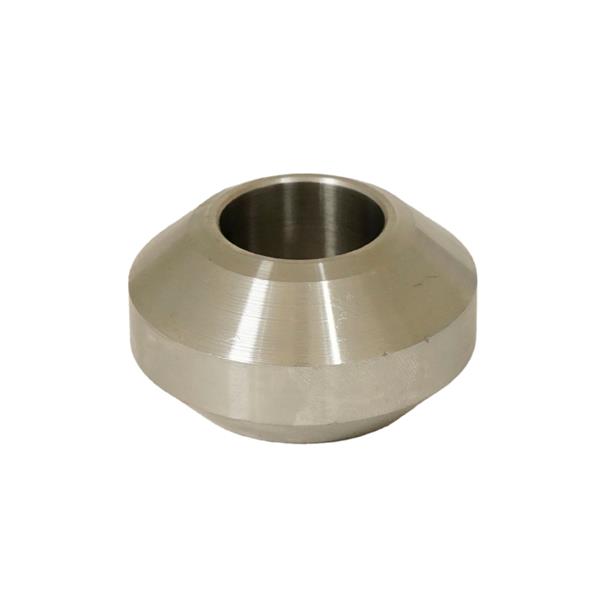
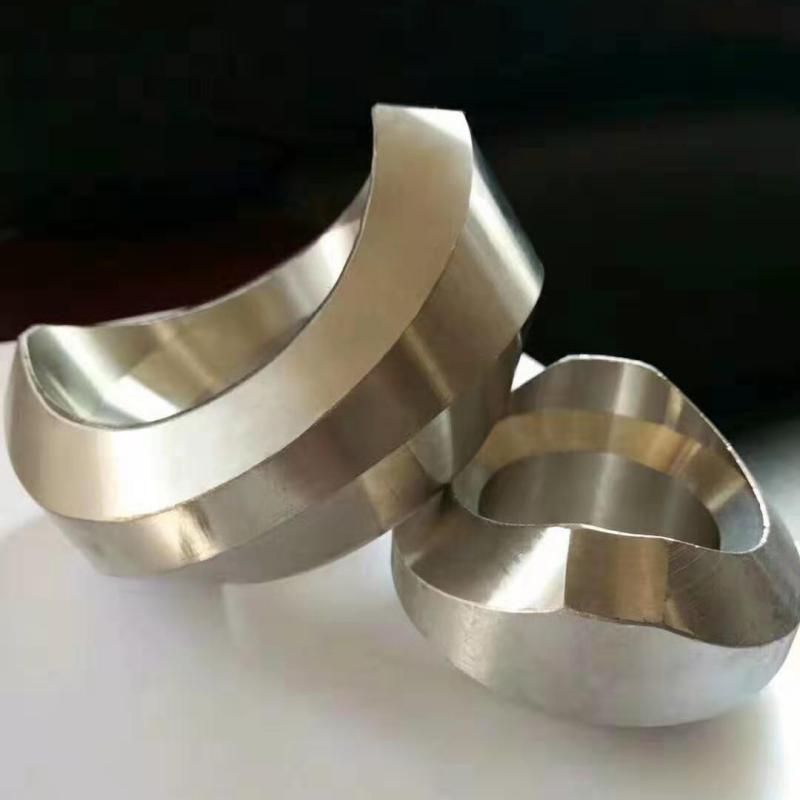
Discount Outlet Fittings ASME Socket Weld Fittings Factories, Exporter
Product Description
The body of the branch pipe is made of high-quality forgings, crafted from the same material as the main pipe (including carbon steel, alloy steel, stainless steel, etc.). The branch pipe seat and the main pipe are connected by welding. The connection with the branch pipe or other equipment (such as short pipes, wire plugs, instruments, valves) features three primary types: butt welding connection, socket welding connection, and threaded connection. Common manufacturing standards include MSS SP-97, GB/T19326, and other industry specifications.
Composition Technique
-
1. Forging & Structure: The welded branch pipe platform is generally processed by integral forging. Its structure is divided into the main connecting end, the strengthening part, and the branch pipe connecting end.
-
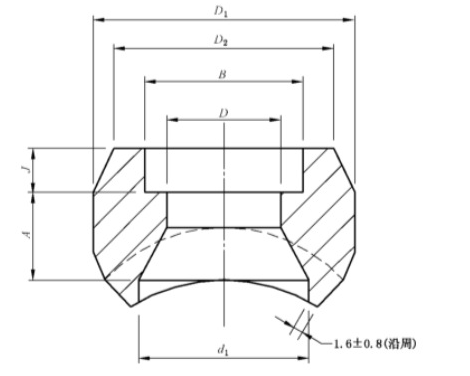
2. Welding Process Evaluation: The groove of the branch pipe platform weld is a single V-groove. The weld format is determined as a combination of a butt weld (groove weld) and a fillet weld.
-
3. Welder Qualification Requirements: Welders shall obtain related project qualifications in accordance with the "Special Equipment Welding Operators Assessment Rules". Considering pipe outer diameter coverage, the groove surface diameter of the branch pipe table (branch pipe outer diameter) is evaluated, while the main pipe diameter is excluded. When a transition bevel exists, the groove surface diameter refers to the actual measured diameter. Welders holding a 6G tube certificate are qualified to perform this combination weld.
Classification & Types
The most common branch connection. The end is bevelled and welded to a straight pipe, functioning as a butt-welded fitting. Designed to minimize stress concentration and provide overall reinforcement. Pressure levels include STD, XS, and Sch160.
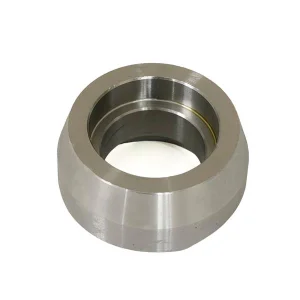
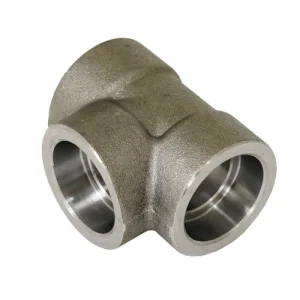
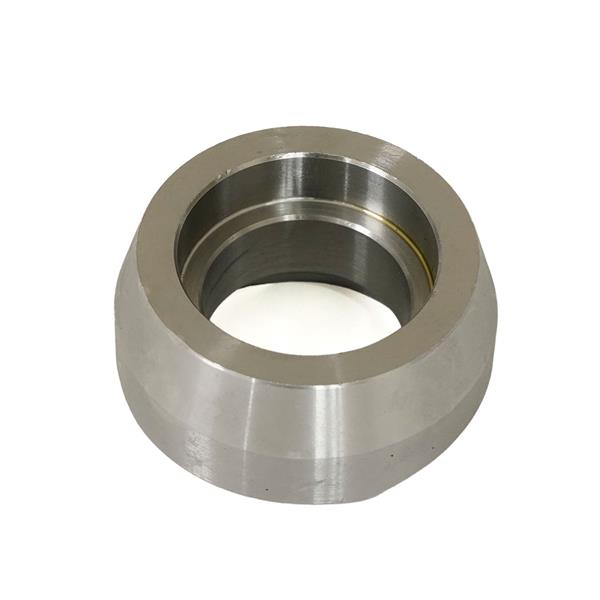
Shares the same base design as the butt welding branch table, but branches are connected via socket and insert welding. Available in two standard pressure ratings: 3000# and 6000#.
Utilizes the same base structure as the butt welding platform, but features a threaded branch connection that eliminates the need for welding. Available in 3000# and 6000# pressure classes.
Designed specifically for 45° branch connections. Branch pipe connections can be executed via butt welding, socket welding, or threaded connections.
Used to establish branch connections directly on long radius or short radius elbows. Supports butt welding, socket welding, and threaded connections.
Frequently utilized for valve installation and exhaust systems. Available in XS and XXS thickness grades, ranging in length from 3.1/2" to 6.1/2", with a jack or external thread end.
Features a wavy shape with overall reinforcement. It is butt-welded to the branch pipe and is typically applied in low-pressure piping systems.