1 / 5
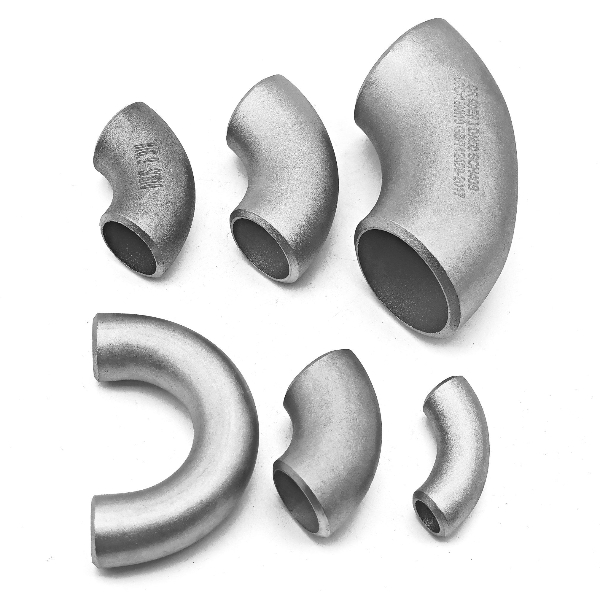
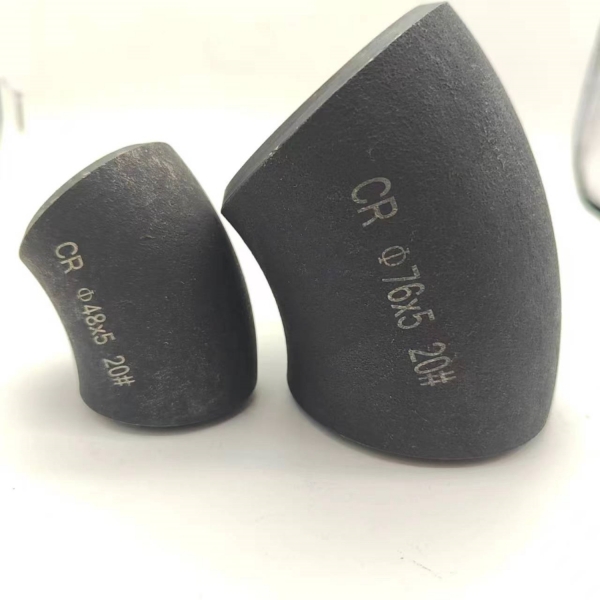
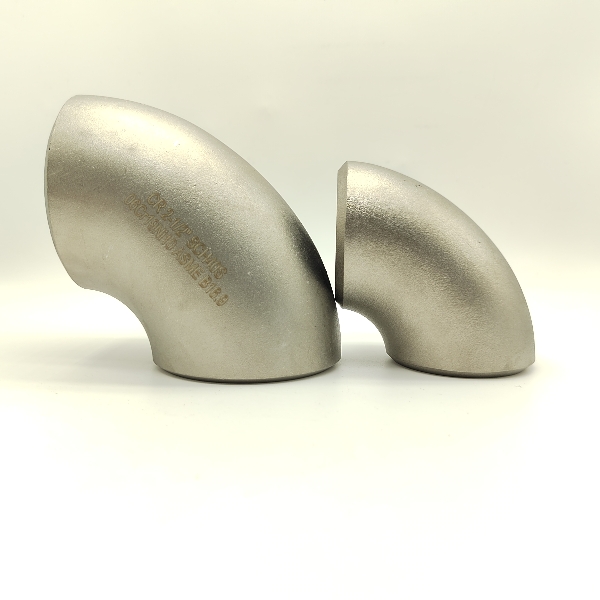
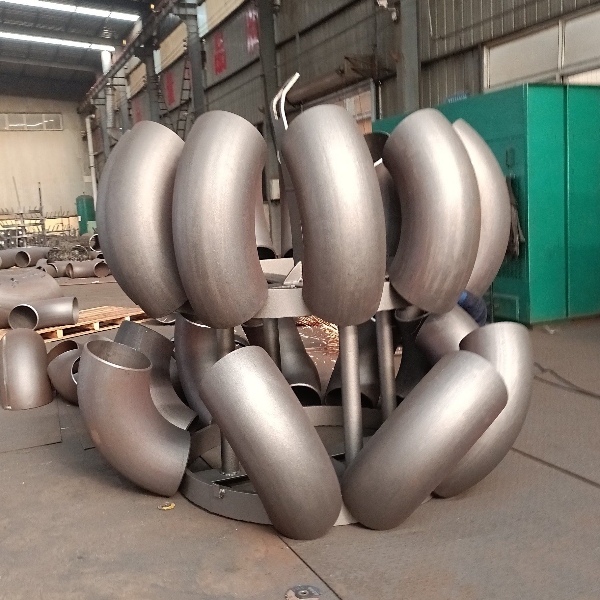
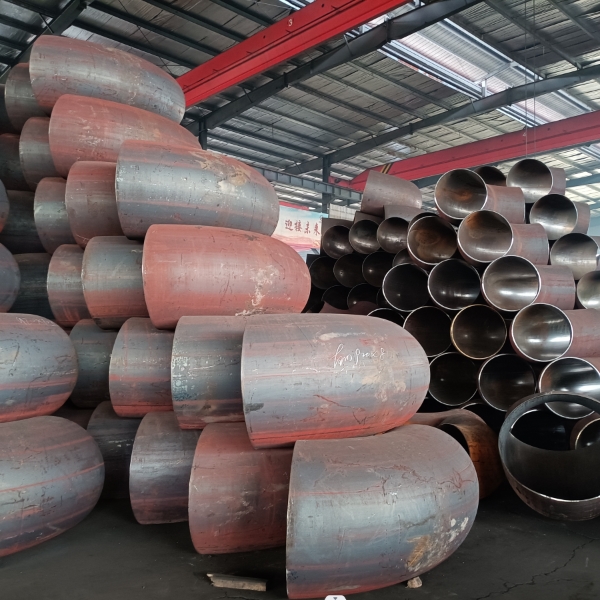
Discount Stainless Steel Sanitary Butt Weld Fittings Eccentric Elbow Tee Pipe Fitting Suppliers, Products
Product Description
1. Applications
Oil & gas pipelines
Chemical processing plants
Water supply systems
HVAC systems
Food & pharmaceutical industries
2. Standards & Specifications
Common standards for manufacturing elbows include:
ASME B16.9 (Factory-made butt-weld fittings)
ASME B16.11 (Socket-weld & threaded fittings)
ASTM A234 (Carbon/alloy steel fittings)
ANSI/ASME B16.5 (Flanged elbows)
3. Key Considerations When Selecting an Elbow
Flow requirements (minimizing pressure drop)
Pressure & temperature rating
Corrosion resistance
Installation method (welded, threaded, flanged)
Frequently Asked Questions (FAQ)
Q1: What are the primary applications of industrial pipe elbows?
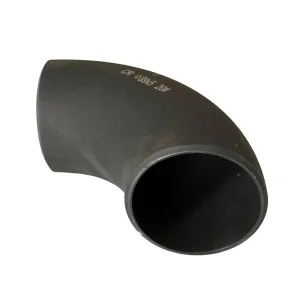
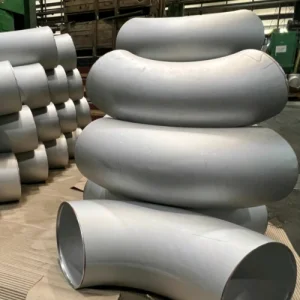
Pipe elbows are essential components used to change fluid direction in critical industries including oil & gas, chemical processing plants, municipal water supply, HVAC systems, as well as food and pharmaceutical manufacturing.
Q2: What is the main difference between ASME B16.9 and ASME B16.11 standards?
ASME B16.9 covers factory-made wrought butt-welding fittings suitable for high-pressure seamless connections, whereas ASME B16.11 governs socket-welded and threaded fittings typically used for smaller pipe diameters.
Q3: Why are flow requirements important when selecting an elbow?
Proper elbow selection minimizes pressure drops and flow turbulence inside the piping system, ensuring efficient fluid transport and prolonging system lifespan.
Q4: What material scope does the ASTM A234 specification cover?
ASTM A234 specifies wrought carbon steel and alloy steel pipe fittings designed for moderate and high-temperature service environments.
Q5: Which installation methods are commonly available for pipe elbows?
Common installation methods include butt-welding, socket-welding, threaded connections, and flanged joint connections based on pressure ratings and application needs.