
Featured Precision Piping & Connection Components
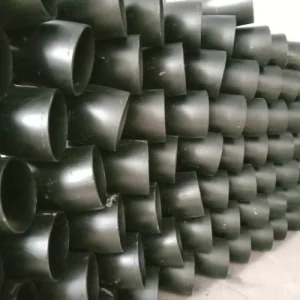
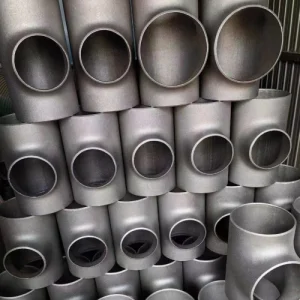
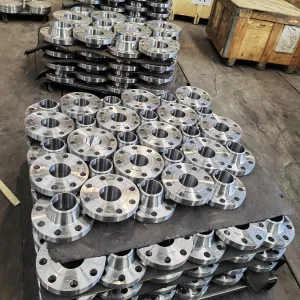
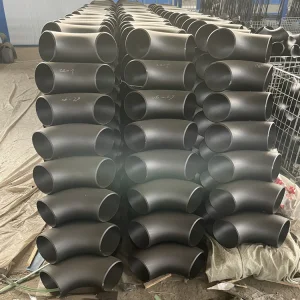
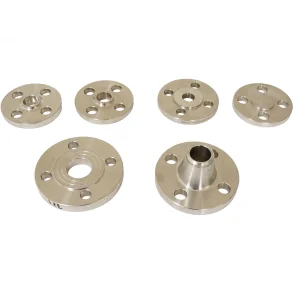
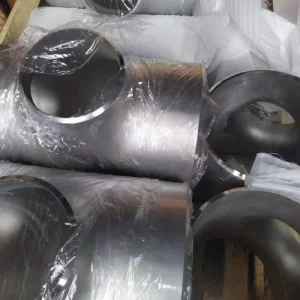
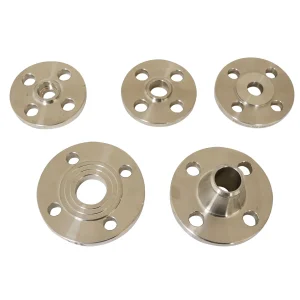
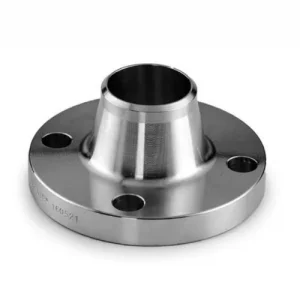
Explore our enterprise-grade selection of engineered fittings, seamless elbows, structural tees, and industrial flanges designed for extreme pressure and zero-leakage environments.
1. Executive Overview: Mechanics of Push To Connect Fittings
In modern industrial automation, process control, and fluid power engineering, the operational efficiency of pneumatic and hydraulic transport systems relies heavily on the connection mechanisms used. Push To Connect Fittings (also known as push-in fittings or quick-connect couplings) represent a major advancement over traditional threaded or compression-style pipe joints. By enabling tool-free, instant manual insertion of polyurethane, nylon, PTFE, or stainless steel tubing, these components dramatically reduce assembly time, eliminate cross-threading risks, and maintain full pneumatic integrity under dynamic pressure cycles.
The core mechanics of a high-performance push-to-connect fitting depend on an integrated mechanical retention collet (stainless steel lock claw) combined with an elastomeric seal ring (NBR, FKM, or EPDM). Upon tube insertion, the internal stainless steel teeth flex inward, allowing the tube to pass seamlessly until it bottoms against the internal mechanical stop. When internal pressure builds or external pulling force is applied, the angled claw teeth grip the outer diameter (OD) of the tubing tighter, achieving a high-tensile hold without constricting internal bore diameter or restricting flow coefficients (Cv).
Instant Deployment
Reduces assembly time by up to 75% compared to NPT/BSP compression fittings. Eliminates torque wrenches, thread sealants, and manual deburring dependencies on assembly lines.
Zero-Leak Integrity
Precision-molded captive O-rings provide dual-stage sealing (vacuum down to -750 mmHg and positive operating pressures up to 20 bar/290 PSI) across wide thermal ranges.
Full Reusability
The quick-release push sleeve compresses the internal collet claw uniformely, releasing the tube instantly without scoring or causing permanent wall deformation.
2. Push To Connect Fittings: Technology Roadmap & Future Outlook
As global manufacturing shifts toward Smart Industry 4.0, hyper-automation, and modular processing units, connection infrastructure must advance beyond passive mechanical holding. Modern technology roadmaps focus on polymer science improvements, surface treatment innovations, micro-miniaturization, and integrated sensory capabilities.
Material Innovations & Extreme-Environment Polymers
Future pneumatic systems operate under higher temperatures, aggressive chemical contact, and sterilizing washdowns. Next-generation push-to-connect engineering utilizes nickel-plated forged brass, 316L stainless steel alloys, and FDA-compliant PBT/PPS resins. Fluorocarbon (FKM) and Perfluoroelastomer (FFKM) seals are now incorporated directly into standard production lines, raising thermal thresholds up to +200°C (+392°F) while handling corrosive alkaline and solvent streams.
IoT Sensor Integration & Predictive Telemetry
Leading the future of fluid transport is the "Smart Fitting" paradigm. By embedding micro-electromechanical pressure and flow sensors directly into the body of brass or stainless steel quick-connects, plant operators can monitor pressure drops, flow turbulence, thermal shifts, and micro-vibrations in real time. Wireless protocol integration (IO-Link, WirelessHART) enables early leak detection, stopping pressure losses before system downtime occurs.
| Material Variant | Standard Pressure Range | Thermal Operating Range | Recommended Tubing Media | Primary Regulatory Compliance |
|---|---|---|---|---|
| Nickel-Plated Brass | -0.95 to 20 Bar (-13.7 to 290 PSI) | -20°C to +80°C (-4°F to +176°F) | Polyurethane (PU), Nylon (PA6/12), PE | ISO 14743, RoHS, REACH |
| 316L Stainless Steel | -0.99 to 30 Bar (-14.3 to 435 PSI) | -20°C to +200°C (-4°F to +392°F) | PTFE, FEP, Stainless Steel, Braided PA | FDA 21 CFR, NSF/ANSI 51 & 61, PED |
| PBT Composite / Engineering Polymer | 0 to 10 Bar (0 to 145 PSI) | 0°C to +60°C (+32°F to +140°F) | Polyurethane, Soft Nylon, PE | ISO 9001, CE, Commercial Pneumatic |
| Food-Grade POM (Acetal) | -0.95 to 16 Bar (-13.7 to 232 PSI) | -10°C to +65°C (+14°F to +149°F) | Polyethylene (LLDPE), PVC, Nylon | NSF 51, NSF 61, SK Zert, WRAS |
3. Macro-Industry Solutions & Engineered Applications
Fluid control components must be tailored to their specific operating environments. A push-to-connect fitting deployed on an automotive assembly line faces vastly different environmental stress than a component in a biopharmaceutical cleanroom or an off-shore petrochemical rig. Below is an engineering overview of tailored industry solutions.
Automotive & Robotic Assembly
Robotic end-of-arm tooling (EOAT) requires compact, lightweight push-in elbows and tees capable of withstanding millions of high-acceleration flex cycles. Our compact nickel-plated brass series offers full 360-degree swivel orientation, high-retention stainless steel collets, and resistance to weld-spatter damage.
Food, Beverage & Pharmaceuticals
Handling liquid consumables, pure water, or nitrogen blanket gas requires crevice-free internal geometry to prevent bacterial buildup. Our AISI 316L stainless steel push-in fittings feature FDA-compliant Viton seals, smooth internal bore transitions, and resistance to aggressive Clean-in-Place (CIP) caustic washdown chemicals.
Energy, Oil & Heavy Chemical Process
High-pressure auxiliary lines, sampling systems, and pneumatic instrumentation control panels depend on heavy-duty, explosion-proof metal fittings. Utilizing high-strength carbon steel, A234 WPB elbows, and forged A105 flanges alongside heavy-duty stainless push-connects guarantees long-term durability in volatile ambient environments.
4. China Factory 4.0: Supply Chain Resilience & Manufacturing Precision
The global manufacturing supply chain demands high production capacity, strict dimensional tolerances, and reliable material traceability. As a premier Chinese manufacturer and exporter of pipeline components, forged flanges, butt-weld fittings, and precision pneumatic couplings, our facilities incorporate Factory 4.0 automation systems that ensure consistent manufacturing quality.
- Multi-Axis CNC Machining: High-precision Swiss-type automatic lathes maintain tight thread tolerances (±0.01mm) on every male/female fitting body, ensuring leak-free NPT, BSPT, and BSPP thread profiles.
- Automated Optical Inspection (AOI): 100% inline vision systems scan inner release sleeves, stainless lock claw seating, and O-ring positioning before final packaging, eliminating assembly defects.
- Metallurgical Traceability & Testing: Raw materials (stainless steel rods, carbon steel billets, forged brass) undergo Spectrometer Chemical Analysis and Ultrasonic Flaw Detection. Material Test Reports (MTRs) to EN 10204 3.1 are provided for every batch.
- Inventory Buffer & Express Fulfillment: Over 10,000 standard push-to-connect models, carbon steel elbows, stainless steel tees, and blind flanges are stocked in our automated warehouse, enabling fast dispatch for global project needs.
5. Localized Support & Regulatory Compliance Assurance
Navigating global trade, customs compliance, and technical regulations requires a supplier with strong international experience. As an established global exporter, we provide clear documentation, certified production standards, and localized technical sales support across North America, Europe, the Middle East, and Southeast Asia.
International Regulatory Certification
Our manufacturing processes comply with strict international quality standards. Production is certified under ISO 9001:2015 for Quality Management Systems. Products comply with Pressure Equipment Directive (PED 2014/68/EU), RoHS Directive 2011/65/EU, REACH EC 1907/2006, and NSF/ANSI Standards 51 & 61 for potable water and food contact systems.
Export Logistics & Freight Surcharge Planning
International shipping costs and port disruptions require proactive logistics management. Our dedicated export department tracks real-time freight trends across major ocean carriers (CMA CGM, MSC, Maersk). We offer flexible shipping terms (FOB, CIF, DDP, DAP) and optimized container loading to minimize transport costs and prevent port delays.
6. Global Enterprise Procurement: TCO & RFQ Optimization
For enterprise procurement directors, project managers, and global sourcing specialists, component unit cost is only one factor in Total Cost of Ownership (TCO). Unplanned line downtime, premature seal failure, missing shipping documents, or fitting leaks can quickly outweigh initial purchasing savings. Evaluating key vendor criteria ensures a reliable supply chain:
1. Custom Manufacturing & OEM/ODM
Support for custom dimensions, non-standard thread configurations (Metric, NPT, BSPP, UNF), specialized surface coatings, and custom branding for OEM equipment builds.
2. Comprehensive QA & MTR Delivery
Every export shipment includes complete Material Test Reports (MTRs), hydrostatic test certifications, dimensional check reports, and compliance declarations.
3. Inventory & Order Consolidation
Consolidate orders across push-to-connect fittings, seamless carbon steel elbows, stainless steel tees, and heavy-duty forged flanges into a single, organized container shipment.
Complete Industrial Piping & Valve Catalog Selection
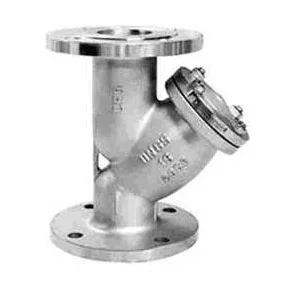
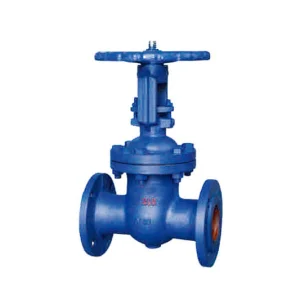
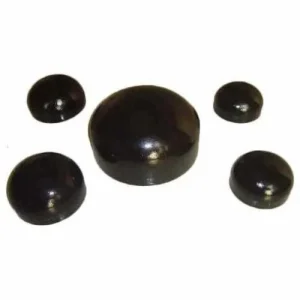
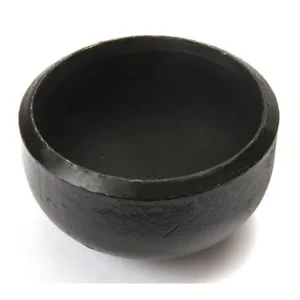
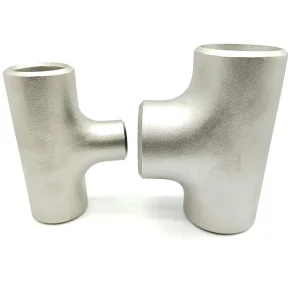
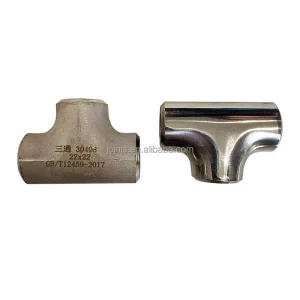
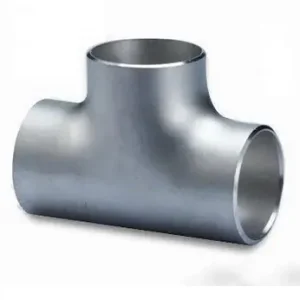
Complete your fluid control and piping assemblies with our direct-from-factory industrial valves, strainers, forged caps, and custom pipe tees.
7. Frequently Asked Questions (Technical & Sourcing FAQ)
Find fast, detailed answers to technical, engineering, and international sourcing questions regarding our push-to-connect fittings, carbon steel pipe components, and export services.
- Nickel-Plated Brass: Best for standard factory automation, compressed air, robotics, and general industrial pneumatic lines (-20°C to +80°C).
- 316L Stainless Steel: Required for aggressive chemicals, high temperatures (up to +200°C), food processing, beverage dispensing, and medical applications.
- Engineering Polymers (PBT/POM): Cost-effective, light-weight option for standard pneumatic control systems and water filtration lines with moderate working pressures.