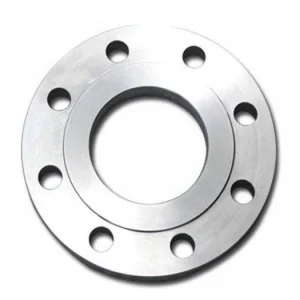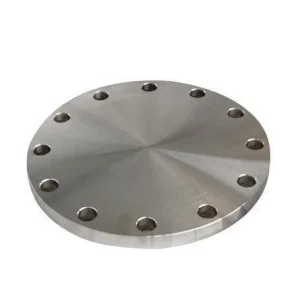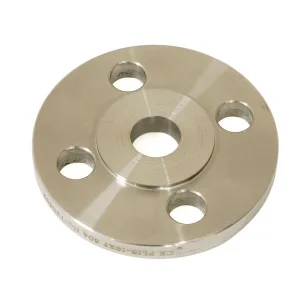
Best Wholesale Slip On Weld Flange Manufacturers, Factories
Product Description
1. Key Features
2. Applications
- Water & wastewater systems
- Oil & gas (low-pressure lines)
- Chemical processing
- HVAC & plumbing systems
- Food & beverage industries
3. Slip-On Flange vs. Other Flange Types
| Feature | Slip-On Weld Flange | Weld Neck Flange | Socket Weld Flange | Threaded Flange |
|---|---|---|---|---|
| Installation | Slides on, welded inside & outside | Butt-welded to pipe | Socket-welded | Screwed onto pipe |
| Strength | Moderate | High (best for high pressure) | Moderate | Low (for low pressure) |
| Cost | Low | High | Medium | Low |
| Pressure Range | Low-Medium | High | Medium | Low |
| Best For | General-purpose, cost-saving | High-pressure/temperature | Small pipes, vibration | Low-pressure, no welding needed |
4. Standards & Materials
- ASME/ANSI B16.5 – Standard dimensions
- ASME B16.47 – Large diameter
- EN 1092-1 – European standard
- AWWA – Waterworks applications
- Carbon Steel (A105) – General industrial use
- Stainless Steel (SS304, SS316) – Corrosion resistance
- Alloy Steel (F11, F22) – High-temperature applications
- Duplex Steel (UNS S31803) – High strength & corrosion resistance
5. Installation Guide
- Slide the flange onto the pipe.
- Align properly before welding.
- Weld the inside (hub) first, then the outside fillet weld.
- Inspect for full penetration to prevent leaks.
6. Advantages & Disadvantages
Advantages
- Lower cost than weld neck flanges
- Easier alignment during installation
- Suitable for low/medium-pressure systems
Disadvantages
- Not ideal for high-pressure/temperature (weaker than weld neck)
- Double welding required (more labor than threaded/socket weld)
Conclusion
Slip-on weld flanges are a practical, economical choice for many piping systems where high pressure is not a concern. They are widely used in water, oil & gas (low-pressure), and chemical industries due to their easy installation and cost benefits.
For high-pressure or critical applications, a weld neck flange is recommended instead.
Frequently Asked Questions (FAQ)
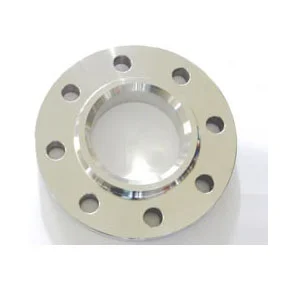
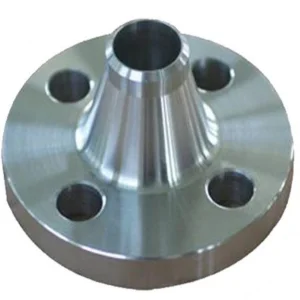
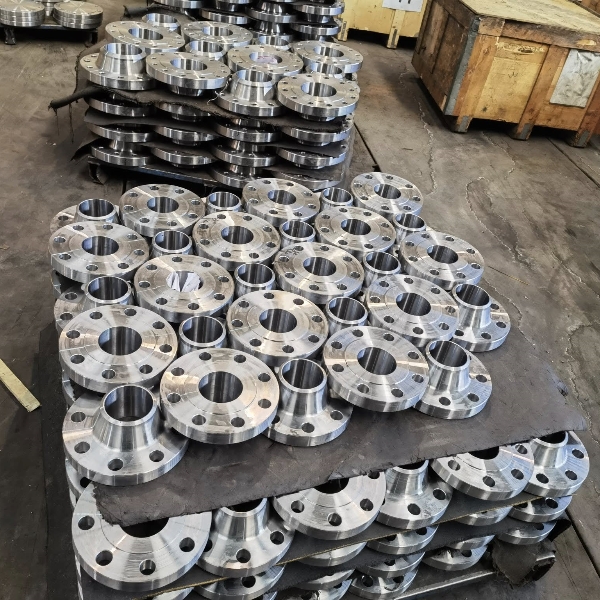
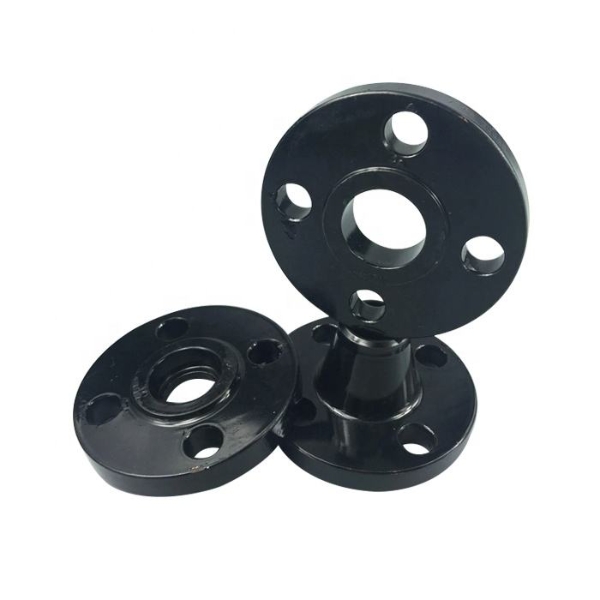
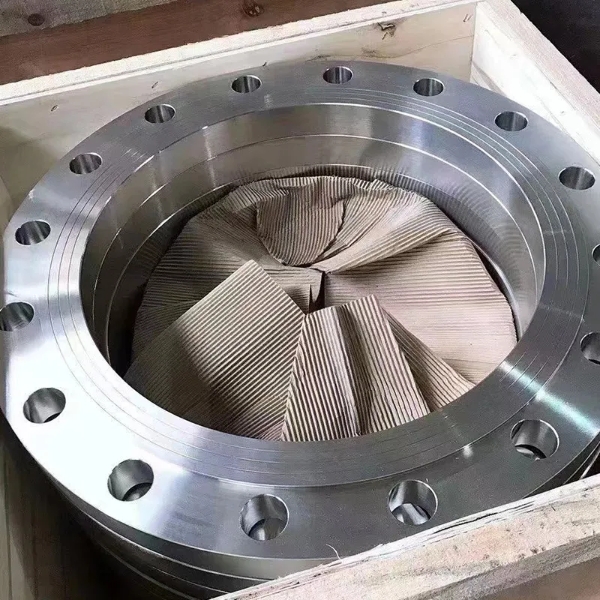
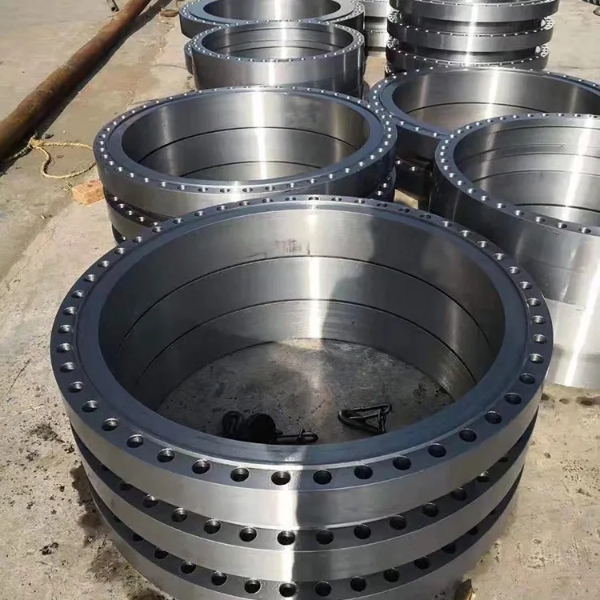
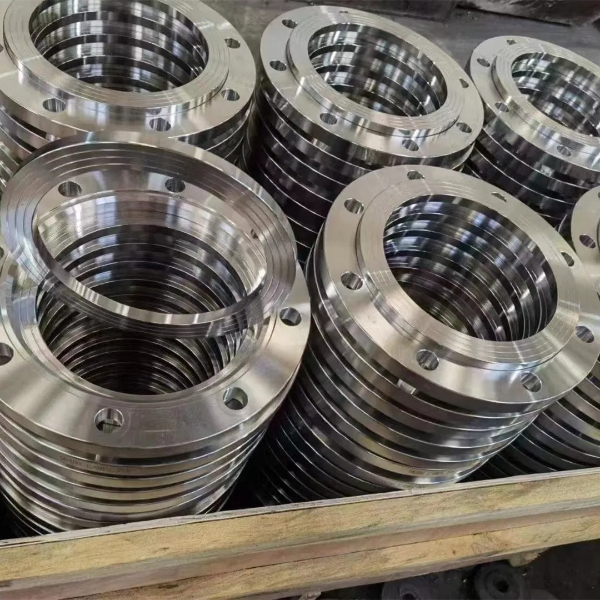
A Slip-On Weld Flange (SO flange) is a pipe flange designed to slide over the pipe end and then be secured in place by welding both inside the hub and outside the flange joint.
Double welding (welding both inside and outside) provides structural integrity and ensures a leak-proof connection capable of handling moderate pressure applications.
Slip-on flanges are typically recommended for low to medium-pressure applications, generally up to Class 600 pressure ratings.
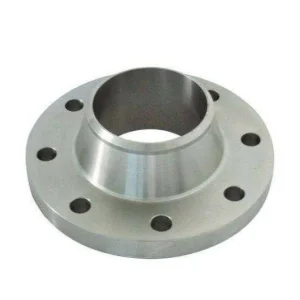
A slip-on flange slides over the pipe and requires double welding, making it lower cost and easier to align. A weld neck flange is butt-welded to the pipe, offering higher strength for high-pressure or temperature conditions.
Common manufacturing standards include ASME/ANSI B16.5 (standard sizes), ASME B16.47 (large diameters), EN 1092-1 (European standard), and AWWA (waterworks applications).
Slip-on flanges are typically manufactured from Carbon Steel (A105), Stainless Steel (SS304, SS316), Alloy Steel (F11, F22), and Duplex Steel (UNS S31803).