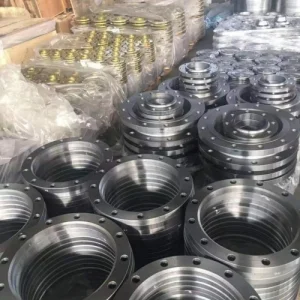
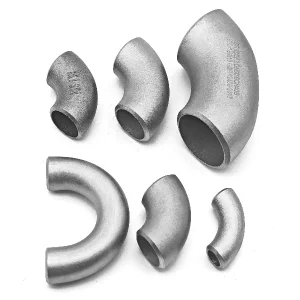
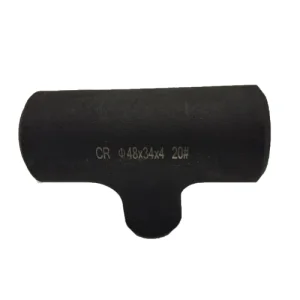
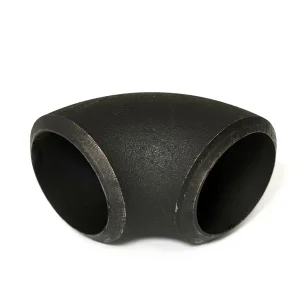
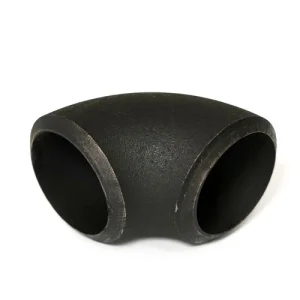
Featured Industrial Piping Solutions
Direct Factory Portfolio & Standardized Component Catalog
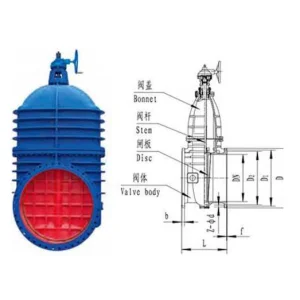
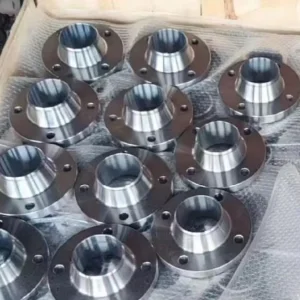
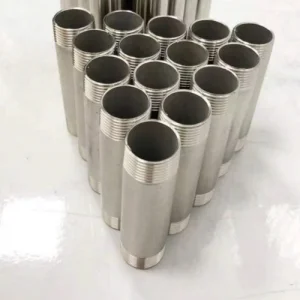
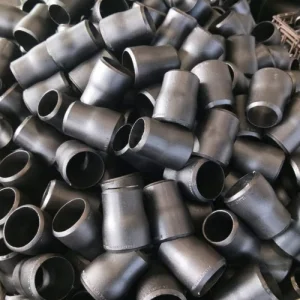
Executive Technical Report: The Science of Modern Brass Fittings
Metallurgical Excellence, Alloy Selection, and System Durability in Critical Fluid Networks
In modern industrial fluid handling, HVAC infrastructure, municipal water systems, and petrochemical auxiliary lines, brass pipe fittings represent a crucial link between rigid pipeline architecture and reliable flow control. Known for superior machinability, high thermal conductivity, low magnetic permeability, and intrinsic corrosion resistance, brass components serve as the gold standard across global industrial projects. As a world-leading famous brass pipe fittings factory, our facility combines heavy-duty hot forging capability with multi-axis CNC machining, ensuring that every elbow, tee, union, reducer, and valve body meets exact international standards.
Metallurgically, brass is a copper-zinc alloy whose performance characteristics can be tailored via precise micro-alloying additions such as lead (Pb), arsenic (As), tin (Sn), aluminum (Al), and silicon (Si). The choice of material dictates systemic resistance to dezincification, stress corrosion cracking (SCC), mechanical fatigue, and galvanic degradation. Below is an engineering comparison of primary industrial brass grades utilized within our state-of-the-art manufacturing plants:
| Standard Grade | UNS / EN Designation | Chemical Composition Key | Primary Mechanical Properties | Ideal Application Scenario |
|---|---|---|---|---|
| CW617N | EN 12165 (CuZn40Pb2) | Cu: 57-59%, Zn: Rem, Pb: 1.6-2.5% | Tensile Strength > 360 MPa, Yield > 250 MPa | Hot forging components, manifold fittings, general HVAC valves |
| CW602N (DZR) | EN 12165 (CuZn36Pb2As) | Cu: 64-67%, Zn: Rem, As: 0.02-0.15% | Dezincification Resistant (ISO 6509 compliant) | Aggressive water, potable water systems, high-chloride environments |
| C36000 | UNS C36000 (Free-Cutting) | Cu: 60-63%, Zn: Rem, Pb: 2.5-3.7% | 100% Machinability Rating, High Yield Strength | Precision CNC turned thread adapters, hex nipples, compression joints |
| C37700 | UNS C37700 (Forging Brass) | Cu: 59-62%, Zn: Rem, Pb: 1.5-2.5% | Excellent Hot Formability, High Crack Resistance | Complex 3D tees, heavy-duty elbows, forged valve bodies |
| Lead-Free Brass | C27450 / CW724R (Eco Brass) | Cu: 62-65%, Silicon/Phosphorus alloyed | Lead < 0.25% (NSF/ANSI 61 & 372 compliant) | Strict potable water drinking networks (US & EU standards) |
In aggressive or soft acidic waters, conventional brass undergoes a selective leaching process where zinc dissolves, leaving behind a porous, mechanically weak copper framework. Our certified CW602N and specialized DZR alloys undergo thermal annealing at 500°C–550°C to stabilize the alpha-phase structure, limiting zinc leaching depth to under 100 microns per ISO 6509 testing.
Technical Roadmap & Advanced Manufacturing Methodology
From Raw Billets to Fully Certified Industrial Fittings: Process Engineering Breakdown
1. Automated Hot Press Forging
Utilizing high-speed automatic friction screw presses ranging from 160 to 600 tons, brass billets are heated via induction furnaces to precise temperatures (680°C - 750°C). This eliminates internal porosity, optimizes grain structure, and ensures structural integrity against high burst pressures.
2. Multi-Axis CNC Precision Turning
Forged blanks undergo transfer-machine processing and multi-axis CNC turning. Threads are precision-machined to exact pitch profiles—including NPT, BSPT, BSPP, and ISO 228-1—achieving tight tolerances (class 6H/6g) that guarantee leak-free assembly with minimal thread sealant.
3. Stress Relief & Surface Treatment
To eliminate residual stress induced during cold working or machining, fittings undergo continuous mesh-belt furnace annealing. Surface finishing includes shot blasting, electro-less nickel plating, or chrome plating to enhance chemical resistance and visual appeal.
Localized Application Scenarios & Industrial Fit
Engineered Solutions Custom-Tailored for Global Sector Challenges
The versatility of brass fittings spans multiple industrial domains. By matching specific alloy chemistries, thread profiles, and pressure ratings to localized site requirements, our factory provides tailored OEM and ODM services worldwide.
1. Commercial Hydronic HVAC & Radiant Floor Heating
In hydronic heating loops and chilled water distribution manifolds, brass fittings are subjected to thermal cycling between -10°C and 110°C. Our forged brass manifolds and compression fittings exhibit minimal coefficient of thermal expansion mismatches when coupled with PEX, PEX-AL-PEX, or copper piping, preventing joint displacement and creep failure over decades of continuous operation.
2. Municipal & Residential Potable Water Delivery
With global regulatory bodies enforcing strict limitations on heavy metal leaching, our factory produces lead-free brass fittings compliant with North American NSF/ANSI/CAN 61 and 372 standards. Utilizing high-copper bismuth/silicon-modified brass alloys, we deliver components that guarantee water purity without sacrificing machinability or strength.
3. Industrial Pneumatic, Gas & Auxiliary Lines
Industrial automation lines require rapid assembly and absolute tightness under vibration. Our double-O-ring push-fit brass connectors, flared fittings (SAE 45°), and compression unions operate seamlessly up to 300 PSI (20 Bar) under intense mechanical vibration, making them ideal for heavy equipment, factory compressed air lines, and inert gas manifold networks.
4. Marine Engineering & Offshore Heat Exchangers
Seawater exposure induces rapid pitting and galvanic attack on inferior metals. By utilizing arsenical DZR brass and tin-alloyed naval brass (C46400), our marine-grade pipe nipples, skin fittings, and sea-cock valve bodies deliver exceptional resistance to bio-fouling and brackish water corrosion.
China Supply Chain Resilience & Cangzhou Industrial Efficiency
Unmatched Ecosystem Integration, Scalability, and Global Export Logistics
Situated within the premier pipeline manufacturing cluster of Cangzhou, Hebei, our factory leverages a fully integrated industrial supply chain network. From raw copper melting and spectrographic scrap refining to precision toolmaking, automated forging, machining, testing, and sea-freight packaging, our operational footprint offers unmatched cost efficiency, scale resilience, and lead-time stability.
Vertical Raw Material Control
Our in-house continuous casting and bar-drawing facilities process virgin electrolytic copper cathode and recycled brass scrap. Real-time Optical Emission Spectroscopy (OES) chemical analysis ensures exact alloy compliance before billet heating.
Tooling & Mold Prototyping
Equipped with high-speed CNC milling and wire-EDM centers, our engineering team manufactures custom forging dies in-house within 5 to 7 business days, shortening new product development cycles for complex OEM specifications.
Logistical & Export Advantage
Located in close proximity to Tianjin Port and Qingdao Port, our facility ensures streamlined container consolidation, expedited customs clearance, and flexible delivery options (FOB, CIF, DDP) worldwide.
Global Regulatory Compliance & Quality Assurance
Rigorous Testing Standards Backed by International Certifications
Quality reliability is non-negotiable in critical pressure systems. Our factory operates under an ISO 9001:2015 Quality Management System, maintaining complete heat traceability from raw material bars to finished boxed product. Every batch of fittings undergoes comprehensive quality checks including:
- Hydrostatic & Pneumatic Bubble Testing: 100% of finished valve bodies and fittings are tested under 0.6–1.6 MPa air/water pressure to guarantee zero pinhole leaks.
- Spectrometric Alloy Verification: X-ray Fluorescence (XRF) analyzers verify alloy chemistry for every heat lot.
- Thread Gauge Calibration: Working plug and ring gauges (Go / No-Go) verify pitch, angle, and taper per ASME B1.20.1 and ISO 7-1 specifications.
- Metallographic Microstructure Analysis: Grain size verification and alpha/beta phase distribution checking ensure optimum ductility and stress resistance.
Frequently Asked Engineering Questions (FAQ)
Deep Technical Answers for Specifiers, Purchasing Managers, and System Engineers
1. What is the difference between DZR brass (CW602N) and standard yellow brass (C36000) in plumbing applications?
Standard yellow brass contains higher zinc concentrations (typically 35–40%), making it susceptible to dezincification in water with high chloride content, low hardness, or acidic pH. Dezincification leaches zinc out of the alloy matrix, leaving a weak copper shell prone to pinhole leaks or structural fracture. DZR brass (CW602N / CuZn36Pb2As) includes precise additions of arsenic (0.02–0.15%) and undergoes heat treatment to eliminate the susceptible beta phase, guaranteeing long-term resistance to selective leaching per ISO 6509 standard tests.
2. How do NPT, BSPT, and BSPP threads differ when ordering brass pipe fittings?
NPT (National Pipe Taper) is the North American standard thread featuring a 60° thread angle and a 1:16 taper; sealing is achieved via mechanical wedging of thread flanks with sealant. BSPT (British Standard Pipe Taper) is common in Europe and Asia, utilizing a 55° thread profile with a 1:16 taper. BSPP (British Standard Parallel Pipe) is a straight thread with a 55° profile that relies on an O-ring, bonded washer, or flat gasket face for pressure sealing rather than thread interference. It is essential not to mix NPT and BSP threads, as pitch and thread angles differ, leading to thread galling or fluid leakage.
3. What pressure and temperature limits apply to forged brass pipe fittings?
Standard brass forged fittings are typically rated for Nominal Pressure (PN) ratings ranging from PN16 (1.6 MPa / 232 PSI) up to PN25 (2.5 MPa / 362 PSI) at ambient temperature (20°C). Working pressure must be derated as system temperature increases. For example, at maximum operating temperatures of 120°C to 150°C, allowable pressure decreases by approximately 20% to 30%. For high-pressure pneumatic or hydraulic applications above 40 Bar (4.0 MPa), heavy-duty forged brass or specialized high-strength copper alloys must be specified.
4. How does your factory prevent Galvanic Corrosion when joining brass fittings to stainless steel or carbon steel pipes?
Galvanic corrosion occurs when two dissimilar metals are electrically connected in the presence of an electrolyte (water). Brass is cathodic to carbon steel, which accelerates steel corrosion. Conversely, brass is anodic to 316 stainless steel in certain aggressive media. To mitigate galvanic action, our engineering team recommends installing dielectric unions or insulating PTFE tape/gaskets. In closed-loop systems, maintaining proper chemical corrosion inhibitors (e.g., glycol with pH buffers) effectively prevents galvanic degradation.
5. What compliance documentation is provided with wholesale orders?
Every shipment from our factory is accompanied by EN 10204 3.1 Material Test Certificates (MTC) stating optical emission chemical analysis, tensile strength, elongation, hardness, hydrostatic test pressure results, and dimensional inspection records. Additional third-party certifications (SGS, BV, TUV) and RoHS/REACH compliance declarations are available upon request prior to vessel loading.
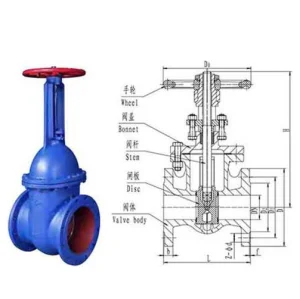
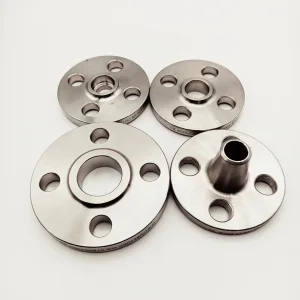
Complete System Flanges & Valve Lineup
Complementary Industrial Pipeline Equipment Manufactured by Cangrun Group