
Featured Piping & Flange Products (Part I)
Explore our high-precision ASME/ANSI, EN/DIN, and JIS compliant industrial components directly manufactured for global energy, chemical, and marine applications.
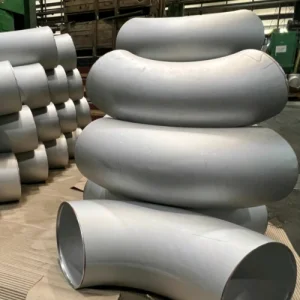
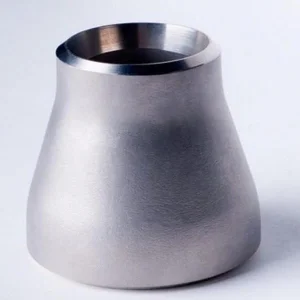
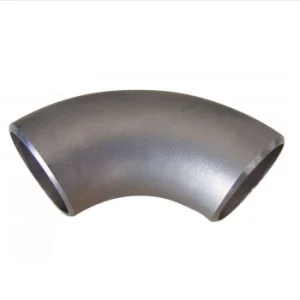
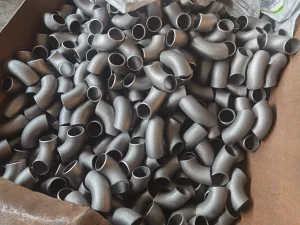
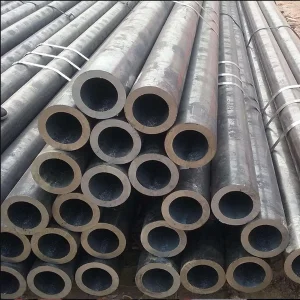
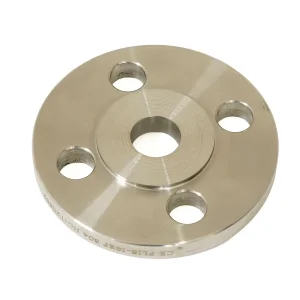
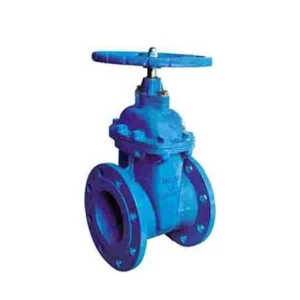
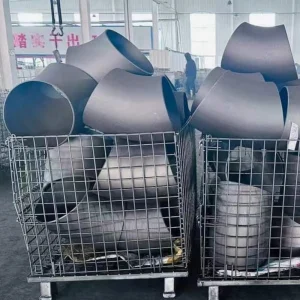
Technical Metallurgy & Material Specifications of SS 316 Flanges
A rigorous engineering analysis of Grade 316 / 316L / 316Ti stainless steel flange chemistry, mechanical integrity, and pressure containment dynamics under ASME B16.5, ASME B16.47, and EN 1092-1 standards.
Austenitic Chemistry & Corrosion Immunity Mechanics
Grade 316 stainless steel (UNS S31600 / Werkstoff 1.4401) is an molybdenum-bearing austenitic stainless steel engineered to deliver vastly superior corrosion resistance compared to conventional 18/8 Chromium-Nickel steels (SS 304). The additions of 2.0% to 3.0% Molybdenum (Mo) dramatically enhance resistance to localized pitting, crevice corrosion, and chloride-induced stress corrosion cracking (SCC).
The Pitting Resistance Equivalent Number (PREN) serves as a critical metric for evaluating performance in marine and chemical environments:
Standard SS 316 flange materials exhibit PREN values ranging from 23.0 to 25.5, ensuring exceptional longevity in brine, acetic acid, and sulfurous environments. For ultra-low carbon specifications, SS 316L (UNS S31603 / 1.4404) limits carbon to ≤ 0.030%, virtually eliminating intergranular carbide precipitation during welding and preserving corrosion immunity in the heat-affected zone (HAZ).
Mechanical Benchmark & Forging Performance
Industrial SS 316 flanges manufactured via high-density forging processes (ASTM A182 Grade F316 / F316L) exhibit refined grain structure and continuous grain flow, preventing micro-porosity and structural fatigue under high-pressure cyclic loading.
- Tensile Strength (min): 515 MPa (75 ksi) for F316; 485 MPa (70 ksi) for F316L.
- Yield Strength (0.2% Offset, min): 205 MPa (30 ksi) for F316; 170 MPa (25 ksi) for F316L.
- Elongation in 2 in. (50mm, min): 30% to 40% ensuring structural ductility under hydrostatic pressure surges.
- Hardness (HBW, max): 187 HBW (Brinell) compliant with NACE MR0175 / ISO 15156 sour gas requirements.
| Material Standard | Carbon (C) | Chromium (Cr) | Nickel (Ni) | Molybdenum (Mo) | Titanium (Ti) | Key Industrial Applications |
|---|---|---|---|---|---|---|
| ASTM A182 F316 | 0.08% max | 16.0 – 18.0% | 10.0 – 14.0% | 2.00 – 3.00% | — | General Chemical Processing, High-Temp Valves |
| ASTM A182 F316L | 0.030% max | 16.0 – 18.0% | 10.0 – 15.0% | 2.00 – 3.00% | — | Heavy-Wall Welded Vessels, Offshore Platforms |
| ASTM A182 F316Ti | 0.08% max | 16.0 – 18.0% | 10.0 – 14.0% | 2.00 – 3.00% | 5x(C+N) to 0.70% | Elevated Temperature (400°C–800°C) Service |
| EN 1092-1 1.4404 | 0.030% max | 16.5 – 18.5% | 10.0 – 13.0% | 2.00 – 2.50% | — | European Petrochemical & Water Networks |
Macro Industry Solutions & Severe Service Application Profiles
High-performance SS 316 flanges are structural cornerstones across severe fluid management environments globally, supporting structural integrity under extreme temperature, pressure, and chemical stress.
Offshore Oil & Gas and Subsea Pipelines
In subsea hydrocarbon extraction and FPSO (Floating Production Storage and Offloading) vessels, piping networks face severe pitting corrosion from marine salinity combined with sour gas (H2S and CO2). SS 316L Weld Neck Flanges and Ring Type Joint (RTJ) Flanges provide leak-tight metal-to-metal sealing capable of enduring hydrostatic pressure exceeding 250 bar at depths up to 3,000 meters.
Petrochemical Refineries & Acid Processing
Refinery units processing high-sulfur crudes require piping systems immune to naphthenic acid and polythionic acid stress cracking. SS 316 / 316Ti Slip-On and Blind Flanges are heavily deployed in hydrocracker units, distillation columns, and flare header lines where working temperatures fluctuate rapidly between ambient and 650°C.
Pharmaceutical & High-Purity Sanitary Bio-Processing
The pharmaceutical industry demands ultra-smooth surface finishes (Ra ≤ 0.38 µm) to eliminate bacterial traps. Electropolished SS 316L Tri-Clamp and Raised Face Flanges comply with ASME BPE standards, ensuring seamless Clean-In-Place (CIP) and Steam-In-Place (SIP) sterilization for WFI (Water for Injection) systems.
Desalination Plants & Marine Engineering
Reverse Osmosis (RO) sea-water desalination plants operate under massive pressure differentials with high chloride concentrations. SS 316L and Duplex 2205 flanges prevent crevice attack beneath flange gaskets, guaranteeing uninterrupted operations across municipal and industrial water generation infrastructures.
LNG Cryogenic Containment & Transport
At cryogenic temperatures (-196°C), carbon steels undergo ductile-to-brittle transition. SS 316 maintains high impact toughness at liquid natural gas (LNG) temperatures. ASME B16.5 SS 316 Weld Neck flanges ensure zero embrittlement failures in LNG regasification plants, storage tanks, and cryogenic carrier vessels.
Nuclear Power Generation & Thermal Loops
Primary coolant lines in pressurized water reactors (PWR) require nuclear-grade SS 316LN / F316 with controlled Cobalt (<0.05%) levels to minimize activation hazards. High-integrity forged flanges undergo 100% radiographic and ultrasonic examination to guarantee zero defect thresholds.
China Industry 4.0: Supply Chain Resilience & Smart Manufacturing
How Cangzhou’s industrial piping hub integrates modern closed-die forging, automated CNC machining, and digitized quality management to deliver unmatched global cost-efficiency.
Automated Precision Forging & CNC Machining Lines
Modern Chinese manufacturing facilities, such as Hebei Cangrun Pipeline Equipment Co., Ltd. and its subsidiaries (Cangzhou Feiwo Metal Products Co., Ltd. & Cangzhou Feixiang Metal Products Co., Ltd.), utilize state-of-the-art hydraulic closed-die forging presses (up to 10,000 tons) and high-precision CNC ring rolling machines.
This automated infrastructure ensures:
- Dimensional Precision: Strict adherence to ASME B16.5 tolerances (facing height ±0.5mm, bolt hole diameter ±0.8mm).
- Flange Facing Texture: Multi-axis CNC lathes generate perfect concentric or spiral serrated raised face (RF) grooves (125–250 AARH / 3.2–6.3 µm Ra) required for optimal gasket sealing.
- Scale Efficiency: High throughput capacity allows concurrent execution of massive EPC purchase orders containing thousands of mixed-size pipe fittings and flanges.
Integrated Cluster Supply Chain & Quality Traceability
The Cangzhou pipeline ecosystem combines raw material ingot casting, thermal forging, heat treatment (solution annealing at 1040°C–1150°C followed by rapid water quenching), machining, and non-destructive testing (NDT) within a 30-kilometer radius.
Key Quality Assurance Pillars include:
- Positive Material Identification (PMI): XRF spectrographic analysis on every single forged piece before dispatch to verify Mo (≥2.0%) and Cr (≥16.0%) content.
- Full NDT Testing: 100% Ultrasonic Testing (UT) for internal void detection and Liquid Penetrant Testing (PT) for surface integrity.
- Traceability: Heat number laser-stamped on flange rims linked directly to EN 10204 3.1 Mill Test Certificates.
Technical Roadmap & Future Outlook of Stainless Steel Flanges
Emerging trends in metallurgical engineering, smart piping infrastructure, additive manufacturing, and sustainable green steel manufacturing shaping the next decade of flange production.
IoT-Enabled "Smart Flanges" & Structural Health Sensors
The integration of micro-piezoelectric sensors and fiber-optic Bragg gratings directly into flange bolt circles and gasket grooves allows real-time monitoring of bolt tension, gasket stress relaxation, micro-leakage, and internal line pressure. This transforms traditional static flange joints into dynamic nodes within predictive maintenance industrial digital twins.
Additive Hybrid Forging (3D Metal Printing)
Direct Energy Deposition (DED) and Selective Laser Melting (SLM) are revolutionizing specialized flange production. Hybrid manufacturing combines conventional forged hubs with 3D-printed internal cooling channels or complex cladding (e.g., Inconel 625 lining on SS 316L base flanges), delivering superior chemical resistance at optimized material costs.
Decarbonized "Green Stainless Steel" Production
Global decarbonization initiatives mandate Scope 1, 2, and 3 emission reductions. Leading Chinese manufacturers are transitioning to Electric Arc Furnaces (EAF) powered by renewable energy and green hydrogen reduction processes, yielding SS 316 flanges with up to 70% lower embodied carbon footprints without sacrificing mechanical purity.
Global Enterprise Procurement Requirements & Technical Evaluation
A structured checklist for EPC contractors, engineering buyers, and QA/QC procurement managers sourcing SS 316 pipe flanges worldwide.
Essential Documentation & Certification Checklist
When issuing Requests for Quotations (RFQ) for high-pressure SS 316 flanges, procurement documentation must mandate the following verified deliverables:
- EN 10204 3.1 / 3.2 Material Test Certificates (MTC): Reporting chemical composition, mechanical test results, heat treatment history, and hardness numbers.
- Pressure Equipment Directive (PED 2014/68/EU) Approval: Mandatory for CE-marked pressure piping destined for European Union member states.
- NACE MR0175 / ISO 15156 Compliance: Certification of maximum hardness levels (<22 HRC) for sour oilfield service environments.
- Third-Party Inspection (TPI) Endorsement: Independent verification from agencies such as SGS, TÜV Rheinland, Bureau Veritas (BV), or Lloyd's Register.
Total Cost of Ownership (TCO) Sourcing Strategy
Evaluating flange suppliers solely on initial unit price often leads to costly project delays or premature field failures. Enterprise buyers optimize TCO by assessing:
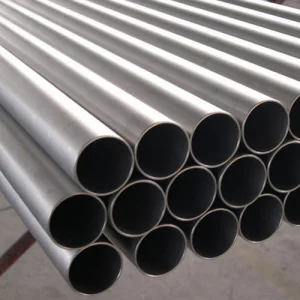
- Package Package Consolidation: Bundling seamless steel pipes, butt-weld fittings (elbows, tees, reducers), forged outlets, and valves with flanges into a single consolidated cargo container to minimize freight overheads.
- Export Packaging Standards: Heavy-duty ISPM-15 compliant wooden cases, plastic cap end-protectors, and rust-inhibiting VCI film wrapping to prevent moisture damage during trans-oceanic shipping.
- Freight Risk Management: Partnering with manufacturers equipped with dedicated export logistics teams capable of navigating carrier surcharges, port congestion, and Incoterms (FOB, CIF, DDP).
Localization Support & Global Regulatory Compliance
Extensive international certification matrix ensuring seamless project integration across North America, Europe, the Middle East, and Asia-Pacific.
North American Compliance
Flanges are engineered to exact ASME B16.5, ASME B16.47 (Series A & B), and MSS SP-44 standards. Canadian Registration Numbers (CRN) are available across all provinces for high-pressure pressure vessel and boiler installations.
European & British Standards
Full compliance with EN 1092-1 (Type 01 Plate, Type 02 Loose, Type 11 Weld Neck, Type 12 Slip-On, Type 05 Blind, Type 13 Threaded) in PN pressure designations (PN6 to PN400) under PED 2014/68/EU Module H certification.
Asia-Pacific & Middle East Norms
JIS B2220 Japanese Industrial Standards (5K, 10K, 16K, 20K, 30K) and Saudi Aramco / ADNOC vendor approval standards for Middle Eastern oil & gas infrastructure projects.
Featured Piping & Flange Products (Part II)
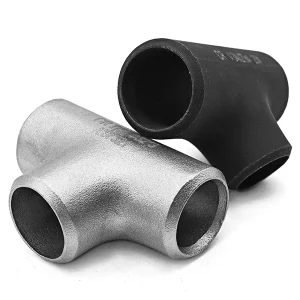
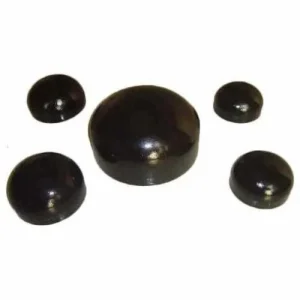
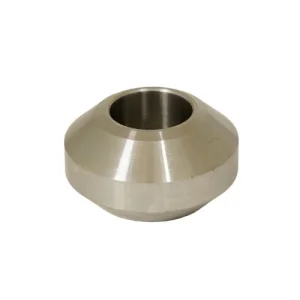
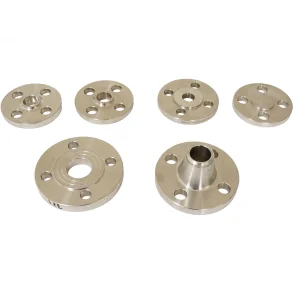
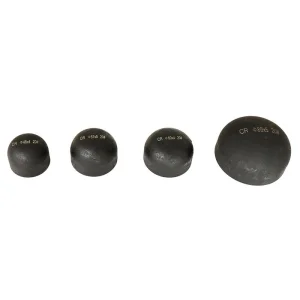
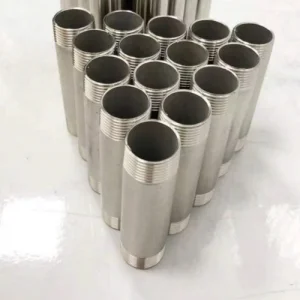
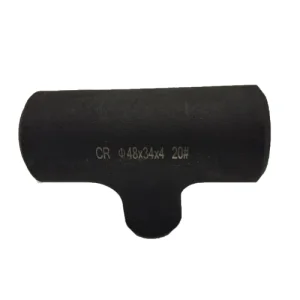
Complete your engineering purchase order with our high-integrity stainless steel tees, weldolets, forged caps, nipples, and industrial valves.
Frequently Asked Questions (FAQ) for Piping Engineers & Procurement Officers
In-depth answers addressing material selection, pressure ratings, welding considerations, and quality assurance protocols for SS 316 flanges.