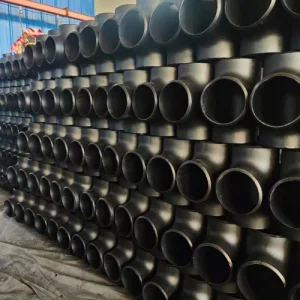
Featured Industrial Piping Components
Explore key pipeline equipment and check valve complementary fittings precision-engineered for heavy industrial applications.
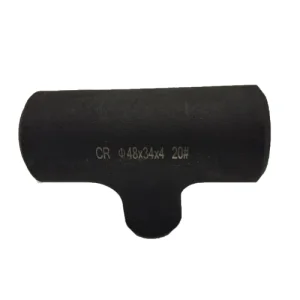
Best Carbon Steel Pipe Fitting Unequal Tee Supplier, Factories
View Details & Quote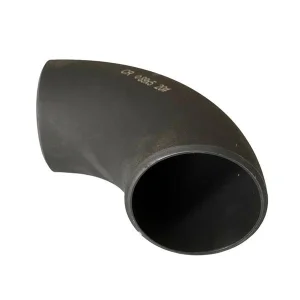
Buy 90 Degree 45 Degree Elbow Pipe Fitting Elbow Butt Weld Elbow Suppliers, Exporter
View Details & Quote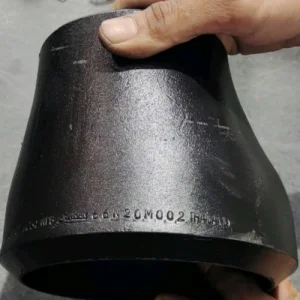
High-Quality Carbon Steel Eccentric Reducer Factories, Exporter
View Details & Quote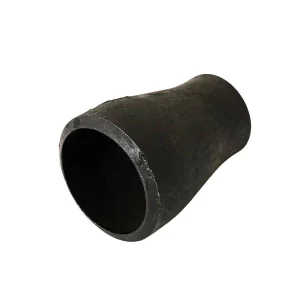
Best ASME B16.9 Carbon Black Stainless Steel Connector Eccentric Butt Weld Pipe Fitting Reducer Manufacturers, Exporters
View Details & Quote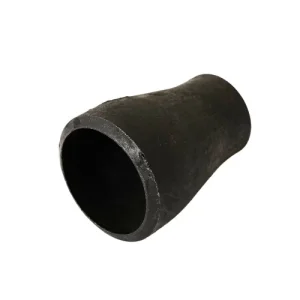
High-Quality Butt Weld Carbon Steel Pipe Fitting Concentric Reducer Pricelist, Company
View Details & Quote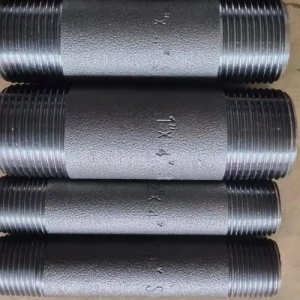
Discount 1/2*3 carbon steel pipe nipples Pricelist, Exporters
View Details & Quote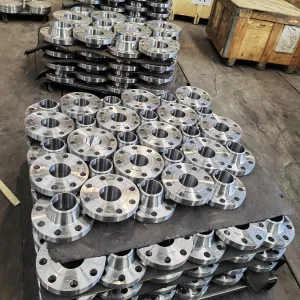
Best Wholesale Slip On Weld Flange Manufacturers, Factories
View Details & Quote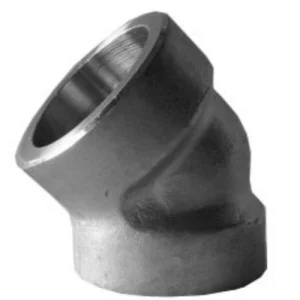
Discount Forged Fittings Exporters, Products
View Details & QuoteIron Check Valve Metallurgy: Cast Iron vs. Ductile Iron
Understanding the structural, mechanical, and pressure-bearing differences between Gray Cast Iron and Nodular Ductile Iron for industrial flow isolation.
Gray Cast Iron (GG25 / Class 125)
Gray iron (ASTM A126 Class B / EN-GJL-250) features flake graphite microstructures that provide excellent vibration damping and high compressive strength. It is the economical choice for low-pressure municipal water, HVAC systems, and non-critical fluid lines up to PN10/PN16.
- ✓ Tensile Strength: 250 MPa minimum
- ✓ Damping Capacity: Superior thermal dissipation
- ✓ Optimal Applications: Low-surge water grids
Ductile Iron (GGG40/50 / Class 150)
Ductile iron (ASTM A536 Grade 65-45-12 / EN-GJS-400-15) contains spheroidal graphite nodules that deliver tensile strength and impact resistance comparable to carbon steel. It resists severe mechanical shock and high-pressure transients up to PN25/Class 300.
- ✓ Tensile Strength: 400-500 MPa
- ✓ Elongation Rating: 12% to 18%
- ✓ Optimal Applications: High-rise pump discharge, surge protection
Trim & Seating Alloys
Check valve reliability relies heavily on seat trims. Industrial configurations pair iron bodies with Bronze (B62), Stainless Steel (SS304/SS316), or Resilient Elastomers (EPDM/NBR/Viton) to match specific fluid chemistry and operational velocities.
- ✓ Metal Seat: High-temp steam & oil lines
- ✓ Resilient Seat: Zero-leakage bubble-tight shutoff
- ✓ Anti-Corrosion: Bronze trims for seawater
| Material Standard | Tensile Strength (MPa) | Yield Strength (MPa) | Elongation (%) | Standard Pressure Rating | Primary Industrial Use Case |
|---|---|---|---|---|---|
| ASTM A126 Class B (Gray Iron) | ≥ 210 | N/A (Brittle) | < 0.5% | PN10 / Class 125 | Gravity water lines, HVAC chilled water, low-pressure drainage |
| EN-GJL-250 (GG25) | 250 - 350 | N/A | < 0.8% | PN10 / PN16 | Municipal water supply, low-surge pumping stations |
| ASTM A536 65-45-12 (Ductile) | ≥ 450 | ≥ 310 | ≥ 12% | PN16 / PN25 / Class 150 | High-head municipal pumps, surge control, industrial process lines |
| EN-GJS-500-7 (GGG50) | ≥ 500 | ≥ 320 | ≥ 7% | PN16 / PN25 / PN40 | Petrochemical utility water, high-pressure fire protection networks |
Iron Check Valve Mechanical Designs
Selecting the proper non-return valve geometry based on flow rate, orientation, and allowable pressure drop.
Dual-Plate Wafer Check Valve
Built to API 594 standards, the dual-plate (double disc) design features two spring-loaded plates hinged on a central pin. Its light weight and short face-to-face dimensions reduce installation costs in tight pipe racks while providing exceptionally fast closure response.
- • Torsion spring accelerates closure to eliminate water hammer
- • Retainerless design options prevent external fugitive emissions
- • Size Range: DN50 to DN1200 (2" to 48")
Flanged Swing Check Valve
Designed to BS EN 12334 / MSS SP-71, the swing check valve utilizes a full-bore disc that swings off an upper hinge pin. It delivers an unobstructed flow path with minimal head loss, making it ideal for low-velocity fluids and slurries.
- • External lever and counterweight available for custom closing speeds
- • Full port diameter minimizes fluid resistance ($K_v$ optimization)
- • Size Range: DN50 to DN600 (2" to 24")
Silent / Globe Spring Check Valve
Features a center-guided stem and stainless steel spring mechanism. The disc returns to its seat before fluid flow reverses, virtually neutralizing hydraulic shock waves (water hammer) in booster pump lines.
- • Silent closing action ideal for high-rise residential buildings
- • Precision guided disc prevents binding and seat misalignment
- • Pressure Rating: PN10, PN16, PN25
China Manufacturing Cluster & OEM Advantages
Why world-class EPC contractors and global valve brands source iron check valves from Hebei's advanced foundry hubs.
Integrated Metallurgical Control
Cangzhou and Hebei foundries feature fully integrated production—from electric induction furnace melting and spectrographic material analysis to resin sand molding and automated V-process casting lines. This ensures zero internal porosity and strict compliance with chemical composition bounds.
Precision CNC Machining
Valve body flange faces, disc sealing angles, and stem guide bores are machined on multi-axis CNC horizontal machining centers. High structural accuracy delivers stable sealing surfaces, lower cracking pressures, and extended cycle lives exceeding 50,000 operations.
Cost Efficiency & Scale
By clustering raw material suppliers, pattern makers, rubber molders, and testing labs within a concentrated industrial ecosystem, Chinese manufacturers offer competitive OEM factory-direct pricing without sacrificing strict international standards like API, DIN, BS, and ANSI.
Innovations in Iron Check Valve Technology
How advanced coatings, smart monitoring, and elastomeric formulations are redefining non-return valve reliability.
Fusion-Bonded Epoxy (FBE) Coating
Modern ductile iron check valves feature electrostatically applied FBE coatings (minimum 250 micrometers) both internally and externally. Certified to WRAS and NSF/ANSI 61, FBE coatings eliminate internal tuberculation and protect the iron matrix from aggressive soil chemistries and treated wastewater.
IoT Smart Position Sensors
High-end water infrastructure projects are deploying non-return valves fitted with wireless inductive position proximity switches and vibration sensors. Real-time feedback alerts control rooms to partial disc sticking, seat wear, or abnormal flow chatter before catastrophic backflow events occur.
Low-Cracking Spring Dynamics
Computational Fluid Dynamics (CFD) optimization enables spring check valves to open fully at extremely low cracking pressures (< 0.05 bar) while retaining fast response during flow cessation. This design minimizes pressure drops across municipal pumping skids, lowering lifecycle energy consumption.
EPDM & NBR Encapsulation
Advanced vulcanization techniques allow full rubber encapsulation of check valve discs and ball cores. High-tensile EPDM and oil-resistant NBR compounds deliver bubble-tight shutoff (ISO 5208 Rate A) even when solids or grit are present in the media.
Application Scenarios & System Solutions
Engineered backflow protection across water management, energy, HVAC, and fire protection infrastructure.
Municipal Water Distribution
High-capacity ductile iron swing and dual-plate check valves placed at the discharge of booster pump stations prevent back-siphonage and protect expensive centrifugal pumps from reverse rotation during unexpected power outages.
Wastewater & Sewage Slurry
Non-clogging ball check valves featuring NBR-coated iron balls provide an unencumbered flow path for sewage, storm water, and viscous media. The self-cleaning ball rotates during operation, ensuring even wear and zero clogging.
UL/FM Fire Protection Skids
Ductile iron check valves compliant with UL 312 and FM 1210 standards are critical components in automatic fire sprinkler systems, maintaining header pressure and preventing non-potable water contamination into fire mains.
Global Purchasing & Supplier Evaluation Guide
Key quality control parameters and inspection criteria for international buyers requesting iron check valve quotes.
1. Material Test Reports (MTR)
Always mandate EN 10204 Type 3.1 certification verifying tensile strength, elongation, nodularity percentage (for ductile iron), and chemical heat analysis to ensure compliance with ASTM A536 or EN 1563.
2. Pressure Testing Standards
Verify that 100% of order quantities undergo factory shell hydrostatic testing at 1.5× working pressure and seat sealing testing at 1.1× working pressure according to API 598 or ISO 5208.
3. Face-to-Face & Flange Compatibility
Ensure strict adherence to DIN 3202 F6, ANSI B16.10, or ISO 5752 dimensions to guarantee drop-in replacement compatibility across global pipeline installations.
Frequently Asked Questions for Iron Check Valve Sourcing
Answers to common engineering and procurement inquiries regarding specification, installation, and cost factors.
What is the main advantage of Ductile Iron over Gray Cast Iron for check valves? ↓
How do I select between a Dual-Plate Wafer Check Valve and a Flanged Swing Check Valve? ↓
What factors influence the factory quote for wholesale Iron Check Valves? ↓
Can iron check valves be installed in vertical piping runs? ↓
What pressure testing standards are applied prior to factory dispatch? ↓
What is the typical lead time for bulk OEM orders from China factories? ↓
More Industrial Piping & Flow Control Solutions
Discover high-pressure fittings, flanges, and isolation valves supplied for global engineering projects.
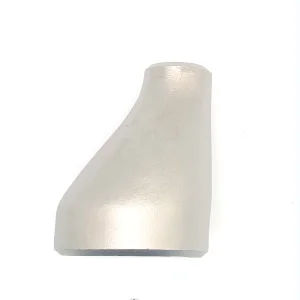
High-Quality Seamless Butt Weld Fittings Eccentric Reducers ASME B16.9/En10253/ ISO3419 Product, Service
View Details & Quote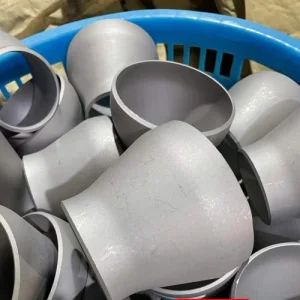
Wholesale Butt Weld Pipe Fitting Stainless Steel SS304 Concentric Reducer SCH10 Exporters, Companies
View Details & Quote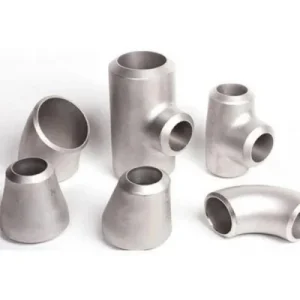
China Butt Weld Steel Fitting Suppliers, Factory
View Details & Quote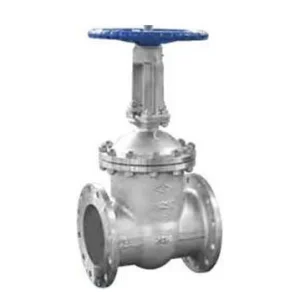
Famous Stainless steel gate valve Z41W-16P/25P/40P Exporter, Service
View Details & Quote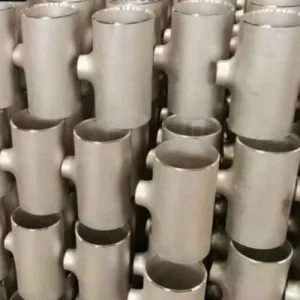
High-Quality Butt Weld Equal Tee Unequal Reducing Tee Suppliers, Factory
View Details & Quote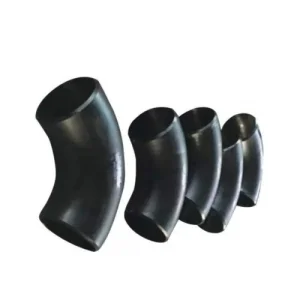
High-Quality Pipe Elbow Factories, Exporters
View Details & Quote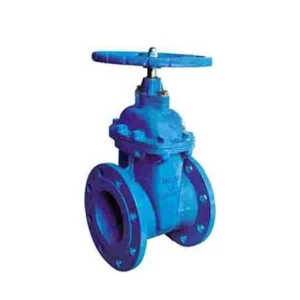
Best Soft seal gate valve Z45X-10Q/16Q/25Q Quotes, Products
View Details & Quote