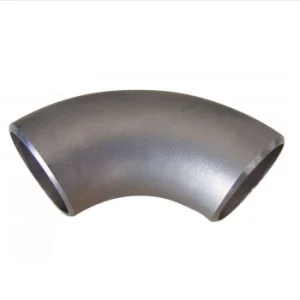
Featured Piping & Alloy Components
Explore high-precision engineered alloy tubes, butt-weld fittings, and certified heavy-wall industrial flanges designed to international standards.
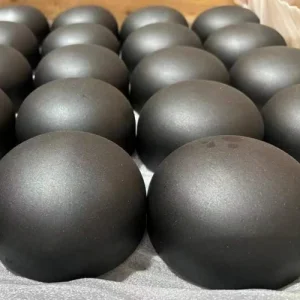
High-Quality Butt Weld Mild Steel Cap Supplier, Quotes
Request Quote & Tech Data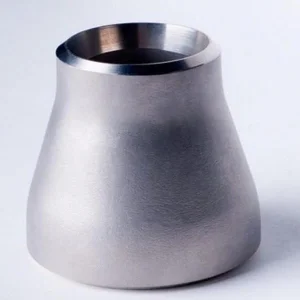
Buy Carbon Steel Elbow Black Mild Steel St20 Pipe Fittings Reducer Eccentric Concentric Reducer Factory, Exporters
Request Quote & Tech Data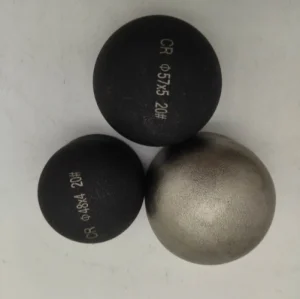
Buy Carbon Steel Pipe Fitting BW Cap Factory, Pricelist
Request Quote & Tech Data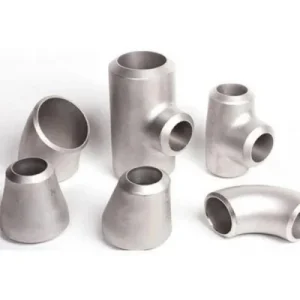
China Butt Weld Steel Fitting Suppliers, Factory
Request Quote & Tech Data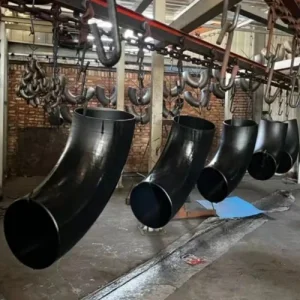
Discount Carbon Steel Pipe Fitting Elbow Supplier, Pricelist
Request Quote & Tech Data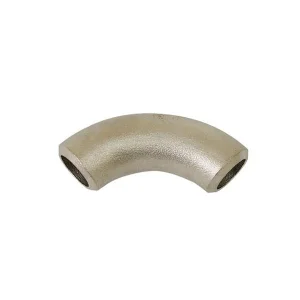
Buy Hot Sale Stainless Steel Inox Elbow Pipe Fitting Manufacturers, Company
Request Quote & Tech Data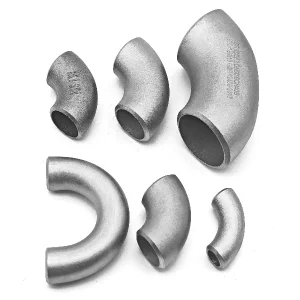
Discount Stainless Steel Sanitary Butt Weld Fittings Eccentric Elbow Tee Pipe Fitting Suppliers, Products
Request Quote & Tech Data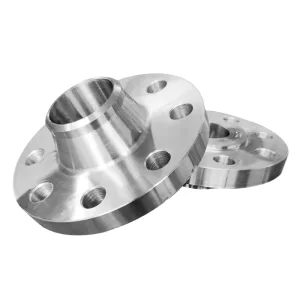
China Customization Stainless Steel Titanium Carbon Forged Steel Flange Available DN400 Welding Neck Threaded Blind Flange Plate Factory, Company
Request Quote & Tech DataExecutive Overview & Global Industry Trends
Analyzing the paradigm shift in alloy tubular manufacturing, material selection, and global procurement dynamics for 2025–2030.
The global demand for high-performance alloy tubes is experiencing an unprecedented surge, driven by structural shifts in energy generation, chemical processing, aerospace development, and deepwater marine extraction. As industrial operations transition toward higher operating temperatures, elevated pressures, and increasingly aggressive corrosive media, traditional carbon steel tubing reaches its thermodynamic and mechanical limits. Modern EPC contractors, project engineers, and global procurement executives require advanced alloy solutions that guarantee operational uptime, long-term safety, and optimized Total Cost of Ownership (TCO).
Key Market Insight: The shift toward Ultra-Supercritical (USC) thermal plants, Green Hydrogen electrolysis infrastructure, and sour-gas (H₂S) extraction has elevated high-temperature, corrosion-resistant alloy tubes (such as ASTM A335 P91/P92, Duplex 2205, and Nickel-Chromium Alloys) from specialty items to critical path components in global engineering projects.
1. The Transition Toward Extreme-Condition Metallurgy
Industrial processes are continuously pushing thermal efficiency limits. Higher operating temperatures directly translate to improved thermodynamic efficiency in power generation and chemical synthesis. Consequently, alloy tubes must withstand continuous operation at temperatures exceeding 600°C (1112°F) under severe mechanical stress without succumbing to creep deformation, microstructural degradation, or stress-corrosion cracking (SCC). Chromium-Molybdenum-Vanadium (Cr-Mo-V) modified steels and high-nickel superalloys have established themselves as the benchmark for these demanding regimes.
2. Decarbonization and the Hydrogen Economy Transition
As global energy infrastructure pivots toward zero-carbon pathways, hydrogen transport and storage pose unique metallurgical challenges. Hydrogen embrittlement (HE) requires precise grain structure boundary control and chemistry balancing in alloy seamless tubes. Manufacturers are now deploying ultra-clean steelmaking practices, secondary ladle refining, and vacuum degassing to deliver seamless alloy tubes that resist atomic hydrogen permeation and micro-cracking at ultra-high pressures (up to 1000 bar).
Cost Optimization
Extending component service life from 10 to 30+ years radically lowers life-cycle expenditure, minimizing unplanned plant shutdowns and costly maintenance outages.
Zero Defect Quality
100% Non-Destructive Testing (NDT), including Ultrasonic Flaw Detection and Hydrostatic testing, guarantees compliance with strict ASME Section II/III and EN 10204 3.1/3.2 standards.
Global Compliance
Fully certified manufacturing footprints satisfying PED 2014/68/EU, NACE MR0175/ISO 15156, and API specifications for frictionless international deployment.
Global Procurement Demand & TCO Analysis
Navigating the complexity of alloy tube procurement through total cost modeling, material traceability, and strategic supplier audit frameworks.
Procuring alloy tubes is rarely a simple price-per-ton transaction. Procurement leaders must navigate high market volatility in raw alloying elements (Nickel, Molybdenum, Chromium, Titanium), stringent lead times, and rigorous quality verification protocols. Selecting qualified suppliers who possess verified mill test certificates (MTRs) and comprehensive manufacturing capability is the single greatest factor in mitigating long-term operational risk.
The True Structure of Total Cost of Ownership (TCO)
While the initial purchase price of high-grade alloy tubes (such as Inconel 625, Hastelloy C-276, or ASME A335 P91) can be significantly higher than conventional carbon steel, the acquisition cost typically accounts for less than 25% of the total life-cycle cost in critical process systems. The remaining 75% comprises installation, non-destructive evaluation, risk of unplanned outage, and early thermal-fatigue replacement.
| Alloy Grade Category | Key Standards | Primary Alloying Elements | Operating Temp Range | Optimal Industry Applications |
|---|---|---|---|---|
| Low Alloy High-Temp Steel | ASTM A335 P11, P22, P91, P92 | Cr (1.0–9.5%), Mo (0.5–1.0%), V, Nb | 450°C to 650°C | Superheaters, reheaters, steam headers, boiler piping |
| Austenitic Stainless Alloy | ASTM A312 TP304H, TP316L, TP347H | Cr (18–20%), Ni (8–14%), Nb, Ti | -196°C to 800°C | Petrochemical cracking, cryogenic storage, sanitary networks |
| Duplex & Super Duplex | ASTM A789 / A790 UNS S31803, S32750 | Cr (22–25%), Ni (4–7%), Mo (3–4%), N | :-50°C to 300°COffshore oil & gas, seawater desalination, acid processing | |
| Nickel-Based Superalloys | ASTM B444 UNS N06625, UNS N10276 | Ni (58%+), Cr (20–23%), Mo (8–16%), W | Sub-zero to 1000°C | Sour gas (H₂S) wells, nuclear reactors, flue-gas scrubbers |
Sector-Specific Macro Industry Solutions
Custom metallurgical configurations tailored to overcome the world's most demanding operational hazards.
Ultra-Supercritical Power Plants
Seamless ASTM A335 P91/P92 alloy tubes engineered with micro-alloyed Vanadium and Niobium to offer extraordinary creep rupture strength at 620°C, drastically reducing wall thickness requirements in high-pressure main steam lines.
HPHT Sour Gas Extraction
Full compliance with NACE MR0175 / ISO 15156. Inconel 625 and Duplex 2507 tubulars resistant to sulfide stress cracking (SSC) and chloride-induced pitting corrosion under High-Pressure High-Temperature offshore conditions.
Refinery Hydroprocessing
Heavy-wall alloy steel tubing designed to withstand high hydrogen partial pressures and polythionic acid corrosion during hydrocracking and catalytic reforming, preventing catastrophic hydrogen attack (HTHA).
Quality Assurance, Compliance & Localized Support
Demonstrating technical expertise through standardized testing, certification transparency, and international logistics integration.
1. Rigorous Metallurgical Quality Verification Protocols
To ensure flawless structural integrity under severe pressure differential and dynamic thermal cycling, alloy tubes undergo a comprehensive multi-stage inspection sequence. Quality Assurance begins at the raw billet stage and continues through cold drawing/pilgering, heat treatment, and surface finishing.
Verification Requirements: Every certified order includes Mill Test Reports (MTRs) according to EN 10204 3.1 or independent 3.2 third-party witness inspection (Lloyd's Register, TÜV, DNV, Bureau Veritas). Testing covers positive material identification (PMI), grain size distribution analysis according to ASTM E112, and mechanical impact testing at sub-zero temperatures.
2. Non-Destructive Testing (NDT) Matrix
Depending on the line item criticality class (ASME Class 1 to Class 3), our manufacturing facilities deploy high-frequency Ultrasonic Flaw Detection (UT) to detect internal laminations and inclusions, Eddy Current Testing (ET) for longitudinal and transverse surface defects, and Hydrostatic testing held at pressures up to 500 bar (7250 psi).
3. Localized Logistics & Vendor-Managed Inventory (VMI)
Modern global projects cannot afford project delays caused by supply chain bottlenecks. Through strategic regional buffer warehousing, customized cut-to-length services, and export-compliant seaworthy packaging (protective end caps, heat-treated wooden crates, anti-corrosion VCI wrapping), buyers receive guaranteed lead-time precision backed by dedicated logistics support.
Technical Roadmap & Metallurgy Innovations (2025–2035)
Pioneering next-generation alloy tubular developments for the coming decade of heavy industry evolution.
High-Entropy Alloy (HEA) Tubing
Moving beyond traditional single-base metals, multi-principal element alloys offer unparalleled combinations of strength, ductility, and radiation tolerance for futuristic nuclear fusion and aerospace applications.
Smart Sensing Tubular Systems
Integrating embedded fiber-optic strain and temperature sensors directly into tube walls during cold processing to deliver real-time, AI-driven structural health monitoring across subsea networks.
Zero-Carbon Metallurgy
Transitioning tube drawing plants to green electricity and utilizing Direct Reduced Iron (DRI) melted in green hydrogen-powered electric arc furnaces to minimize Scope 1 and Scope 2 embodied carbon.
Frequently Asked Questions
In-depth technical answers addressing critical sourcing, specification, and engineering questions.
Additional High-Performance Components
Complete your procurement package with our certified line of heavy-duty elbows, flanges, high-pressure caps, and custom piping assemblies.
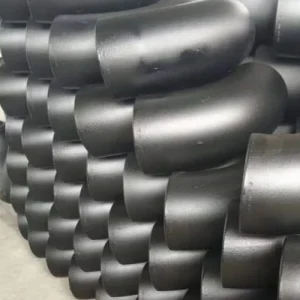
Best Butt Welding Elbow Pricelist, Products
Request Quote & Tech Data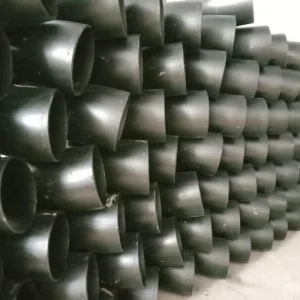
Famous ASME B16.9 A234 Sch 40 Std 90 Degree 60degree Butt Welded Carbon Steel Pipe Fittings Seamless Elbows Welded Elbows Exporter, Products
Request Quote & Tech Data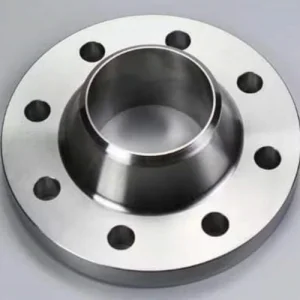
Best 10" A105 150# WNRF Flange Carbon Steel Flange Exporter, Service
Request Quote & Tech Data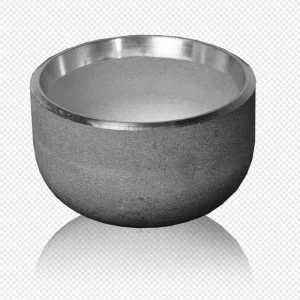
High-Quality 1 1/2" DN40 Carbon Steel Seamless Butt Weld High Pressure Cap Quotes, Exporter
Request Quote & Tech Data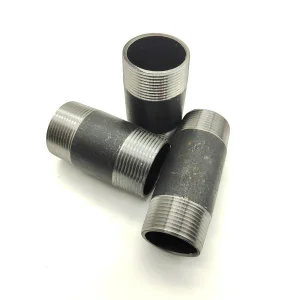
Wholesale Carbon Pipe Fitting Stainless Steel Nipple Exporters, Product
Request Quote & Tech Data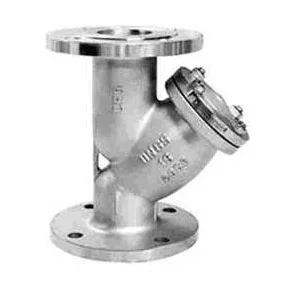
Wholesale Stainless steel filter GL41W-16P/25P Company, Products
Request Quote & Tech Data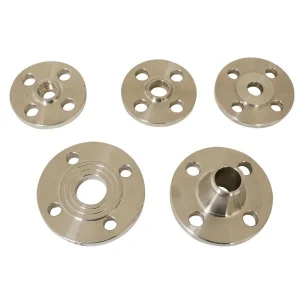
China DIN Class150 Stainless Steel Butt Weld So Slip on Flange Manufacturers, Supplier
Request Quote & Tech Data