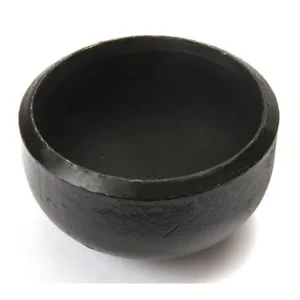
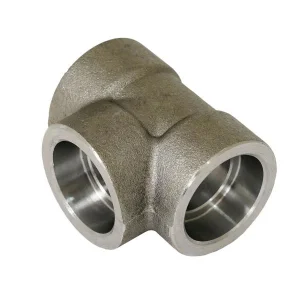
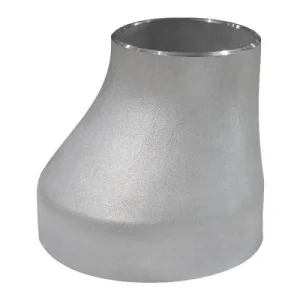
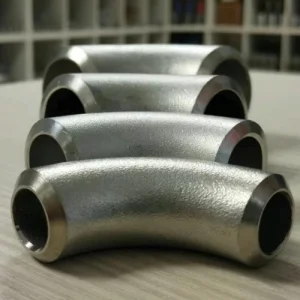
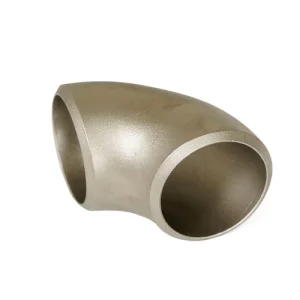
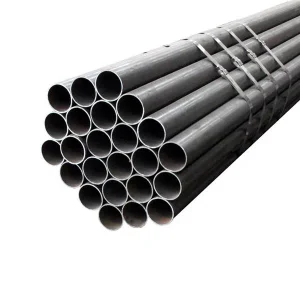
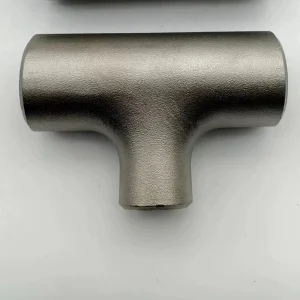
Featured Industrial Valve & Pipeline Products
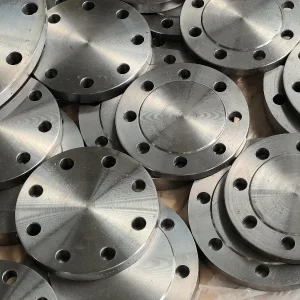
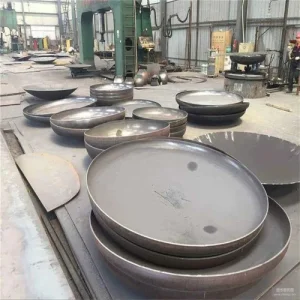
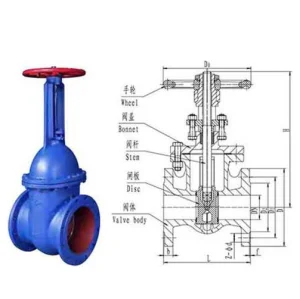
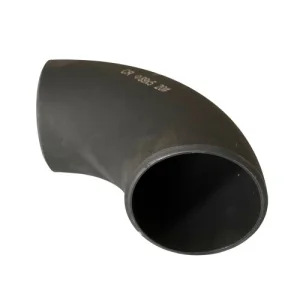
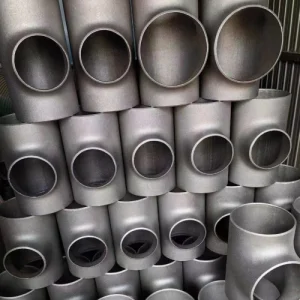
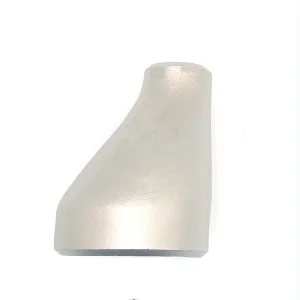
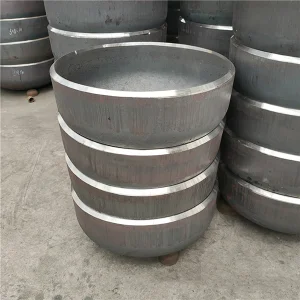
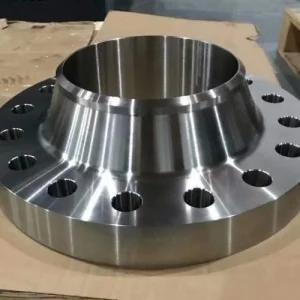
Direct supply of high-integrity industrial valves, butt-weld fittings, forged components, and flange assemblies engineered for critical oil, gas, chemical, and energy systems.
Global Commercial & Industrial Landscape of Two-Way Ball Valves
An Executive Analysis of Procurement Trends, Flow Control Challenges, and Modern Material Standards Across Petrochemical, Energy Transition, and Heavy Manufacturing Sectors
In modern process industries, the quarter-turn two-way ball valve serves as the single most critical isolation component in fluid transmission networks. As global industrial processes shift toward higher operating pressures, extreme cryogenic temperatures, and stringent fugitive emission compliance, selecting premier two way ball valve suppliers has evolved from a standard transactional purchasing activity into a critical risk-management decision. Plant reliability, environmental safety, and lifecycle total cost of ownership (TCO) directly depend on the mechanical integrity, seat geometry, and metallurgical composition of these isolation assets.
Across mega-scale refineries, LNG liquefaction terminals, hydrogen distribution systems, and offshore oil production platforms, two-way ball valves provide tight shut-off (Class VI or bubble-tight leakage rates) and minimal fluid pressure drop due to their full-port bore construction. However, harsh working environments—ranging from sour gas (H₂S) cracking in upstream extraction to thermal cycling in supercritical steam lines—expose inferior valve designs to stem packing erosion, seat deformation, and catastrophic seat body bypass.
Procurement Pain Points & Enterprise Sourcing Requirements
Global Engineering, Procurement, and Construction (EPC) contractors face multifaceted engineering challenges when specifying industrial flow control systems. Key enterprise requirements include:
- Zero Fugitive Emissions Compliance: Strict environmental legislation (such as EPA Method 21 and European ISO 15848-1 Class AH standards) demands stem packing systems that guarantee tight containment of volatile organic compounds (VOCs) and hazardous gas streams under dynamic cycling.
- Extreme Pressure & Temperature Resilience: Valves must operate seamlessly from cryogenic thresholds (-196°C in LNG applications) up to elevated thermal profiles (+650°C in power generation and heavy cracking units), maintaining structural rigidity without thermal binding.
- Corrosion and Erosion Resistance: Severe chemical processing and slurry handling demand advanced surface metallurgy, such as High-Velocity Oxygen Fuel (HVOF) applied Tungsten Carbide, Chrome Carbide, or Stellite cladding on both ball surfaces and metal seats.
- Standardization & Supply Chain Traceability: Top-tier procurement managers require comprehensive certification backbones, including EN 10204 3.1/3.2 material traceability, NACE MR0175/ISO 15156 compliance for sour service, and API 6D / ASME B16.34 design validations.
Two-Way Ball Valve Architectural Engineering & Design Matrix
Understanding Mechanical Configuration Principles: Floating vs. Trunnion-Mounted, Soft vs. Metal Seats, and Flow Dynamics
Floating Ball Valve Architecture
In floating ball designs, the ball is suspended in the fluid stream, supported by two elastomeric or thermoplastic seats. Under line pressure, the ball shifts downstream against the secondary seat to create a positive sealing barrier. Highly economical and reliable for lower pressure ratings (Class 150 to Class 600, sizes up to DN200), floating ball valves deliver exceptionally tight sealing in utility lines and light process service.
Trunnion-Mounted Ball Valve Engineering
For high-pressure, large-diameter pipeline service (Class 150 to Class 2500, sizes up to DN1400), trunnion-mounted ball valves utilize top and bottom mechanical anchoring shafts. The ball remains fixed on its axis while spring-energized floating seat rings move against the ball under media pressure. This drastically reduces operating torque, extends seat longevity, and enables vital safety features such as Double Block and Bleed (DBB) capabilities.
Metal-Seated Severe Service Configurations
When operating environments involve severe slurry erosion, solid particulate suspension, or temperatures exceeding PTFE/PEEK limits (+260°C), metal-to-metal seating technology becomes mandatory. Utilizing precision matte-lapping techniques between carbide-coated balls and seats, these valves achieve zero-leakage performance under extreme thermal shock, maintaining structural integrity up to 650°C.
Technical Specification Breakdown: Two-Way Industrial Ball Valves
| Design Parameter | Standard Soft-Seated Specification | Severe Service Metal-Seated Specification | Cryogenic Sub-Zero Specification |
|---|---|---|---|
| Nominal Size Range | NPS 1/2" to 24" (DN15 - DN600) | NPS 2" to 56" (DN50 - DN1400) | NPS 1/2" to 36" (DN15 - DN900) |
| Pressure Classes | ASME Class 150 to 600 (PN16 - PN100) | ASME Class 150 to 2500 (PN16 - PN420) | ASME Class 150 to 1500 (PN16 - PN250) |
| Temperature Capability | -46°C to +230°C (-50°F to +446°F) | -50°C to +650°C (-58°F to +1200°F) | -196°C to +120°C (-320°F to +248°F) |
| Seat Material Profile | PTFE, R-PTFE, PEEK, Devlon V-API | Stellite #6, Tungsten Carbide, Chrome Carbide | PCTFE (Kel-F), Lip-Sealed Metal Backed |
| Body Metallurgies | ASTM A216 WCB, A351 CF8M, A105 | ASTM A352 LCC, A351 CF8M, Inconel 718, Duplex 2205 | ASTM A351 CF8M, CF3M, Monel K500 |
| Fugitive Emissions | ISO 15848-1 Class BH / EPA Method 21 | ISO 15848-1 Class AH / TA-Luft Certified | ISO 15848-1 Class AH Extended Bonnet |
Technical Roadmap & Future Outlook in Valve Manufacturing
Next-Generation Flow Control Innovation: Smart Diagnostics, Additive Manufacturing, and Green Hydrogen Integrity
IoT-Enabled Smart Actuation
Integration of real-time acoustic emission monitoring and dynamic torque sensing inside digital twin frameworks to predict stem packing wear and seat degradation before failure occurs.
Hydrogen Service Compatibility
Advanced metallurgy selection to prevent hydrogen embrittlement (HE) and micro-leakage in ultra-high-pressure clean energy transport up to 1000 bar.
Additive Manufacturing Seats
3D-printed custom trim geometries and internal flow paths engineered to dissipate cavitation energy and reduce turbulence noise in severe throttling applications.
Ultra-Low Emission Seals
Next-generation live-loaded stem packing sets using expanded flexible graphite reinforced with Inconel mesh to achieve zero-detectable-leakage performance under ambient & thermal shock tests.
Quality Assurance, Testing & International Certification Standards
Comprehensive Protocol Inspections Guaranteeing Flawless Mechanical Execution in Critical Infrastructure Facilities
When selecting premier two way ball valve suppliers, world-class manufacturing compliance forms the foundation of operational security. Industrial valve production requires stringent adherence to international quality protocols, beginning from the initial melting of raw forging ingots down to final cryogenic or high-pressure hydrostatic testing.
Key Certification & Inspection Protocols
Leading international valve suppliers adhere to standardized manufacturing methodologies, including:
- API Specification 6D: Standard specification for pipeline and piping valves, establishing mandatory requirements for pressure testing, dimensioning, drive train strength, and pressure-relieving seats.
- API 607 / API 6FA Fire Test Validation: Ensures that even when soft seating materials burn away entirely during a plant fire, secondary metal-to-metal seating surfaces automatically engage to prevent catastrophic fuel leakage.
- Non-Destructive Examination (NDE): Full volumetric inspection of pressure-retaining castings via Radiographic Testing (RT) or Ultrasonic Testing (UT), complemented by Liquid Penetrant Testing (PT) or Magnetic Particle Testing (MT) on high-stress weld bevels and seating faces.
- Pressure Equipment Directive (PED 2014/68/EU) & CE Marking: Mandatory certification verifying compliance with European safety and pressure design criteria for global export.
- NACE MR0175 / ISO 15156: Rigorous material testing ensuring resistance to Sulfide Stress Cracking (SSC) and Stress Corrosion Cracking (SCC) in hydrogen sulfide-containing environments.
Frequently Asked Questions (FAQ) for Valve Sourcing
Expert Engineering Solutions to Common Technical, Procurement, and Operational Inquiries
What is the functional difference between a two-way ball valve and a three-way ball valve?
When should an engineer specify a trunnion-mounted design over a floating ball design?
How do soft-seated ball valves compare to metal-seated ball valves in extreme operating conditions?
What certifications and standards are required for two-way ball valves used in sour gas service?
How does live-loaded stem packing prevent fugitive emissions in industrial valves?
What documentation should accompany an order of high-pressure API 6D ball valves?
Complete Pipeline & Valve Solutions Catalog
Explore our extensive inventory of matching steel elbows, forged socket fittings, high-yield reducers, and engineered piping components engineered for seamless project integration.