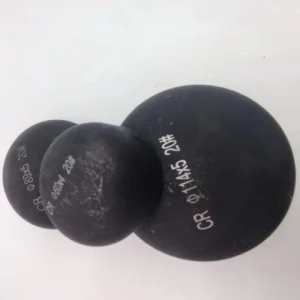
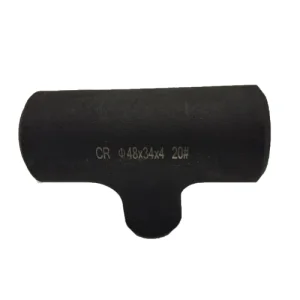
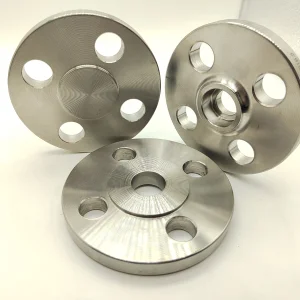
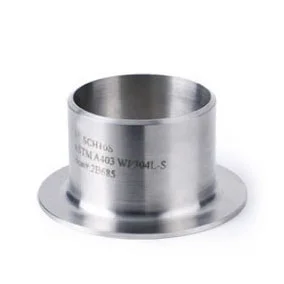
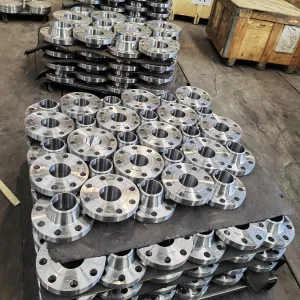
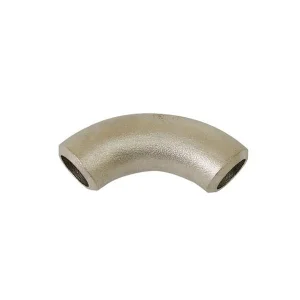
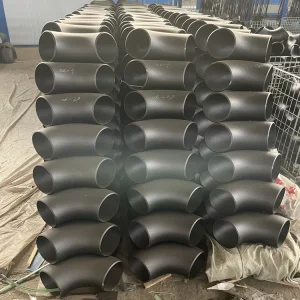
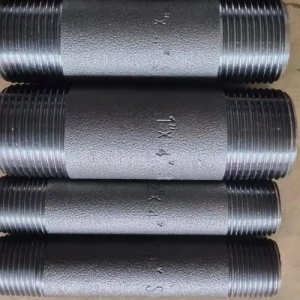
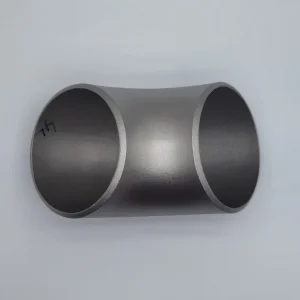
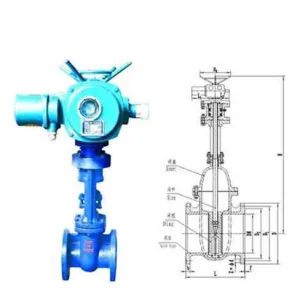
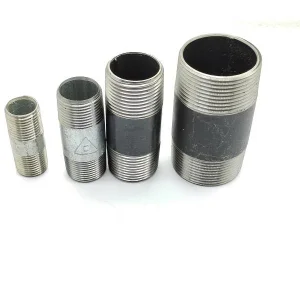
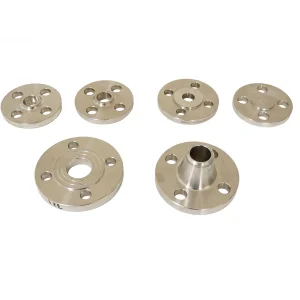
Featured Industrial Piping & Valve Components (Batch 01)
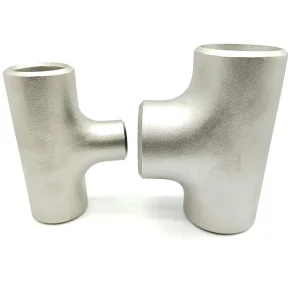
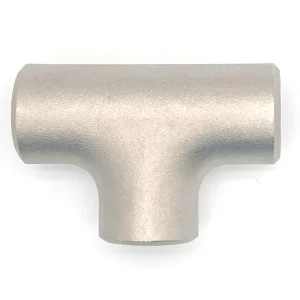
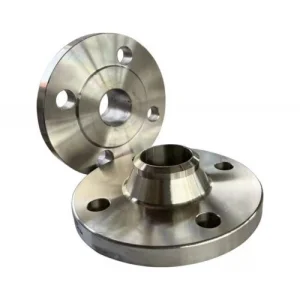
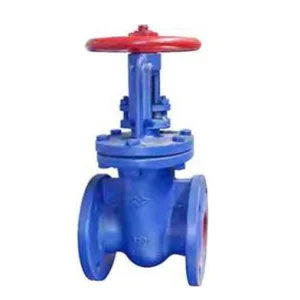
High-integrity flanged components, seamless fittings, and flow control hardware for power plants, oil refineries, and heavy processing infrastructure.
Executive Summary & Industrial Mechanics of Flanged Globe Valves
In modern process industries, control over fluid velocity, line pressure, and volumetric flow rates dictates operational efficiency and safety. Among linear-motion valves, the flanged globe valve stands as the premier standard for precise throttling service, continuous flow regulation, and repeatable shutoff. Unlike isolation-only gate valves or quarter-turn ball valves that experience seat erosion during partial openings, globe valves utilize an internal S-shaped flow passage where disc movement occurs strictly parallel to the fluid flow line.
Engineers specifying components from famous globe valve with flange companies evaluate not merely nominal pressure ratings (such as ASME Class 150 to Class 2500, or EN PN10 to PN400), but the interplay between hydrodynamic stability, stem seal integrity, stem thrust torque, and flanged joint rigidity. The flange interface itself—governed by standards like ASME B16.5, EN 1092-1, and JIS B2220—ensures leak-tight structural coupling under severe thermal cycling, pipe deflection, and water hammer events.
The Mechanical Anatomy of High-Performance Flanged Globe Valves
A comprehensive technical evaluation reveals distinct structural subsystems working in unison:
- Body & Flow Channel Engineering: Modern forged and cast globe bodies feature optimized internal radii to minimize turbulent kinetic energy loss, mitigating cavitation erosion during high-pressure drop throttling.
- Disc & Plug Configurations: Options range from parabolic plugs for linear flow profiling to needle discs for fine metering, and stellite-faced flat discs for bubble-tight isolation (Class VI shutoff per ANSI/FCI 70-2).
- Flanged End Connection System: Raised Face (RF), Ring Type Joint (RTJ), and Flat Face (FF) geometries are integrated directly into the valve casting or forging, providing standardized bolt-circle patterns capable of enduring high piping bending moments.
- Bonnet Seal & Packing Stack: Utilizing live-loaded graphite rings, spring-energized PTFE packing, or metal bellows seals, top-tier globe valves eliminate volatile organic compound (VOC) emissions across thousands of operational cycles.
Global Engineering Standards & Flange Dimension Matrix
Rigorous dimensional compatibility and material specification matching across international project frameworks.
| Standard Framework | Design & Manufacturing | Flange Dimensions | Face-to-Face Dimensions | Testing & Inspection |
|---|---|---|---|---|
| American (ASME/API) | API 623 / API 602 / ASME B16.34 | ASME B16.5 (DN15-DN600) / B16.47 | ASME B16.10 | API 598 / ISO 5208 |
| European (EN/DIN) | EN 13709 / EN 12516 | EN 1092-1 (PN6 to PN400) | EN 558-1 (Series 1, 2, 8) | EN 12266-1 |
| Japanese (JIS) | JIS B2071 / JIS B2081 | JIS B2220 (5K, 10K, 20K, 30K) | JIS B2002 | JIS B2003 |
| Chinese (GB/HG) | GB/T 12235 / GB/T 12224 | GB/T 9113 / HG/T 20592 | GB/T 12221 | GB/T 26480 / JB/T 9092 |
Metallurgical Selection and Hard-Facing Excellence
The lifespan of a flanged globe valve heavily depends on metallurgy. Leading manufacturers utilize specified grade forged carbon steels (ASTM A105N), low-temperature carbon steels (ASTM A350 LF2), high-alloy austenitic stainless steels (ASTM A182 F304L/F316L/F321), and nickel superalloys (Inconel 625, Hastelloy C276). To prevent wire-drawing and high-velocity erosion across the seat face during throttling, trim surfaces are routinely overlayed with cobalt-base alloys such as Stellite 6 using automated Plasma Transferred Arc (PTA) welding techniques.
Macro Industrial Solutions & Global Deployment Architecture
How world-leading plant operators deploy flanged globe valve technology across major global supply chains.
Thermal & Nuclear Power Systems
In high-pressure boiler feed water lines and superheated steam bypass loops, globe valves with heavy-duty ASME Class 1500/2500 flanged joints provide severe-service flow throttling without vibration-induced stem fatigue or body boundary leakage.
Refining & Hydrocarbon Processing
Handling sour gas (H2S), corrosive catalysts, and cracking units demands NACE MR0175/ISO 15156 compliance. Flanged globe valves equipped with bellows-seal bonnets eliminate harmful volatile emissions in hydrogen hydrocracking units.
Chemical & Pharmaceutical Synthesis
For chemical reactors and batch processing where cross-contamination is prohibited, polished stainless steel (316L/904L) flanged globe valves ensure complete drainability, CIP/SIP compatibility, and exact acid/alkali flow dosing.
Cryogenic LNG Value Chains
Operating at temperatures down to -196°C requires extended-bonnet flanged globe valves. The extended neck keeps stem packing away from the cryogenic fluid, preserving packing elasticity and preventing cold-box leakage.
Offshore & Marine Engineering
Corrosive marine salt atmospheres demand duplex (UNS S31803) and super duplex (UNS S32750) flanged globe valves tested to DNV, ABS, and Lloyd's Register marine classification rules for ballast and fuel handling platforms.
District Energy & HVAC Systems
Large-scale municipal heating networks use cast iron and ductile iron flanged globe valves (PN16/PN25) for balancing thermal distribution circuits, ensuring predictable heat transfer across large infrastructure assets.
Localized Application Scenarios & Regulatory Compliance
Industrial procurement teams operating across diverse geographic hubs face distinct regional standards and environmental mandates when selecting flanged globe valve vendors:
1. North American Energy Corridor (US Gulf Coast / Canada)
Projects across Texas, Louisiana, and Alberta prioritize strict environmental and fire safety compliance. Globe valve manufacturers must offer API 624 fugitive emission testing certification (less than 100 ppm leakage across 100 thermal cycles) and API 607 / ISO 10497 fire-safe certification. Flanges must adhere precisely to ASME B16.5 RF and RTJ specs.
2. European Union Industrial Grid (DACH Region / Western Europe)
In accordance with the Pressure Equipment Directive (PED 2014/68/EU) and CE marking mandates, globe valves deployed in the EU require full material traceability (EN 10204 3.1 certification). Compliance with TA-Luft (VDI 2440) for fugitive emission reduction is mandatory across chemical parks in Germany and the Netherlands.
3. Middle Eastern Offshore & Sour Gas Fields (GCC Region)
Extreme ambient temperatures combined with high concentrations of hydrogen sulfide require strict adherence to NACE MR0175 / ISO 15156. Castings and forgings undergo 100% radiographic testing (RT) and positive material identification (PMI), with specialized anti-corrosive coating systems (such as three-layer epoxy/polyurethane) to combat desert salt spray.
4. Asia-Pacific Rapid Infrastructure Development (Southeast Asia / East Asia)
EPC contractors in Japan, South Korea, China, and Singapore require multi-standard alignment—balancing dual-certified flanges (ASME/EN) with fast manufacturing lead times. Sourcing pipeline packages from consolidated industrial clusters in Cangzhou provides substantial supply chain agility.
Technology Roadmap: Smart Sensing & Next-Gen Valve Architectures
The future of flanged globe valves lies at the intersection of material science, predictive maintenance, and digital intelligence.
IoT-Integrated Smart Actuation
Embedding wireless acoustic sensors and stem-position transmitters directly into the bonnet flange allows AI algorithms to detect micro-cavitation and seat leakage months before catastrophic failure occurs.
Laser Cladding & Nanostructured Coatings
Transitioning from traditional Stellite manual welding to ultra-precise robotic laser cladding increases disc wear resistance by 300% while eliminating micro-cracking in high-temperature cyclic applications.
Hermetic Bellows Zero-Emission Design
Hydroformed multi-ply stainless steel and Inconel bellows stem seals are becoming standard across green hydrogen and nuclear fluid loops to ensure absolute zero stem leakage.
Frequently Asked Technical Questions (Engineering FAQ)
Expert answers to critical questions encountered by piping engineers, project buyers, and plant maintenance supervisors.
Featured Industrial Piping & Valve Components (Batch 02)
Carbon steel caps, unequal tees, socket weld flanges, stub ends, slip-on flanges, and food-grade sanitary fittings.