Industrial Piping & Drainage Component Selection
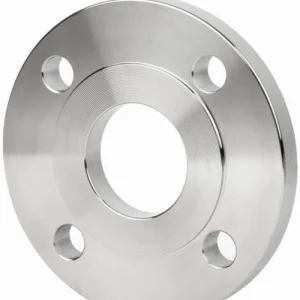
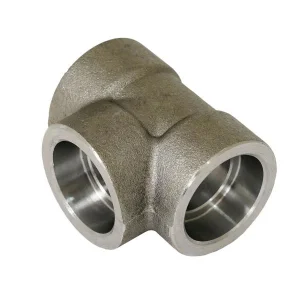
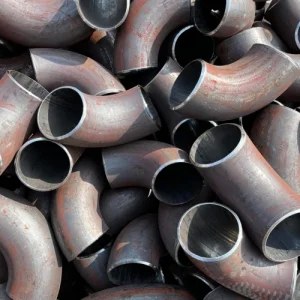
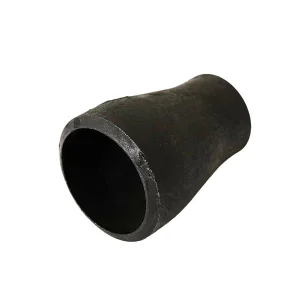
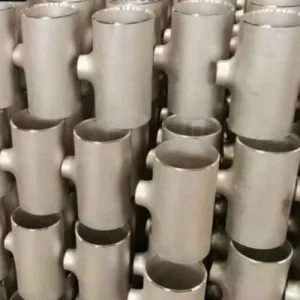
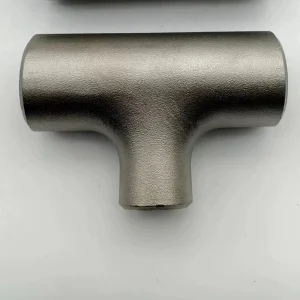
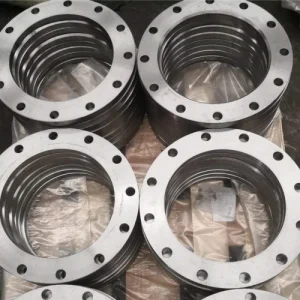
Direct factory-manufactured butt-weld fittings, forged flanges, valves, and steel pipes matching global standards for high-capacity municipal and industrial drainage systems.
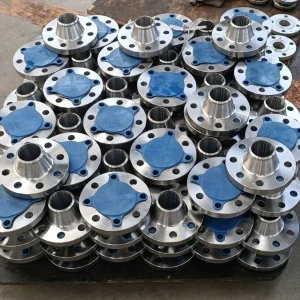
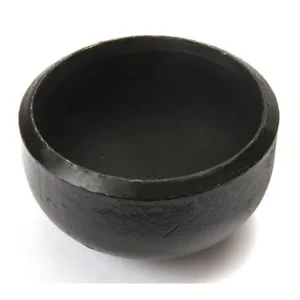
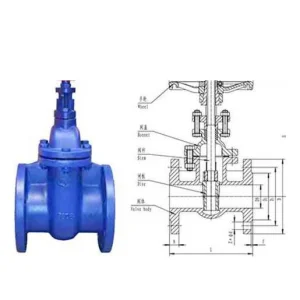
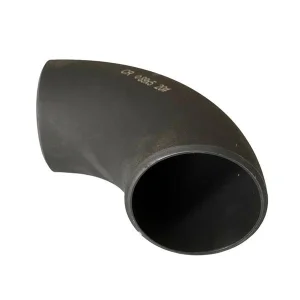
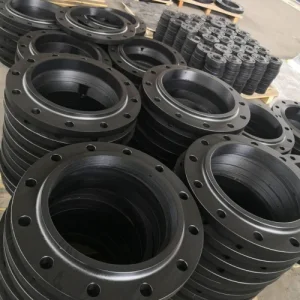
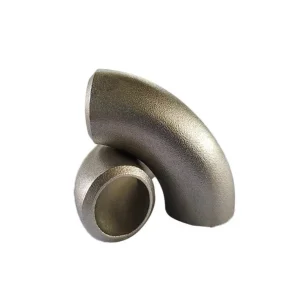
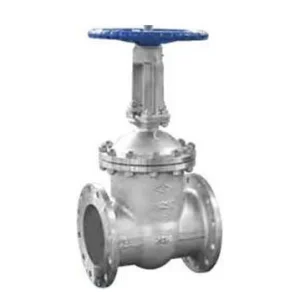
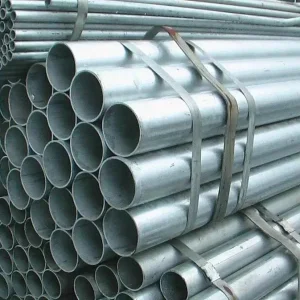
Executive Overview: The Critical Role of Storm Drain Pipe Factories in Modern Infrastructure
In an era marked by unprecedented urban expansion and increasingly volatile climate patterns, global municipal infrastructure is undergoing a radical paradigm shift. Modern stormwater management systems must process drastically higher surge runoff volumes, resist aggressive sub-surface soil chemistry, and endure continuous heavy live-load cycles over multi-decadal design lifespans. At the epicenter of this civil engineering evolution is the wholesale storm drain pipe factory.
Industrial manufacturing of storm drain systems is no longer a simple matter of producing continuous rigid or flexible tubing. Today’s tier-one manufacturing facilities function as sophisticated material engineering centers. They synthesize advanced polymer chemistry, high-yield steel metallurgies, and reinforced concrete composites into precision-engineered conduits designed to fulfill stringent hydraulic, structural, and environmental mandates.
Structural Integrity
Engineered to withstand deep earth fill pressures and AASHTO HS-20/H-25 highway dynamic live loadings without structural cross-sectional deformation.
Hydraulic Efficiency
Optimized interior wall smooth roughness coefficients ($n = 0.009$) maximizing fluid velocity and preventing particulate sedimentation.
Chemical Resistance
Complete resistance to acidic runoffs, industrial effluent leachates, road salts, and microbiologically induced corrosion (MIC).
For municipal engineers, EPC contractors, and global procurement directors, partner selection among international storm drain pipe factories directly dictates project risk profiles, life-cycle maintenance costs, and regulatory approval speed. Sourcing directly from tier-one Chinese manufacturing clusters provides a decisive strategic advantage—combining massive raw material supply integration with international compliance certification.
Engineering Specification & Material Performance Matrix
A rigorous technical evaluation of storm drain pipe material classifications, structural dynamics, and hydraulic friction coefficients under real-world civil engineering conditions.
| Material Classification | Primary Standards Compliance | Ring Stiffness / Structural Load | Manning’s $n$ Value | Corrosion & Abrasion Life |
|---|---|---|---|---|
| High-Density Polyethylene (HDPE) Corrugated | AASHTO M294, ASTM F2306, EN 13476 | SN4, SN8, SN12 (Up to 320 kPa) | 0.009 - 0.012 | 100+ Years (pH 1.5 - 14.0 resistant) |
| Corrugated Metal Pipe (CMP Steel) | AASHTO M36, ASTM A760, DIN EN 10346 | H-25 Live Load (Variable Gauge 18-8) | 0.012 - 0.024 | 50-75 Years (Galvanized / Polymer Coated) |
| Structural Carbon Steel Pipe (ERW/LSAW) | ASTM A53, API 5L, GB/T 9711 | Ultra-High Loading / Deep Trenching | 0.011 - 0.013 | 50-100 Years (Coated / Cathodic Protected) |
| Reinforced Concrete Pipe (RCP) | ASTM C76, AASHTO M170, BS EN 1916 | Class I to Class V Heavy Loading | 0.012 - 0.013 | 75-100 Years (Abrasive Wear Prone) |
| Polyvinyl Chloride (PVC) Profile Wall | ASTM F949, DIN 16961, ISO 9969 | PS 46 / PS 115 (46 to 115 psi) | 0.009 - 0.010 | 100+ Years (Chemically Inert) |
China Sourcing Economics: The Cangzhou Industrial Cluster
Why leading global EPC contractors leverage Chinese pipeline manufacturing hubs to achieve scale, structural compliance, and cost efficiency.
Vertical Upstream Integration
Situated in Cangzhou, Hebei—China's primary piping equipment nexus—our factories sit adjacent to major steel mills and polymer resin refining centers. This reduces raw material procurement lead times by up to 40% while eliminating intermediate trader markups.
High-Tonnage Precision Manufacturing
Our group facilities utilize continuous multi-layer co-extrusion arrays for thermoplastics alongside 3000-ton hydraulic forging presses for carbon and stainless fittings. We effortlessly execute continuous wall thickness control up to 150mm for extreme pressure lines.
Rigorous E-E-A-T Quality Assurance
Every batch undergoes non-destructive ultrasonic testing (NDT), hydrostatic pressure verification, dimensional coordinate measurement (CMM), and material test certificates (MTC) according to EN 10204 3.1 / 3.2 protocols before export dispatch.
Global Enterprise Procurement Dynamics & Regulatory Compliance
Managing large-scale municipal or industrial pipeline procurement requires navigating intricate international regulatory landscapes, cross-border freight volatility, and stringent tender specifications. Global buyers cannot afford job-site delays caused by sub-standard material certifications or non-compliant pipe dimensions.
Key Sourcing Metrics for Municipal Tenders
When participating in public-sector stormwater management tenders across North America, Europe, the Middle East, and Southeast Asia, procurement officers must mandate direct factory proof for three critical vectors:
- Ring Stiffness & Load Deflection Certifications: Verification under ASTM D2412 or ISO 9969 proving structural resilience under high earth cover or minimal cover traffic loads.
- Joint Tightness & Elastomeric Seals: Watertight performance certified to ASTM D3212 or EN 1277 to prevent exfiltration into surrounding soils or groundwater infiltration during seasonal water table surges.
- Material Traceability: Complete heat-number identification from raw billet or polymer batch to finished pipe segment, supported by ISO 9001 and ISO 14001 factory operational oversight.
Navigating Freight Logistics, Surcharges, and Supply Risk
International freight dynamics—such as container shipping rate surges, regional port congestion, and peak season surcharges (PSS)—require an experienced export manufacturing partner. Our logistics teams maintain direct allocations with major maritime carriers (MSC, CMA CGM, Maersk), executing consolidated shipments containing matching steel pipes, butt-weld elbows, tees, reducers, and forged flanges in a single standardized sea container. This turnkey consolidation strategy reduces landed freight costs by up to 25% per volumetric unit.
Engineered Localized Application Scenarios
How specialized storm drain pipe designs adapt to severe ground conditions, high dynamic stresses, and aggressive chemical environments.
Highway & Arterial Culverts
Engineered to handle sustained dynamic impacts under heavy transport corridors. Dual-wall HDPE and heavy-gauge corrugated galvanized steel pipes absorb vibration while maintaining total structural ring integrity under low-cover depth constraints.
Airport Runway & Taxiway Runoff
Airfield drainage systems demand rapid storm surge evacuation alongside extreme structural crush resistance (wheel loads exceeding 300 psi). High-stiffness profile wall pipes ensure zero surface settlement risk under commercial aircraft transit zones.
Industrial Park Chemical Runoff
Manufacturing complexes generate stormwater mixed with subtle chemical leachates, oils, and thermal discharges. High-grade stainless steel (304L/316L) fittings and inert thermoplastic piping prevent chemical degradation and environmental contamination.
Municipal Underground Retention
Large-diameter modular storm pipes serve as underground retention vaults in space-constrained urban centers, storing high-volume storm surges and releasing runoff gradually into municipal treatment systems.
Coastal Flood & Tidal Outfalls
Piping installed in coastal marine environments must endure continuous saline exposure and back-pressure. Polymer-coated steel and heavy-wall HDPE withstand marine salt spray and aggressive wave-action fatigue.
Deep Trench Mining & Utility Corridors
Heavy-duty steel pipes and high-capacity forged flanges allow micro-tunneling and deep trench installation through rock strata where earth pressures exceed standard plastic pipe limitations.
Industry Evolution: The Next Generation of Stormwater Infrastructure
The global drainage industry is rapidly transitioning from passive conveyance structures into smart, sustainable urban assets. Modern storm drain pipe factories are investing heavily in advanced manufacturing technology, circular economy materials, and embedded digital tracking.
1. IoT-Enabled Smart Piping Networks
Next-generation storm pipes are increasingly produced with integrated sensor ports and acoustic monitoring nodes. These digital conduits transmit real-time flow rate, silt accumulation, and structural strain data directly to municipal SCADA centers, allowing automated flood prevention responses.
2. Low-Carbon Hybrid Polymers & Recycled Resins
To satisfy net-zero carbon mandates for public infrastructure projects, factories are developing high-performance hybrid polymers that incorporate up to 40% post-consumer circular resins without sacrificing structural pipe stiffness or stress-crack resistance.
Frequently Asked Engineering & Procurement Questions
Detailed technical insights provided by our chief pipeline engineers and international trade specialists.
What are the principal advantages of direct wholesale procurement from a Chinese storm drain pipe factory?
How do HDPE corrugated pipes compare against Corrugated Metal Pipes (CMP) for highway drainage?
Which international testing standards govern factory quality control for storm drain pipes and fittings?
Can your factory supply customized flange facings and fittings alongside standard storm pipes?
How does the factory handle sea freight logistics and ocean surcharge volatility?
Industrial Flanges, Steel Pipes & Valve Series
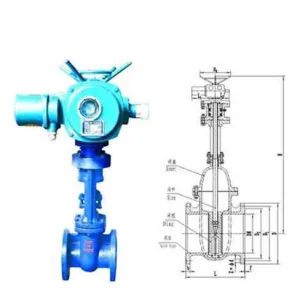
Complete your storm drainage infrastructure material take-off with high-pressure steel flanges, carbon steel socket fittings, and resilient seated control valves.