Factory-Direct Valves & Piping Components
Direct supply from Hebei Cangrun Pipeline Equipment Co., Ltd. — Matched in size, pressure rating, and metallurgical standards for global infrastructure projects.
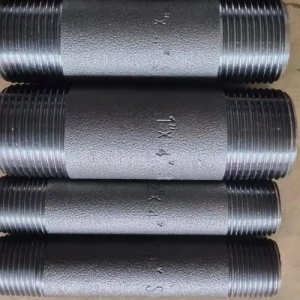
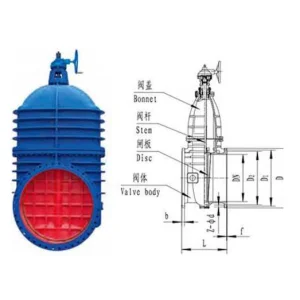
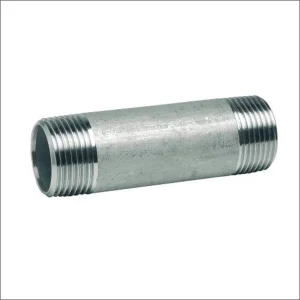
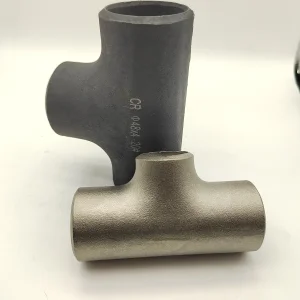
1. Evolution & Global Market Trends of Iron Gate Valves
Iron gate valves remain the fundamental backbone of fluid handling systems across municipal water distribution, industrial cooling circuits, agricultural irrigation, and low-pressure steam utility services. Traditionally relying on standard cast iron (Gray Iron - GG25/ASTM A126 Class B), modern fluid engineering has heavily shifted toward Ductile Cast Iron (EN-GJS-400-15 / ASTM A536 Grade 65-45-12). This transition offers up to double the tensile strength (minimum 400 MPa) and dramatically higher impact resistance, effectively mitigating line-shock failures caused by water hammer in high-flow networks.
In contemporary infrastructure development, the standard for iron gate valves is governed by strict international benchmark specifications including AWWA C509/C515 in North America, EN 1171 / EN 1074 in Europe, and BS 5163 / DIN 3352 globally. The industrial demand for iron gate valves is characterized by two major technological evolutionary paths: Resilient Seated Gate Valves (RSGV) and Metal-Seated Gate Valves.
Information Gain Key Takeaway: Resilient vs. Metal Seated Iron Gate Valves
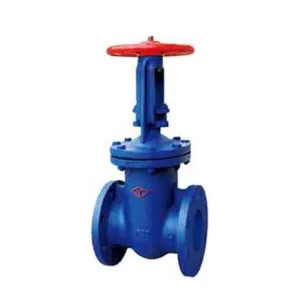
Resilient Seated (Soft Seal, e.g., Z45X Series): Features an iron wedge encapsulated entirely in EPDM or NBR rubber. Closing the valve creates a zero-leakage elastomeric seal against the smooth, coated body interior. Debris is pushed away without damaging the seal, making it ideal for potable water and clean liquid delivery (up to 80°C).
Metal Seated (Hard Seal, e.g., Z41T/W & Z445T Series): Utilizes bronze, brass, or stainless steel trim rings pressed into the cast iron body and wedge. Designed for higher temperatures (up to 200°C), steam pipelines (≤1.0 MPa), crude oils, and slurries where abrasive particulate matter would tear soft rubber seals.
Current industrial trends focus heavily on longevity, zero head-loss hydraulics, and friction reduction. Advanced manufacturers now implement Fusion Bonded Epoxy (FBE) coatings (minimum 250 microns thick, non-toxic, and WRAS/NSF certified) on both internal and external valve surfaces. This completely isolates the iron structure from corrosive soils and aggressive fluids, extending operational life cycles from less than a decade to over 50 years.
Cangrun Pipeline: Technical Excellence by Numbers
Delivering high-reliability valves, steel pipes, forged fittings, and engineered flanges globally from Cangzhou, China.
2. China Industry 4.0: Supply Chain Resilience & Cost Advantages
China accounts for more than 60% of global industrial valve production, with the Cangzhou Pipeline Industrial Cluster in Hebei Province standing as the central hub for pipe fittings, flanges, and heavy-duty flow control equipment. Within this ecosystem, HEBEI CANGRUN PIPELINE EQUIPMENT CO., LTD. alongside its specialized subsidiary plants—Cangzhou Feiwo Metal Products Co., Ltd. and Cangzhou Feixiang Metal Products Co., Ltd.—delivers a vertically integrated supply matrix unmatched in efficiency and resilience.
Vertically Integrated Metallurgical Casting
From automated greensand molding and electric induction melting to spectroscopic metallurgical analysis, raw pig iron and alloy additions are monitored precisely to guarantee mechanical properties compliant with ASTM A536 GGG40/50.
Precision CNC Machining & Micro-Tolerance Stem Threading
Valve body guide rails, bonnet seal faces, and brass/stainless steel stems are machined on multi-axis CNC centers. Stem threads (Acme profile) are cold-rolled to ensure smooth operating torque and prevent galling over tens of thousands of cycles.
Automated FBE Powder Coating & ISO 5208 Pressure Testing
Electrostatic fluidized bed lines coat bodies inside and out with high-grade epoxy powder. 100% of finished valves undergo double hydrostatic shell and seat pressure testing (1.5x PN for shell, 1.1x PN for seat) in accordance with ISO 5208 before packing.
Package Procurement Advantage for EPC Contractors
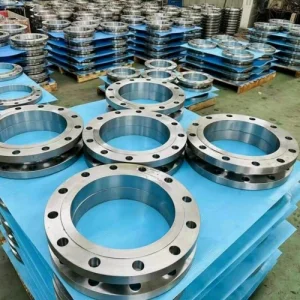
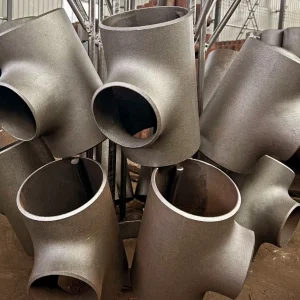
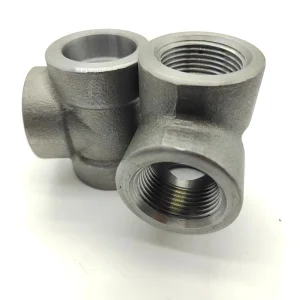
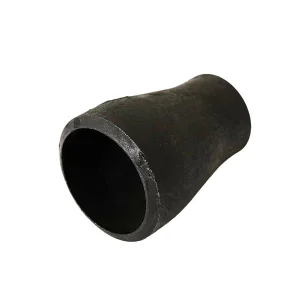
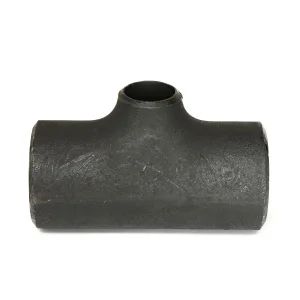
Purchasing iron gate valves independently from isolated suppliers introduces significant logistics overhead, incompatible flange drillings, and compound lead-time risks. Cangrun Pipeline solves this issue by offering full-package manufacturing consolidation: buyers can bundle Iron Gate Valves (Z41T/W, Z45X, Z445T) together with matching ASME B16.5 Forged Flanges, ASTM A234 Butt-Weld Fittings, and Seamless/ERW Steel Pipes into unified container shipments. This lowers total landed freight costs by up to 18% and eliminates inter-component dimensional discrepancies on site.
Engineering Specifications & Material Selection Matrix
Use the technical reference guide below to evaluate iron gate valve configurations against your project data sheet.
| Valve Series | Seating Type | Nominal Diameter | Pressure Rating | Temperature Range | Primary Fluid Media |
|---|---|---|---|---|---|
| Z45X / RVGX | Resilient (EPDM / NBR Encapsulated) | DN40 – DN800 (1.5" – 32") | PN10 / PN16 / PN25 (Class 125/150) | -10°C to +80°C | Potable Water, Sewage, HVAC Chilled Water |
| Z41T / W | Metal (Bronze / Brass Seats) | DN50 – DN1200 (2" – 48") | PN10 / PN16 | -10°C to +200°C | Hot Water, Low-Pressure Steam (≤1.0 MPa), Non-Corrosive Oils |
| Z445T / Z545T | Double Flanged Dark Wedge (Metal) | DN100 – DN2000 (4" – 80") | PN6 / PN10 / PN16 | -10°C to +150°C | Industrial Process Water, River Intake, Effluent Discharge |
| OS&Y (Rising Stem) | Metal or Resilient | DN50 – DN600 (2" – 24") | Class 125 / Class 150 / PN16 | -10°C to +120°C | Fire Protection (UL/FM), Industrial Boiler Rooms, Gas Distribution |
3. Localized Application Scenarios & Engineering Case Studies
Municipal Water Networks & Desalination Utility
In municipal potable water transmission lines, non-rising stem (NRS) resilient seated gate valves (Z45X series) are buried underground or installed in valve chambers. The smooth bore design prevents sediment build-up at the bottom of the line, eliminating valve jam failures common in traditional cast iron valves.
District Heating & Power Plant Utility Lines
For auxiliary steam lines (≤1.0 MPa) and hot-water supply loops in district energy plants, metal-seated Z41T valves with high-grade graphite stem packing withstand thermal cycling without stem seal weeping or seat degradation.
Industrial Waste Water & Effluent Pumping
Large-diameter double-flanged dark wedge gate valves (Z445T series, up to DN2000) are utilized in storm-water runoff stations and wastewater treatment sludge handling. Their robust iron body housing handles heavy particulate loads without distortion.
4. Wholesale Iron Gate Valve Pricelist Analysis & Cost Drivers
Understanding the pricing dynamics of iron gate valves is critical for procurement officers preparing B2B tender submissions or bulk wholesale orders. Factory unit prices are influenced by four primary structural cost drivers:
1. Metallurgy & Material Grade (Ductile Iron vs. Gray Iron): Ductile Iron (GGG40/50) valves carry a 12% to 18% price premium over traditional Gray Cast Iron (GG25) due to raw material costs (higher purity pig iron and magnesium nodulizing alloys). However, Ductile Iron allows thinner wall designs while maintaining higher pressure ratings, delivering better strength-to-weight value.
2. Seat Trim Materials: Resilient seated valves (EPDM wedge) are generally more cost-effective in sizes up to DN300. In contrast, heavy metal-seated valves utilizing solid bronze or 304/316 stainless steel seat rings require intensive lathe facing work and manual lapping, which increases manufacturing labor costs by 20–30%.
3. Stem & Hardware Metallurgy: Standard commercial quotes feature 2Cr13 (SS420) or brass stems. For high-corrosion environments or marine applications, upgrading to SS304 or SS316 stems increases the base unit price proportionally by 8% to 15%.
4. Coating Specifications: Standard red/blue primer dipping is the low-cost option for dry internal applications. High-performance WRAS-approved electrostatic fusion-bonded epoxy (FBE) powder coating increases coating longevity and adds 3–5% to the total unit cost.
Iron Gate Valve Technical & Procurement FAQ
Answers to common questions submitted by piping engineers, project buyers, and distributors.
What is the practical difference between OS&Y and NRS Iron Gate Valves?
OS&Y (Outside Screw & Yoke / Rising Stem): The stem thread is positioned external to the valve body and rises visibly as the valve opens. This allows operators to immediately check valve position (open/closed) visually and prevents the stem threads from contacting fluid media. It is mandated for fire protection (UL/FM systems) and industrial plants. NRS (Non-Rising Stem): The stem thread rotates inside the wedge within the valve body. The overall height remains constant, making NRS valves ideal for underground buried service, tight trenches, or subterranean chambers.
Which standards do Cangrun iron gate valves and pipe fittings comply with?
Our valve products comply with API 600, ASME B16.34, EN 1171, DIN 3352, and BS 5163, with flange connections matching ASME B16.5, ASME B16.47, EN 1092-2, and BS 4504. Butt-weld fittings match JIS B2311/B2312/B2313, GB/T 12459, and ASTM A234 standards.
Can iron gate valves be used for throttling or flow regulation?
No. Gate valves are strictly designed for full-open or full-closed isolation service. Operating a gate valve in a partially open position causes high-velocity fluid turbulence against the disc and seat rings, resulting in severe vibration, seat erosion, chatter noise, and premature seal failure. Globe valves or butterfly valves should be specified for throttling applications.
How does Cangrun handle quality assurance and mill test certificates (MTC)?
Every shipment is covered by EN 10204 3.1 Mill Test Certificates detailing chemical composition, tensile strength, yield strength, elongation, and hydrostatic test pressure results. Third-party inspection (SGS, BV, TUV) is routinely facilitated upon buyer request.
What is the standard delivery lead time for wholesale factory orders?
Standard inventory sizes (DN50 to DN300 in PN10/16) ship within 7 to 15 days. Custom engineered orders, large sizes (DN600+), or special alloy trim selections typically require 25 to 35 production days depending on raw casting schedule availability.
Complementary Piping & Valve Products
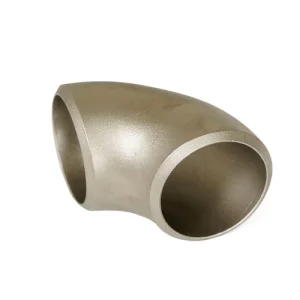
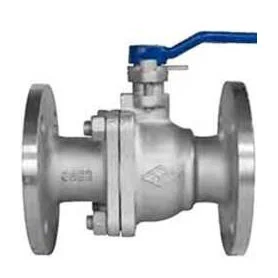
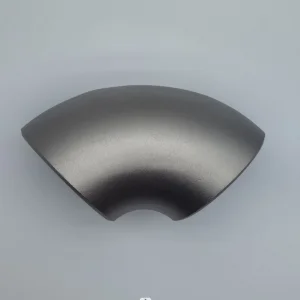
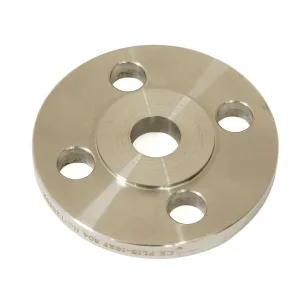
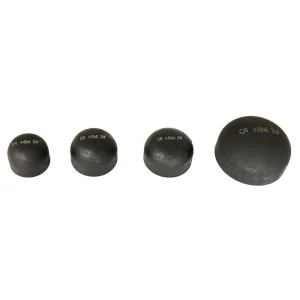
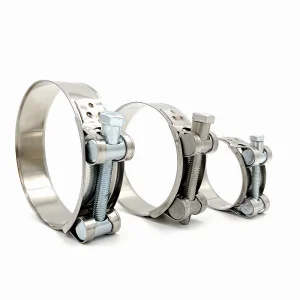
Seamlessly integrate your gate valve procurement with matching steel elbows, flanges, caps, and specialty valves direct from Cangzhou.