
Featured Industrial Control Valves & Flange Components
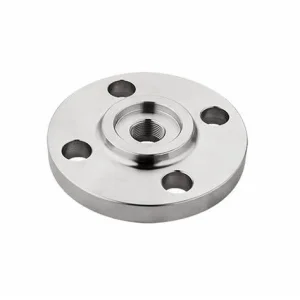
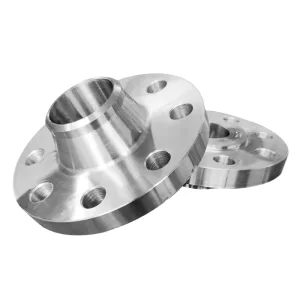
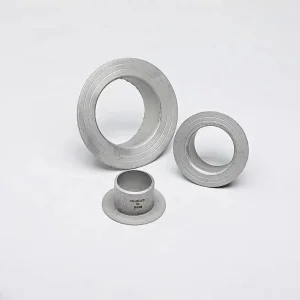
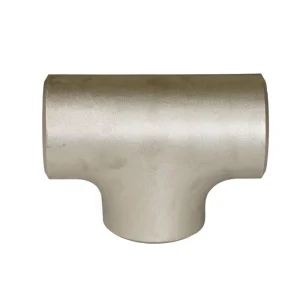
Explore our factory-direct inventory of precision-machined forged flanges, seamless fittings, and control valve integration points.
Executive Overview: The Physics & Engineering of Wholesale Control Valves
Understanding the critical dynamics of process modulation, cavitation suppression, and flow control architecture in severe-service industrial fluid networks.
In modern industrial process automation, control valves serve as the final control element regulating fluid flow, pressure, temperature, and liquid level under dynamically shifting thermodynamic conditions. Unlike standard isolation valves (such as gate or ball valves designed solely for binary on/off operation), a high-performance control valve continuously modulates flow dynamics by adjusting its internal flow passage geometry based on real-time signals from automated process controllers (DCS/PLC).
A comprehensive wholesale control valve supply ecosystem demands deep integration between the valve body trim metallurgy, actuator thrust capacity, dynamic positioner electronics, and adjacent piping components including weld-neck flanges, seamless elbows, and pressure-rated reducers. When specifying control valves for critical infrastructure, plant design engineers evaluate three fundamental parameters:
- Flow Coefficient ($C_v$ / $K_v$ Metrics): The quantitative measure of valve capacity, specifying the volume of water at 60°F that will flow through the valve with a pressure drop of 1 psi across the fully open trim.
- Dynamic Cavitation & Flashing Mitigation: When local fluid pressure drops below the liquid's vapor pressure ($P_v$) at the vena contracta, vapor bubbles form. If downstream pressure recovers above $P_v$, violent implosions occur, causing severe mechanical erosion and noise. Advanced anti-cavitation cage trims dissipate fluid kinetic energy through multi-stage pressure drops.
- Rangeability & Flow Characteristics: The operational ratio between maximum flow capacity and minimum controllable flow. Standard linear, equal percentage, and quick-opening trim profiles are calibrated to offset system pipe friction losses and dynamic pressure variations.
Globe Control Valves
Linear stem movement providing maximum throttling precision. Ideal for high-pressure drop applications, severe temperature swings, and tight shut-off requirement classes (ANSI/FCI 70-2 Class IV, V, VI).
Eccentric Rotary & Butterfly Valves
High-capacity rotary design utilizing double and triple eccentric shaft offset geometry. Provides friction-free seat contact, reduced actuator torque requirements, and superior handling of slurries.
Segmented V-Port Ball Valves
Combines the shearing action of a heavy-duty edge trim with a parabolic V-notch. Prevents clogging in fibrous media, pulp paper streams, and high-viscosity hydrocarbon processing lines.
China's Wholesale Control Valve Ecosystem & Supply Chain Superiority
Why international EPC contractors and global distributors rely on integrated manufacturing hubs like Cangzhou for heavy industrial fluid hardware.
Vertical Foundry & Machining Integration
China's premier valve clusters integrate sand casting, investment casting, multi-axis CNC machining, heat treatment, and hydrostatic testing facilities within a localized 50-kilometer industrial zone. This vertical cohesion eliminates raw material transport delays, optimizes billet forging quality, and delivers a 35% to 45% Total Cost of Ownership (TCO) advantage over European or North American production bases without compromising metallurgical standards.
Rigorous QA/QC & Non-Destructive Testing (NDT)
Modern Chinese control valve factories operate under strict ISO 9001, CE-PED, and API 6D management systems. Comprehensive quality assurance protocols include 100% Positive Material Identification (PMI), Radiographic Testing (RT) for casting sound integrity, Ultrasonic Testing (UT) for heavy forged flanges, dye penetrant inspection, and fugitive emission testing according to ISO 15848-1 Class A.
| Material Grade Standard | Nominal Composition | Temperature Range | Recommended Fluid Service |
|---|---|---|---|
| ASTM A216 Grade WCB / WCC | Carbon Steel | -29°C to 425°C (-20°F to 800°F) | Non-corrosive fluids, steam, water, feed-water, boiler loops. |
| ASTM A351 Grade CF8M (SS316) | 18Cr-12Ni-2.5Mo Stainless | -196°C to 538°C (-320°F to 1000°F) | Corrosive chemicals, nitric acid, cryogenic fluids, offshore marine. |
| ASTM A217 Grade WC9 | 2.25Cr-1Mo Alloy Steel | -29°C to 593°C (-20°F to 1100°F) | High-temperature superheated steam, power generation headers. |
| ASTM A890 Grade 4A (Duplex 2205) | 22Cr-5Ni-3Mo-N Stainless | -50°C to 300°C (-58°F to 572°F) | High chloride environments, seawater desalination, brackish water. |
| Hastelloy C276 / Inconel 625 | Ni-Mo-Cr Superalloy | -196°C to 650°C (-320°F to 1200°F) | Severe sour gas (H2S), concentrated sulfuric acid, severe cavitation. |
Global Technology Horizons: Smart Actuation & Severe Service Innovation
How Industry 4.0 digitalization and carbon-neutral energy transitions are driving next-generation control valve specifications.
Smart Electro-Pneumatic Positioners
Integration of digital positioners with HART, Foundation Fieldbus, and Profibus PA communication protocols. Real-time online diagnostics analyze stem friction, valve travel dynamic error, supply pressure fluctuations, and partial stroke testing (PST) for safety instrumented systems (SIS).
Additive Manufacturing & Labyrinth Trims
3D metal printing (SLM technology) allows the fabrication of multi-stage micro-channel labyrinth cages. These advanced geometries break high pressure differentials into dozens of discrete, low-energy stages, completely eliminating noise exceeding 85 dBA and micro-jet erosion.
Hydrogen & Cryogenic Infrastructure
With the expansion of Liquefied Natural Gas (LNG) terminals and green hydrogen distribution, control valves require extended bonnet cold-box designs capable of operating at -196°C (-320°F), combined with fugitive emission stem packing that guarantees zero helium leakage.
Sector-Specific Field Engineering & Macro Solutions
Engineered control valve and pipeline component packages tailored for extreme operational stress across core processing industries.
Oil & Gas Upstream & Refining Solutions
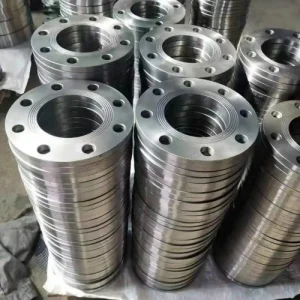
In wellhead choke manifolds and fluid catalytic cracking units (FCCU), control valves must withstand high sand slurry concentration, flashing crude oil, and sour gas service compliant with NACE MR0175/ISO 15156. Paired with ASME B16.5 heavy-wall weld neck flanges and high-yield carbon steel elbows, our wholesale supply ensures seamless pressure boundary integrity under Class 1500 to Class 2500 ratings.
Thermal & Combined Cycle Power Plants
Boiler feed-water recirculation systems and steam turbine bypass stations demand control valves engineered for extreme thermal shock and pressure drops exceeding 150 bar. Utilizing chrome-moly alloy valve bodies (ASTM A217 WC9) and satellite-hardfaced trim components guarantees thousands of operational cycles without seat leakage or mechanical galling.
Chemical & Petrochemical Processing
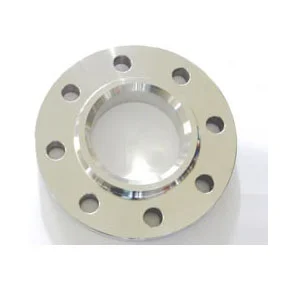
Handling highly aggressive media such as hydrofluoric acid, chlorine, and organic solvents requires specialized PTFE-lined or exotic alloy (Titanium, Hastelloy) valve linings. Our factory provides complete chemical skid piping packages incorporating socket weld stainless steel flanges, pipe caps, and equal tees configured for non-contaminating, zero-leakage performance.
Municipal Water Infrastructure & Desalination
For large-scale water transmission lines, reverse osmosis (RO) desalination plants, and urban distribution systems, large-diameter double eccentric flanged butterfly control valves (DN300 to DN2400) deliver precise flow regulation with minimal head loss. Coated with food-grade fusion-bonded epoxy (FBE), these systems protect water purity while preventing destructive water hammer pressure surges.
Global Procurement Specifications & Technical Qualification Framework
A standardized roadmap for procurement managers, EPC sourcing specialists, and quality auditors.
Procuring wholesale control valves and primary pipeline equipment requires rigorous alignment between engineering datasheets and factory manufacturing capabilities. Below is the standard engineering qualification verification process executed by major international EPC firms during factory acceptance audits:
- Material Traceability & EN 10204 3.1 / 3.2 Certification: Every pressure-retaining casting, forging, stem, and flange must be accompanied by certified Mill Test Reports (MTRs) detailing chemical heat analysis, mechanical tensile strength, yield points, and Charpy V-Notch impact testing at specified sub-zero temperatures.
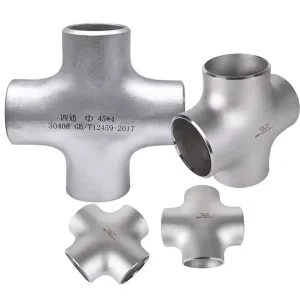
- Pressure Boundary Design Standards: Structural calculations must conform strictly to ASME B16.34 (Valves - Flanged, Threaded, and Welding End), ASME B16.5 / B16.47 (Pipe Flanges), and ASME B16.9 (Factory-Made Wrought Butt-Welding Fittings).
- Actuator Thrust & Torque Safety Margins: Pneumatic diaphragm and piston actuators must be sized with a minimum 1.3 to 1.5 safety factor over maximum dynamic shut-off differential pressure ($\Delta P$) conditions to prevent stem stalling.
- Third-Party Inspection (TPI): Full compliance with global inspection agencies including Lloyd's Register, TÜV, Bureau Veritas (BV), and SGS for witnessing hydrostatic pressure testing, seat leakage calibration, and NDT examination.
Frequently Asked Questions by Sourcing & Project Engineers
Expert guidance on control valve selection, sizing, leakage standards, and factory procurement protocols.
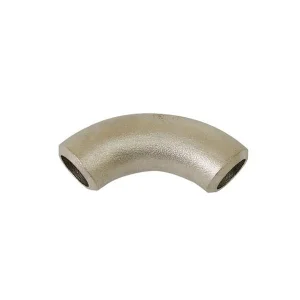
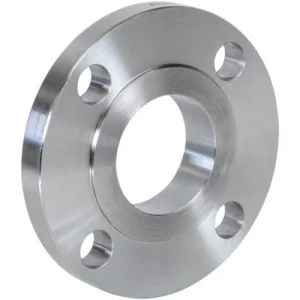
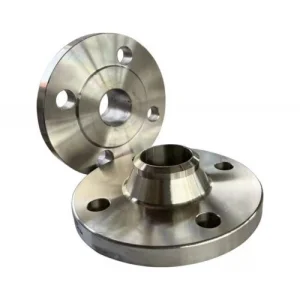
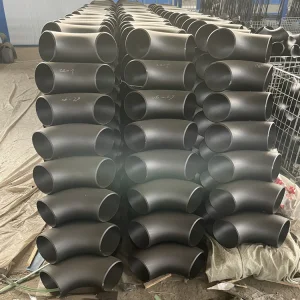
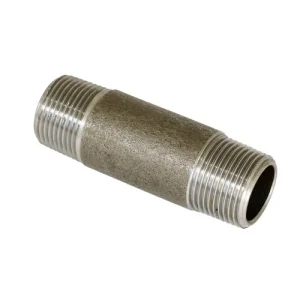
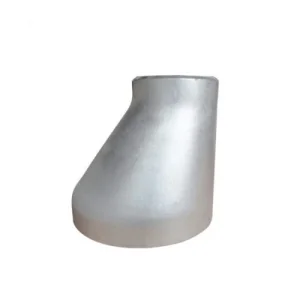
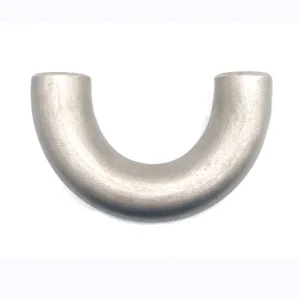
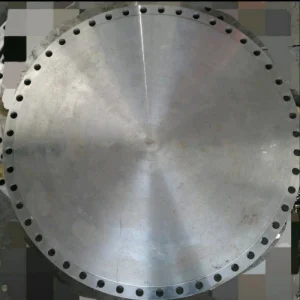
Heavy-Duty Fittings, Elbows & Structural Flange Assemblies
Complete your flow control system with our factory-direct carbon steel, alloy, and stainless steel pipe connection infrastructure.
Partner with China's Premier Control Valve & Piping Manufacturing Group
Streamline your engineering procurement with direct factory pricing, certified material traceability, and dedicated OEM support for critical projects worldwide.