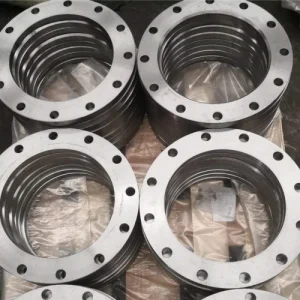
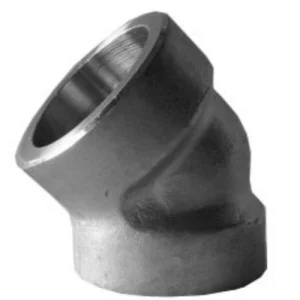
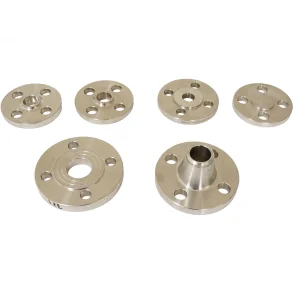
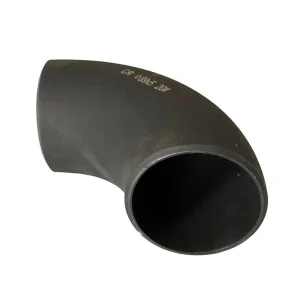
Featured Industrial Components & Socket Weld Series (Part 1)
Explore our flagship high-pressure piping components manufactured in strict adherence to ASME, ASTM, GOST, BS, and EN international standards. Engineered for seamless structural integrity and zero-leakage performance.
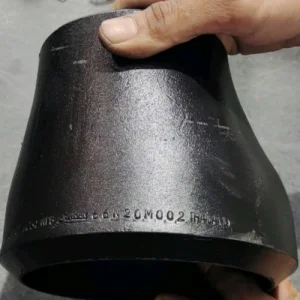
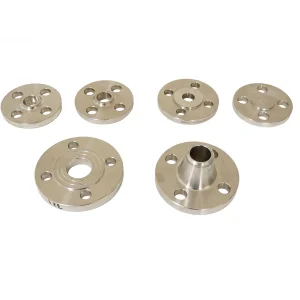
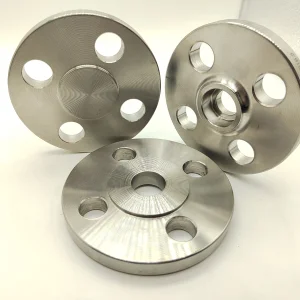
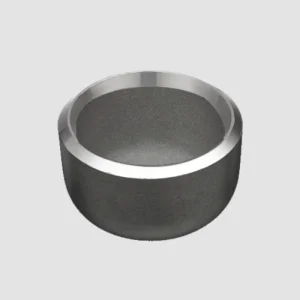
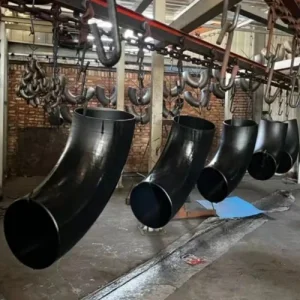
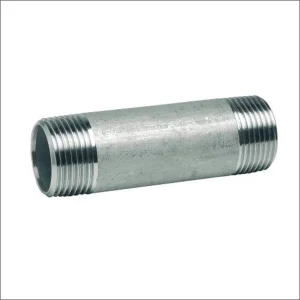
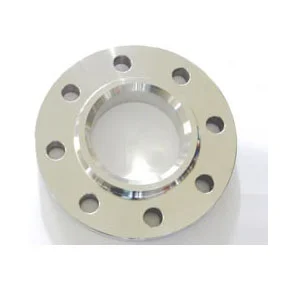
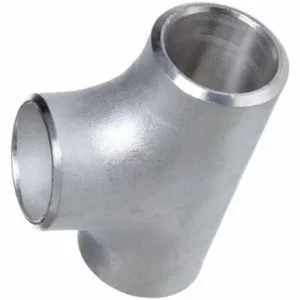
1. Architectural Anatomy & Precision Mechanics of Socket Weld (SW) Flanges
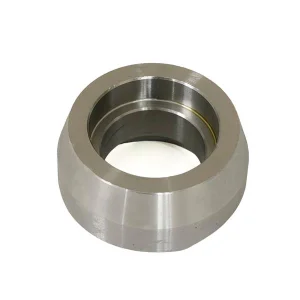
Socket Weld (SW) Flanges are fundamentally distinguished by their internal recessed socket bore designed to guide and anchor small-diameter piping before fillet welding. Originally designed for high-pressure, high-velocity piping infrastructure where vibration and intense fluid dynamics are localized, SW flanges offer superior fatigue resistance and hydrodynamic efficiency compared to conventional threaded fittings.
Thermal Gap Expansion Tolerance
In accordance with ASME B16.11 standards, precise installation of Socket Weld Flanges requires a mandatory 1/16-inch (approx. 1.5mm) expansion gap between the pipe end and the bottom shoulder of the socket. This structural recess mitigates residual thermal stresses, preventing weld cracking during extreme high-temperature expansion cycles.
Dynamic Fatigue & Flow Dynamics
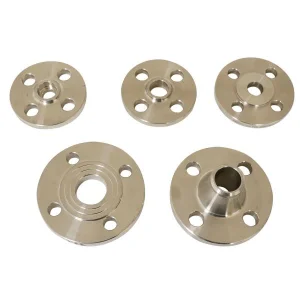
Unlike Slip-On flanges that require double fillet welds, Socket Weld flanges rely on a single outer fillet weld, delivering exceptional mechanical rigidity. Smooth internal bore finishing ensures minimal turbulences, reducing localized flow cavitation and localized erosion-corrosion across critical processing networks.
Forced Dimensional Concentricity
The recessed bore inherently self-aligns the pipe axis prior to welding, streamlining field fit-ups, reducing assembly time, and completely eliminating axial misalignment errors common in manual butt-weld positioning for small NPS (Nominal Pipe Size) systems.
| Flange Type | ASME / Standard Reference | Fatigue Resistance | Primary Application Scope | NDT Inspection Suitability |
|---|---|---|---|---|
| Socket Weld (SW) | ASME B16.5 / B16.11 | High (1.5x Slip-On) | Small Bore Piping (NPS 1/2 to 2", High Pressure) | Magnetic Particle (MT) & Liquid Penetrant (PT) |
| Weld Neck (WN) | ASME B16.5 | Very High (Optimal) | High Pressure, Extreme Thermal Cycles & Large Bore | Full Radiographic (RT) & Ultrasonic (UT) |
| Slip-On (SO) | ASME B16.5 | Moderate | Low-Pressure Utility Lines, Water & General Fluid Handling | Visual (VT) & Surface Crack Detection |
| Threaded (NPT) | ASME B16.5 / B1.20.1 | Low | Non-Welded Environments, Highly Volatile Hazardous Gas (Low Pressure) | Pressure Testing & Bubble Leak Checks |
2. Global Enterprise Procurement Trends & SW Flange Market Dynamics
As global infrastructure transitions toward clean energy vectors (Hydrogen, Ammonia, and LNG) while upgrading legacy refining networks, procurement departments demand unprecedented material traceability, microstructural integrity, and strict compliance with chemical and mechanical test reports (MTRs).
Shift Toward Super Alloys & Duplex Steels
Modern petro-refining and offshore drilling environments involve aggressive sour gas ($H_2S$) exposure. Global EPC contractors now mandate high-nickel duplex alloys including ASTM A182 F51/F53/F55 and Inconel 625 Socket Weld flanges to prevent Hydrogen-Induced Cracking (HIC) and Stress Corrosion Cracking (SCC) in sour services per NACE MR0175/ISO 15156.
Automated Digital Procurement & Material Traceability
Enterprise procurement platforms require instant digitally signed EN 10204 3.1 & 3.2 Inspection Certificates. Heat number traceability linked directly via laser-etched QR codes ensures total transparency from raw steel billet melting to final machine-finished flange face inspection.
Zero-Defect Quality Mandates for Modular EPC Skids
With modular plant construction expanding across North America, Europe, and the Middle East, pre-fabricated piping skids rely heavily on Socket Weld flanges. Precision machining ensures drop-in fitment, eliminating site rework during integration of critical pump, compressor, and metering units.
3. Macro Industry Solutions & High-Pressure Integration Blueprints
Our engineered Socket Weld flanges and forged pipe fittings serve as vital nodes in critical infrastructure solutions across diverse heavy industries.
Oil & Gas Hydroprocessing & Refining
Designed for severe temperature variations and high kinetic pressure pulses, our ASTM A105 and ASTM A182 F316L SW flanges prevent leaks in secondary hydrocarbon distillation, hydrocracking loops, and chemical dosing lines.
Cryogenic LNG Liquefaction & Regasification
Operating under ultra-low thermal conditions down to -196°C, stainless steel grades like ASTM A182 F304L/F316L undergo Charpy V-Notch impact testing to guarantee fracture toughness and liquid-tight containment.
Nuclear Power & Steam Generation Systems
Manufactured under rigorous nuclear quality assurance frameworks, low-alloy chrome-moly flanges (ASTM A182 F11, F22, F91) provide creep resistance under superheated steam conditions up to 600°C.
4. Global Quality Compliance, Regulatory Frameworks & Regional Localization
Cross-border piping projects demand strict alignment with multi-jurisdictional standardizations. Our integrated manufacturing plants enforce stringent quality management protocols certified to worldwide industrial metrics.
International Certifications
Fully certified to ISO 9001:2015 Quality Management, PED 2014/68/EU (Pressure Equipment Directive for Europe), CRN (Canadian Registration Number), and EAC Declaration for Eurasian Economic Union entry.
Non-Destructive Testing (NDT) Suite
Every forging lot undergoes rigorous 100% Positive Material Identification (PMI), Ultrasonic Flaw Detection (UT), Magnetic Particle Inspection (MT) for surface cracks, and Hardness Testing (Brinell/Vickers) to verify mechanical heat treatment.
Export Packaging & Regional Support
Products are treated with anti-corrosion VCI rust-preventative oil, fitted with plastic end caps, and enclosed in heavy-duty seaworthy ISPM-15 wooden cases tailored for long-distance maritime and intermodal freight.
5. Technical Roadmap & Future Manufacturing Horizons (2025–2035)
Our engineering R&D team continuously pioneers advanced metallurgical techniques and digital transformation to shape the next generation of piping components.
Precision Closed-Die Smart Forging
Integration of AI-driven closed-die forging presses utilizing real-time thermal sensors to optimize grain structure refineability, reducing raw material waste by 18% while enhancing tensile yield strength.
IIoT-Enabled Smart Flange Monitoring
Development of embedded micro-piezoelectric sensors within SW flange bodies to continuously transmit gasket stress, temperature, and micro-leakage telemetry to cloud control rooms in real time.
Zero-Carbon Green Metallurgy Initiative
Transitioning forging furnaces to 100% green hydrogen and electric induction power, yielding fully decarbonized certified carbon and stainless steel flanges for sustainable global energy infrastructure.
Frequently Asked Engineering Questions (FAQ)
Comprehensive technical responses for piping engineers, procurement specialists, and plant managers.
What is the difference between Socket Weld (SW) and Slip-On (SO) Flanges?
Why is a 1/16" (1.5mm) gap required before welding Socket Weld Flanges?
Which pressure classes are Socket Weld Flanges available in?
Can Socket Weld Flanges be used in severe sour gas ($H_2S$) environments?
What non-destructive testing (NDT) methods are used to inspect SW Flanges?
What flange facings can be machined on Socket Weld Flanges?
Featured Industrial Components & Socket Weld Series (Part 2)
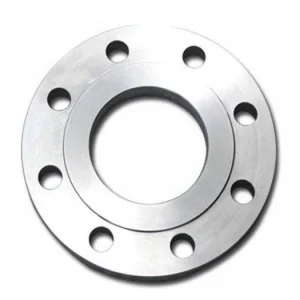
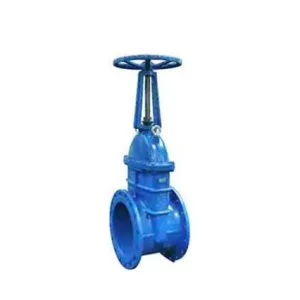
Complete your piping material package with our high-performance forged fittings, blind flanges, plate flanges, and industrial flow control valves.