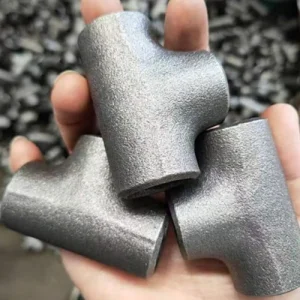
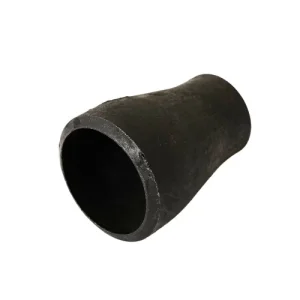
High-precision concrete culverts, heavy-duty pressure piping, and industrial forged steel connections optimized for global engineering contracts.
Analysis of international infrastructure demand, urban hydrology upgrades, and structural standards driving precast concrete culvert pipe manufacturing worldwide.
Modern civil engineering relies heavily on precast concrete culvert pipes for subterranean fluid conveyance, municipal stormwater management, highway cross-drainage, and agricultural irrigation networks. As global urbanization accelerates and climate-induced storm events intensify, the commercial demand for heavy-duty, high-load concrete culvert systems has reached unprecedented levels.
Driven by the Infrastructure Investment and Jobs Act (IIJA), DOT-compliant reinforced concrete pipe (RCP) demand strictly adheres to ASTM C76 (Reinforced Concrete Culvert, Storm Drain, and Sewer Pipe) and AASHTO M170 specifications, requiring rigorous D-Load testing for heavy earth fills.
European projects demand compliance with EN 1916 and ISO 9001 quality frameworks. In the GCC region, extreme soil salinity and sulfate attacks necessitate specialized high-density concrete mixes incorporating microsilica and GGBS (Ground Granulated Blast-furnace Slag).
Massive transcontinental highway and railway developments require standardized precast box culverts and circular pipes capable of maintaining structural integrity across seismic zones, floodplains, and extreme climate fluctuations.
A deep dive into structural mechanics, steel cage reinforcement, concrete chemistry, and ASTM C76 D-Load classifications for civil engineering buyers.
Concrete culvert pipes are engineered rigid conduits designed to bear both internal hydrostatic pressure and immense external earth and live loads (such as HL-93 truck loading). Structural performance depends directly on concrete mix design, water-cement ratios ($w/c < 0.35$), and automated steel reinforcement cage fabrication.
| ASTM C76 Class | Minimum Concrete Strength ($f'c$) | D-Load 0.01-in Crack (N/m/mm) | D-Load Ultimate Strength (N/m/mm) | Primary Application Field |
|---|---|---|---|---|
| Class I | 27.6 MPa (4,000 PSI) | 25.0 | 37.5 | Low-fill embankment drainage, shallow ditches |
| Class II | 27.6 MPa (4,000 PSI) | 37.5 | 56.3 | Standard municipal storm sewers, light traffic roads |
| Class III | 27.6 MPa (4,000 PSI) | 50.0 | 75.0 | State highways, medium fill earth depths (2-4m) |
| Class IV | 34.5 MPa (5,000 PSI) | 75.0 | 112.5 | Heavy interstate highways, deep embankments, railway culverts |
| Class V | 41.4 MPa (6,000 PSI) | 125.0 | 175.0 | Airport runways, port container terminals, ultra-deep soil covers (>8m) |
High-quality concrete culverts utilize Type II or Type V Portland Cement combined with supplementary cementitious materials (SCMs):
- Silica Fume (5-10%): Reduces permeability, refining pore structure to block chloride ion penetration.
- Fly Ash (Class F, 15-25%): Enhances long-term compressive strength and mitigates Alkali-Silica Reactions (ASR).
- Polypropylene Micro-Fibers: Controls plastic shrinkage cracking during high-speed steam curing.
Reinforcement cages are manufactured using automatic spiral cage welding machines. Tensile yield strength ($f_y$) meets or exceeds 485 MPa (ASTM A1064 cold-drawn wire fabric). Dual elliptical steel cages are utilized for non-circular load distributions under severe fill conditions.
Why leading global EPC contractors source high-precision concrete culverts, flanges, and piping infrastructure from Chinese manufacturing hubs like Cangzhou.
Modern Chinese factories deploy automated vertical radial press and roller suspension casting machines. This high-energy compaction method guarantees zero internal voiding, precise dimensional tolerances ($\pm 1\text{mm}$), and instant demolding efficiency.
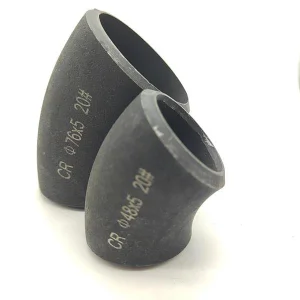
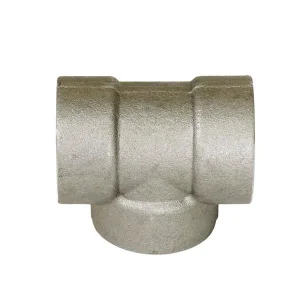
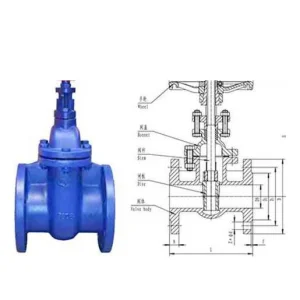
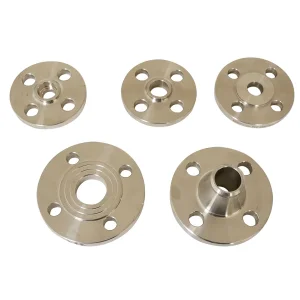
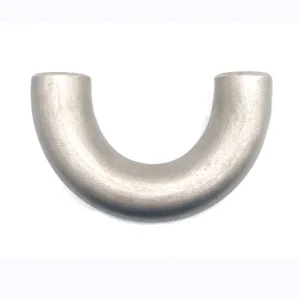
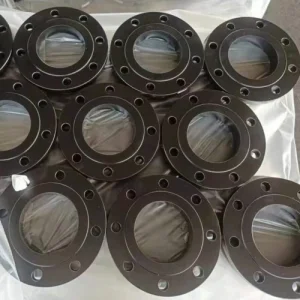
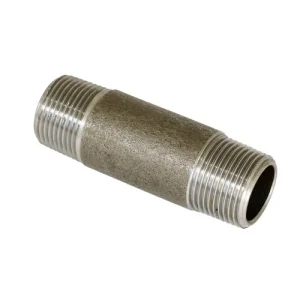
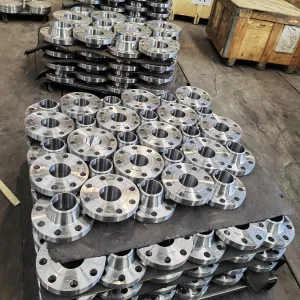
In hubs such as Cangzhou, Hebei, concrete pipe production works in direct alignment with industrial pipe fitting manufacturers. Procurement managers can bundle precast culverts with matching carbon steel headers, forged flanges, valves, and transition adapters in a consolidated purchase order.
With automated batching plants producing over 1,500 meters of concrete culvert pipe daily per line, Chinese factories offer unrivaled lead times. Proximity to major deep-water seaports (Tianjin, Shanghai, Qingdao) ensures seamless containerized or breakbulk shipping.
Tailored structural geometries and protective technologies for diverse geological and municipal requirements.
Installed beneath embankments to allow natural stream flow without interrupting ground transportation. High-strength precast box culverts and tongue-and-groove circular pipes prevent differential settlement under repeated cyclic live loads.
Designed with steel joint collars and smooth outer walls for trenchless installation. Pipe jacking concrete culverts absorb immense axial thrust forces ($>10,000 \text{ kN}$) exerted by hydraulic jacks during sub-surface excavation under dense urban corridors.
Engineered to ASTM C76 Class V specs, these ultra-heavy-wall pipes withstand point loads from aircraft landing gear (e.g., Boeing 777/Airbus A380) and port gantry cranes without structural deflection or micro-fracturing.
For municipal sewage containing hydrogen sulfide ($H_2S$) or acidic industrial effluents, concrete culverts are co-extruded with an internal High-Density Polyethylene (HDPE) or Polyvinyl Chloride (PVC) lock liner to guarantee zero chemical degradation.
A step-by-step technical inspection checklist for international buyers and third-party agencies (SGS, TÜV, Bureau Veritas).
Rigid verification of structural strength. Hydraulic actuators apply incremental line loads to measure the exact force required to produce a 0.01-inch (0.25mm) crack along the 100-foot interior crown, ensuring compliance with ASTM C497.
Joint tightness testing utilizing elastomeric rubber gaskets (conforming to ASTM C443 or EN 681-1). Pipes are joined and subjected to internal hydrostatic pressure up to 90 kPa (13 psi) for 24 hours to confirm zero leakage.
Electromagnetic cover meters verify steel cage position and concrete cover thickness (minimum 25mm to prevent rebar corrosion). Internal diameter, wall thickness, and joint squareness are measured via digital lasers.
Addressing essential technical, financial, and logistical questions raised by civil engineers and procurement specialists.
How do concrete culvert pipes compare to corrugated metal pipe (CMP) and HDPE pipes?
What joint types are available for concrete culvert pipes?
- Tongue and Groove (T&G): Ideal for storm drains where absolute watertightness is not critical; sealed with mastic or butyl sealant.
- Bell and Spigot (with O-Ring Rubber Gasket): Designed for pressure sewer applications requiring strict non-exfiltration and non-infiltration performance (ASTM C443).
- Jacking Steel Collar Joints: Smooth flush joints specifically built for trenchless microtunneling operations.
How is structural D-load calculated for precast concrete culvert pipes?
$$\text{D-Load} = \frac{\text{Total Test Load (P)}}{\text{Internal Diameter (D)} \times \text{Length (L)}}$$
This ensures standard load classification regardless of pipe diameter sizing.
What concrete additives are used to prevent sulfate corrosion in acidic soils?
Can Chinese concrete pipe manufacturers accommodate custom geometric box culverts?
What third-party quality inspection certificates accompany overseas shipments?
How are concrete culverts protected from damage during ocean transport?
Can steel pipe fittings and concrete culverts be integrated into one procurement shipment?
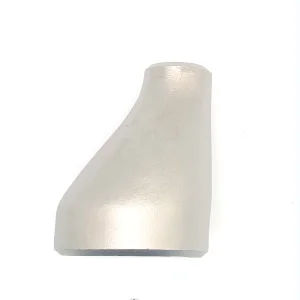
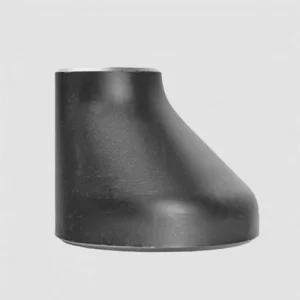
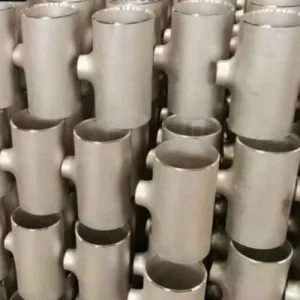
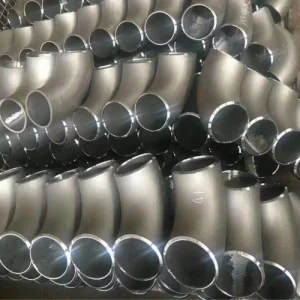
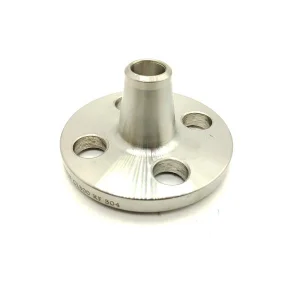
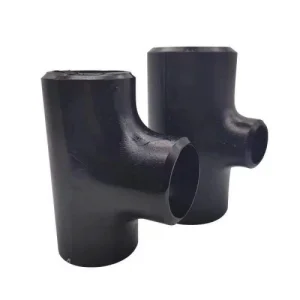
Explore our full line of industrial forged steel flanges, butt-weld reducers, pipe tees, and flow-control valves.