
Featured Precision Components (Series A)
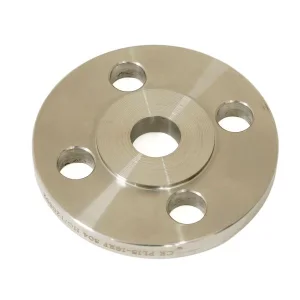
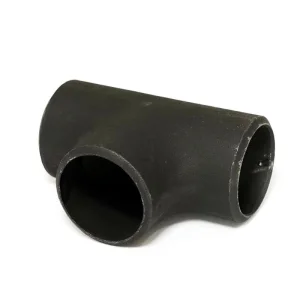
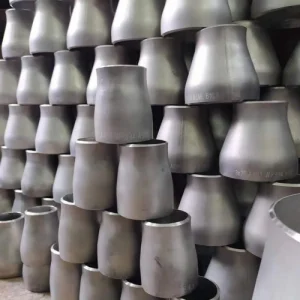
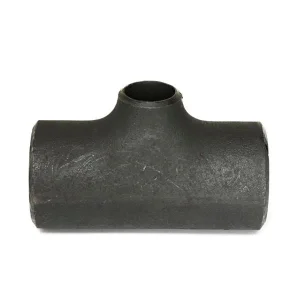
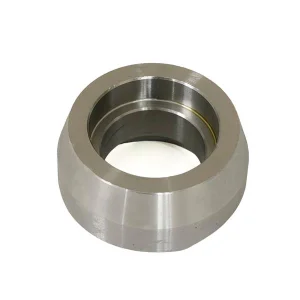
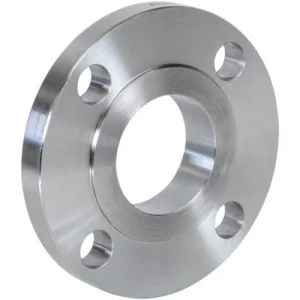
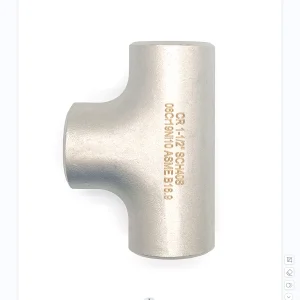
Explore our industry-standard brass compression systems, forged high-pressure steel flanges, and specialized piping infrastructure.
Executive Summary & Global Procurement Architecture
In modern industrial fluid networks, high-performance brass compression fittings serve as critical mechanical joints that bind complex HVAC/R, pneumatic, hydraulic, fuel delivery, and municipal potable water networks. The demand for industrial brass compression hardware is escalating across North America, Europe, and the Asia-Pacific region. Strategic B2B buyers and EPC procurement managers prioritize system integrity, Total Cost of Ownership (TCO), and stringent compliance over pure hardware unit cost.
Failure at a single compression joint in a high-pressure pneumatic system or chemical dosing circuit can precipitate massive downtime, costly environmental remediation, and severe safety hazards. This engineering briefing outlines key selection criteria, manufacturing standards, and technological roadmaps associated with industrial brass compression fittings.
Lead-Free Regulatory Compliance
Our brass compression fittings comply with global environmental mandates including NSF/ANSI 61, NSF/ANSI 372, RoHS III, and REACH, keeping lead content under 0.25% for potable water safety.
Dual-Ferrule Sealing Dynamics
Utilizing high-precision geometry, our dual-ferrule and single-ferrule brass fittings deliver leak-tight seals that resist severe thermal cycling and intense mechanical vibration.
Micro-CNC Tolerance Control
Formed on 5-axis CNC machining centers, our compression bodies ensure pitch diameter uniformity within ±0.005mm, eliminating thread galling and installation strain.
Metallurgical Formulations & Mechanical Integrity
Selecting the optimal alloy composition forms the foundational pillar of piping reliability. Brass fittings deployed in marine environments or aggressive fluid transportation circuits require Dezincification Resistant (DZR/CR) alloys, whereas standard pneumatic applications benefit from high-machinability free-cutting brass (C36000).
| Brass Alloy Grade | Standard Equivalent | Chemical Composition Key Elements | Primary Application Environment | Corrosion Resistance Level |
|---|---|---|---|---|
| C36000 (Free-Cutting Brass) | ASTM B16 / UNS C36000 | Cu: 60-63%, Pb: 2.5-3.7%, Fe < 0.35%, Zn: Balance | General pneumatic lines, HVAC controls, low-pressure gas | Moderate / Indoor Standard |
| CW617N (EN Standard) | EN 12164 / CuZn40Pb2 | Cu: 57-59%, Pb: 1.6-2.5%, Al < 0.05%, Zn: Balance | European standard HVAC systems, OEM fluid modules | High / Municipal Water Compliant |
| DZR Brass (CW602N) | ISO 6509 / UNS C35330 | Cu: 61-63%, As: 0.02-0.15%, Pb: 1.7-2.8%, Zn: Balance | Aggressive acidic/alkaline water, coastal/marine infrastructure | Superior (Dezincification Resistant) |
| C27450 (Lead-Free Brass) | ASTM B584 / UNS C27450 | Cu: 60-65%, Pb < 0.25%, P: 0.04-0.15%, Zn: Balance | Potable water lines, NSF-61 certified medical/beverage lines | High / Eco-Safe Standard |
Engineering Note: When joining copper, PEX, aluminum, or thin-walled steel tubing via brass compression fittings, ensure that thread tightening torque matches manufacturer specification curves. Over-torquing can deform the inner sleeve (ferrule), creating localized stress concentration zones that accelerate fatigue failures under pressure pulsation.
Sector-Specific Infrastructure Solutions
Engineered to excel in demanding environments across global commercial and industrial facilities.
1. HVAC & Industrial Refrigeration Networks
Compression unions, elbows, and tees designed to sustain R410A, R32, and CO2 refrigerants under operating pressures exceeding 600 PSI. Precision-matched brass ferrules prevent refrigerant micro-leakage, preserving cooling efficiency.
2. Petrochemical & Process Instrumentation
High-integrity NPT and BSPT threaded brass compression adapters used in refinery instrumentation manifolds, impulse lines, and sample conditioning systems. Designed for gas-tight sealing against corrosive hydrocarbon gases.
3. Automotive & Heavy Transport Pneumatics
DOT-compliant brass compression fittings tailored for air brake networks, chassis air suspension, and industrial compressor systems. Designed to endure harsh road salt spray, thermal spikes, and continuous chassis vibration.
Technical Roadmap & Future Outlook (2025–2030)
The global fluid transfer hardware market is experiencing a profound transformation driven by three core technology trends:
- Autonomous IoT-Integrated Fittings: Next-generation brass compression bodies are incorporating micro-piezoelectric sensors capable of real-time monitoring of joint stress, pressure drop, and fluid temperature, transmitting maintenance alerts over wireless industrial protocols.
- Eco-Alloy Metallurgy: Accelerated migration away from conventional lead-bearing brass alloys toward advanced silicon-bronze and bismuth-modified brass matrices that offer equal machinability with zero toxic leaching risks.
- Additive-Enhanced Hydrodynamic Profiles: 3D-printed metal core tooling allows internal fluid paths within brass compression elbows to feature custom-curved radii, reducing internal turbulences and fluid pressure drop by up to 18%.
Global Quality Assurance & Supply Chain Resiliency
Operating as a global manufacturer and exporter demands multi-tiered quality control protocols. Every batch of raw brass rod undergoes optical emission spectrometry (OES) verification prior to hot forging or high-speed machining.
Furthermore, finished fittings are subjected to comprehensive hydrostatic testing, pneumatic bubble testing under water, and automated optical inspections (AOI) to verify thread profile continuity. Our global supply chain strategy leverages regional distribution centers across Europe, North America, and Southeast Asia to provide localized technical support and rapid inventory replenishment.
Specialized Piping Hardware (Series B)
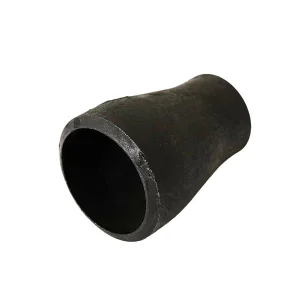
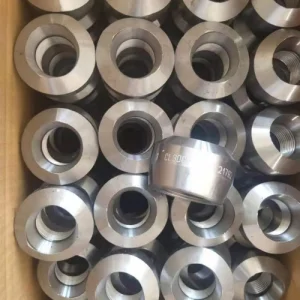
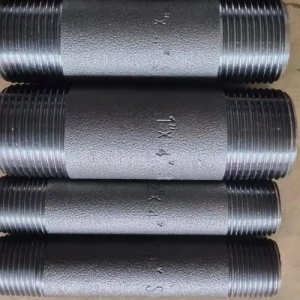
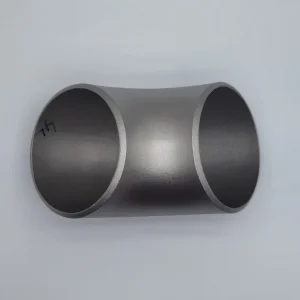
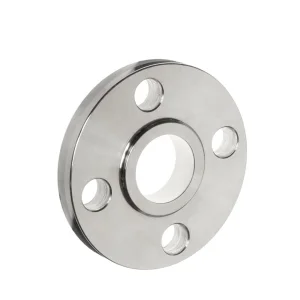
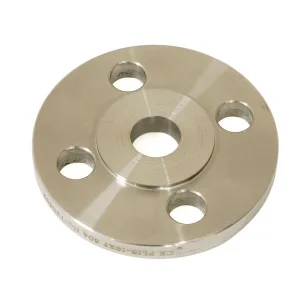
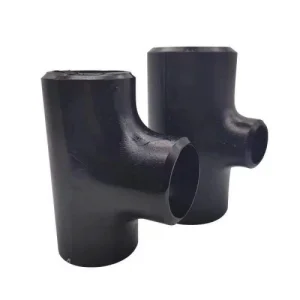
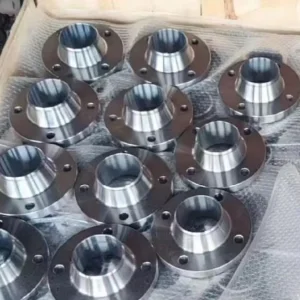
High-grade forged components, threaded nipples, socket weld fittings, and custom flange configurations.
Technical Q&A & Procurement Knowledge Base
Expert answers to common engineering, installation, and compliance inquiries.