Engineered Piping & Flow Control Portfolio
Certified high-performance industrial valves, flanges, and specialized butt-weld fittings manufactured for extreme operational integrity.
The Metallurgy & Structural Physics of 304 Ball Valves
Understanding material performance, passive oxide film mechanics, and precision fluid containment in modern process engineering.
Passive Oxide Layer Protection
AISI 304 alloy contains a minimum of 18% Chromium and 8% Nickel. Upon exposure to oxygen, it forms an invisible, self-healing Chromium Oxide (Cr₂O₃) passive layer that prevents localized pitting and galvanic corrosion in oxidative media.
High Mechanical Tensile Strength
With a yield strength exceeding 205 MPa and tensile strength reaching 515 MPa, cast CF8 valve bodies resist extreme line pressure spikes, water hammer vibrations, and structural piping thermal expansion stress without deformation.
Zero-Emission Stem Sealing
Our valve stems feature live-loaded Belleville spring packing systems engineered in compliance with ISO 15848-1 Class AH fugitive emission standards, virtually eliminating volatile organic compound (VOC) leakage.
Metallurgical Chemical Analysis & Physical Limits
Comparative analytical baseline for ASTM A351 Grade CF8 (Cast 304) versus Wrought AISI 304 Stainless Steel used in valve manufacturing.
| Material Parameter | ASTM A351 CF8 (Cast 304 Ball Body) | AISI 304 (Wrought Valve Stem/Ball) | ASTM A351 CF3 (Low Carbon 304L) |
|---|---|---|---|
| Chromium (Cr) % | 18.00 - 21.00 | 18.00 - 20.00 | 17.00 - 21.00 |
| Nickel (Ni) % | 8.00 - 11.00 | 8.00 - 10.50 | 8.00 - 12.00 |
| Carbon (C) Max % | 0.08 | 0.08 | 0.03 |
| Manganese (Mn) Max % | 1.50 | 2.00 | 1.50 |
| Silicon (Si) Max % | 2.00 | 0.75 | 2.00 |
| Yield Strength (Min) | 205 MPa (30 ksi) | 205 MPa (30 ksi) | 180 MPa (26 ksi) |
| Tensile Strength (Min) | 485 MPa (70 ksi) | 515 MPa (75 ksi) | 485 MPa (70 ksi) |
| Elongation in 2 in. (Min) | 35% | 40% | 35% |
To combat alloy degradation and counterfeit raw material supply chains, premium manufacturers utilize X-ray Fluorescence (XRF) spectrographic analyzers to perform 100% PMI testing on all raw castings and forgings prior to machining. Every batch of 304 ball valves must be accompanied by EN 10204 3.1 Material Test Reports (MTR) detailing exact heat numbers and elemental breakdown.
Kinematic Design & Seating Configurations
Exploring floating ball vs. trunnion-mounted designs, seal seating polymers, and body assembly options.
1. Floating Ball Valve Architecture vs. Trunnion Mounted Design
2. Body Assembly Topology: 1-Piece, 2-Piece, and 3-Piece Valves
- 1-Piece Unibody: Features a reduced-port design cast as a single solid body. Offers minimal leak paths and high structural rigidity, ideal for OEM skid manufacturing where space and potential leakage points are critical concerns.
- 2-Piece Split-Body: The most prevalent full-port industrial design. Consists of a main body and an end cap threaded or flanged together. Provides an unobstructed flow path equal to the pipe's inner diameter, reducing pressure drop ($\Delta P$) to near zero.
- 3-Piece Swing-Out Body: Engineered specifically for high-maintenance industrial systems. The center body section containing the ball, stem, and seats can be swung out from the line by removing body bolts, allowing fast online seat replacement without desoldering or unbolting line flanges.
3. Polymer & Elastomer Seat Matrix Selection
- Virgin PTFE (Teflon): Standard seat material for non-abrasive fluids, offering excellent chemical inertness up to 180°C.
- RPTFE (15% Glass Filled PTFE): Reinforced with glass fibers to enhance compressive strength, wear resistance, and pressure-temperature rating up to 220°C.
- Carbon-Filled PTFE: Ideal for steam lines and thermal oil services, providing lower thermal expansion coefficient and self-lubrication.
- PEEK (Polyether Ether Ketone): Used in high-pressure, high-temperature (HPHT) applications where service temperatures reach 260°C and pressures exceed 100 bar.
Cross-Industry Application Architecture
How 304 ball valves perform across chemical, hygienic, energy, and municipal infrastructure installations worldwide.
Petrochemical & Refining
Used extensively in off-site utility lines, light hydrocarbon transfer, nitric acid processing, and low-pressure fuel gas manifolds where moderate corrosion protection and fast 90-degree quarter-turn operation are required.
Biopharmaceutical & Hygienic
Sanitary 304 ball valves feature cavity-filled seats and electropolished interior bores (Ra < 0.4 µm) with Tri-Clamp end connections, eliminating fluid dead-zones to prevent bacterial growth in CIP/SIP cleanrooms.
Water Treatment & Desalination
Deployed in reverse osmosis (RO) pre-treatment filtration loops, brackish water purification, and municipal chemical dosing plants where carbon steel valves suffer rapid corrosion degradation.
Quality Management & Testing Protocol
Rigorous quality assurance protocols ensuring structural integrity and compliance with global pressure vessel frameworks.
API 598 & ISO 5208 Testing
Every manufactured unit undergoes shell hydrostatic testing at 1.5 times the nominal working pressure and high-pressure seat air closure testing at 1.1 times nominal pressure to guarantee zero visual leakage.
CE / PED 2014/68/EU
Pressure Equipment Directive compliance ensures full traceability of pressure-retaining components, wall thickness tolerances according to ASME B16.34, and EU market access approval.
Fire-Safe API 607 / ISO 10497
Specially designed fire-safe 304 ball valves incorporate a secondary metal-to-metal seating surface. If primary soft seats burn in a fire, the ball seats against the metallic lip to prevent secondary leakage.
Technology Roadmap: Smart Automation & Green Energy
Advancing valve intelligence through digital twin integration, IoT positioners, and hydrogen service adaptation.
1. Direct-Mount Actuation Standards (ISO 5211)
2. IoT-Enabled Smart Valve Positioners & Predictive Maintenance
3. Green Hydrogen & Clean Fuel Pipeline Adaptation
Frequently Asked Questions (FAQ)
Engineering solutions to common procurement, design, and operational queries regarding 304 ball valves.
What is the core difference between 304 and 316 stainless steel ball valves?
When should I specify a 3-piece ball valve instead of a 2-piece valve?
What pressure standards do these 304 ball valves comply with?
Can 304 ball valves be used for steam applications?
How does ISO 15848-1 compliance impact environmental compliance?
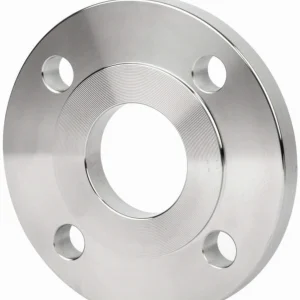
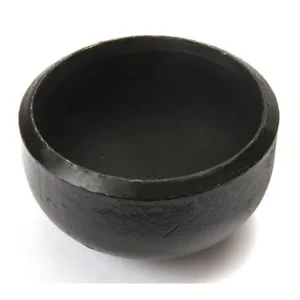
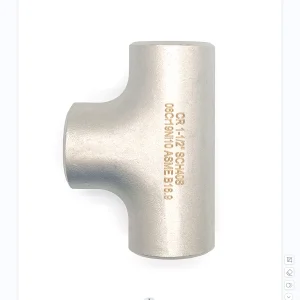
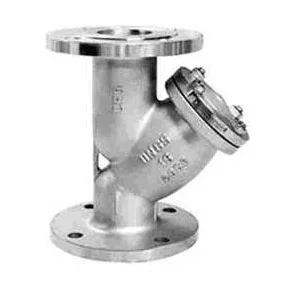
Complete Piping & Flange Integration
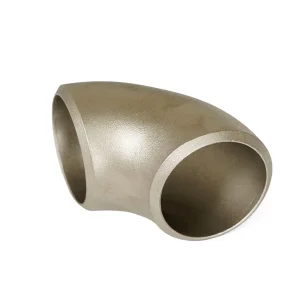
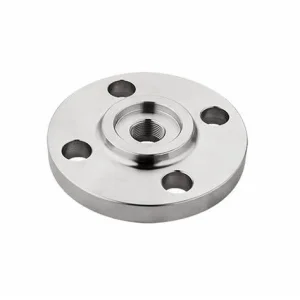
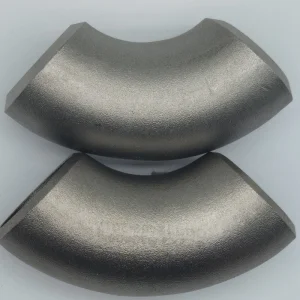
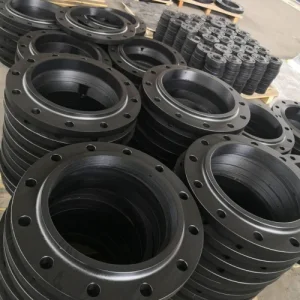
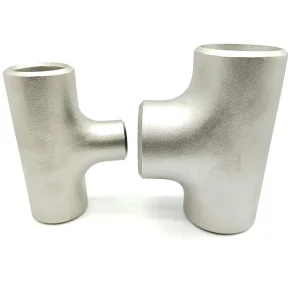
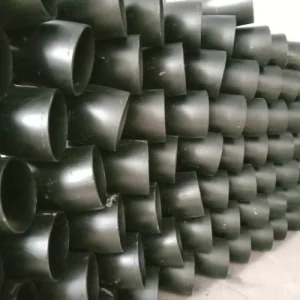
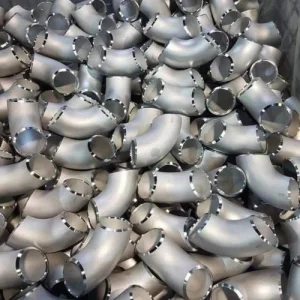
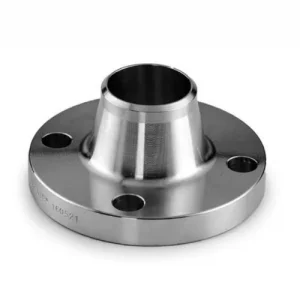
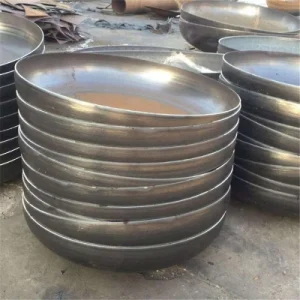
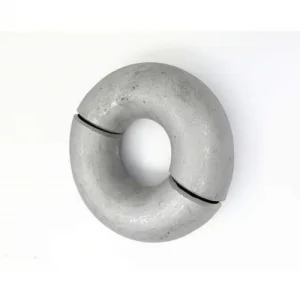
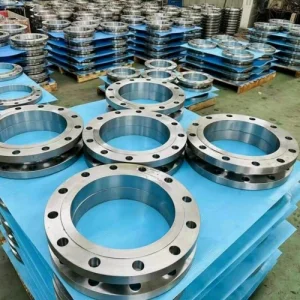
Match your 304 ball valve installations with our high-grade stainless steel elbows, flanges, tees, and seamless pipes.