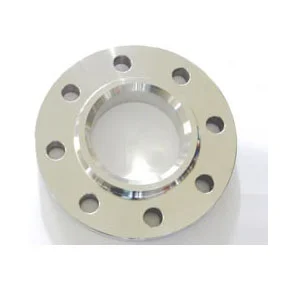
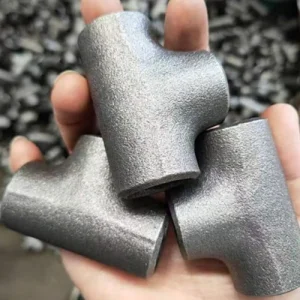
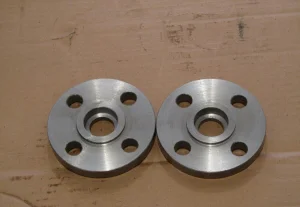
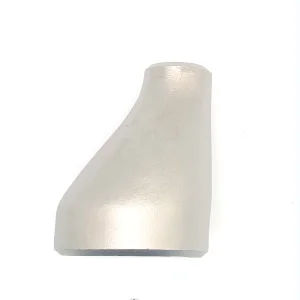
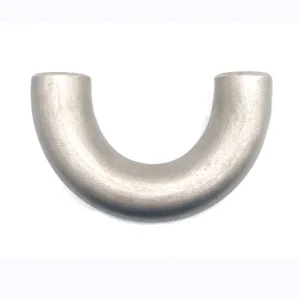
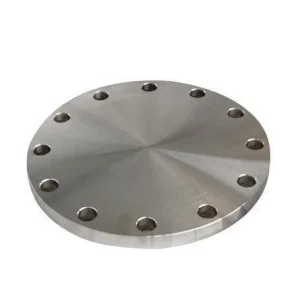
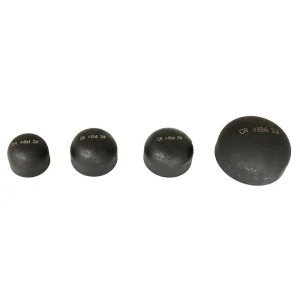
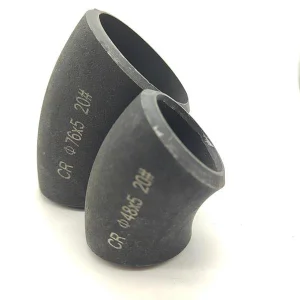
Featured Industrial Steel Flanges & Piping Components
Explore precision-engineered steel flanges, butt-weld pipe fittings, and industrial valves compliant with ASME B16.5, EN 1092-1, and DIN specs directly from certified manufacturing facilities.
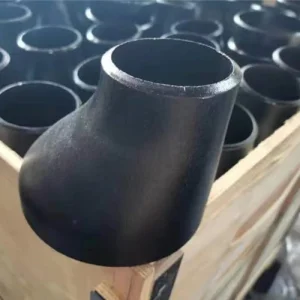
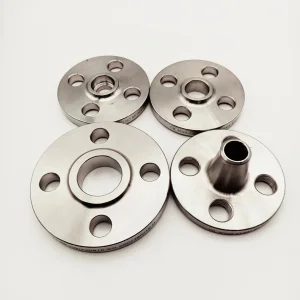
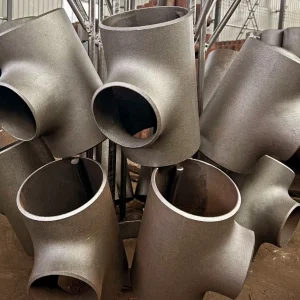
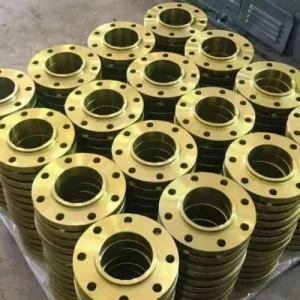
Global Steel Flange Ecosystem & Procurement Dynamics
Understanding macro-economic market shifts, industrial supply hubs, and critical specification parameters for international piping infrastructure.
In modern industrial engineering, steel flanges serve as the vital mechanical joints connecting pipes, valves, pumps, and pressure vessels across critical infrastructure. Whether deployed in deepwater subsea extraction, petrochemical refining, liquefied natural gas (LNG) regasification terminals, or nuclear power generation, the mechanical integrity of a flanged connection dictates overall system safety and longevity. Global demand for industrial steel flanges is driven by massive capital expenditures in energy transition projects, green hydrogen transport pipelines, water desalination networks, and localized chemical processing facilities.
From an international procurement perspective, sourcing steel flanges requires a thorough evaluation of manufacturing clusters, metallurgical compliance, and total cost of ownership (TCO). The market for industrial flanges spans key global manufacturing hubs—with Cangzhou in Hebei Province, China, standing out as one of the world's dense centers for high-capacity forging mills and CNC machining facilities. Collaborating directly with established manufacturers within this industrial cluster enables Engineering, Procurement, and Construction (EPC) contractors to leverage optimized material sourcing, advanced heat-treatment capabilities, and direct-to-factory competitive pricing structures.
Technical Specification Matrix & Dimensional Standards
A comprehensive comparison of industrial flange structural typologies, pressure classes, sealing face designs, and material grade standards.
| Flange Type | Applicable Standards | Pressure Classes | Sealing Face Options | Primary Industrial Applications |
|---|---|---|---|---|
| Weld Neck (WN) | ASME B16.5, ASME B16.47, EN 1092-1 Type 11, DIN 2631-2638 | Class 150 – 2500 PN 6 – PN 400 |
Raised Face (RF), Flat Face (FF), Ring Type Joint (RTJ) | High-pressure, thermal shock, cyclic stress piping loops in refineries and power plants. |
| Slip-On (SO) | ASME B16.5, EN 1092-1 Type 12, DIN 2576 / 2502 | Class 150 – 1500 PN 6 – PN 100 |
Raised Face (RF), Flat Face (FF), Male/Female (M/F) | Low to medium pressure fluid handling, municipal utility distribution, HVAC lines. |
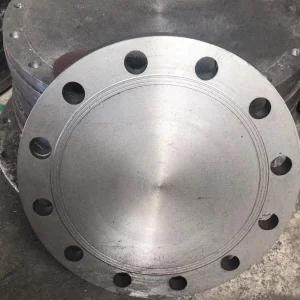
| Blind Flange (BL) | ASME B16.5, ASME B16.47, EN 1092-1 Type 05, DIN 2527 | Class 150 – 2500 PN 6 – PN 400 |
RF, FF, RTJ, Tongue & Groove (T&G) | Pipeline end isolation, pressure vessel inspection ports, maintenance dead-ends. |
| Plate / Flat Flange | EN 1092-1 Type 01, DIN 2573-2576, GB/T 9119 | Class 150 – 300 PN 2.5 – PN 40 |
Flat Face (FF), Raised Face (RF) | Low-pressure cooling water, irrigation networks, non-critical process piping. |
| Socket Weld (SW) | ASME B16.5, BS 3293 | Class 150 – 1500 | Raised Face (RF), Ring Type Joint (RTJ) | Small-bore high-pressure lines (NPS 2 and smaller) in hydraulic and chemical systems. |
| Threaded (NPT/BSPT) | ASME B16.5, DIN 2566 | Class 150 – 2500 PN 6 – PN 100 |
Raised Face (RF), Flat Face (FF) | Hazardous areas where welding is prohibited (e.g., explosive chemical zones). |
Metallurgical Grade Selection and Stress Criteria
Selecting the optimal raw material chemistry for forged steel flanges directly governs joint integrity under severe operational loads. Mechanical selection must evaluate tensile yield strength, ductility, toughness, and chemical compatibility with the process fluid. Key material grade classifications include:
- Forged Carbon Steel: ASTM A105 / A105N is the industry benchmark forged carbon steel for ambient and high-temperature service. For low-temperature applications down to -46°C (-50°F), ASTM A350 LF2 Class 1/2 provides exceptional Charpy V-notch impact toughness.
- Alloy Steel for High Heat: Chromium-molybdenum alloy steels such as ASTM A182 Grade F11, F22, F5, F9, and F91 offer elevated creep-rupture strength, crucial for superheated steam headers and boiler connections in fossil-fuel and nuclear power stations.
- Corrosion-Resistant Stainless Steel: Austenitic grades ASTM A182 F304/304L and F316/316L provide low carbon content to eliminate intergranular carbide precipitation during welding. For highly aggressive media, high-nickel alloys and duplex steels like F51 (UNS S31803 / 2205) and F53 (UNS S32750 / 2507) deliver twice the mechanical yield strength of standard stainless steels along with superior resistance to chloride stress-corrosion cracking.
Direct-to-Factory Procurement & Quote Calculation Framework
A clear breakdown of price drivers, manufacturing cost variables, and essential RFQ checklist items for global supply chain managers.
Essential Request for Quote (RFQ) Checklist for Buyers
To receive accurate, binding factory quotes from famous steel flange manufacturers, engineering procurement specialists should provide standardized parameters within their Request for Quotation (RFQ):
- Standard & Size: Specify exact dimensional standard (e.g., ASME B16.5, EN 1092-1 Type 11), nominal pipe size (NPS in inches or DN in mm), and wall thickness/pipe schedule (e.g., SCH 40, SCH 80, SCH XS, XXS).
- Pressure Rating: Class 150, 300, 600, 900, 1500, 2500 or PN rating (PN 6 to PN 400).
- Material Grade & Heat Treatment: Specify full grade designation (e.g., ASTM A105N Normalized, A182 F316L) and any special heat treatments (Solution Annealed, Quenched & Tempered).
- Facing Type & Finish: RF, FF, RTJ (specify ring groove type like R, RX, BX), along with required surface roughness (Ra value or AARH micro-inch range).
- Testing & Documentation Requirements: Material Test Report (MTR) according to EN 10204 3.1 or 3.2, NACE MR0175 compliance, low-temperature impact testing, magnetic particle or ultrasonic examination requirements.
Advanced Manufacturing Technology Roadmap
How leading steel flange manufacturers integrate smart forging automation, green steel metallurgy, and digital quality control systems.
Quality Assurance, Global Compliance & Export Packaging
Ensuring full regulatory compliance across international markets with rigid anti-corrosion protection and freight logistics management.
Exporting high-integrity forged steel flanges to international engineering sites demands rigorous adherence to regional codes and logistics standards. A top-tier manufacturer must maintain a comprehensive Quality Management System certified under ISO 9001:2015, the Pressure Equipment Directive (PED 2014/68/EU Module H), and AD 2000-W0 for European pressure vessel compliance. For Canadian projects, securing Canadian Registration Numbers (CRN) across all provinces is mandatory.
Preventing transit corrosion and mechanical damage to raised sealing faces during ocean transport is a crucial component of factory quality assurance. Famous manufacturers employ rigorous multi-stage surface preservation protocols:
- Surface Treatment & Coatings: Black rust-preventative paint, transparent anti-rust varnish, yellow anti-corrosion oil, or hot-dip galvanizing (HDG) compliant with ASTM A123 for harsh coastal installations.
- Sealing Face Protection: Heavy-duty plastic caps or hardwood bevel protectors applied to machined sealing faces and weld ends to prevent impact gouging.
- Export Packaging Standards: Custom fumigated ISPM-15 wooden boxes or heavy-steel reinforced pallets wrapped in Volatile Corrosion Inhibitor (VCI) plastic film, engineered to withstand transoceanic shipping and humid port storage.
Frequently Asked Questions (FAQ)
In-depth technical and commercial answers addressing common engineering challenges, standards compliance, and order execution.
Additional Industrial Flanges & Piping Products
Browse our extended product catalog of forged steel flanges, butt-weld pipe tees, elbows, and end caps engineered for heavy-duty industrial projects worldwide.