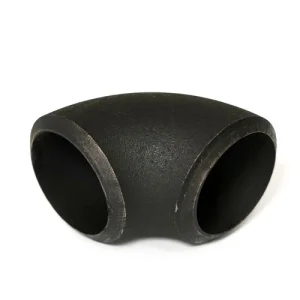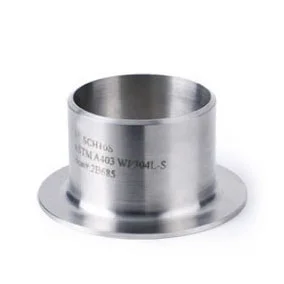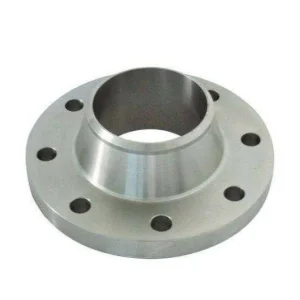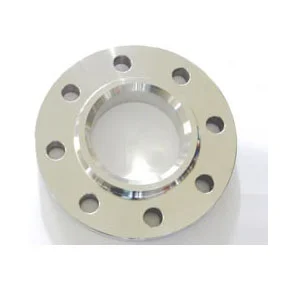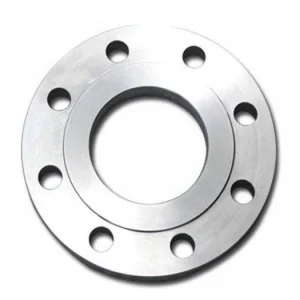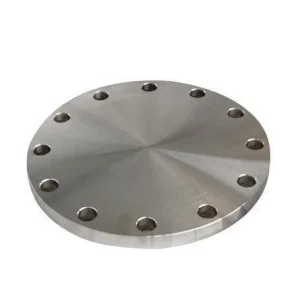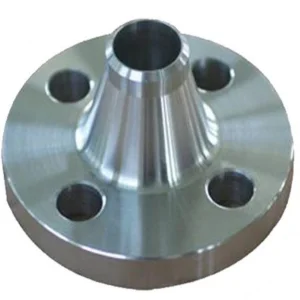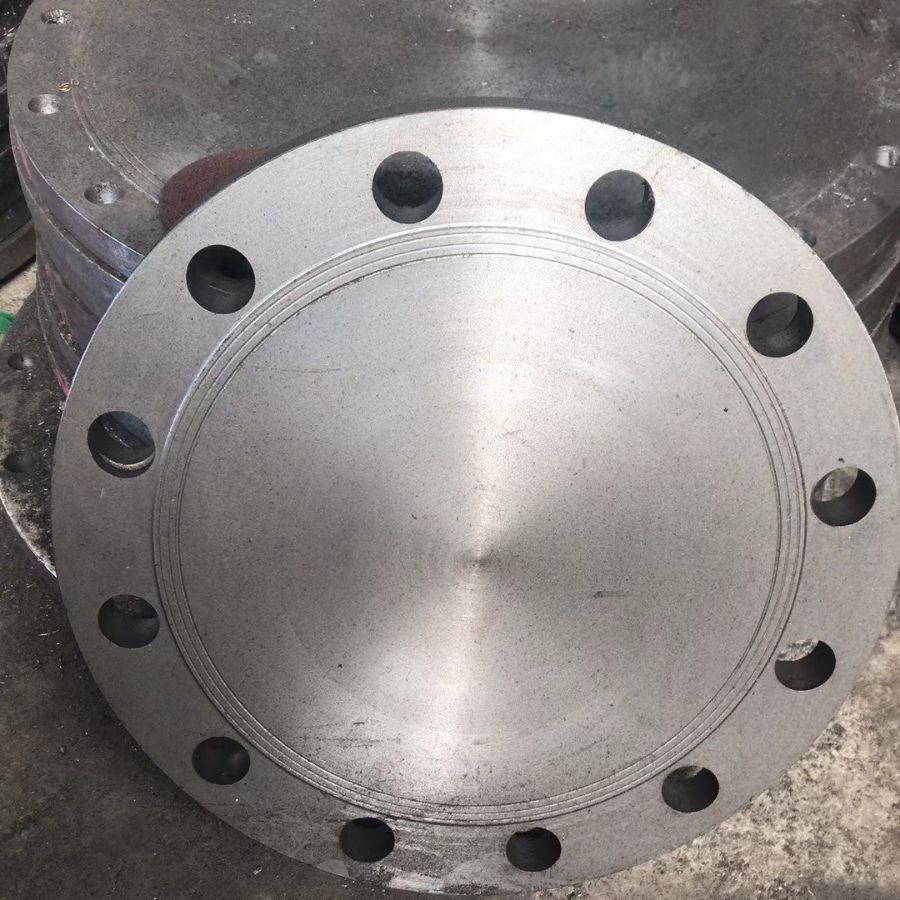
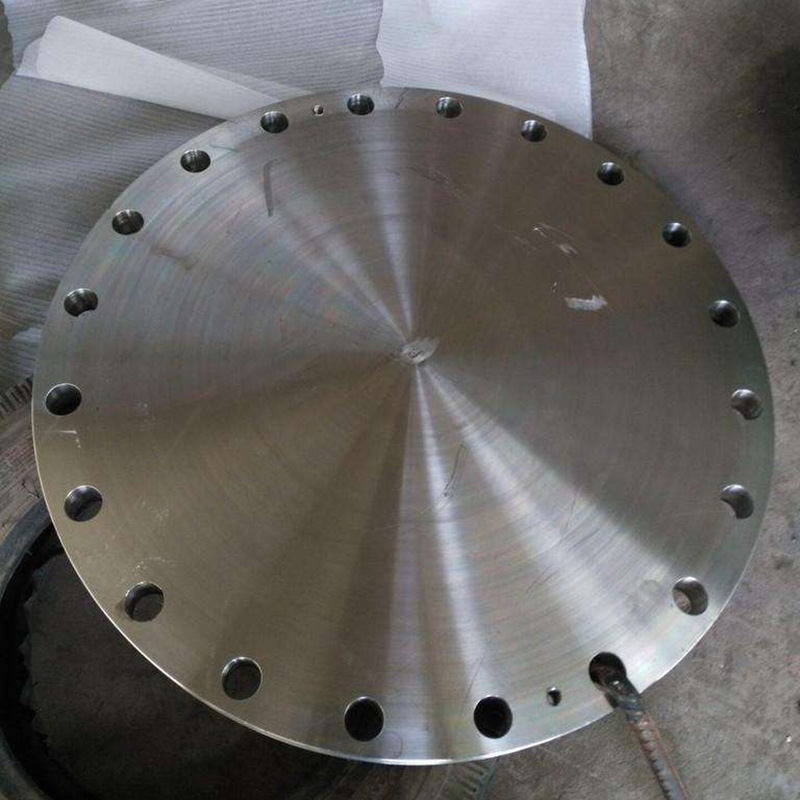
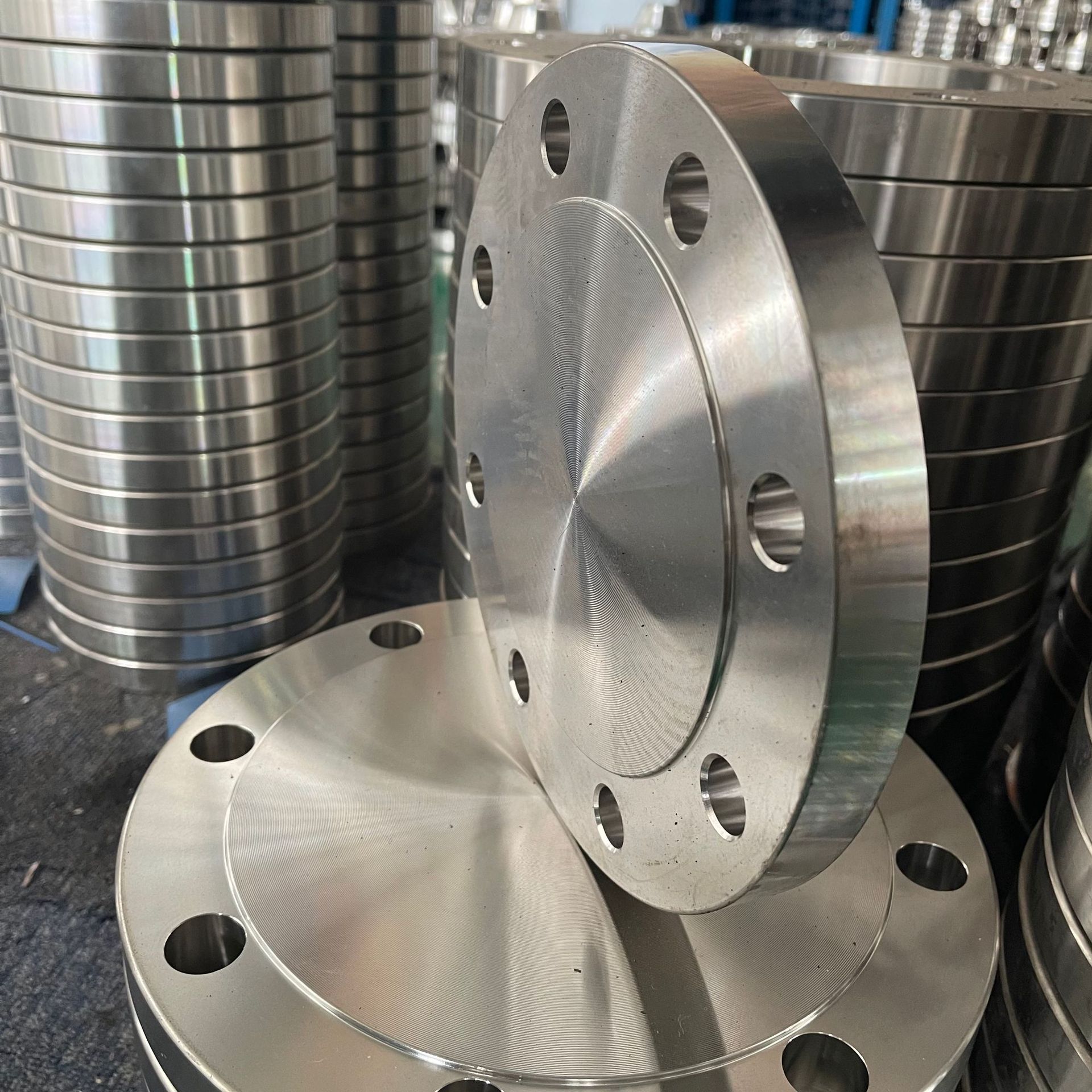
Famous ASME B16.9/ANSI B16.47 Blind Flange Forged Flange Pricelist, Products
Product Description
Key Features of Blind Flanges
Common Applications
- ✔ Pipeline Termination – Seals the end of a pipe system.
- ✔ Pressure Vessel & Boiler Access – Allows inspection or cleaning.
- ✔ Isolation During Maintenance – Blocks off sections for repair.
- ✔ Future Expansion – Temporarily seals unused connections.
Types of Blind Flanges
| Type | Description |
|---|---|
| Flat Face (FF) | Smooth sealing surface, used with flat gaskets. |
| Raised Face (RF) | Slightly raised surface for better sealing. |
| Ring-Type Joint (RTJ) | Uses a metal ring gasket for high-pressure applications. |
| Threaded Blind Flange | Has internal threads for screwing onto pipes. |
Standards & Specifications
- • ASME B16.5 (Standard for pipe flanges up to 24")
- • ASME B16.47 (Large-diameter flanges)
- • API 6A (For wellhead & Christmas tree equipment)
- • EN 1092-1 (European standard)
Why Choose a Blind Flange?
- ✅ Safety – Prevents unwanted flow or pressure release.
- ✅ Versatility – Suitable for oil & gas, chemical, water, and industrial systems.
- ✅ Cost-Effective – Simple design with long service life.
Frequently Asked Questions (FAQ)
What is a blind flange used for?
A blind flange is used to seal the end of a piping system, pressure vessel, or boiler. It allows for easy access during inspection, maintenance, cleaning, or future system expansion.
What are the main types of blind flanges available?
The common types include Flat Face (FF), Raised Face (RF), Ring-Type Joint (RTJ) for high pressure, and Threaded Blind Flanges which feature internal threads.
Which manufacturing standards do blind flanges conform to?
Blind flanges are manufactured according to major international standards including ASME B16.5, ASME B16.47, API 6A, and EN 1092-1.
What materials are blind flanges made from?
They are available in a variety of durable materials including carbon steel, stainless steel, alloy steel, and other specialized alloys depending on application requirements.
Why are blind flanges essential for piping safety?
Blind flanges provide robust pressure containment without internal openings, preventing leaks and unwanted fluid flow, which protects equipment and personnel during operations or maintenance.