
High-Precision Piping Components & Assembly Systems
Engineered for extreme pressure, thermal resilience, and zero-leak integrity across industrial fluid networks.
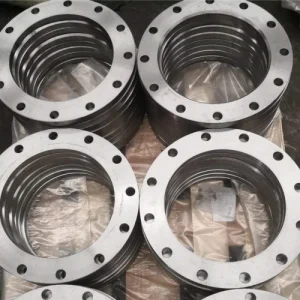
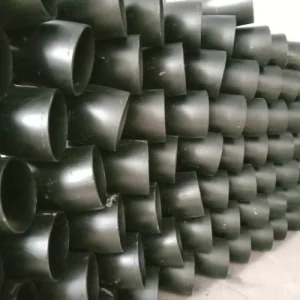
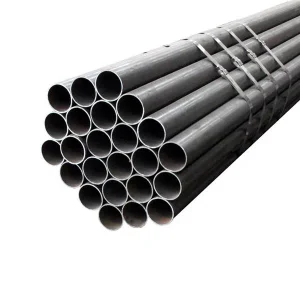
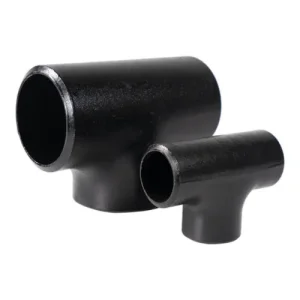
The Macro Paradigm Shift in High-Performance Push-Fit & Piping Systems
Modern industrial pipeline infrastructure is undergoing a radical transformation driven by labor constraints, strict environmental mandates, and the relentless demand for minimized project lifecycle CAPEX/OPEX.
Unlike conventional threaded or site-welded piping configurations that introduce heat-affected zones (HAZ) and require specialized certified welders, modern push fit pipe systems and high-integrity flange-valve assemblies utilize elastomeric sealing rings, internal stainless-steel grab teeth, and precision-machined grooves to deliver instantaneous, zero-leak fluid isolation up to 25 bar (2.5 MPa) working pressure without hot work permits.
Mechanical Integrity & Pressure Dynamics
The fundamental engineering imperative of push-fit technology rests on dual-action containment. When a pre-chamfered metal or synthetic pipe end enters the socket, it activates an integrated elastomeric seal (EPDM, FKM, or NBR) engineered to expand proportionally under internal hydraulic head pressure. Simultaneously, a radially arranged 316-stainless-steel grab ring bites into the outer pipe wall, transforming outward axial tension into self-locking radial holding force.
E-E-A-T Qualified Material Metallurgy
To withstand aggressive industrial media, push-fit bodies, forged flanges, and companion valves utilize heavy-grade materials including forged carbon steel (ASTM A105 / Q235), wrought carbon steel (ASTM A234 WPB), alloy steels (WP11/WP22/WP91), austenitic stainless steels (304/304L/316/316L), and high-durability polymers (UPVC SCH80). This ensures complete galvanic corrosion resistance and thermal structural integrity from -20°C up to +200°C.
Push-Fit Mechanical Mechanics & Fluid Engineering
Deconstructing the internal mechanics, elastomeric compression ratios, and boundary layer fluid dynamics that eliminate connection degradation.
Dual-O-Ring Sealing Chambers
By establishing primary dynamic hydraulic containment and a secondary environmental dust barrier, dual-chamber O-ring housings prevent ambient particulate ingress while isolating internal fluid pressure waves. EPDM compounds are peroxide-cured for steam/hot water applications, whereas HNBR seals serve hydrocarbon media.
Laminar Flow Optimization
Traditional socket fittings introduce fluid turbulence via abrupt internal diameter drops. Advanced push-fit joint designs utilize precision-tapered internal shoulder stops to guarantee continuous wall bore alignment, drastically reducing hydraulic head loss, pressure drops, and localized cavitation erosion.
Thermal Expansion Absorptive Joints
Thermal cycling causes significant linear expansion and contraction in steel and polymer pipelines. Push-fit mechanical sockets provide controlled axial flex room (+/- 3mm per fitting), functioning as micro-expansion joints that protect pumps, valves, and headers from structural fatigue.
Macro Industry Solutions & Sector-Specific Deployment
Custom-tailored piping and fluid containment frameworks built for high-stakes industrial environments.
Petrochemical & Refining Networks
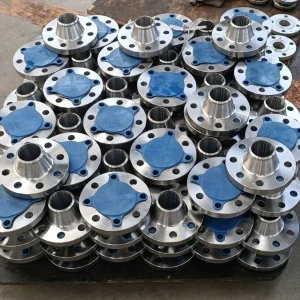
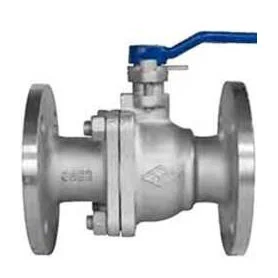
In downstream oil refining and chemical processing plants, pipeline downtime equates to millions in lost production. Utilizing ASME B16.9 carbon steel weld neck flanges alongside Q41F-16P/25P stainless steel ball valves and push-fit secondary utility lines provides rapid installation, chemical inertness, and zero fugitive emission compliance.
Municipal Water & Infrastructure
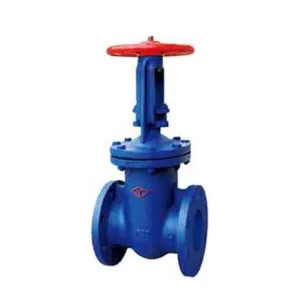
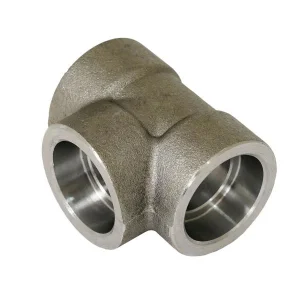
For large-scale potable water distribution and wastewater treatment, corrosion resistance is non-negotiable. SCH80 ASTM UPVC equal tees and Z45X soft seal gate valves deliver chemical immunity against chlorinated water, preventing biofilm accumulation while maintaining uninterrupted hydraulic performance.
Power Generation & Thermal Boilers
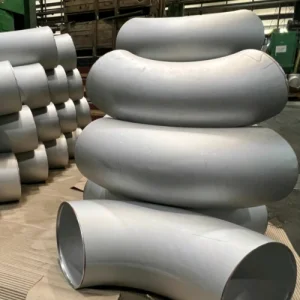
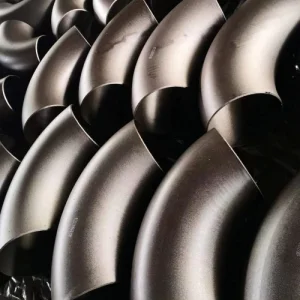
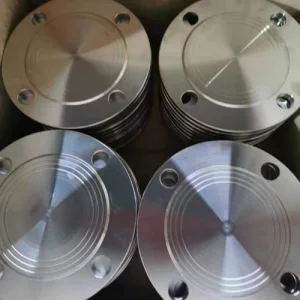
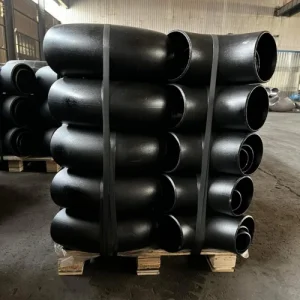
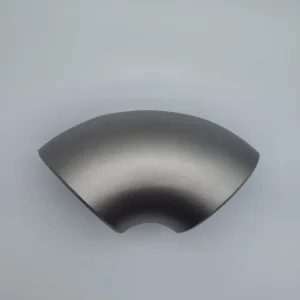
High-pressure steam lines require heavy-wall seamless carbon steel elbows (1/2" to 24") and A105 forged steel blind flanges rated up to Class 2500. These components endure continuous thermal shock and extreme pressure spikes while maintaining 100% structural hermetic integrity.
Modular Off-Site Construction
Modern commercial MEP (Mechanical, Electrical, Plumbing) contractors rely heavily on pre-fabricated skid packages. Push-fit mechanical joints eliminate on-site welding equipment, fumes, and mandatory NDT radiograph delays, enabling seamless plug-and-play assembly of HVAC hydronic networks.
Global Market Dynamics & International Standards
Ensuring full operational compliance across North American, European, and Asian energy and construction sectors.
| Standard / Code | Geographic Jurisdiction | Material Specification | Dimensional Range | Pressure Class / Rating |
|---|---|---|---|---|
| ASME B16.5 / B16.9 | North America & Global EPCs | ASTM A105, A234 WPB, A403 WP304/316 | NPS 1/2" to 24" (Up to 160" for Flanges) | Class 150 - Class 2500 |
| EN 1092-1 / EN 10253 | European Union & UK | P235GH, P265GH, 1.4301, 1.4404 | DN15 to DN2000 | PN6 to PN400 |
| JIS B2311 / B2312 | Japan & Asia-Pacific | SGP, STPT, SUS304, SUS316 | 15A to 600A | 10K to 63K |
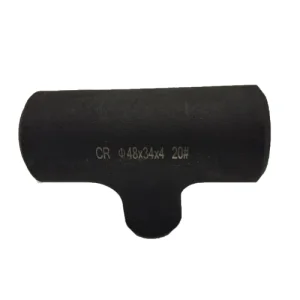
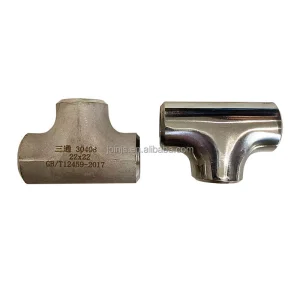
| GB/T 12459 / GB/T 13401 | China & Belt and Road EPCs | Q235, 20#, 12Cr1MoV, 06Cr19Ni10 | DN15 to DN1900 | PN10 to PN250 |
| ASTM SCH80 UPVC | Global Chemical & Water Systems | Unplasticized Polyvinyl Chloride | 1/2" to 12" | 230 PSI @ 73°F (15.8 bar) |
Localization Support & Rigorous QA/QC Auditing
Factory-direct technical consulting, mill certification traceability, and comprehensive non-destructive examination.
EN 10204 3.1 Traceability
Every steel fitting, flange, and valve is accompanied by a authentic Mill Test Certificate (MTC) documenting chemical heat analysis, yield strength, tensile elongation, Charpy V-notch impact testing, and heat treatment charts.
100% Hydrostatic & NDT Testing
Our manufacturing nodes conduct 100% hydro-testing on forged valves (Z41T/W, Q41F, Z45X) alongside Ultrasonic Testing (UT) and Magnetic Particle Inspection (MPI) on seamless elbow fittings to guarantee zero internal voids or inclusions.
Global On-Site Engineering
We supply localized technical assistance, isometric drawing review, custom flange facing preparation (FF, RF, RTJ, Tongue & Groove), and dedicated logistics tracking to streamline customs clearance in over 80 countries.
Push-Fit vs. Traditional Pipe Connection Methodologies
Evaluating installation speed, total labor cost, maintenance requirements, and structural reliability.
| Joining Technology | Installation Speed | Hot Work Permit Required? | Skill Level Required | Maintenance & Reusability |
|---|---|---|---|---|
| Push-Fit Mechanical Joint | Ultra-Fast (10-30 Seconds) | No Hot Work Needed | General Labor / Basic Instruction | Reusable / Fast Demountability |
| Butt Welding (GTAW/SMAW) | Slow (45-120 Mins / Joint) | Mandatory Strict Permit | Certified High-Skill Welder | Permanent / Requires Cutting |
| Socket Welding | Moderate (30-60 Mins) | Mandatory Strict Permit | Certified Welder | Permanent / Non-Reusable |
| Flanged Connection (A105/B16.5) | Fast (10-20 Mins) | No Hot Work Needed | Torque-Trained Technician | Fully Demountable / Gasket Replaceable |
| NPT / BSP Threaded | Moderate (5-15 Mins) | No Hot Work Needed | Standard Mechanical Pipefitter | Prone to Thread Distortion |
Future Outlook: Next-Generation Smart Piping & Advanced Metallurgy
Engineering the next decade of intelligent, zero-emission, and decarbonized pipeline infrastructure.
IoT-Enabled Sensor Integration
Integration of micro-MEMS pressure and temperature telemetry sensors directly into push-fit socket housings, providing real-time acoustic leak detection and predictive maintenance alerts to SCADA control systems.
Hydrogen-Ready Elastomeric Polymers
Developing specialized fluoroelastomer compounds designed to prevent micro-molecular hydrogen permeation, enabling push-fit mechanical joints to support pure green hydrogen transition transport grids.
Decarbonized Green Steel Forgings
Transitioning carbon steel flange (A105) and pipe fitting (A234 WPB) manufacturing to electric arc furnaces (EAF) powered by renewable energy, reducing embodied product carbon footprints by up to 65%.
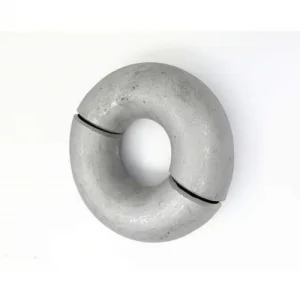
Industrial Valves, Socket Fittings & Custom Piping Solutions
Full dimensional availability manufactured to exact ASME, DIN, JIS, and GB specifications.
Frequently Asked Questions (FAQ) & Procurement Intent Mining
Detailed technical answers addressing engineering, installation, compliance, and material selection queries.
Push-fit mechanical joints utilize a self-energizing sealing mechanism. As fluid pressure inside the pipeline increases, the elastomeric O-ring (EPDM or FKM) is compressed tighter against the internal sealing chamber and the external wall of the inserted pipe. Simultaneously, the internal stainless-steel grab ring bites firmly into the outer circumference, preventing axial blow-out up to test pressures exceeding 37.5 bar (1.5x working rating).
ASTM A105 forged steel flanges and A234 WPB carbon steel fittings operate efficiently between -29°C and +425°C per ASME B16.5 standards. Stainless steel grades (A403 WP304/316) extend performance from cryogenic levels (-196°C) up to +815°C. For push-fit mechanical connections, the operational upper boundary is determined by the internal elastomeric seal: EPDM supports up to +150°C, while high-grade Viton/FKM handles continuous exposure up to +200°C.
Yes. Unlike welded or glued connections, push-fit fittings can be demounted using specialized release collars that compress the internal stainless-steel grab teeth, allowing clean removal of the pipe without damaging its surface. Flanged connections (such as ASME B16.5 Class 150/300) are inherently demountable by simply unbolting and replacing the spiral wound or flat gasket.
All production lots undergo rigorous inspection following ISO 9001 quality management protocols. Delivered shipments include EN 10204 3.1 Mill Test Certificates (MTC), non-destructive examination reports (UT, MPI, Radiographic Testing for welded seams), hydrostatic testing verification, and full dimension audit reports. Third-party inspections via SGS, Bureau Veritas (BV), or TÜV are available upon request.
ASTM SCH80 UPVC equal tees and fittings offer total chemical immunity against aggressive acids, alkalis, and salts that would cause pitting corrosion in standard carbon steel (Q235/A105). However, carbon steel fittings offer superior mechanical tensile strength, impact resistance, and higher temperature/pressure tolerance. UPVC is typically capped at 15.8 bar at 23°C, whereas carbon steel flanges support over 250 bar operating pressure.