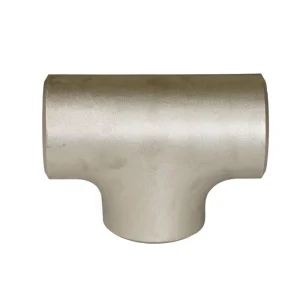
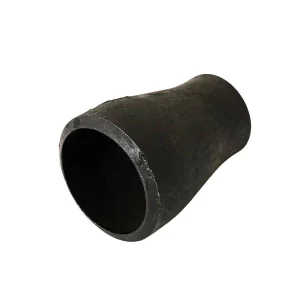
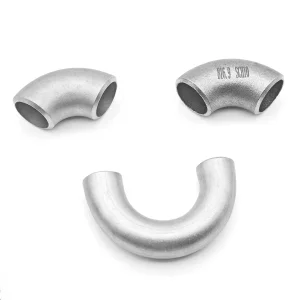
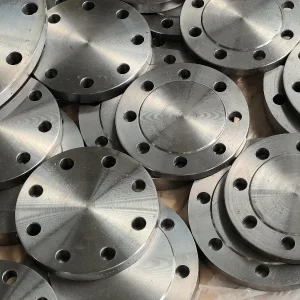
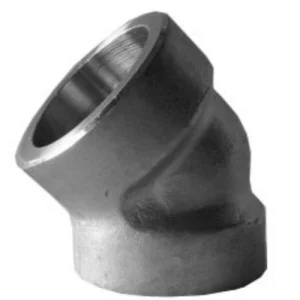
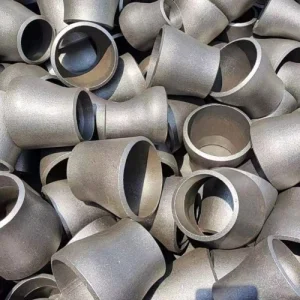
Featured Industrial Piping Components
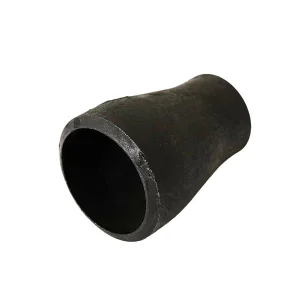
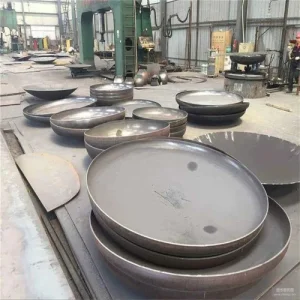
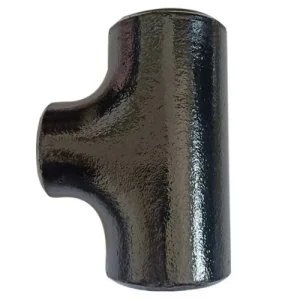
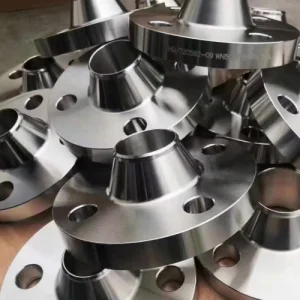
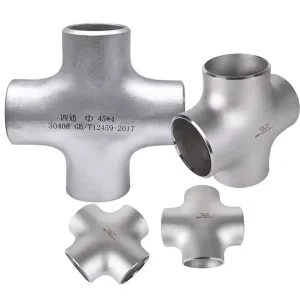
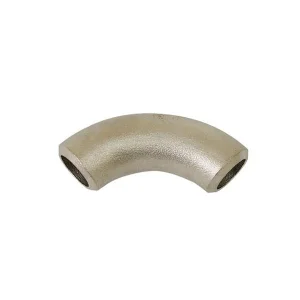
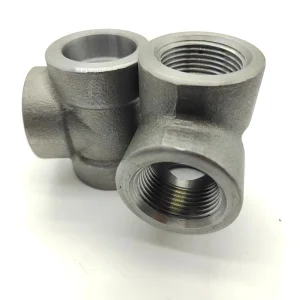
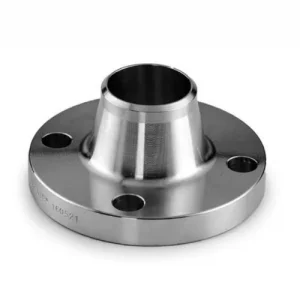
Direct factory supply of certified butt-weld fittings, forged components, and high-pressure flanges matching PN16 pipeline integration standards.
Global Commercial & Industrial Status of PN16 Gate Valves
An executive analysis of international market demands, regulatory shifts, and technical benchmarks shaping modern fluid isolation systems.
In the contemporary landscape of global industrial infrastructure, the PN16 Gate Valve stands as a ubiquitous workhorse for linear fluid isolation. Rated for a nominal pressure of 16 Bar (approximately 232 PSI or 1.6 MPa) at ambient reference temperatures, PN16 valves are strategically positioned between low-pressure domestic networks (PN6/PN10) and high-stress industrial steam or petrochemical lines (PN25/PN40/Class 300). Global market intelligence indicates a sustained compound annual growth rate (CAGR) in the demand for PN16 valves, primarily driven by massive capital investments in municipal water supply expansion, large-scale HVAC thermal grid modernization, and industrial effluent management across emerging and developed economies.
From a commercial procurement perspective, navigating the market for famous PN16 gate valve pricelists requires an intricate understanding of design typologies. The market is broadly bifurcated into Resilient Seated Gate Valves (RSGV)—which feature an EPDM or NBR vulcanized wedge—and Metal Seated Gate Valves utilizing brass, bronze, or stainless steel trim rings. While resilient seated configurations dominate clean water transmission due to zero-leakage tight shutoff (ISO 5208 Rate A) and smooth full-bore flow, metal-seated alternatives retain absolute dominance in high-temperature HVAC loops, thermal oil circuits, and low-pressure industrial steam applications where elastomeric degradation poses an operational hazard.
Furthermore, regional compliance frameworks have reshaped international trade channels. Exporters operating within European corridors must strictly adhere to the Pressure Equipment Directive (PED 2014/68/EU) and CE marking, while potable water applications demand localized health certifications such as WRAS (United Kingdom), ACS (France), DVGW (Germany), and NSF/ANSI 61/372 (North America). Consequently, elite manufacturing hubs have integrated these multi-regional standards directly into their core metallurgical foundries and assembly lines.
Technical Architecture & Material Standards
Deep-dive analysis of structural design, body metallurgy, stem configurations, and international cross-standard compliance matrices.
Metallurgical Superiority
Fabricated using high-grade Ductile Iron GGG40 / GGG50 (EN-GJS-400-15 / EN-GJS-500-7) or Cast Steel WCB. High tensile strength prevents body deformation under severe pipeline bending stresses and water hammer impacts.
Stem Packing & Drive System
Available in Non-Rising Stem (NRS) for space-constrained underground installations and Rising Stem (OS&Y) for clear visual position indication. Stems are cold-rolled from Stainless Steel 2Cr13, AISI 420, or AISI 316 for anti-galling operation.
Corrosion Barrier Protection
Electrostatically applied Fusion-Bonded Epoxy (FBE) coating with a minimum thickness of 250 microns inside and out. Provides total isolation against aggressive soil chemicals, galvanic action, and bio-fouling.
| Standard Framework | Design Standard | Face-to-Face Dimension | Flange Connection | Testing & Inspection |
|---|---|---|---|---|
| European (EN / DIN) | EN 1171 / DIN 3352 | EN 558 Series 14 (DIN 3202 F4) / Series 15 (F5) | EN 1092-2 PN16 | EN 12266-1 / ISO 5208 |
| British (BS) | BS 5163 / BS EN 1074 | EN 558 Series 3 / BS 5163 | BS EN 1092-2 PN16 | BS 6755-1 / EN 12266-1 |
| American Equivalent | AWWA C509 / C515 / ASME B16.34 | ASME B16.10 (Class 125/150) | ASME B16.1 / B16.5 | API 598 / AWWA C509 |
| International (ISO) | ISO 7259 (Resilient) / ISO 5996 (Cast Iron) | ISO 5752 Series 14 / 15 | ISO 7005-2 PN16 | ISO 5208 Rate A |
Localized Engineering Application Scenarios
Real-world integration analysis showing how PN16 Gate Valves solve critical fluid dynamics and isolation challenges across diverse infrastructure environments.
1. Municipal Water Treatment & Distribution Networks
In municipal potable water transmission lines, PN16 resilient seated gate valves are deployed in underground valve vaults and pump stations. The full-bore design eliminates flow resistance, lowering pumping energy consumption. Elastomer-encapsulated wedges ensure complete shutoff even when handling fine silt, preventing cross-contamination and non-revenue water loss in high-pressure distribution grids.
2. High-Rise Commercial HVAC & District Cooling Systems
Large chilled water lines in commercial skyscrapers require reliable isolation at header manifolds and cooling towers. Operating under static hydraulic heads, PN16 valves engineered with solid ductile iron wedges and stainless steel stems withstand thermal cycling between 4°C and 40°C without binding or stem gland leakage, safeguarding sensitive chiller equipment.
3. Industrial Effluent & Wastewater Processing
Wastewater plants demand robust valves capable of handling corrosive media and abrasive solids. Metal-seated PN16 gate valves featuring SS316 body rings, non-rising stem protection, and internal FBE coatings resist chemical attack and mechanical scour, ensuring long-term seat integrity in primary sludge isolation loops.
4. Low-Pressure Thermal Energy & Steam Utilities
For auxiliary steam headers in textile, food processing, and chemical plants, Cast Steel (WCB) PN16 wedge gate valves rated up to 300°C are specified. Fitted with flexible graphite stem packing and stainless steel hard-facing, these valves prevent stem blowouts while accommodating pipeline thermal expansion.
China Factory Supply Chain Resilience & Manufacturing Efficiency
Why leading global EPC contractors and industrial distributors source PN16 valves from verified Chinese manufacturing clusters.
The global industrial valve supply chain has undergone a profound transformation. China’s manufacturing ecosystem, particularly centralized valve and pipe fitting manufacturing clusters like Cangzhou, Hebei, offers an unprecedented combination of vertical integration, technological precision, and economies of scale. As a primary exporter of pipeline equipment, the Cangzhou industrial corridor brings together specialized foundries, precision CNC machining centers, automated FBE coating facilities, and accredited hydrostatic testing labs within a tightly integrated 50-kilometer radius.
1. Vertical Integration
From raw iron melting in automated green-sand casting lines to final CNC torque testing, complete ownership of the production cycle minimizes lead times and eliminates third-party component markups.
2. Metallurgical Mastery
Advanced spectrographic analysis ensures exact chemical composition for EN-GJS-400-15 and WCB materials, guaranteeing zero porosity and superior mechanical elongation properties under high impact loads.
3. Rapid Scalability
Automated molding lines enable output capacities exceeding thousands of units monthly, supporting massive municipal infrastructure tenders without compromising dimensional tolerances.
This localized supply chain architecture protects international buyers from global material bottlenecks. Furthermore, proximity to major deep-water ports (such as Tianjin Port) allows Chinese exporters to optimize container consolidation, offering bundled shipments containing matching PN16 gate valves, flanges, butt-weld tees, and seamless steel pipes under a unified bill of lading (B/L). This drastically reduces freight surcharges, import customs overhead, and jobsite receiving complexity for international buyers.
PN16 Gate Valve Benchmark Pricelist & Cost Determinants
Budgetary baseline pricing and commercial variables influencing export valuations for international procurement officers.
Understanding the pricing structure of famous PN16 gate valves requires analyzing raw material indices, seating technologies, and actuation accessories. Below is a detailed technical pricelist guide reflecting current FOB China market benchmarks for standard PN16 Resilient Seated Gate Valves (EN 1171 / DIN 3202 F4) and Cast Steel Metal Seated Gate Valves.
| Nominal Size (DN) | Flange PCD (mm) | Resilient Seated (Ductile Iron) Est. FOB ($USD) | Metal Seated (Cast Steel WCB) Est. FOB ($USD) | Weight Benchmark (kg) |
|---|---|---|---|---|
| DN50 (2") | 125 | $32.00 - $45.00 | $58.00 - $78.00 | 10.5 kg |
| DN80 (3") | 160 | $48.00 - $65.00 | $85.00 - $115.00 | 15.0 kg |
| DN100 (4") | 180 | $62.00 - $82.00 | $110.00 - $145.00 | 19.0 kg |
| DN150 (6") | 240 | $115.00 - $150.00 | $195.00 - $260.00 | 34.0 kg |
| DN200 (8") | 295 | $185.00 - $240.00 | $310.00 - $410.00 | 52.0 kg |
| DN250 (10") | 355 | $290.00 - $380.00 | $480.00 - $630.00 | 80.0 kg |
| DN300 (12") | 410 | $410.00 - $530.00 | $690.00 - $920.00 | 112.0 kg |
| DN400 (16") | 525 | $850.00 - $1,100.00 | $1,450.00 - $1,900.00 | 210.0 kg |
| DN600 (24") | 770 | $2,100.00 - $2,700.00 | $3,600.00 - $4,800.00 | 480.0 kg |
- Upgrading stem material from 2Cr13 stainless steel to duplex SS2205 or Monel.
- Inclusion of electric ISO 5210 top-flange actuators or spur gearboxes for large-bore units (≥DN300).
- Requirement for WRAS/DVGW-approved EPDM vulcanization vs. commercial-grade NBR.
- Third-party witness testing (SGS, TÜV, Bureau Veritas) and EN 10204 3.1 inspection certification.
Technological Roadmap & Next-Gen Innovations
How IoT smart monitoring, advanced polymer chemistry, and low-carbon metallurgical processes are redefining PN16 valve design.
Smart IoT Valve Integration
Emerging PN16 valves incorporate embedded wireless telemetry sensors within the bonnet. These non-intrusive sensors monitor stem travel positions, seat leakage via acoustic signature tracking, and pressure drops in real time, enabling predictive maintenance in smart city water grids.
Advanced Elastomer Coatings
Next-generation wedges utilize self-lubricating fluoroelastomers and nano-epoxy barrier treatments. These reduce opening/closing torque by up to 35%, allowing smaller, less power-intensive actuators to be deployed across remote pipeline network control points.
Sustainable & Green Manufacturing
Driven by global ESG imperatives, tier-1 Chinese exporters are implementing closed-loop sand reclamation, zero-VOC powder coating lines, and electric induction melting foundries powered by renewable energy, reducing embedded carbon per valve unit.
Localized Support & International Compliance Frameworks
Comprehensive risk mitigation, documentation integrity, and post-delivery engineering support for overseas project owners.
Full Inspection Traceability (EN 10204 3.1 / 3.2)
To eliminate failure risks in high-consequence utility installations, certified manufacturers issue complete Quality Assurance Documentation packages. Every valve shipment is accompanied by Mill Test Certificates detailing chemical heat analysis, mechanical tensile/impact testing, and 100% hydrostatic test verification reports signed by certified QC engineers.
For critical infrastructure projects, third-party inspection agencies (including Lloyd's Register, SGS, DNV-GL, and TÜV) are routinely hosted at the facility to witness shell pressure tests, seat tightness tests, and coating thickness measurements (Elcometer test according to ISO 2808).
Global Logistics & Jobsite Support
Procuring heavy valve machinery internationally requires flawless logistics management. Exporters offer seaworthy heavy-duty wooden crate packaging, rust-inhibitive VCI wrapping, and custom flanged protective caps to protect face machinations during transit.
Furthermore, local technical support networks provide commissioning guidance, installation alignment manuals, and emergency spare part kits (stem seals, gland packings, handwheels) to ensure seamless integration on site.
Frequently Asked Questions (Technical Procurement Q&A)
Expert solutions to common engineering, selection, and purchasing queries regarding PN16 Gate Valves.
What is the exact difference between PN16 and Class 150 pressure ratings?
When should I specify a Resilient Seated Gate Valve versus a Metal Seated Gate Valve?
Why is Fusion-Bonded Epoxy (FBE) coating essential for underground PN16 valves?
What is the functional difference between Non-Rising Stem (NRS) and Rising Stem (OS&Y)?
How does Cangzhou factory integration lower total cost of ownership (TCO) for importers?
What test documentation should be reviewed before releasing final payment?
Explore Complementary Industrial Fittings & Valves
Consolidate your pipeline procurement with high-integrity carbon steel, stainless steel, and alloy components.