
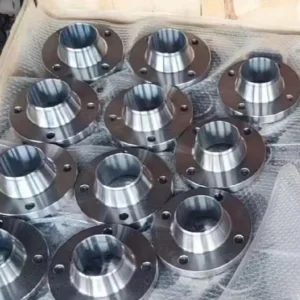
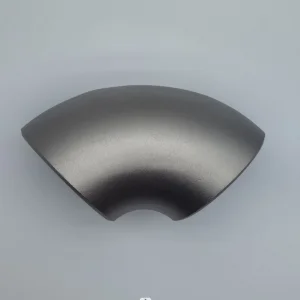
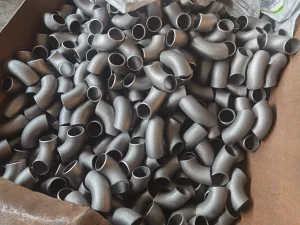
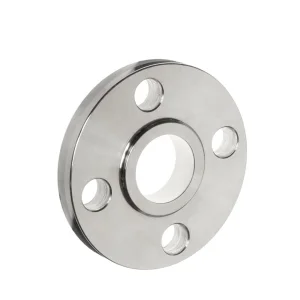
Featured Industrial Pipe & Fitting Components
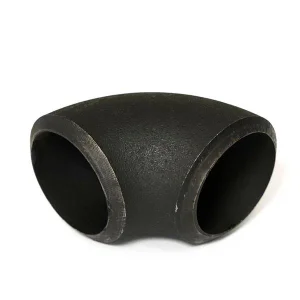
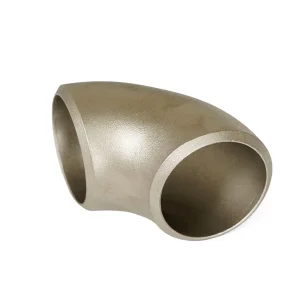
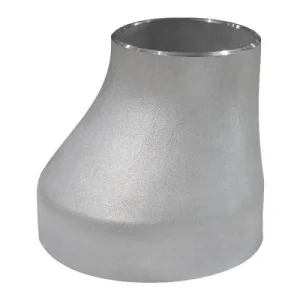
Premium grade carbon steel, stainless steel, and polymer drainage connectivities engineered for high-pressure civil and industrial projects.
Executive Summary: Global Perforated Drainage Engineering
Analyzing modern civil infrastructure, subsurface drainage hydrodynamics, and the technical benchmarks of world-class piping manufacturers.
Subsurface water management is a fundamental pillar of sustainable civil infrastructure, megacity urban planning, agricultural yield optimization, and industrial site engineering. Perforated drainage pipes—manufactured primarily from High-Density Polyethylene (HDPE), Polyvinyl Chloride (PVC), Polypropylene (PP), and micro-perforated alloy/steel structural conduits—serve as the crucial hydro-conduction network designed to collect and convey excess groundwater away from structural foundations, highway sub-bases, railway embankments, airport runways, and agricultural fields.
Selecting top-tier perforated drainage pipe suppliers & factories requires evaluating rigorous technical dimensions: hydraulic perforation geometry, slot open area ratios, soil filter fabric compatibility, ring stiffness (SN4, SN8, SN16), impact resistance, chemical inertness to aggressive leachates, and joint sealing integrity under hydrostatic head pressures. This whitepaper provides procurement directors, EPC contractors, and municipal engineers with a comprehensive analytical framework for evaluating market supply chains, manufacturing specifications, and localized compliance standards.
Industry Development Trends & Polymer Innovation
How cutting-edge extrusion technology and material science are revolutionizing global drainage networks.
Transition from smooth-wall single-layer pipes to co-extruded dual-wall and triple-wall corrugated profiles. Dual-wall perforated corrugated HDPE pipes feature a smooth inner wall to maximize hydraulic velocity (Manning's n = 0.009) while providing exceptional external load bearing capacity via structural outer ribs.
Emergence of laser-guided and mechanical high-speed CNC perforation lines. Perforation geometry has advanced from simple punched round holes to matrix-aligned circumferential slots and longitudinal micro-slots designed to optimize water intake while suppressing soil particle ingress.
Factory-applied non-woven needle-punched polyolefin filter jackets. Thermally bonded directly to perforated pipes during the manufacturing process, these geotextile wraps prevent fine silt sedimentation and clogging in silty or clay-heavy soils, eliminating manual field wrapping costs.
| Material Class | Nominal Diameter (DN) | Stiffness Rating (ISO 9969) | Perforation Pattern | Water Intake Area | Primary Application |
|---|---|---|---|---|---|
| HDPE Dual-Wall Corrugated | DN100 - DN1200 | SN4 / SN8 / SN16 | 220° or 360° Slot Rows | > 50 cm²/m | Highways, Airports, Civil Works |
| PVC-U Micro-Perforated | DN50 - DN400 | SN4 / SN8 | Transverse / Longitudinal Slots | > 35 cm²/m | Agricultural & Building Drainage |
| Polypropylene (PP) High-Stiffness | DN150 - DN1000 | SN10 / SN16 | Precision CNC Slots | > 65 cm²/m | Landfill Leachate & Heavy Load Rail |
| Flanged Carbon/Stainless Steel Headers | DN50 - DN2000 | Class 150 - Class 600 | Micro-Drilled / Laser Cut | Custom Hydro Design | High-Pressure Industrial Outfalls |
Global Procurement Requirements & Supplier Audit Framework
A rigorous, data-driven checklist for EPC procurement leads and international buyers evaluating direct factory partners.
Leading suppliers must maintain on-site laboratory testing facilities compliant with ISO 17025. Key quality metrics for every production lot include:
- Ring Stiffness Testing (ISO 9969): Verification of structural deflection resistance under static external loads.
- Impact Resistance (EN 744): Drop-weight testing at 0°C to guarantee structural stability during cold-weather installations.
- Environmental Stress Cracking Resistance (ESCR): ASTM D1693 testing ensuring polymer longevity against aggressive soil chemicals.
- Slot Opening Uniformity: Optical sensor measurement of perforation dimensions to guarantee engineered hydraulic flow.
Beyond raw technical parameters, evaluating global manufacturing partners requires analyzing operational logistics and commercial agility:
- Extrusion Line Capacity: Daily tonnage throughput across multiple parallel extrusion lines to absorb emergency project expansion.
- Tooling Customization: Ability to supply custom slot widths (0.5mm to 3.0mm) and specific perforation degree spreads (120°, 220°, 360°).
- Nested Logistics Packaging: Intelligent container loading strategies (nesting smaller pipe diameters inside larger pipes) to minimize ocean shipping costs.
- Complete Fitting Ecosystem: Availability of matching elbows, tees, reducers, and flanged steel transition adapters under one roof.
Macro Industry Solutions: Engineering Applications
Deploying specialized perforated drainage systems across critical infrastructure projects worldwide.
Groundwater accumulation beneath pavement sub-bases leads to frost heaving, crack formation, and rapid structural degradation. High-stiffness SN8/SN16 perforated HDPE pipes installed in longitudinal edge drains rapidly draw down the water table, extending pavement service life by over 300%.
Industrial waste management requires handling highly corrosive chemical effluents under severe pressure. Thick-walled heavy-duty Polypropylene (PP) and HDPE perforated pipes resist aggressive leachate solutions while maintaining structural integrity beneath hundreds of feet of compacted waste material.
Hydrostatic pressure building up behind retaining walls and concrete structures is a leading cause of catastrophic structural failure. Continuous perforated collector pipes embedded in gravel backfill continuously relieve pore water pressure, guaranteeing structural stability.
Localized Support, International Standards & Compliance
Ensuring seamless integration with national building codes, municipal drainage specs, and global customs requirements.
Top-tier manufacturing factories design and extrude perforated drainage components to strictly conform to regional and international engineering standards:
- AASHTO M252 / M294: Standard specification for corrugated polyethylene pipe in US transportation and highway drainage projects.
- ASTM F758 / ASTM F405: Standard specifications for smooth-wall and corrugated PVC/HDPE underground perforated drainage pipe.
- DIN 4262-1: German standard for plastic piping systems for subsoil drainage of traffic areas and underground engineering.
- BS EN 13476: European standard for non-pressure underground drainage and sewerage piping systems.
A reliable supplier serves as an extended engineering and logistics team, offering customized technical services:
- On-Site Hydraulic Calculations: Assisting design consultants with flow velocity and water collection rate calculations based on local rain intensity curves.
- Third-Party Inspection Coordination: Seamless integration with SGS, Bureau Veritas, or Intertek for pre-shipment quality auditing.
- Customized Export Packaging: UV-stabilized shrink bundling, wooden crate protection for high-value metal flanged fittings, and container space optimization.
Technical Roadmap & Future Outlook (2025 - 2030)
The next generation of smart, sustainable, and ultra-durable subsurface drainage systems.
Embedding low-cost fiber-optic acoustic water monitoring cables along perforated collector trunks to track real-time subsurface water flow, silt accumulation, and localized pipe blockages automatically.
Development of high-density circular economy polymer compounds utilizing up to 70% certified post-consumer recycled resins without sacrificing ring stiffness or long-term ESCR properties.
Incorporation of graphene and carbon-nanotube additives into polymer matrices to produce ultra-lightweight SN16 pipes with 40% reduced wall thickness, lowering raw material consumption and shipping emissions.
Complete Heavy-Duty Pipeline & Fitting Catalog
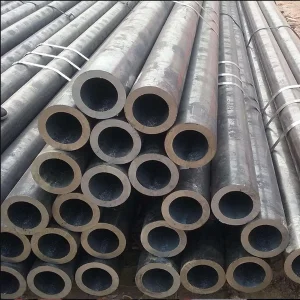
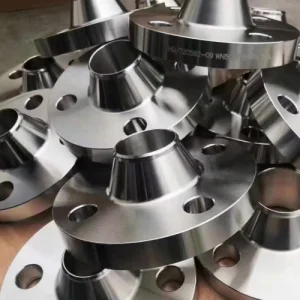
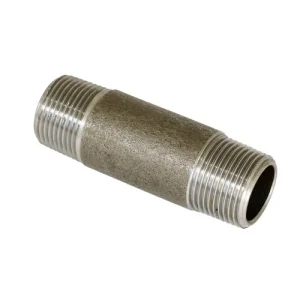
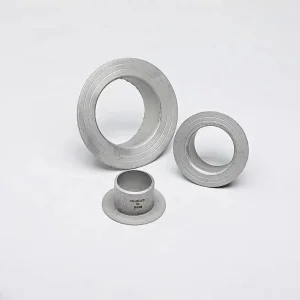
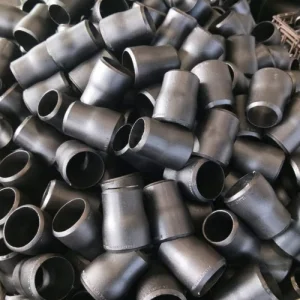
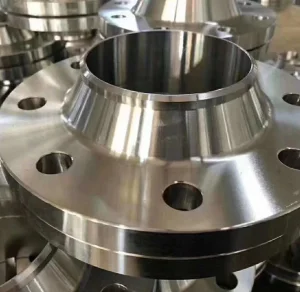
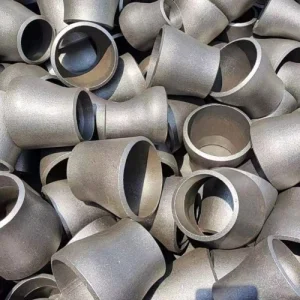
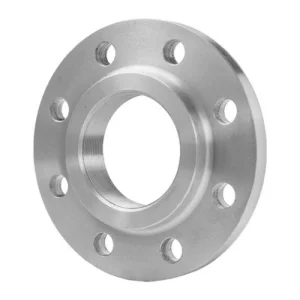
Explore matching high-strength seamless steel pipes, flanges, nipples, and reducers to complete your drainage network installation.
Frequently Asked Questions (FAQ)
In-depth technical answers addressing core procurement, design, and manufacturing queries.