
High-Precision Carbon Steel Flanges & Fittings
Inspected, certified, and engineered for extreme operating pressures, high thermal stresses, and critical industrial applications worldwide.
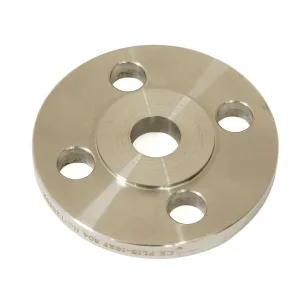
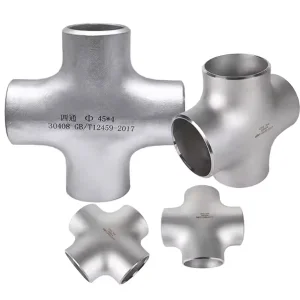
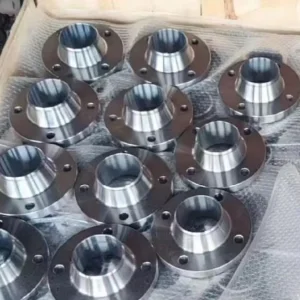
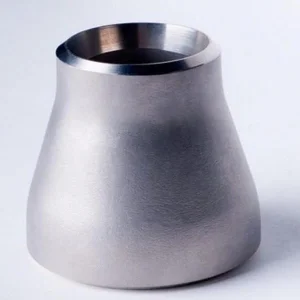
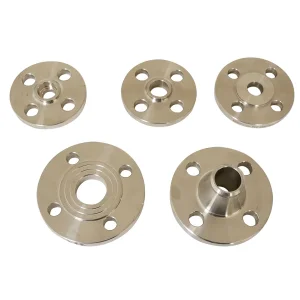
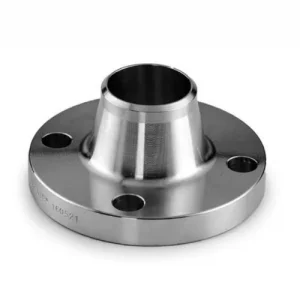
Carbon Steel Flanges in Global Industrial Infrastructure
An authoritative breakdown of global demand drivers, material mechanics, and procurement imperatives in modern energy and process piping infrastructure.
Energy Transition & Oil/Gas Mega-Projects
As global energy infrastructure transitions toward LNG regasification, hydrogen blend transportation, and deepwater exploration, carbon steel flanges serve as indispensable pressure-containing mechanical joints. Forged carbon steel flanges, such as ASTM A105 and ASTM A350 LF2, provide unmatched structural toughness, fatigue resistance, and yield strength required for fluid transport networks operating under high pressure (Class 150 to Class 2500).
Mechanical Integrity & Standard Compliance
Global piping projects demand absolute standardization. Engineering contractors (EPCs) strictly enforce dimensional and metallurgical compliance under ASME B16.5, ASME B16.47 (Series A and B), DIN EN 1092-1, and JIS B2220. Flanges must exhibit zero leakage, controlled grain structure via hot forging, and precise raised face (RF) or ring type joint (RTJ) surface finishes to ensure seamless integration with gaskets and valves.
High-Yield Materials for Extreme Environments
From high-temperature power plant steam lines requiring ASTM A105 forged carbon steel to arctic pipelines needing low-temperature impact toughness down to -46°C (ASTM A350 LF2 Class 1), material specification dictates operational safety. Advanced piping projects increasingly adopt ASTM A694 high-yield carbon steel (F42 through F70) to optimize wall thickness while sustaining extreme hoop stresses.
The Cangzhou Manufacturing Engine: Efficiency, Precision & Scale
How China's premier pipeline equipment cluster in Cangzhou delivers cost leadership, technological superiority, and rapid deployment for global supply chains.
The Cangzhou Industrial Cluster Advantage
Hebei Cangrun Pipeline Equipment Co., Ltd. along with its subsidiary group factories (Cangzhou Feiwo Metal Products Co., Ltd. and Cangzhou Feixiang Metal Products Co., Ltd.) operates at the epicenter of China’s pipeline equipment manufacturing heartland in Cangzhou. This geographical integration concentrates raw steel sourcing, precision hydraulic forging ring rolling, heat treatment facilities, CNC precision machining, and export logistics within a 30-kilometer radius.
Fully Integrated Supply Chain Efficiency
By controlling the process from billet heating and closed-die hydraulic forging to computerized CNC flange facing and high-precision drilling, Cangzhou manufacturers minimize material waste and eliminate intermediary markups. This integration translates directly into 15% to 30% cost savings for international EPC contractors without sacrificing material integrity or tolerance precision.
Advanced Automated Ring Rolling & Machining
Modern Chinese forging plants utilize automated CNC ring rolling mills capable of producing seamless forged rings up to 160 inches (DN4000). Automated multi-axis drilling machines execute bolt hole layouts with sub-millimeter tolerances, ensuring fast bolt alignment during field installations and minimizing field assembly downtime.
Rigorous In-House Quality Verification
Every forging heat is subjected to Positive Material Identification (PMI), spectrographic chemical analysis, Charpy V-notch impact testing, and ultrasonic examination (UT). Mill Test Reports (MTRs) are generated in strict accordance with EN 10204 3.1 and 3.2 standards, providing complete heat number traceability from raw billet to finished flange.
Carbon Steel Flange Material & Technical Specification Guide
Pre-qualify carbon steel flange types, pressure ratings, material standards, and facing styles against your project data sheet.
| Flange Type | Common Standards | Pressure Classes | Primary Material Grades | Ideal Application Scenario |
|---|---|---|---|---|
| Weld Neck (WN) | ASME B16.5, EN 1092-1 Type 11 | Class 150 – 2500 PN10 - PN400 |
ASTM A105, A350 LF2, A694 F52-F70 | High-pressure, cyclic loading, extreme sub-zero or elevated thermal environments. |
| Slip-On (SO) | ASME B16.5, DIN 2527, EN 1092-1 Type 12 | Class 150 – 600 PN6 - PN40 |
ASTM A105, A105N, ST37.2, C22.8 | Low-pressure process piping, cooling water networks, rapid field alignment. |
| Blind Flange (BL) | ASME B16.5, ASME B16.47, DIN 2527 | Class 150 – 2500 PN2.5 - PN400 |
ASTM A105, A350 LF2, A516 Gr 70 | Piping isolation, vessel manways, pressure vessel terminal capping. |
| Socket Weld (SW) | ASME B16.5 | Class 150 – 1500 | ASTM A105, A350 LF2 | Small-bore high-pressure piping (DN50 and below), hydraulic lines. |
| Threaded (NPT/BSPT) | ASME B16.5, DIN 2566 | Class 150 – 2500 | ASTM A105, Q235B | Non-weldable hazardous environments, quick repair utility connections. |
| Orifice Flange | ASME B16.36 | Class 300 – 2500 | ASTM A105, A350 LF2, A694 | Flow measurement systems integrated with orifice plates and differential pressure taps. |
Application Scenarios & Technological Innovations
How carbon steel flanges are tailored for critical regional operating conditions and how smart manufacturing elevates pipeline dependability.
Middle East Oil & Gas (Sour Service / NACE Compliance)
In Middle Eastern refinery and upstream gathering lines, carbon steel flanges must withstand harsh hydrogen sulfide ($H_2S$) exposure. Cangzhou exporters produce carbon steel flanges complying strictly with NACE MR0175/ISO 15156 standards. Controlled carbon equivalent (CE ≤ 0.43%), low hardness testing (< 22 HRC), and Vacuum Degassed steel billets prevent Hydrogen-Induced Cracking (HIC) and Sulfide Stress Corrosion Cracking (SSCC).
Sub-Zero European & Arctic Gas Lines (ASTM A350 LF2)
For cross-border natural gas infrastructure in Northern Europe and North America, flanges operate under freezing ambient conditions. ASTM A350 LF2 Class 1 flanges undergo strict normalizing heat treatment followed by Charpy V-Notch impact testing at -46°C (-50°F), verifying minimum energy absorption of 20 Joules to prevent sudden brittle catastrophic fractures.
Digital Twin, 3D Laser Scanning & Smart Packaging
Modern procurement demands complete dimensional validation before shipment. Automated 3D laser scanners verify flange face flatness, bolt circle diameter (BCD), serration pitch depth (125-250 AARH), and hub thickness against CAD drawings. Anti-corrosion protection options include heavy yellow varnish, black rust-inhibitive coating, polyethylene end caps, and VCI foil vacuum wrapping for sea freight transport.
Global Procurement Analysis & Supply Chain Risk Management
A comprehensive risk-mitigation framework for international procurement directors, EPC buyers, and industrial stockists.
Material Test Report (MTR) Integrity & Traceability
The core risk in global flange procurement is material non-conformity. Leading Chinese exporters mitigate this by linking every single flange via die-stamped heat numbers directly to its original steel mill melt certificate. EN 10204 3.1 MTRs detail chemical ladle analysis, carbon equivalency, yield and tensile strength, elongation percentage, and post-weld heat treatment (PWHT) records.
Lead Time Optimization & Buffer Stock Management
Schedule delays incur severe liquidate damages for EPC project managers. Utilizing established regional exporters in Cangzhou provides access to semi-finished forged ring stocks across common sizes (1/2" to 24", Class 150 to Class 600). Rapid CNC finish machining enables dispatch within 10 to 15 days, reducing international procurement lead times significantly.
Freight Freight Management & Port Logistics
Flanges are high-density steel products requiring heavy-duty ocean container staging. Cangzhou exporters coordinate directly with major shipping lines out of Tianjin Port (Xingang) and Qingdao Port. Optimized wooden box packaging with steel strapping ensures maximum container weight load utilization while preventing transit distortion or flange face damage.
Frequently Asked Questions (FAQ) - Carbon Steel Flanges
Clear, technical, and commercial answers to common questions asked by engineers, procurement teams, and quality inspectors.
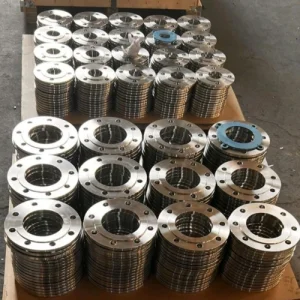
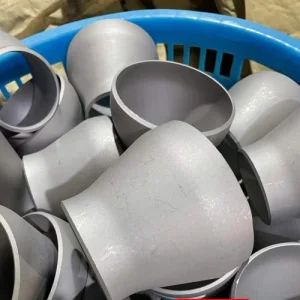
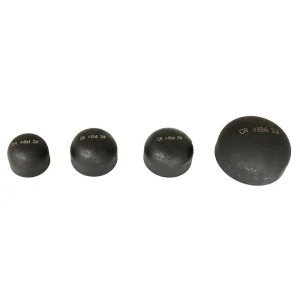
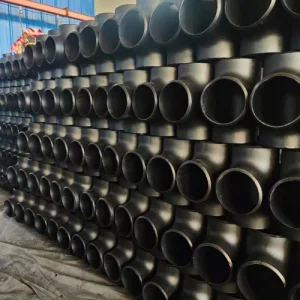
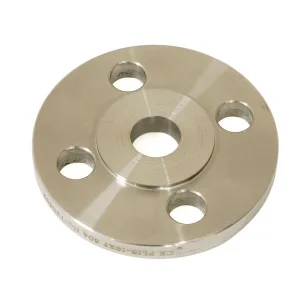
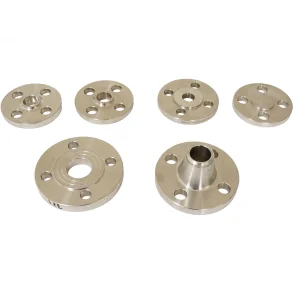
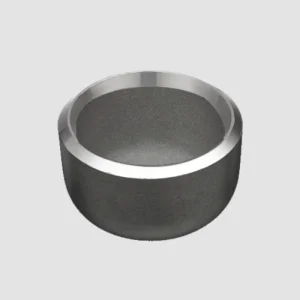
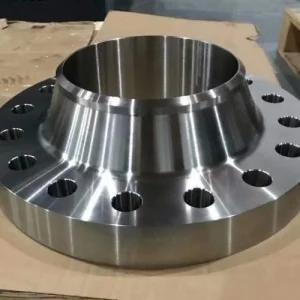
Complete Forged Flanges & Butt-Weld Piping Components
Explore our extended series of heavy-wall butt-weld fittings, socket weld flanges, and high-yield carbon steel components.
Ready to Streamline Your Global Piping Procurement?
Send your complete material take-off (MTO) or project specification sheets directly to our engineering team in Cangzhou. Receive comprehensive factory quotes, MTR samples, and lead-time schedules within 24 hours.