
Featured Industrial Valves, Flanges & Pipeline Components (Part I)
Direct factory-grade engineered components verified to ASME, API, ISO, and EN standards for critical infrastructure installations.
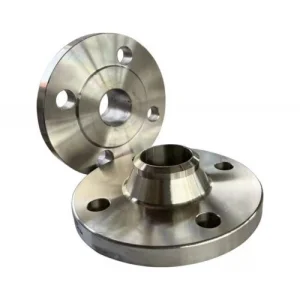
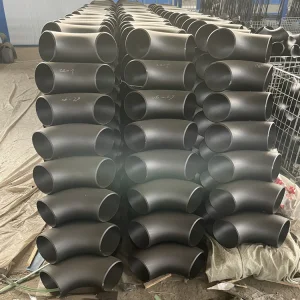
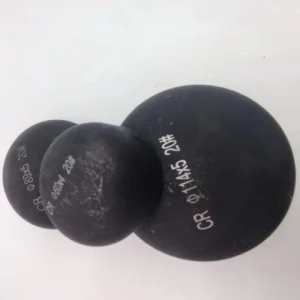
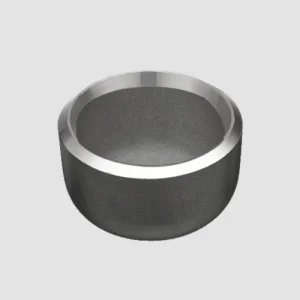
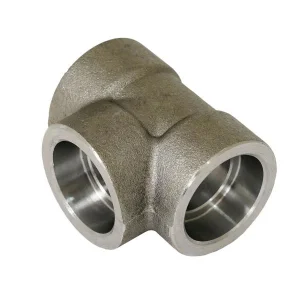
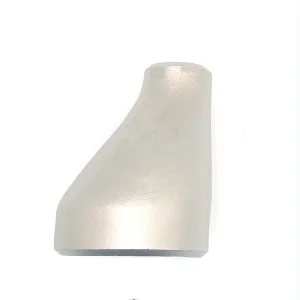
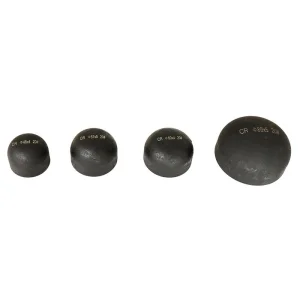
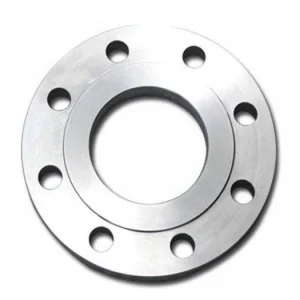
Macro Industry Trends: The Evolution of Big-Size Gate Valves in Global Infrastructure
As global industrialization shifts toward ultra-large-scale energy projects, regional water mega-transfers, and high-pressure petrochemical refineries, the demand for high-reliability, large-diameter valves (DN600 to DN4000+, NPS 24" to 160") has entered a transformational era. Modern engineering demands unprecedented performance characteristics under extreme thermodynamic and mechanical stress.
Hydrogen & Decarbonization Integration
Transitioning energy grids require large-bore isolation valves capable of handling blended hydrogen fuel lines, carbon capture, utilization, and storage (CCUS) networks. This requires zero-emissions stem sealing (ISO 15848-1 Class AH) and advanced alloy metallurgy to withstand hydrogen embrittlement.
Severe-Service Pressure Ratings
Modern ultra-deepwater offshore extraction and super-critical power generation plants push pressure envelopes beyond ASME Class 1500 and 2500. Gate valves built for these services require forged steel bodies (ASTM A105, A350 LF2, F316) featuring finite element analysis (FEA) optimized stress distribution.
Digitalization & Actuation Intelligence
Manual wheel operation for big size gate valves (e.g., DN1200+) is being systematically replaced by electro-hydraulic, pneumatic, and intelligent motorized multi-turn actuators. Built-in IoT sensors track differential pressure, stem torque, and seat wear in real-time to enable predictive maintenance.
Deep Engineering Architecture: Big Size Gate Valve Structural Dynamics
Engineered flow isolation involves complex mechanics. Understanding wedge geometries, stem dynamics, and bonnet seals is essential for preventing structural deformation, thermal binding, and high-differential pressure lockup.
Wedge & Disc Topologies
Flexible Wedge: Cast/forged with a cut around the perimeter to allow independent movement of seating surfaces, compensating for body seat alignment changes caused by pipe strain.
Parallel Slide Wedge: Features dual discs pushed outward by internal springs, ideal for high-pressure differential gas service with low operating torque requirements.
Stem Mechanisms (OS&Y vs NRS)
Outside Screw & Yoke (OS&Y): The stem thread remains outside the fluid path, preventing media corrosion and allowing operators to immediately visually determine open/closed status.
Non-Rising Stem (NRS): Threading operates inside the valve cavity. Critical for space-constrained installations, subterranean water lines, and underground vault configurations.
Seat Ring Hardfacing Metallurgy
To resist fluid erosion, flashing, and particulate scoring, seating surfaces are hardfaced using high-velocity oxygen fuel (HVOF) or plasma transferred arc (PTA) welding processes.
Standard hardfacing includes Stellite 6 (CoCr-A), Inconel 625 cladding, or Tungsten Carbide overlays guaranteeing 500+ HB hardness.
| Valve Type & Model | Nominal Size Range | Pressure Class (ASME / PN) | Body Materials | Primary Industrial Standard |
|---|---|---|---|---|
| API 600 Cast Steel Gate Valve | DN50 – DN1800 (2" – 72") | Class 150 to Class 2500 | ASTM A216 WCB, A351 CF8M, A217 WC6 | API 600, ASME B16.34, ISO 10434 |
| API 6D Pipeline Gate Valve | DN150 – DN2400 (6" – 96") | Class 150 to Class 1500 | ASTM A350 LF2, A105N, Duplex 2205 | API 6D, ASME B16.34, ISO 14313 |
| Resilient Seated Water Gate Valve | DN50 – DN4000 (2" – 160") | PN6, PN10, PN16, PN25 | Ductile Iron GGG50 / EN-GJS-500-7 | AWWA C509/C515, EN 1171, BS 5163 |
| Pressure Seal Bonnet Gate Valve | DN100 – DN1200 (4" – 48") | Class 900 to Class 2500 | ASTM A217 C12A (F91), WC9, WCB | ASME B16.34, BS 1868 |
Global Enterprise Sourcing: Big Size Gate Valve Pricelist Benchmarks
Pricing for industrial big-size gate valves fluctuates based on raw alloy surcharges (Nickel, Molybdenum, Cobalt), non-destructive testing (NDT) levels, actuator integration, and pressure ratings. Below is an updated enterprise procurement cost estimate matrix for budgeting key piping packages.
| Nominal Size (DN / NPS) | Pressure Rating | Material Specification | Actuation Type | Estimated FOB Benchmark Price (USD) |
|---|---|---|---|---|
| DN600 (24 Inch) | ASME Class 150 / PN16 | ASTM A216 WCB (Carbon Steel) | Manual Bevel Gearbox | $3,800 – $5,500 |
| DN600 (24 Inch) | ASME Class 600 / PN100 | ASTM A217 WC6 (Alloy Steel) | Rotork / Auma Electric Actuator | $14,500 – $19,000 |
| DN900 (36 Inch) | ASME Class 150 / PN16 | ASTM A216 WCB (Stellite 6 Facing) | Electric Multi-Turn Actuator | $18,000 – $24,500 |
| DN900 (36 Inch) | ASME Class 300 / PN50 | ASTM A351 CF8M (316 Stainless) | Electro-Hydraulic Actuator | $38,000 – $49,000 |
| DN1200 (48 Inch) | PN10 / AWWA Class D | Ductile Iron GGG50 (EPDM Soft Seat) | Spur Gearbox / Handwheel | $12,000 – $16,500 |
| DN1500 (60 Inch) | ASME Class 300 / PN50 | ASTM A216 WCB / Forged Trim | Heavy Duty Electric Actuator | $65,000 – $88,000 |
| DN2000+ (80 Inch+) | PN16 Water Service | Fabricated Carbon Steel / Epoxy Coated | Pneumatic Cylinder / Actuator | Custom Engineering Quote |
Cost Driver: NDT Requirements
Radiographic Testing (RT) on 100% of body casting welds, Positive Material Identification (PMI), and Dye Penetrant Testing (PT) of seat overlays add approximately 8% to 15% to total unit costs but eliminate high-risk field failures.
Cost Driver: Trim Hardness
Standard 13Cr (API Trim 1) represents baseline pricing. Upgrading to API Trim 5 (Full Stellite) or API Trim 10 (316 Stainless Steel) adjusts pricing upward by 12% to 28% depending on raw material spot markets.
Cost Driver: Logistics & Packing
Valves exceeding DN1200 require specialized transport frames, seaworthy heavy-duty timber crating, and out-of-gauge (OOG) containerized shipping planning to protect stem straightness during transit.
Macro Industry Solutions: Engineering Deployment Environments
Hebei Cangrun Pipeline Equipment Co., Ltd. delivers customized flow-control assemblies engineered specifically for high-stress operational parameters across global industrial infrastructure.
Thermal & Hydro Power Plant Piping
Main steam isolation and condenser cooling water circuits require valves capable of enduring rapid thermal cycles and high fluid velocities. Our pressure-seal bonnet gate valves utilize F91/F22 alloy bodies designed to eliminate bonnet joint leakage under high cyclic pressures.
Cross-Country Crude & Gas Pipelines
Compliant with API 6D standards, our large-bore slab gate and expanding gate valves deliver double-block-and-bleed (DBB) capabilities. Integrated mechanical position indicators ensure verifiable shut-off integrity across vast transmission networks.
Municipal Desalination & Water Mains
Large-bore resilient seated gate valves (Z45X series) up to DN4000 feature WRAS/DVGW-approved fusion-bonded epoxy (FBE) internal coatings. These deliver zero corrosion and zero tuberculation in municipal seawater reverse osmosis (SWRO) systems.
Localized Support, Global Compliance & Quality Assurance Framework
Executing international projects requires absolute adherence to strict regional quality, environmental, and metallurgical standards. Cangrun Pipeline Equipment operates three dedicated manufacturing plants backed by rigorous QA/QC documentation protocols.
ISO & API Certified
Manufacturing facility operates under audited ISO 9001:2015 Quality Systems, ISO 14001 Environmental Management, and holds official API 600, API 6D, and API 6FA fire-safe certifications.
PED 2014/68/EU
Full CE marking compliance under Pressure Equipment Directive (PED) Category IV Module H, permitting seamless deployment into European Union industrial installations.
NACE MR0175 / ISO 15156
Sour gas service readiness. All internal metallic components, stems, body castings, and bolting meet strict hardness thresholds to prevent sulfide stress cracking (SSC).
Traceability & MTRs
Every valve is shipped with comprehensive EN 10204 3.1 or 3.2 Material Test Reports (MTRs) certifying chemical heat analysis, mechanical tensile testing, and hydro-test pressures.
Technical Roadmap: Next-Generation Valve Innovations (2026–2030)
The future of industrial flow control lies at the intersection of material science, additive manufacturing, and artificial intelligence integration.
1. Smart Sensing & Digital Twins
Integration of piezoelectric strain gauges along the valve stem to monitor operational torque in real-time. Paired with digital twin software, algorithms predict seat degradation, preventing unscheduled plant shutdowns.
2. Ultra-Low Emission Stem Packing
Development of flexible graphite packing combined with live-loaded Belleville spring washers. Achieving fugitive emissions under 50 ppm (parts per million) in volatile organic compound (VOC) service.
3. Additive Alloy Overlays
Laser Powder Bed Fusion (LPBF) 3D printing techniques applied to gate valve sealing faces, allowing complex micro-channel cooling inside internal wedge cavities for ultra-high temperature service up to 800°C.
Frequently Asked Engineering & Procurement Questions
In-depth technical responses curated by Cangrun senior valve engineers for plant operators and EPC procurement managers.
Featured Industrial Valves, Flanges & Pipeline Components (Part II)
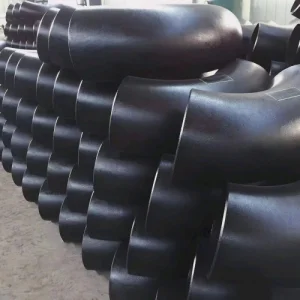
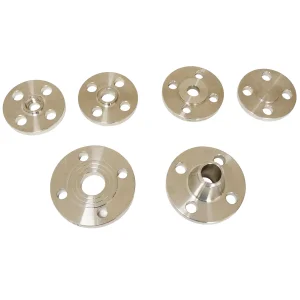
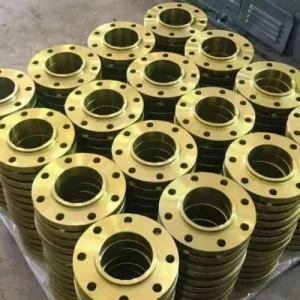
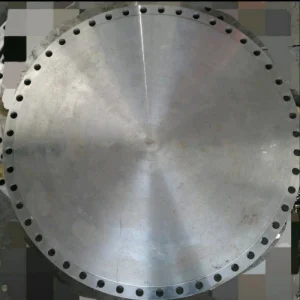
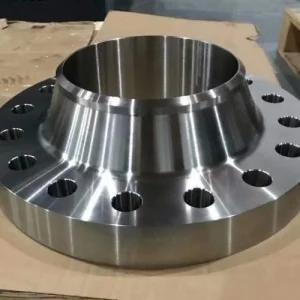
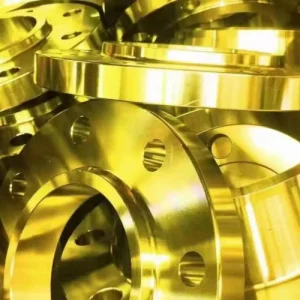
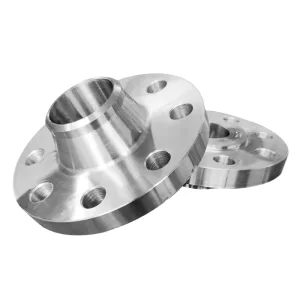
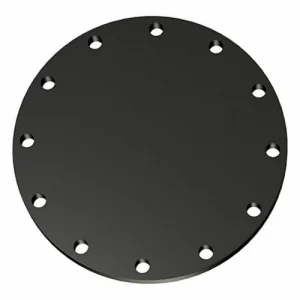
Select additional pipeline connections, flanges, and high-pressure fittings to complete your procurement package.
Hebei Cangrun Pipeline Equipment Co., Ltd.
A premier Chinese manufacturer of industrial pipe fittings, heavy flanges, seamless and ERW steel pipes, and large-bore gate, ball, and butterfly valves. Serving global EPC contractors across petrochemical, energy, and water infrastructure sectors since 2010.
Group Subsidiary Plants
- Cangzhou Feiwo Metal Products Co., Ltd.
Boerzhuang Industrial Zone, Cangzhou, Hebei - Cangzhou Feixiang Metal Products Co., Ltd.
Boerzhuang Industrial Zone, Cangzhou, Hebei
Engineering Support & Quotations
Email: [email protected]
Direct Line: +86-186-3384-2061
Main Desk: +86-311-87017717
HQ Address: Bobei Industrial Zone, Cangzhou City, Hebei Province, China