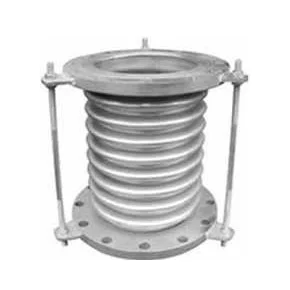
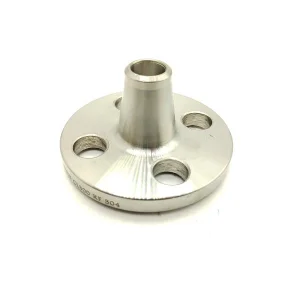
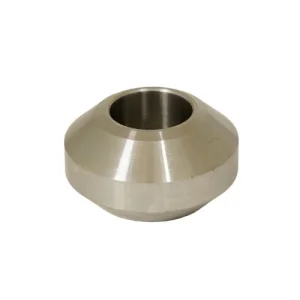
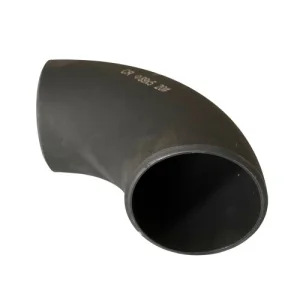
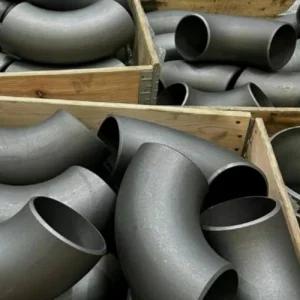
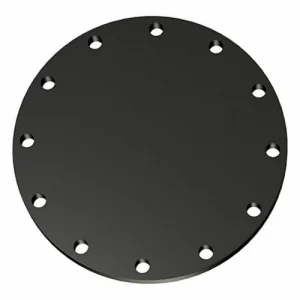
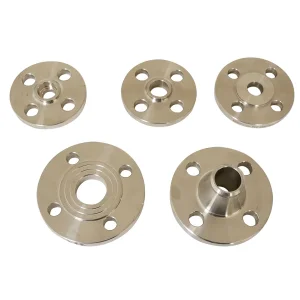
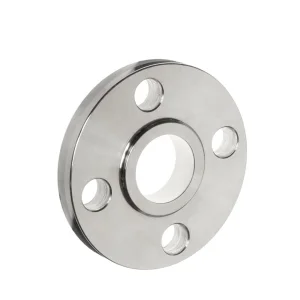
Featured Pipeline Components & Fittings
Explore our factory-direct industrial fittings, flanges, and piping solutions engineered for high-pressure municipal and industrial fluid networks.
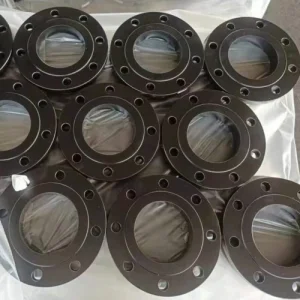
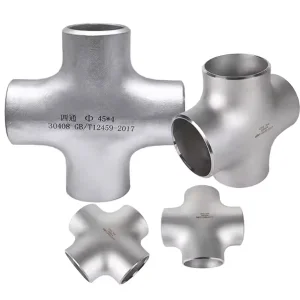
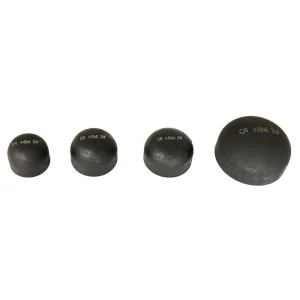
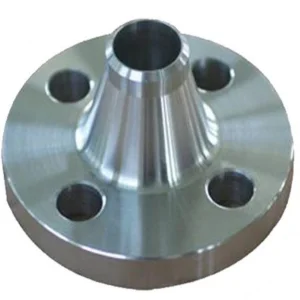
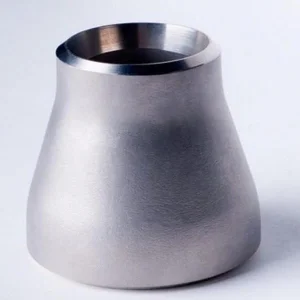
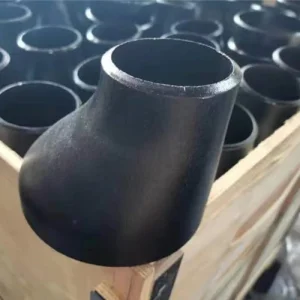
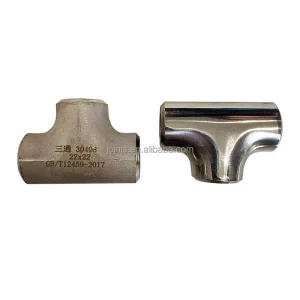
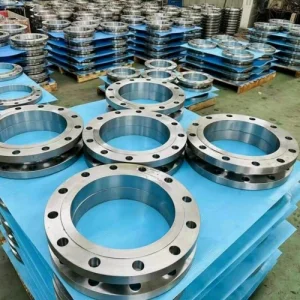
1. Executive Engineering Summary: Spheroidal Graphite & Ductile Iron Mechanics
Ductile Iron Pipe (DIP) represents the pinnacle of metallurgical evolution in pressure fluid transport. Originally developed as a superior successor to brittle gray cast iron, ductile iron incorporates a controlled amount of magnesium inoculants into low-sulfur base iron during the melting process. This precise chemical reaction transforms flake graphite into rounded, spheroidal (nodular) graphite inclusions within the metallic matrix.
This microstructural transformation grants ductile iron physical performance metrics rivaling structural carbon steel—boasting a tensile strength exceeding 420 MPa, a yield strength greater than 300 MPa, and an elongation capacity ranging from 7% to 10%. Consequently, municipal water authorities, civil engineering EPC (Engineering, Procurement, and Construction) contractors, and industrial facility operators heavily rely on centrifugally cast ductile iron pipes for potable water trunklines, raw water transmission, high-pressure sewage mains, and industrial fire protection grids.
The phrase "Discount Ductile Iron Pipe" in modern industrial procurement does not denote substandard material quality or compromised wall thickness. Rather, it signifies factory-direct pricing models leveraged through vertically integrated Chinese manufacturing clusters. By eliminating intermediary trading markups, optimizing blast furnace iron output, and utilizing continuous deLavaud centrifugal casting automation, global buyers secure high-grade Class C and Class K piping at substantial unit-cost savings.
2. The China Manufacturing Advantage: How Factory-Direct Sourcing Yields True Value
China’s advanced metallurgical industrial clusters—centered around Hebei, Shandong, and Shanxi—house the world’s most modern, eco-friendly blast furnaces and deLavaud centrifugal casting lines. Understanding the structural economics behind Chinese manufacturing clarifies why international buyers achieve lower Total Cost of Ownership (TCO).
Vertical Melt Integration
Leading Chinese pipe manufacturers operate direct hot-metal transfer channels from blast furnaces to induction holding furnaces. Eliminating remelting cold pig iron drastically reduces power consumption per metric ton, driving down base production costs.
Automated deLavaud Casting
High-speed, PLC-controlled centrifugal casting machines ensure uniform wall thickness tolerance, preventing material waste and enabling strict adherence to ISO 2531 and EN 545 Class C pressure ratings without weight excesses.
Clustered Supply Logistics
Proximity to Tianjin and Qingdao deep-water ports, combined with integrated lining (cement mortar, polyurethane, epoxy) and zinc spraying workshops, streamlines containerization and bulk vessel loading, sharply lowering freight overhead.
3. Global Enterprise Compliance & Engineering Standards Matrix
To be specified in tier-1 municipal tenders and global EPC projects, ductile iron pipes must meet strict international standards. Below is a detailed engineering matrix cross-referencing major global piping standards and operational parameters.
| Standard Ref. | Primary Application | Size Range | Pressure / Class Rating | External Coating Standard | Internal Lining Standard |
|---|---|---|---|---|---|
| ISO 2531 | Water & Gas Pipelines (Global) | DN80 - DN2600 | Class C25 / C30 / C40 / C100 & K7, K9, K12 | Metallic Zinc (200g/m²) + Bitumen/Epoxy (ISO 8179-1) | Blast Furnace Cement Mortar (ISO 4179) |
| EN 545 | Water Supply (European Standard) | DN60 - DN2000 | Preferred Class C Rating (PN10 to PN50) | Zinc-Aluminum Alloy (400g/m²) + Blue Epoxy/Acrylic | Portland / Sulfate-Resistant Cement |
| EN 598 | Sewerage & Wastewater Services | DN100 - DN2000 | Class C & K Series for Corrosive Media | Red-Brown Metallic Zinc / Epoxy Outer Seal Coat | High-Alumina Cement Mortar (HAC) |
| ANSI/AWWA C151 | Water Systems (North America) | 3" to 64" (NPS) | Pressure Classes 150, 200, 250, 300, 350 psi | Asphaltic Coating (ANSI/AWWA C151/A21.51) | Cement Mortar Seal Coated (AWWA C104) |
| ISO 16631 | Trenchless Micro-tunneling / Jacking | DN150 - DN1200 | High Push Force Thrust Ratings | Reinforced Concrete Shield / Polyurethane (PU) | Smooth High-Alumina Cement / Polyurethane |
Material Chemical Composition Rigor: Quality factories maintain absolute metallurgical control over raw melt ratios: Carbon (3.4% - 3.9%), Silicon (2.0% - 2.8%), Manganese (<0.4%), Phosphorus (<0.05%), Sulfur (<0.02%), and residual Magnesium (0.03% - 0.06%). This ensures a minimum nodularity rate of 85% (Grade 1 & 2 per ISO 945), guaranteeing superior micro-yield characteristics under impact, land settling, and water hammer conditions.
4. Localized Application Scenarios & Flexible Joint Engineering
Pipeline infrastructure spans diverse geographies, from acidic peat soils and seismic zones to subsea crossings and dense urban sub-surfaces. Selecting the optimal joint configuration and external protection system is vital for long-term system integrity.
Municipal Potable & Raw Water Supply
Utilizing flexible Tyton (Push-on) joints with EPDM or NBR rubber gaskets allows up to 5 degrees of angular deflection per pipe length. Internal linings composed of blast furnace slag cement or Ordinary Portland Cement (OPC) compliant with WRAS, DVGW, and NSF/ANSI 61 ensure zero drinking water contamination and prevent tuberculation.
High-Pressure Sewage & Industrial Effluent
For raw wastewater containing dissolved hydrogen sulfide ($H_2S$) or industrial slurries with pH levels between 3 and 12, High-Alumina Cement (HAC) linings or Polyurethane (PU) linings provide superior abrasion resistance and chemical immunity under turbulent flow velocities (> 3 m/s).
Seismic Deflection & Subsidence Zones
In earthquake-prone regions or unstable backfill soils, Self-Restraining Mechanical Joints (e.g., TF-Type / Type-VE) lock pipes together via weld beads and internal locking rings. These joints withstand intense tensile pull-out forces while absorbing ground shear and vertical displacement.
Trenchless Micro-tunneling & HDD
When crossing highways, railways, or rivers where open-cut trenching is prohibited, specialized Ductile Iron Jacking Pipes (ISO 16631) equipped with smooth, outer concrete sacrificial sleeves allow rapid horizontal directional drilling (HDD) installation without damaging core structural coatings.
5. Future Industry Trends: Smart Infrastructure & Eco-Coatings
The ductile iron piping sector is undergoing a technology-driven evolution. Modern municipal specifications demand enhanced eco-protection, active corrosion mitigation, and digital asset tracking capabilities embedded directly into physical piping systems.
Zinc-Aluminum (85/15) + Rare Earth Coatings
Replacing traditional pure zinc sprays, advanced factory applications now utilize an 85% Zinc / 15% Aluminum alloy with active rare-earth elements at a density of 400 g/m². Upon contact with aggressive soil electrolytes, this active layer forms an insoluble protective galvanic barrier, extending service life in highly corrosive soils (< 1500 Ω·cm) beyond 100 years.
Solvent-Free Epoxy & Ceramic Coatings
To reduce environmental VOC emissions and guarantee ultra-smooth internal surfaces ($k \le 0.03 \text{ mm}$ hydraulic roughness factor), eco-focused factories are shifting to 100% solid, solvent-free epoxy ceramic linings. This drastically lowers pumping energy costs over decades of municipal operation.
Integrated RFID & Smart GIS Tracking
Next-generation factory-direct shipments incorporate passive RFID tags embedded in the pipe socket. During trench installation, municipal operators scan each pipe length to instantly log wall thickness, manufacturing batch code, hydrostatic test values, and GPS coordinates straight into civil GIS asset databases.
6. EPC Sourcing Guide: QA/QC Verification & Inspection Protocols
Procuring discounted ductile iron pipe directly from global manufacturers requires strict adherence to quality control verification. International buyers must enforce rigorous Factory Acceptance Testing (FAT) protocols before containerization or vessel chartering.
Mandatory Factory Acceptance Tests (FAT)
- In-Line Hydrostatic Testing: 100% of manufactured pipes must undergo automatic hydrostatic pressure testing (up to 50 bar depending on DN and Class) for a minimum hold time of 10 seconds without leakage.
- Ultrasonic Wall Thickness Gauging: Continuous automated ultrasonic scanning along the entire barrel length to ensure zero wall thinning below ISO/EN tolerance limits (-1.3 mm to -1.5 mm).
- Metallurgical Micro-structure Sampling: Tensile test bars cut from pipe spigots tested for ultimate tensile strength (> 420 MPa), yield point (> 300 MPa), and minimum 10% elongation.
Third-Party Documentation & Traceability
- EN 10204 Type 3.1 / 3.2 Material Test Reports: Comprehensive mill test certificates (MTR) signed by authorized factory quality officers detailing heat numbers, chemical melt analyses, and mechanical destructive test outcomes.
- Third-Party Witness Audits: Independent inspection agencies such as SGS, Bureau Veritas (BV), Lloyd's Register, or TÜV performing visual dimensional audits, coating thickness (DFT) checks, and seal ring durometer verification.
- Potable Water Hygiene Certification: Official WRAS (UK), DVGW (Germany), or ACS (France) compliance validation for internal cement and rubber ring formulations.
7. Frequently Asked Questions (Procurement & Technical FAQ)
Get authoritative technical answers regarding discount procurement, sizing standards, pressure ratings, and delivery logistics.
Complete Pipeline System Components & Accessories
Explore additional pipeline joint solutions, specialty flanges, stainless components, and high-pressure fittings.