
Precision Engineering Portfolio Part I
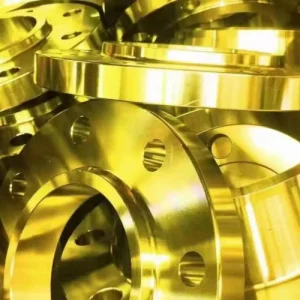
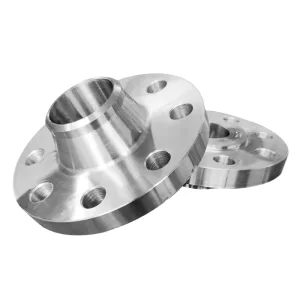
Directly source certified flanged industrial components manufactured under rigorous ISO 9001 and API QA protocols.
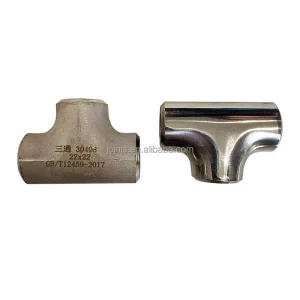
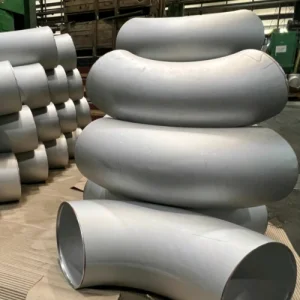
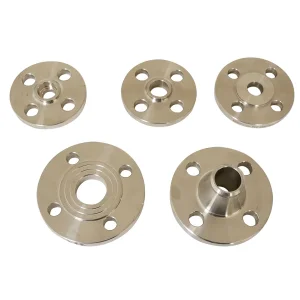
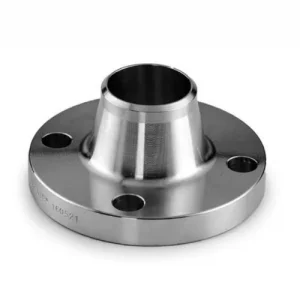
Evolutionary Trends in Flanged Gate Valve Engineering
The industrial valve sector is undergoing a structural paradigm shift driven by high-temperature/high-pressure operational demands, fugitive emission mandates, and digitalized pipeline infrastructure. Gate valves with flanged connections remain the benchmark choice for full-bore bi-directional isolation in critical fluid networks.
Zero Fugitive Emission Seals
Driven by stringent global ESG compliance standards (API 622, ISO 15848-1), Chinese manufacturers are implementing ultra-dense graphite packing systems and live-loaded gland bolting to limit fugitive volatile organic compound (VOC) leakage to less than 50 ppm.
Advanced Cladding Metallurgy
To eliminate premature erosion in sour service (H2S/CO2) and high-salinity seawater desalination, automated robotic weld overlay systems apply Stellite #6, Inconel 625, and Hastelloy C276 layers to critical sealing faces and wedge guide channels.
Smart Actuation & IoT Ready
Modern flanged gate valves now frequently incorporate integrated torque sensors, digital stem-position indicators, and wireless diagnostic modules that communicate directly with plant SCADA systems for predictive maintenance scheduling.
Global Procurement Demands & Total Cost Optimization
International Engineering, Procurement, and Construction (EPC) contractors require high reliability, certified metallurgy, and transparent vendor verification when issuing RFQs for flanged gate valves.
1. Verification of Material Test Reports (MTRs)
Ensuring strict compliance with EN 10204 Type 3.1 and 3.2 certification. Every valve casting undergoes Positive Material Identification (PMI) using handheld XRF analyzers to confirm heat code traceabilities for C, Mn, Si, Cr, Ni, Mo, and impurity levels (P, S).
2. Hydrostatic & Pneumatic Shell/Seat Testing
All flanged gate valves engineered in China undergo double-block hydrostatic seat testing per API 598 or ISO 5208. High-pressure gas seat testing using helium or nitrogen is routinely deployed for gas transmission lines.
3. Flange Facing Dimensions & Tolerances
Precise concentric or spiral serrated machining on Raised Face (RF), Ring Type Joint (RTJ), or Flat Face (FF) flanges guarantees a perfect leak-tight mechanical connection with mating pipe flanges under severe line stress.
China Industry 4.0: Supply Chain Resilience & Cangzhou Cluster Advantages
China’s valve and pipeline manufacturing eco-system—centered prominently around industrial hubs like Cangzhou, Hebei—combines localized steel foundry integration with Industry 4.0 smart automation.
Complete Vertical Integration
From raw steel melting and precision lost-wax investment casting to 5-axis CNC machining, heat treatment, and automated hydrostatic testing, the entire manufacturing cycle takes place within a 50 km radius. This drastically shortens production lead times for bulk RFQs.
Robotic CNC Precision
Modern factories utilize horizontal machining centers (HMC) with automated tool changers. Valve bodies, bonnet mating flanges, and wedge guiding grooves are machined in single setups, guaranteeing strict geometric tolerances and zero-misalignment wedge seating.
Agile Customization Capability
Need extended bonnets for cryogenic service (LNG), customized face-to-face dimensions per legacy EN/DIN standards, or specialized anti-corrosion internal coatings (such as Fusion Bonded Epoxy or PTFE lining)? Chinese manufacturers offer fast 3D CAD modeling and prototype validation.
Flanged Gate Valve Material & Specification Matrix
Match your project fluid dynamics, working temperatures, and pressure requirements against certified material grades available from Chinese manufacturers.
| Body Material | ASTM Standard | Pressure Class | Operating Temp Range | Typical Fluid Application |
|---|---|---|---|---|
| Carbon Steel | ASTM A216 WCB / WCC | Class 150 – 2500 / PN16 – PN400 | -29°C to 425°C (-20°F to 800°F) | Non-corrosive oil, natural gas, steam, water lines. |
| Low Temp Carbon Steel | ASTM A352 LCB / LCC | Class 150 – 1500 / PN16 – PN250 | -46°C to 345°C (-50°F to 650°F) | Low-temperature gas processing, cold-climate pipelines. |
| Austenitic Stainless Steel | ASTM A351 CF8 / CF8M (304 / 316) | Class 150 – 1500 / PN10 – PN250 | -196°C to 537°C (-320°F to 1000°F) | Corrosive chemicals, nitric acid, cryogenic fluids, food grade. |
| Duplex Stainless Steel | ASTM A890 4A (2205) / 5A (2507) | Class 150 – 900 / PN16 – PN150 | -40°C to 280°C (-40°F to 536°F) | Seawater desalination, high-chloride environments, offshore. |
| Alloy Steel | ASTM A217 WC6 / WC9 / C5 / C12 | Class 300 – 2500 / PN40 – PN400 | -29°C to 593°C (-20°F to 1100°F) | High-temperature superheated steam, boiler feed water, power plants. |
Localized Application Scenarios & Field Performance
Flanged gate valves are deployed across diverse global environments. Selecting the proper mechanical configuration—OS&Y vs. Non-Rising Stem, Wedge Type, and Flange Facing—ensures long-term operational success.
Thermal Power Generation Steam Lines
Configuration: API 600 OS&Y (Outside Screw & Yoke) Gate Valve, ASTM A217 WC9 alloy body, Class 900 RF Flanged connection, Stellite-faced flexible wedge.
Why it works: The flexible wedge design prevents thermal binding ("wedge lock") when the valve is operated under rapid temperature fluctuations between cold shutdown and superheated steam conditions.
Offshore Hydrocarbon Upstream Isolation
Configuration: API 6D Pipeline Gate Valve, ASTM A351 CF8M stainless body, Class 600 Ring Type Joint (RTJ) Flange, NACE MR0175 compliant.
Why it works: RTJ flanges utilize a metallic gasket ring compressed into precision grooves, ensuring zero leak rates even under heavy vibration and severe marine bending moments.
Municipal Water Transmission Mains
Configuration: Resilient Seated Gate Valve (BS 5163 / DIN 3352), Ductile Iron GGG50 body, PN16 EN1092-2 Flanged, EPDM encapsulated wedge.
Why it works: The rubber-encapsulated wedge provides 100% bubble-tight shutoff against suspended sand and sediments, while internal/external non-toxic epoxy coating protects drinking water quality.
Deconstructing Quotes: How to Evaluate China Manufacturer RFQs
To obtain accurate, comparative pricing for flanged gate valves from Chinese suppliers, procurement officers should ensure the following price driver parameters are clearly defined in the bid documentation:
1. Valve Trim Specification
Specify API 600 Trim Numbers (e.g., Trim 1, Trim 5, Trim 8, Trim 10). Trim material choices for stem, disc seating surface, and backseat dramatically impact unit cost.
2. Bonnet Connection Type
Bolted Bonnet (BB) is standard for Class 150-600. High-pressure steam or high-temp applications (Class 900+) require Pressure Seal Bonnets (PSB), which increase manufacturing complexity.
3. Non-Destructive Testing Scope
Standard quotes include hydrostatic seat/shell testing. Supplementary NDT like Radiographic Testing (RT) on casting critical sections or Magnetic Particle (MT) will add to base quotes.
4. Actuation Requirements
Clarify whether the valve requires a direct handwheel, bevel gearbox for high-torque manual operation, or ISO 5210 top-flange mounting for electric/pneumatic actuators.
Frequently Asked Questions on Flanged Gate Valves
In-depth answers to common engineering, quality assurance, and commercial inquiries.
Precision Engineering Portfolio Part II
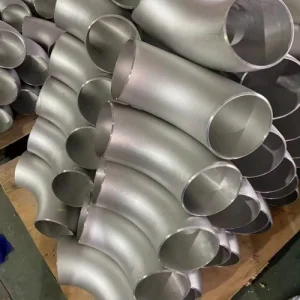
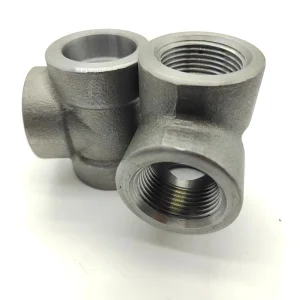
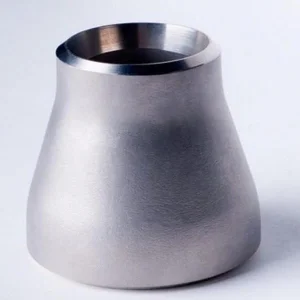
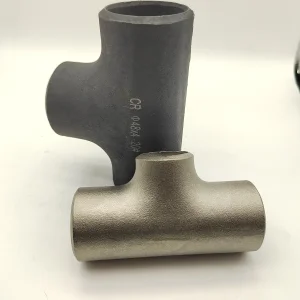
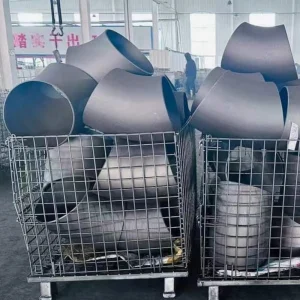
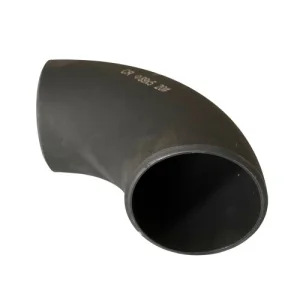
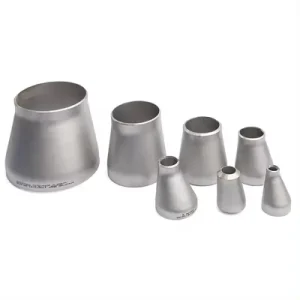
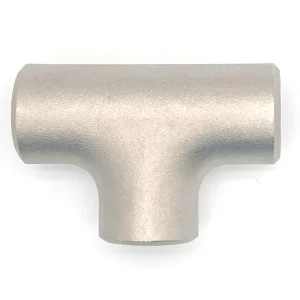
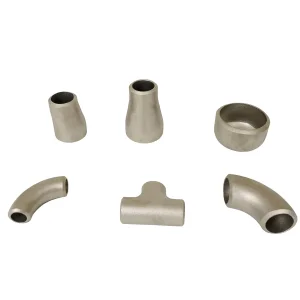
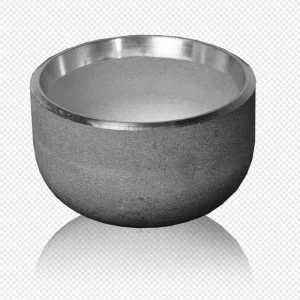
Complete your piping system package with matched butt-weld fittings, forged fittings, and specialized reducers.
Ready to Secure Certified Flanged Gate Valves?
Connect directly with our engineering sales team to request comprehensive MTRs, 3D CAD models, or competitive project quotes.