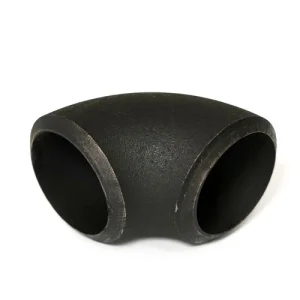
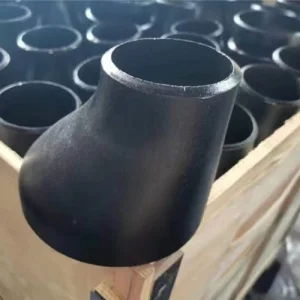
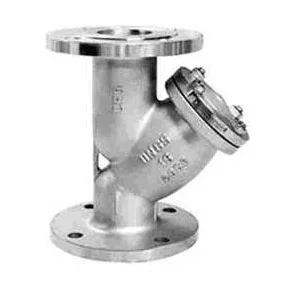
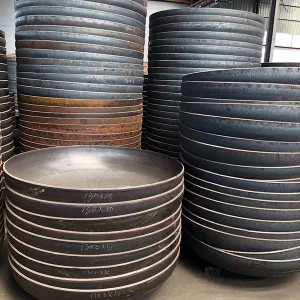
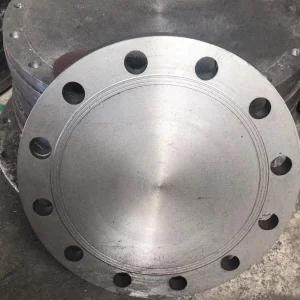
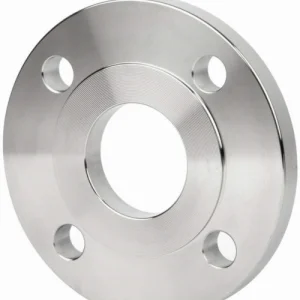
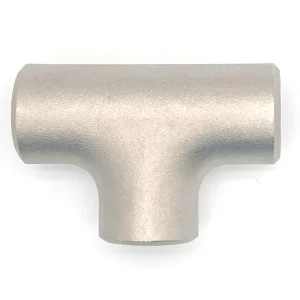
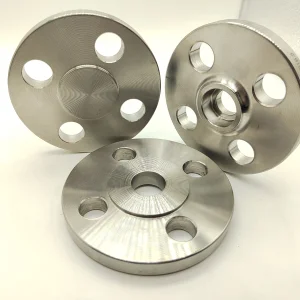
Featured Industrial Pipe Fittings & Flanges Showcase
Explore our precision-engineered product line manufactured to ANSI/ASME, DIN, JIS, and GB international standards.
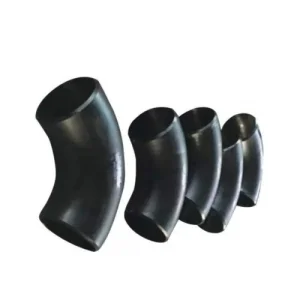
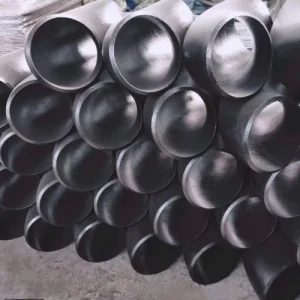
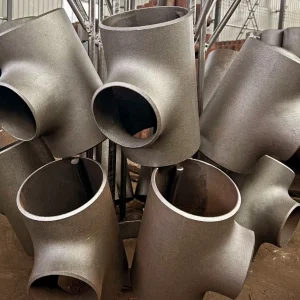
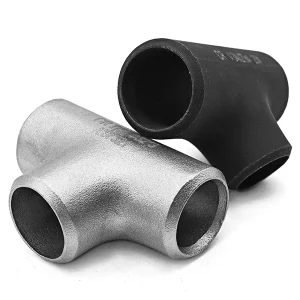
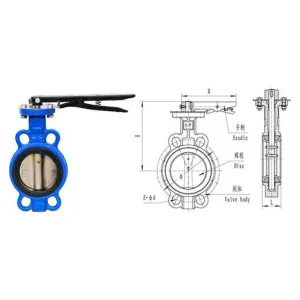
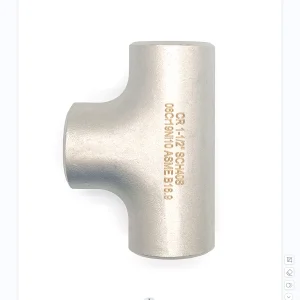
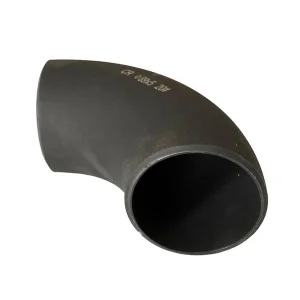
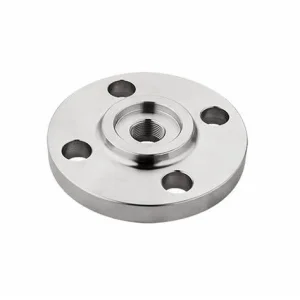
Global Industrial & Commercial Landscape of Brass Flanges
Understanding market demand dynamics, chemical compatibility, and regional material specification requirements.
Regional Demand Dynamics
The global industrial brass flange sector is experiencing sustained growth driven by urbanization, HVAC modernization, municipal water upgrades, and marine vessel construction. In North America and Europe, stringent potable water regulations (such as NSF/ANSI 61 and low-lead directives) govern brass flange procurement. Conversely, rapid industrial expansion across the Asia-Pacific and Middle East regions fuels high-volume demand for commercial-grade CW614N and C36000 brass flanges for HVAC and oil/gas secondary fluid loops.
Copper Alloy Metallurgy Focus
Brass (primarily copper-zinc alloys) offers superior thermal conductivity, excellent machinability, natural antimicrobial properties, and exceptional resistance to biofouling compared to ferrous metals. China manufacturers leverage specialized formulations including Dezincification Resistant (DZR/CW602N) brass, Lead-Free Eco-Brass (C69300), and High-Tensile Naval Brass (C46400) to meet ultra-specific operating envelope parameters required by EPC contractors worldwide.
Material Comparison Synergy
While stainless steel flanges excel in aggressive chemical environments and carbon steel dominates high-pressure/high-temperature steam lines, brass flanges occupy a critical sweet spot. They provide cost-effective corrosion resistance in seawater, potable water, fuel gas lines, and HVAC cooling towers without the galvanic corrosion risks or high cost associated with stainless-to-copper pipe transitions.
| Material Grade | Copper (%) | Zinc (%) | Key Performance Characteristics | Primary Industrial Applications |
|---|---|---|---|---|
| C36000 (Free-Cutting Brass) | 60.0 – 63.0 | Bal. | 100% Machinability rating, excellent thread precision, smooth surface finish. | Commercial plumbing, threaded brass companion flanges, instrument valves. |
| CW602N / DZR (C35330) | 61.5 – 63.5 | Bal. | Specialized arsenic addition prevents dezincification in acidic/soft water. | Potable water distribution, municipal pipelines, district heating manifolds. |
| C46400 (Naval Brass) | 59.0 – 62.0 | Bal. (0.5-1.0% Sn) | Tin addition significantly enhances resistance to seawater dezincification and cavitation. | Marine heat exchangers, offshore piping, naval shipboard seawater systems. |
| C69300 (Eco-Brass Lead-Free) | 73.0 – 77.0 | Bal. (2.7-3.4% Si) | Zero-lead compliance (<0.09% Pb), high yield strength matching stainless steel. | NSF 61 certified drinking water infrastructure, medical gas piping networks. |
Manufacturing Technology & Technological Roadmap
From advanced forging and CNC multi-axis machining to futuristic lead-free green metallurgy.
Advanced Production Technology
Modern Chinese brass flange manufacturing has shifted from traditional sand-casting to high-precision hot die forging and gravity die casting. Hot forging compresses the grain structure of the copper-zinc matrix, eliminating internal micro-porosity and blowholes. Subsequent processing utilizes multi-axis CNC turn-mill machining centers equipped with real-time laser measurement probes, ensuring strict adherence to ASME B16.24, EN 1092-3, and JIS B2220 dimensional standards.
- Hot Forging Density Enhancement (Grain refinement under 600-ton hydraulic press)
- Precision Thread Milling (NPT, BSPT, BSPP conforming to ISO 7-1)
- Automated Surface Finishing (Electrolytic polishing, Nickel & Chrome plating)
R&D and Future Roadmap
Phase-out of traditional lead-bearing brasses in favor of C69300/C87850 eco-friendly alloys without sacrificing machinability.
Implementation of RFID/QR-coded material tracing embedded directly into flange rims for full digital mill test certificate (MTR) verification.
Development of nano-composite physical vapor deposition (PVD) barrier layers to double service life in hypersaline marine environments.
China Supply Chain Resilience & Efficiency Advantages
Why leading global engineering companies choose Cangzhou, Hebei as their pipeline component manufacturing hub.
Industrial Cluster Synergy
Situated in the heart of China’s pipeline equipment manufacturing core in Hebei Province (including Cangzhou, Bobei, and Boerzhuang industrial zones), suppliers benefit from an end-to-end industrial ecosystem. Raw copper refining, alloy billet casting, precision forging die workshops, heat treatment facilities, and testing laboratories exist within a 30-kilometer radius, drastically cutting production lead times.
Agile Tooling & OEM/ODM Flexibility
Chinese manufacturers stand out for their rapid tooling iteration. Custom brass flange designs—whether PN6 to PN40 metric flanges, ANSI 150lb to 300lb companion flanges, or specialized solder-joint brass flanges—can transition from CAD/CAM modeling to 3D prototype sample within 72 hours, and full volume production within two weeks.
Logistics & Export Connectivity
Proximity to major deep-water ports like Tianjin Port and Qingdao Port enables seamless containerized shipments. Coupled with sophisticated export logistics teams adept at navigating international maritime surcharges, port blank sailings, and customs documentation, Chinese factories guarantee predictable lead times for global project delivery schedules.
Localized Application Scenarios & Engineering Field Integrations
Targeted application analysis detailing how brass flanges perform in specialized operational environments.
1. HVAC & District Heating Networks
In hydronic heating, chilled water systems, and commercial air conditioning units, thermal expansion and electrolytic corrosion pose constant risks. Brass threaded and solder-neck flanges act as essential dielectric isolation elements when joining copper piping to cast iron boilers or steel pumps. They absorb vibration, withstand cyclic thermal stress (-20°C to +150°C), and resist scaling in closed-loop water circulation systems.
2. Marine & Offshore Plumbing Systems
Onboard commercial ships, naval vessels, and offshore oil platforms, seawater cooling lines quickly degrade inferior metals. Utilizing Naval Brass (C46400) or CuZn39Pb3 brass flanges provides high resistance to impingement attack and chloride stress corrosion cracking. They are extensively installed in bilge pump lines, ballast water management equipment, and seawater heat exchangers.
3. Municipal Potable Water Infrastructure
Potable water distribution lines demand materials that prevent heavy metal leaching while maintaining structural integrity under soil pressure and water hammer. DZR Brass (CW602N) flanges effectively resist selective zinc leaching caused by aggressive, low-pH municipal water. They are the ideal standard for connecting water meters, backflow preventers, and main shut-off valves.
4. Oil & Gas Secondary Instrumentation & Pneumatics
In natural gas distribution stations, refinery control rooms, and pneumatic instrument lines, non-sparking properties are non-negotiable. Brass flanges do not generate friction sparks when struck by metal tools, making them mandatory in hazardous Zone 1 and Zone 2 explosive environments where flammable hydrocarbon gas or vapor may be present.
Localized Support, Quality Control & Compliance Assurance
Rigorous quality management protocols ensuring 100% defect-free global deliveries.
Third-Party Inspection & NDT
All production lots undergo stringent chemical analysis via Optical Emission Spectroscopy (OES). Non-Destructive Testing (NDT)—including hydrostatic pressure testing up to 1.5 times nominal rating, ultrasonic flaw detection, and pneumatic helium leak test—is performed prior to packaging to guarantee ZERO micro-leakage.
Full EN 10204 3.1 Traceability
Every shipment is accompanied by detailed Mill Test Certificates (MTC) according to EN 10204 3.1 or 3.2. MTCs detail exact melt chemical composition, tensile strength, yield point, elongation percentage, hardness (HB/HV), and dezincification depth testing results.
VCI Packaging & Global Logistics
To prevent atmospheric tarnish and oxidation during multi-week ocean transit, brass flanges undergo ultrasonic washing, dried via hot air jet, wrapped in Volatile Corrosion Inhibitor (VCI) anti-rust film, and secured inside export-grade reinforced wooden cases with desiccants.
Frequently Asked Questions (Technical & Procurement FAQ)
Expert answers to the most common engineering and sourcing questions regarding brass flanges.
Complete Industrial Pipeline Component Catalog
Explore matching piping items to consolidate your full material take-off list with one trusted supplier group.