
Featured Industrial Pipe Fittings & Components Showcase
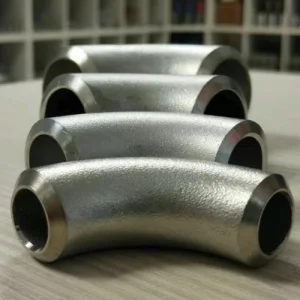
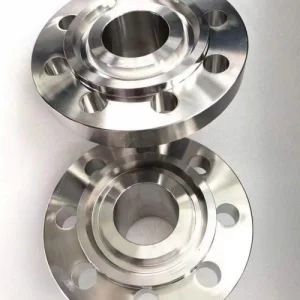
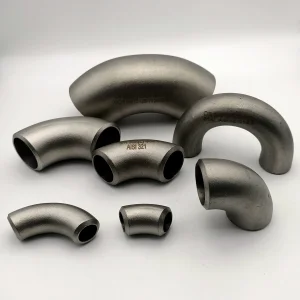
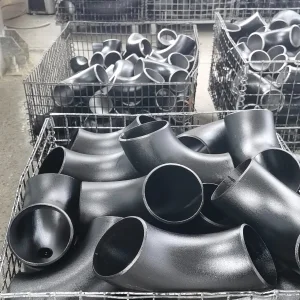
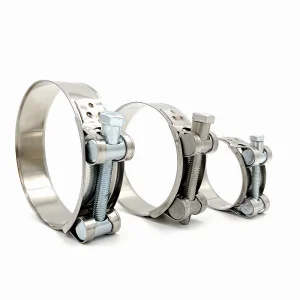
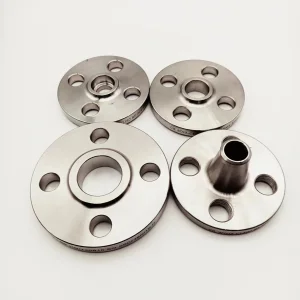
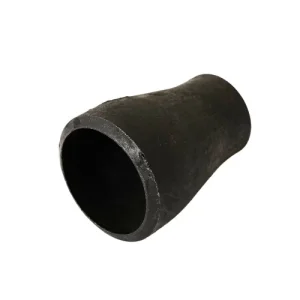
Precision-engineered butt-weld fittings, forged flanges, and piping components matching global architectural and industrial drainage standards.
Soil Vent Pipe (SVP) Systems: Comprehensive Technical Architecture
An authoritative guide to modern fluid dynamics, pneumatic equalization, and material engineering in gravity-fed sanitary drainage stacks.
A Soil Vent Pipe (SVP)—often designated as a soil stack, vent stack, or soil stack vent—serves as the primary vertical artery in architectural plumbing and industrial effluent conveyance systems. Operating under strict hydraulic and thermodynamic parameters, the soil vent system is engineered to discharge blackwater (containing human waste from water closets and bidets) and greywater while maintaining atmospheric pressure equilibrium throughout the building's drainage network.
Failure to regulate pressure differential within high-rise or commercial drainage stacks results in acoustic failure, trap seal depletion through siphonage, and the uncontrolled infiltration of toxic sewer gases (hydrogen sulfide $\text{H}_2\text{S}$, methane $\text{CH}_4$, and ammonia $\text{NH}_3$) into occupied spaces. Direct manufacturing partnerships with certified pipeline equipment providers guarantee structural integrity, compliance with BS EN 12056 and ASME A112.6.1M standards, and resistance to aggressive wastewater chemistries.
Core Technical Insight: Modern soil vent pipe systems must accommodate dynamic pneumatic fluctuations caused by water falling at terminal velocity. Hydraulic capacities are heavily governed by the formation of an annular water ring along the interior pipe wall, surrounding a central core of moving air. Precise geometric tolerances during factory extrusion and fitting casting are paramount to preventing flow choke.
Pneumatic Equalization
Equalizes negative and positive transient pressures created by high-velocity fluid drops, preserving hydraulic trap seals (minimum 50mm water seal depth) across multi-story fixtures.
Bio-Chemical Containment
Manufactured using high-density metallic alloys or fortified polymers designed to resist volatile organic compounds (VOCs), acidic condensate, and microbial-induced corrosion (MIC).
Acoustic Attenuation
Integrated acoustic isolation fittings and optimized pipe wall mass damp structural fluid vibrations and structure-borne noise levels down to <25 dB(A) in multi-family residential towers.
Localized Application Scenarios & Architectural Engineering Integration
Demanding built-environment use cases requiring tailored soil stack configurations and custom pipeline components.
Ultra-High-Rise Residential Stacks
Supertall skyscrapers mandate secondary vent stacks or specialized single-stack aerator systems (e.g., Sovent or DBV fittings). Factory-customized stainless steel and ductile iron soil stacks mitigate hydraulic jumps at building offset levels, ensuring pressure equilibrium under high peak-load fixture usage.
Healthcare & Isolation Facilities
Medical facilities demand completely sealed, non-reactive soil vent stacks capable of withstanding aggressive disinfection chemical regimes, steam sterilization, and radioactive pharmaceutical waste isolates. Seamless grade 316L stainless steel pipes and RTJ/blind flanges eliminate crevice corrosion risks.
Industrial Chemical Effluent & Processing
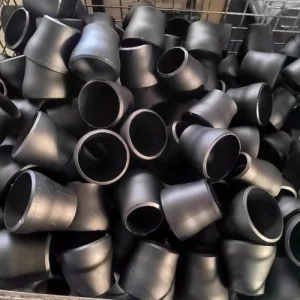
Industrial processing plants generate volatile trade waste requiring high-pressure, corrosion-resistant soil vent manifold networks. Heavy-wall carbon steel (A234 WPB) and alloy fittings provide severe mechanical resistance against abrasive slurries and high-temperature fluid discharges.
| Material Specification | Applicable Standards | Corrosion & Thermal Rating | Ideal Structural Deployment |
|---|---|---|---|
| SML Cast Iron / Ductile Iron | BS EN 877, DIN 19522, ISO 6594 | pH 2 to pH 12 continuous; Up to 95°C intermittent | High-rise acoustic stacks, public commercial complexes |
| ASTM A234 WPB Carbon Steel | ANSI B16.9, ASTM A234, ASME B16.28 | High mechanical strength; -29°C to 425°C | Industrial trade waste, high-pressure soil manifold headers |
| ASTM A403 WP304L / WP316L SS | ASTM A403, EN 10253-4, ASME B16.9 | Extreme acid/alkali resistance; -196°C to 800°C | Pharmaceutical isolation, marine drainage, chemical plants |
| Galvanized Seamless Steel Pipe | GB/T 3091, ASTM A53, BS 1387 | Hot-dip zinc coating (>550 g/m²); Ambient service | External soil vent terminals, commercial secondary venting |
Technical Roadmap & Future Outlook for Soil Vent Systems
Navigating next-generation technological shifts in digitalized building management, acoustic dampening, and low-carbon manufacturing.
IoT-Enabled Vent Monitoring
Integration of low-power wireless pressure sensors inside atmospheric vent cowls to detect early air-lock conditions and hydrogen sulfide buildup prior to trap siphonage.
Advanced Polymeric Linings
Deployment of ultra-smooth fluoropolymer (PTFE/FEP) and epoxy internal coatings on cast iron and carbon steel pipes to reduce surface friction, preventing bio-film adhesion.
BIM LOD500 Digital Twins
Full digital parametric library availability (Revit/IFC formats) allowing mechanical engineers to simulate complex hydraulic transient responses prior to physical stack assembly.
Circular Alloy Metallurgy
Transitioning toward 100% recycled scrap steel processing in electric arc furnaces (EAF), lowering embodied carbon emissions per linear meter of pipe by up to 62%.
China Factory Supply Chain Resilience & Cangzhou Industrial Efficiency
Leveraging Hebei's world-leading pipeline manufacturing cluster to provide unmatched lead times, rigorous quality assurance, and direct mill pricing.
HEBEI CANGRUN PIPELINE EQUIPMENT CO., LTD. operates at the epicenter of China’s pipeline equipment manufacturing hub in Cangzhou City, Hebei Province. Supported by specialized subsidiary production facilities—including CANGZHOU FEIWO METAL PRODUCTS CO., LTD. and CANGZHOU FEIXIANG METAL PRODUCTS CO., LTD. in the Boerzhuang Industrial Zone—the group delivers an integrated manufacturing model covering raw pipe extrusion, butt-weld fitting hot forming, precision flange machining, and industrial valve assembly.
By consolidating raw material procurement directly with leading state-owned steel mills, Cangrun Pipeline maintains complete oversight over chemical heats and mechanical properties. This vertical integration guarantees total supply chain transparency, rapid emergency production dispatch, and resilience against international freight disruptions.
ISO 9001:2015 Quality System
Every soil stack component, elbow, flange, and valve undergoes rigorous Quality Control protocols. Full traceability is established from initial ingot melt down to final dimensional checking.
EN 10204 3.1 Material Test Reports
Complete compliance documentation—including chemical heat analysis, mechanical tensile/yield testing, hardness verification, and hydrostatic test certs—is issued with all shipments.
Global Logistics Engineering
Dedicated international export team tracking port congestions, container bookings, breakbulk operations, and tariff codes to deliver cost-optimized CIF, FOB, or DDP terms worldwide.
Global Regulatory Frameworks & Regional Compliance
Ensuring cross-border engineering alignment across North American, European, and Asia-Pacific building standards.
UK & European Union Standards
Full alignment with BS EN 12056 (Gravity drainage systems inside buildings) and BS 5572. Fittings and soil pipes meet EN 877 and EN 10253 dimensional profiles, enabling seamless integration into European building projects.
North American IPC & UPC Alignment
Manufactured to comply with the International Plumbing Code (IPC) and Uniform Plumbing Code (UPC). Materials conform to ASTM A234, ASTM A403, and ASME B16.9 specs for structural drainage and vent stacks.
Asia-Pacific & Japanese JIS Standards
Certified for JIS B2311, JIS B2312, and GB/T 12459 standards. Preferred by major EPC contractors across Southeast Asia and the Middle East for commercial infrastructure development.
Frequently Asked Questions (Engineering & Procurement FAQ)
In-depth technical clarifications for mechanical engineers, plumbing consultants, and procurement managers.
Q1: What is the primary operational difference between a Soil Pipe and a Vent Pipe?
A soil pipe is engineered specifically to convey blackwater containing organic solids from water closets and bidets to the underground drainage system. A vent pipe (or air stack) provides atmospheric relief to prevent hydraulic siphonage of fixture traps. In modern installations, a Soil Vent Pipe (SVP) combines both functions into a single vertical stack extending above the roofline.
Q2: How do you calculate the optimal diameter for a Soil Vent Stack in high-rise buildings?
Sizing is determined by total Discharge Units (DU) according to BS EN 12056 or Plumbing Fixture Units (PFU) under IPC codes. Factors include vertical drop height, branch entry angles (preferably 45° or sweep entries), and expected pneumatic flow rate. Standard soil stacks range from DN100 (4 inches) for residential to DN150–DN200+ for commercial high-rises.
Q3: Why use Cast Iron or Stainless Steel over PVC/uPVC for Soil Vent Pipes?
While plastic systems are lightweight, cast iron (SML) and stainless steel offer superior acoustic insulation (<20 dB noise transfer), zero fire propagation ratings (A1 non-combustible classification), high thermal expansion resistance, and extreme longevity under harsh chemical or industrial discharges.
Q4: How does atmospheric cowl design affect stack performance at the roof level?
The roof terminal vent cowl prevents bird nesting, debris accumulation, and rainwater entry while preventing downdrafts. Advanced dynamic cowl geometries utilize the Venturi effect to actively draw sewer gas upward under outdoor ambient wind conditions, enhancing stack depressurization.
Q5: What third-party inspections can Cangrun provide for bulk export orders?
We regularly host independent inspection agencies including Bureau Veritas (BV), SGS, TÜV, and Lloyd's Register. Testing scopes cover positive material identification (PMI), ultrasonic thickness measurement (UT), magnetic particle inspection (MT), hydrostatic pressure testing, and surface coating dry film thickness (DFT) checks.
Q6: Can custom wall thickness schedules (e.g., SCH80, SCH160, XXS) be manufactured for soil vent fittings?
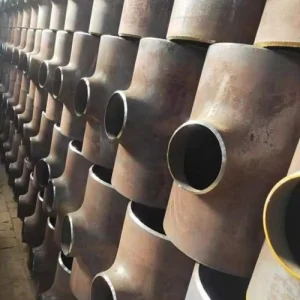
Yes. Our manufacturing facilities produce seamless butt-weld elbows, tees, and reducers in non-standard wall thicknesses up to 150mm. We tailor inner diameters to match exact piping schedules, ensuring smooth internal transitions free from step-corrosion risks.
Complete Engineering Piping Portfolio & Valve Solutions
Explore matching flanges, seamless steel pipes, and high-pressure industrial valves to complete your project procurement package.
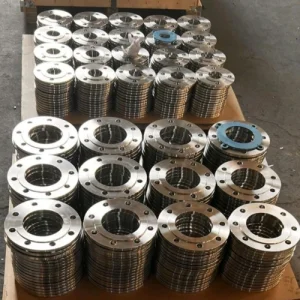
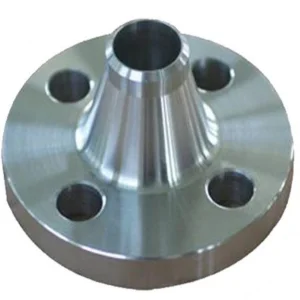
Wholesale Forged Welding Pipe Fitting Stainless Steel Flanges Manufacturer, Companies
View Product Details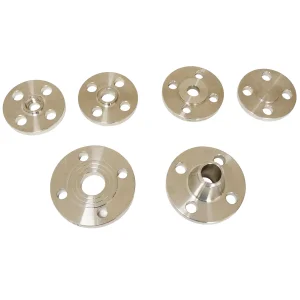
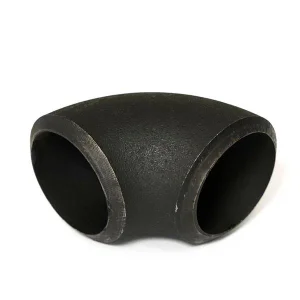
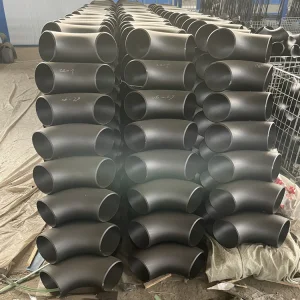
China Carbon steel elbows 90-Degree Elbow 45-Degree Elbow Manufacturers, Exporter
View Product Details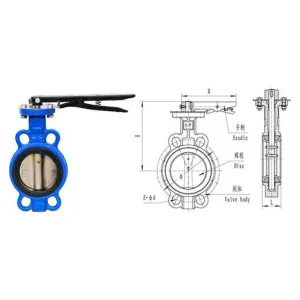
High-Quality Pair of centerline butterfly valves D71X-10/10Q/16/16Q Factory, Companies
View Product Details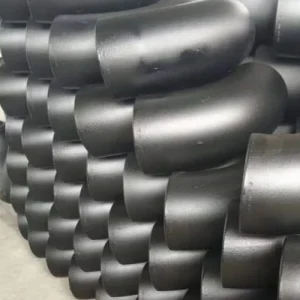
Partner with Hebei Cangrun Pipeline Equipment Co., Ltd.
Connect directly with our senior pipeline engineering team to request CAD drawings, mill test reports, and factory-direct volume quotes.
Whether you are specifying soil vent stacks for a landmark commercial skyscraper, sourcing heavy-duty A234 WPB butt-weld fittings for an oil refinery expansion, or procuring PN16 stainless steel flanges for water treatment facilities, Cangrun Pipeline delivers verified quality backed by ISO 9001 governance.