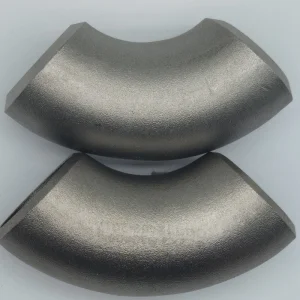
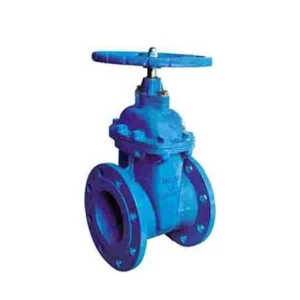
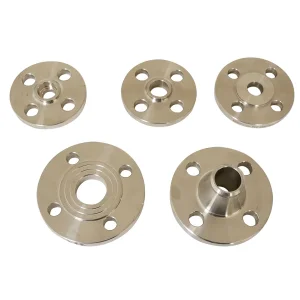
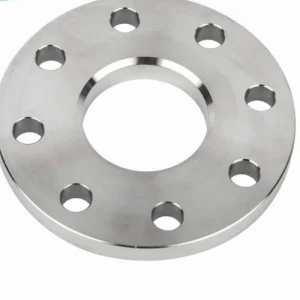
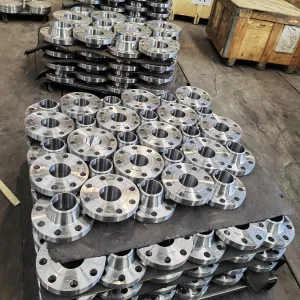
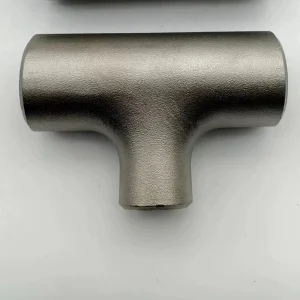
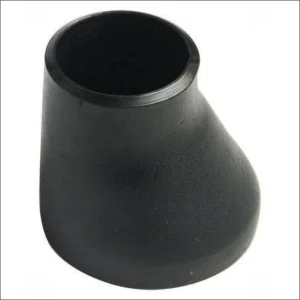
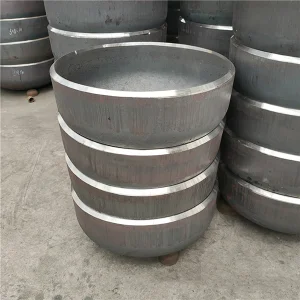
Direct Factory Sourcing Showcase (Part I)
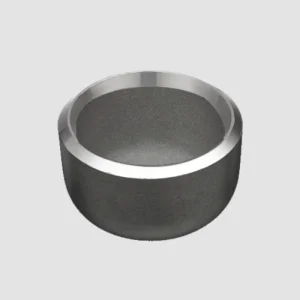
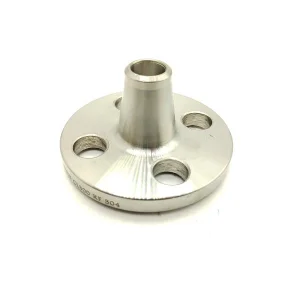
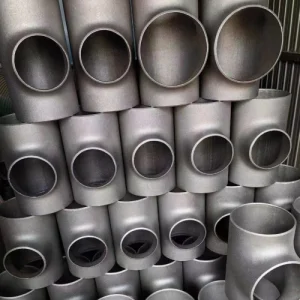
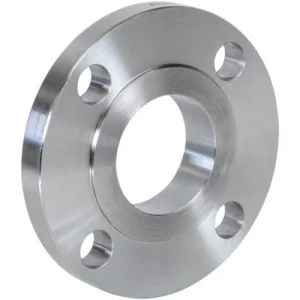
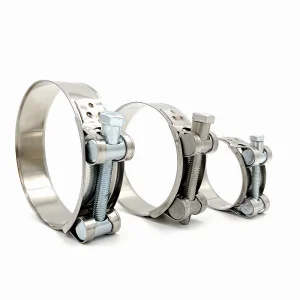
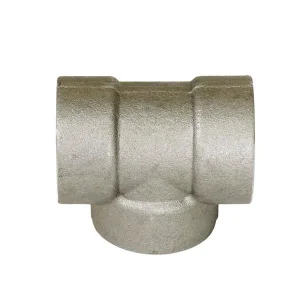
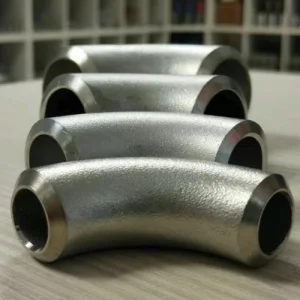
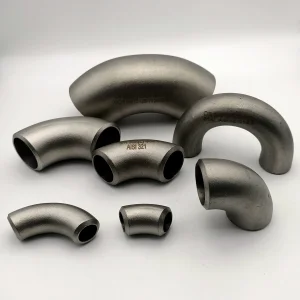
Explore our industrial pipe caps, butt-weld flanges, tees, and heavy-duty clamps directly engineered for high-pressure pipeline integrity.
Executive Technical Overview: Precision Engineering in Quick Release Couplings
A comprehensive technical deep-dive into fluid line connectivity, valving architectures, and mechanical seal integrity for B2B engineering decision-makers.
Quick Release Couplings (QRC)—frequently referred to as quick-disconnect couplings or fast-action fluid couplers—serve as critical infrastructure components in modern industrial fluid transfer systems. Designed to allow rapid, tool-free connection and disconnection of hydraulic, pneumatic, liquid cooling, and chemical transmission lines, these precision components eliminate fluid loss, prevent system contamination, and drastically decrease operational downtime during maintenance cycles.
Core Engineering Principle: High-performance quick couplings utilize auto-locking ball-latching or sleeve-locking mechanisms coupled with spring-energized poppet or flat-face valves. When mated, the male nipple and female coupler open internal flow passages simultaneously, achieving near-zero pressure drop and leak-free fluid passage up to 3,000 bar (43,500 PSI) working pressures.
Valving Architecture & Fluid Dynamics
Selecting the correct internal valve design directly impacts flow efficiency, spillage volume, and system safety. B2B procurement managers must align their fluid dynamics specifications with one of four primary mechanical configurations:
- Double Shut-Off (Valved Coupling): Features spring-loaded valves in both the coupler (female) and nipple (male) bodies. Upon disconnection, both sides instantly seal, trapping fluid in the upstream and downstream lines. Essential for high-pressure hydraulics, hazardous chemicals, and thermal management loops.
- Single Shut-Off: Houses a check valve exclusively in the female body, while the male nipple remains open-flow. Commonly specified in compressed air networks, pneumatic tooling, and low-pressure water utility lines.
- Straight-Through (Unvalved / Non-Valved): Contains zero internal valving, maximizing flow velocity and minimizing pressure drop ($\Delta P$). Ideal for high-viscosity media, slurry transport, high-volume washdown systems, and scale-sensitive cooling loops.
- Dry Break / Flat Face (Flush Face): Engineered to ISO 16028 specifications. Flat mating surfaces eliminate air inclusion during connection and guarantee zero spillage during disconnection. Highly mandated in environmentally sensitive zones, mobile hydraulic machinery, and data center liquid cooling manifolds.
Quick Release Coupling Metallurgy & Seal Matrix
Comprehensive engineering specification table for material compatibility under extreme industrial operating parameters.
| Body Metallurgy | Primary Seal Material | Temp Range (°C) | Max Pressure (Bar) | Target Media Compatibility | Standard Compliance |
|---|---|---|---|---|---|
| AISI 316L Stainless Steel | FFKM / Kalrez® | -20°C to +280°C | Up to 700 Bar | Corrosive Acids, Nitric Media, Solvents, Steam | ISO 7241-1 A/B |
| Carbon Steel (Zinc-Nickel Plated) | FKM (Viton®) / NBR | -30°C to +200°C | Up to 420 Bar | Mineral Hydraulic Oils, Synthetic Lubes | ISO 16028 |
| Marine Grade Brass (CW614N) | EPDM / Fluorosilicone | -40°C to +150°C | Up to 250 Bar | Saltwater, Glycol Coolants, Compressed Air | US MIL-C-51234 |
| Hard Anodized Aircraft Aluminum | HNBR / Polyurethane | -35°C to +135°C | Up to 350 Bar | AvGas, Jet Fuel, Lightweight Mobile Hydraulics | SAE J1453 |
| Super Duplex Stainless (S32750) | PTFE-Energized Metallic | -196°C to +300°C | Up to 1,500 Bar | Subsea Oil/Gas, High-H2S Wellheads | NACE MR0175 |
Technical Roadmap & Future Technology Trends
Next-generation innovations reshaping quick disconnect systems for Industry 4.0, green hydrogen, and hyperscale computing.
1. IoT-Enabled "Smart" Quick Couplers
Integration of micro-MEMS pressure and temperature sensors directly inside the female coupling sleeve. Smart couplers transmit real-time telemetry via WirelessHART or Bluetooth Low Energy (BLE) to edge controllers, forecasting seal degradation, connection state verification, and immediate warning of abnormal line pressure spikes before structural failure.
2. Zero-Emission Hydrogen & Cryogenic Couplers
With the global push toward clean hydrogen energy, specialized quick release couplings engineered for 70 MPa (700 bar) gaseous hydrogen refueling and liquid hydrogen (LH2 at -253°C) are emerging. These require specialized metallic seals, micro-polished stainless sleeves, and non-sparking locking mechanisms to prevent H2 embrittlement and micro-permeation leakage.
3. Hyperscale Liquid Cooling (Data Centers)
As AI chips push thermal design power (TDP) past 1000W per GPU, direct-to-chip liquid cooling manifolds demand ultra-compact, blind-mate flat-face quick disconnect couplings. Modern designs prioritize zero pressure drop, 100% drip-free disconnects, low actuation force, and 30-year operational reliability without seal vulcanization.
Macro-Industry Solutions & Engineering Use Cases
Customized fluid connection engineering tailored to aggressive environment parameters across critical global sectors.
Petrochemical & Subsea Oil & Gas
In offshore drilling platforms and oil refining networks, hydraulic supply lines face severe mechanical vibration, thermal expansion, and salt mist corrosion. Our 316L and Super Duplex quick release couplings utilize NACE MR0175 compliant metallurgy and secondary safety locking sleeves to eliminate accidental disconnects caused by line whip or heavy surge pressures.
Heavy Machinery & Mining Equipment
Excavators, underground mining rigs, and hydraulic breaker attachments operate in environments saturated with abrasive dust and severe pressure transients. ISO 16028 flat-face couplings prevent dirt ingress into the main hydraulic reservoir, preventing internal pump cavitation and saving plant operators millions in premature fluid contamination failures.
Pharmaceutical & Bio-Processing
Cleanroom environments demand ultra-pure 316L stainless steel couplings featuring electro-polished internal surfaces (Ra < 0.4 µm) and USP Class VI certified seals. Designed for SIP/CIP (Sterilization/Clean-In-Place) procedures, these quick couplings ensure zero dead-leg space where bacteria or product residue could collect.
China Factory 4.0: Supply Chain Resilience & Efficiency Advantage
How Cangzhou's advanced manufacturing ecosystem delivers scalable capacity, strict tolerance control, and total cost optimization.
As global engineering firms re-evaluate their procurement networks, China’s industrial manufacturing hubs—particularly the Cangzhou pipeline and fluid equipment cluster in Hebei—offer an unmatched balance of raw material availability, advanced multi-axis CNC machining, and automated quality assurance.
1. Vertical Supply Chain Integration
By housing raw forging mills, precision machining facilities, heat treatment units, and automated surface plating plants in close proximity, our group factory drastically reduces lead times. Procurement teams bypass multi-tier broker markup and secure direct factory pricing across low-alloy carbon steel, austenitic stainless, and duplex alloys.
2. Automated 5-Axis CNC Precision Machining
Modern quick release couplings require sub-micron precision to guarantee that internal poppet valves seal flawlessly under fluctuating system pressure. Our automated production line utilizes Japanese Tsugami 5-axis Swiss-type CNC lathes, achieving machining tolerances within ±0.005 mm and surface finishes capable of meeting critical vacuum and helium tightness criteria.
3. Rigorous Quality Assurance & 100% Factory Inspection
Every single coupling batch undergoes exhaustive structural and mechanical integrity evaluations prior to export packaging:
- Hydrostatic Proof Testing: Every unit is tested at 1.5× maximum design working pressure per ISO 19879.
- Pneumatic & Helium Mass Spectrometry Leak Testing: Vacuum-level tightness verification for gas-service and ultra-clean couplings.
- Impulse & Burst Pressure Testing: Cycle fatigue testing up to 1,000,000 pressure impulses to verify long-term resistance to hydraulic hammer shock.
- Material Traceability: Complete EN 10204 3.1 Material Test Certificates (MTC) accompanying every shipment, detailing exact chemical heat numbers and mechanical tensile test data.
Global Enterprise Procurement Matrix & TCO Optimization
A strategic decision-making model for EPC contractors, OEM equipment builders, and global industrial distributors.
When evaluating large-scale international tenders or standardizing fluid coupling components across global machinery fleets, calculating the true Total Cost of Ownership (TCO) extends far beyond the initial unit purchase price. Sourcing engineers must account for operational reliability, failure rates, fluid loss costs, and supplier compliance risk.
TCO Sourcing Formula: $TCO = P_{unit} + C_{shipping} + C_{downtime\_risk} + C_{fluid\_loss} - V_{efficiency\_gain}$
By partnering directly with a high-capacity Chinese manufacturer, global buyers capture 25% to 40% initial unit cost savings ($P_{unit}$) while safeguarding long-term reliability ($C_{downtime\_risk}$) through certified ISO 9001 QA protocols.
Custom OEM & ODM Engineering Capabilities
Off-the-shelf quick release couplings often fail to meet highly specialized spatial envelope or pressure drop specifications. Our engineering center offers complete custom OEM/ODM design services:
- Custom Threading & Port Configurations: BSPP, BSPT, NPT, SAE ORB, Metric DIN 2353, ISO 6149, and Flanged connections tailored to your host equipment block.
- Proprietary Sleeve Latching Designs: Push-to-connect automatic locking, safety detent pins, color-coded anodized sleeves to prevent cross-contamination of incompatible fluids.
- Specialized Internal Plating: Electroless Nickel Plating (ENP), Zinc-Nickel (Zn-Ni 720+ hour salt spray resistance), Teflon coating, and PVD surface hardening.
Localization Support, Compliance & Regulatory Safeguards
Navigating international international trade standards, regional certifications, and rapid export logistics.
Expanding global operations requires absolute alignment with regional regulatory mandates and environmental protection laws. As a seasoned manufacturer and direct exporter, our fluid connection components meet or exceed major global quality frameworks:
PED 2014/68/EU (European Union)
Full compliance with the Pressure Equipment Directive for pressurized equipment operating across European member states. Materials undergo rigorous Charpy V-notch impact testing to ensure safety under low-temperature pressure loads.
ATEX & Ex-Proof Certification
For couplings deployed in explosive atmospheres (dust or gas environments such as grain elevators or chemical processing plants), our non-sparking brass, stainless steel, and anti-static grounded designs satisfy ATEX Directive 2014/34/EU.
REACH & RoHS Environmental Compliance
All elastomer seals, metal plating additives, and internal lubricant coatings comply strict European REACH chemical registration standards and RoHS restriction of hazardous substances, ensuring zero lead or cadmium contamination.
Frequently Asked Technical Questions (FAQ)
In-depth responses from our senior fluid engineers regarding installation, maintenance, troubleshooting, and custom ordering.
What is the difference between ISO 7241-1 Series A and Series B Quick Release Couplings?
How do I prevent hydraulic fluid spillage during disconnection under residual line pressure?
Which seal compound should I select for synthetic hydraulic oils vs. water-glycol fluids?
What causes premature sleeve wear or locking ball galling in high-impulse systems?
What are the typical export lead times and container loading capacities from your Cangzhou factory?
Direct Factory Sourcing Showcase (Part II)
Complete your enterprise piping package with our factory-direct forged fittings, industrial valves, and specialized flanges.