
Featured Industrial Flanges & Piping Components (Top Stock)
Explore high-demand certified industrial components direct from Cangzhou manufacturing hubs. Detailed catalog dimensions and instant quotes available.
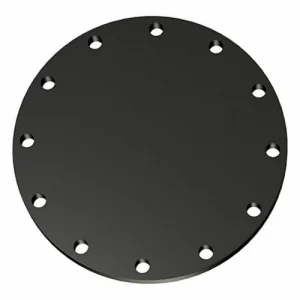
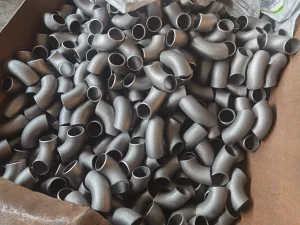
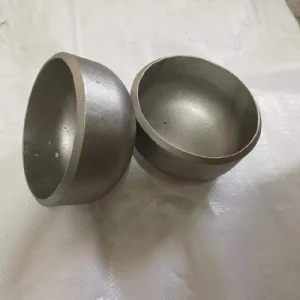
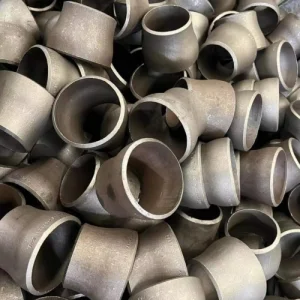
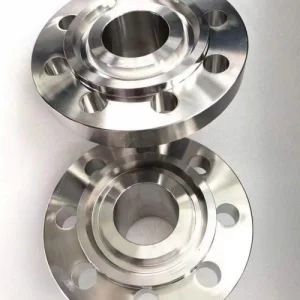
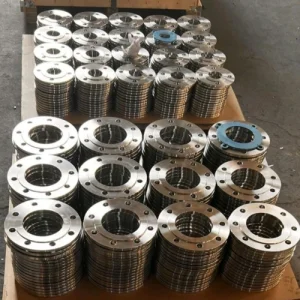
Technical Breakdown: Plate Weld Flanges (PL Flange) Structural Mechanics & Engineering Standards
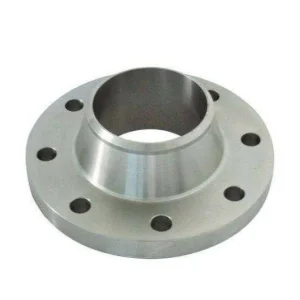
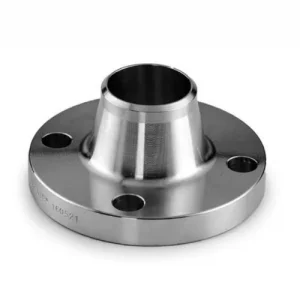
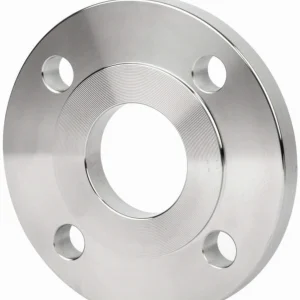
In global industrial fluid transport and structural piping assemblies, the Plate Weld Flange (commonly designated as PL Flange or Type 01 Plate Flange) represents one of the most widely specified, cost-effective, and versatile connection mechanisms. Unlike Weld Neck (WN) flanges that feature a extended tapered hub to absorb bending stresses, a PL flange is manufactured from a flat ring of circular steel plate, precisely bored to accommodate the matching outer diameter of a steel pipe.
During installation, the pipe slides slightly into the inner bore of the PL flange, where it is secured via fillet welds on both the internal and external contact surfaces. This dual fillet-weld configuration provides excellent leak tightness and structural rigidity for low-to-medium pressure utility lines, cooling water circuits, low-pressure gas pipelines, and general process plant infrastructure.
Structural Load Distribution
PL flanges distribute circumferential stress across internal and external fillet welds. They eliminate the complex stress concentration zones found at forged hubs, making them ideal for steady hydrostatic loads without extreme thermal shocks.
Material Yield Optimization
Because PL flanges are machined from high-tensile hot-rolled steel plates (e.g., EN 10025-2 S235JR, ASTM A36, ASTM A240 304/316L), material scrap rates are minimized through modern CNC nesting algorithms during factory production.
Versatile Sealing Facings
PL flanges can be precision-machined with Flat Face (FF), Raised Face (RF), or specific serrated gasket finishes (smooth or concentric groove per ASME B16.5 / EN 1092-1) to match specified soft or metal-jacketed gaskets.
Comprehensive PL Flange Manufacturing Dimensional Standard Matrix
Engineering teams and procurement managers can verify standard dimensional ranges, material grades, and operational pressure limits across international standards below:
| Standard System | Designation / Type | Nominal Size Range | Pressure Ratings | Standard Materials |
|---|---|---|---|---|
| EN 1092-1 | Type 01 (Plate Flange for Welding) | DN10 to DN4000 (3/8" to 160") | PN2.5, PN6, PN10, PN16, PN25, PN40 | S235JR, S355J2, P245GH, 1.4301 (304), 1.4404 (316L) |
| ASME B16.5 / B16.47 | Slip-On / Plate Equivalent | 1/2" to 60" (DN15 to DN1500) | Class 150, Class 300, Class 600 | ASTM A105, A36, A182 F304/F316L, A516 Gr 70 |
| DIN Standards | DIN 2573, 2576, 2501, 2502, 2503 | DN10 to DN2000 | PN6, PN10, PN16, PN25, PN40 | RSt37-2, St44-2, Stainless Steel 1.4571 (316Ti) |
| GOST Standards | GOST 12820-80 (Plain Plate Flange) | DN15 to DN2400 | 0.1 MPa to 2.5 MPa (1 to 25 bar) | CT3sp, Steel 20, 09G2S, 12X18H10T |
| JIS B2220 | Plate Type (5K, 10K, 16K) | 10A to 1500A | 5K, 10K, 16K, 20K | SS400, SF440A, SUS304, SUS316 |
Global PL Flange Market Trends & Structural Demand Drivers
The global piping components market has experienced significant transformations over the past three years. Driven by massive investments in green hydrogen infrastructure, regional water desalinization networks, liquid natural gas (LNG) export expansion, and industrial plant retrofitting, the procurement dynamics for plate weld flanges have shifted towards high-traceability, low-carbon certified steel components.
1. The Shift Toward Carbon Border Compliance (CBAM)
European and North American EPC contractors are increasingly evaluating vendors based on carbon footprint data. Modern Chinese flange manufacturing centers, such as those in Cangzhou, Hebei, are adopting energy-efficient electric arc furnace (EAF) steel plate stocks and automated processing to comply with strict international carbon accounting standards.
2. Mega-Scale Desalination & Municipal Water Infrastructure
Rapid urban growth across the Middle East, North Africa, and Southeast Asia has sparked unprecedented demand for large-diameter PL flanges (DN1200 to DN3000). Plain plate flanges coated with anti-corrosive epoxy or hot-dip galvanizing provide the most cost-effective sealing joint for raw water intake and high-volume municipal mains.
Enterprise Purchasing Strategy: Decoding PL Flange Pricelists & Cost Drivers
When procurement officers issue RFQs to buy PL flange pricelists, price per unit varies significantly based on raw material indices, processing tolerances, surface finishing, and non-destructive testing (NDT) requirements. Understanding these cost drivers empowers procurement managers to negotiate optimal commercial terms without compromising structural integrity.
Raw Steel Material Index
Steel plate raw material represents roughly 60% to 70% of the baseline cost of a PL flange. Fluctuations in global hot-rolled coil (HRC) prices, stainless steel nickel/molybdenum surcharges, and raw alloy costs directly impact unit pricing.
Precision CNC Machining
While standard torch-cut plate flanges are inexpensive, high-precision CNC lathe facing, bolt-hole drilling tolerances (per ASME B16.5 table standards), and spiral serrated flange face finishing require specialized machine-tool time, affecting unit quotes.
Surface Treatment & Protection
Options range from basic black rust-preventive paint and transparent varnish to heavy-duty Hot-Dip Galvanizing (HDG) or specialized yellow anti-rust coating. HDG coatings add durability for marine environments but add processing fees per kilogram.
Macro Industrial Piping Solutions & Sector Applications
Plate weld flanges serve as structural backbones across diverse heavy engineering industries. Below are specialized industrial applications where PL flanges deliver certified reliability and operational efficiency:
Thermal & Hydro Electric Power Plants
Utilized extensively in condenser cooling water circuits, low-pressure steam extraction channels, ash handling lines, and auxiliary water treatment loops. PL flanges in A105 or S235JR absorb steady mechanical vibrations while enabling easy inspection disconnects.
Petrochemical & Refinery Utility Lines
While high-pressure hydrocarbon reaction vessels mandate Weld Neck joints, refinery utility headers (flare gas collection, firewater supply, nitrogen purging lines) rely heavily on ASME Class 150 carbon steel and SS304/316L PL flanges.
Shipbuilding & Marine Engineering
Marine bilge systems, ballast water treatment plants, and engine cooling manifolds demand compact, leak-proof flanged connections. JIS 5K/10K and EN PN10 plate flanges in galvanized carbon steel or marine-grade stainless steel ensure saltwater corrosion resistance.
Chemical Processing & Pharmaceutical Plants
For corrosive acid/alkali transfers at moderate pressures, stainless steel PL flanges (ASTM A403 WP304L/WP316L) provide smooth internal flow profiles, prevent fluid entrapment, and facilitate CIP (Clean-In-Place) maintenance protocols.
HVAC & District Heating Networks
Urban hot-water distribution lines and industrial chiller circuits use large-diameter DIN 2576 / EN 1092-1 Type 01 plate flanges. They allow rapid field fit-up and fillet welding by project mechanical contractors.
Modular EPC Skids & Equipment OEM Manufacturing
OEM equipment builders (pumping packages, heat exchanger skids, pressure filter systems) integrate custom PL flanges due to their predictable dimensions, easy alignment, and seamless weldability with structural steel frames.
Hebei Cangrun Pipeline Group: Certified Manufacturing Ecosystem
Founded in 2010 in Cangzhou, Hebei Province—China’s premier industrial pipeline equipment manufacturing cluster—HEBEI CANGRUN PIPELINE EQUIPMENT CO., LTD. has grown into an integrated enterprise group specializing in the design, forging, machining, and export of industrial piping products.
Operating alongside two major group production facilities—CANGZHOU FEIWO METAL PRODUCTS CO., LTD. and CANGZHOU FEIXIANG METAL PRODUCTS CO., LTD. (located in the Boerzhuang Industrial Zone)—Cangrun Pipeline provides global EPC contractors, stockists, and plant engineers with a unified single-source supply solution.
Integrated Group Synergy
By bringing raw material procurement, plate flame cutting, forge press operations, heat treatment, CNC lathe finishing, and pressure testing under unified quality control, Cangrun eliminates middleman markups and guarantees strict compliance with client purchase order specifications.
Quality Assurance & Certification
Every PL flange, butt-weld fitting, forged fitting, and valve shipped from our factories carries full EN 10204 3.1 Material Test Reports (MTRs). Testing covers chemical composition analysis (spectrometry), mechanical tensile/yield testing, hardness verification, ultrasonic inspection, and dimensional verification.
Technical Roadmap: Automated CNC Machining, AI Quality Control & Advanced Alloys
To maintain a competitive edge in high-precision flange fabrication, Cangrun Pipeline is executing a modern technology roadmap centered on digital production workflows and next-generation metallurgy:
1. Automated CNC Plasma & Laser Fiber Cutting
Transitioning from traditional manual oxy-fuel cutting to high-power fiber laser machines for plate blanks up to 50mm thickness. This yields flawless edge cut quality, minimal heat-affected zones (HAZ), and ultra-precise bolt circle diameter (BCD) layout.
2. AI-Vision Dimension Inspection
Integrating optical AI vision sensors on CNC finishing lathes to measure flange thickness, raised face height, serration pitch, and bolt hole alignment in real-time, eliminating human error in quality auditing.
3. Duplex & Super Duplex Metallurgy
Expanding manufacturing protocols for advanced corrosion-resistant alloys, including 2205 Duplex, 2507 Super Duplex, 6Mo, and Nickel Alloys (Inconel/Monel) for severe offshore and chemical processing environments.
Comprehensive Engineering & Procurement Q&A (FAQ)
Here are detailed technical answers to common questions asked by buyers, piping designers, and QA engineers when sourcing plate weld flanges (PL Flanges):
What is the difference between a PL Flange (Plate Flange) and a SO Flange (Slip-On Flange)?
Which international standards cover PL Flange dimensions and pressure ratings?
Can PL Flanges be used in high-pressure or extreme temperature service?
What material options are available when requesting a PL Flange pricelist?
What surface finishes and gasket facing types can be supplied?
How does Cangrun ensure quality control and material traceability for exported flanges?
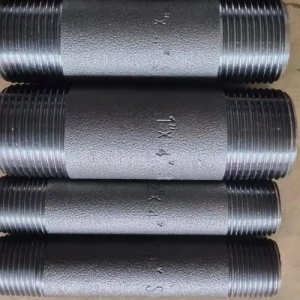
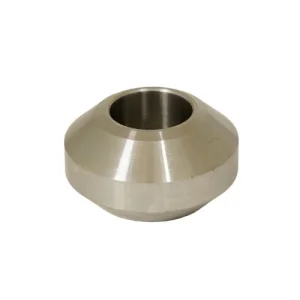
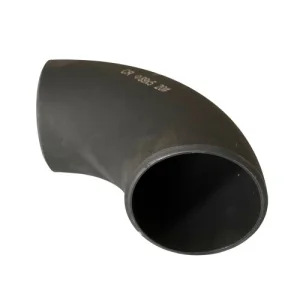
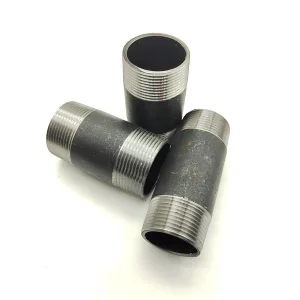
Extended Catalog: High-Quality Pipe Fittings, Flanges & Nipple Series
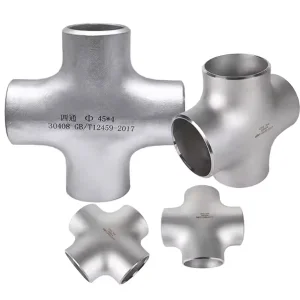
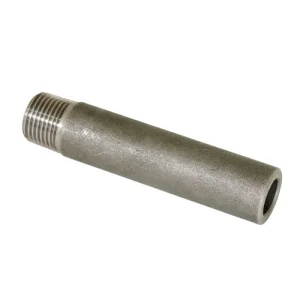
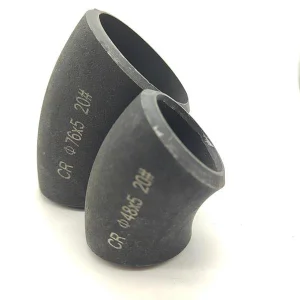
Complete your project piping package with factory-direct butt-weld elbows, reducers, tees, forged flanges, and threaded nipples from Cangzhou manufacturing facilities.
Request an Instant PL Flange Quotation & Technical Data Sheet
Submit your project specification list, drawing requirements, or material take-off (MTO). Our engineering sales team will provide a competitive factory direct PL flange pricelist within 24 hours.