
Primary Piping Components & Valve Flange Selection (Part I)
Direct factory supply catalog featuring certified high-pressure forged flanges, butt-weld elbows, and industrial flow control valves for critical infrastructure.
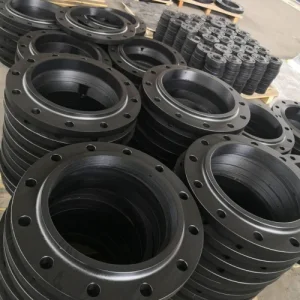
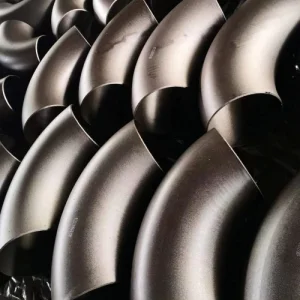
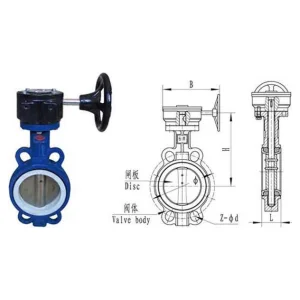
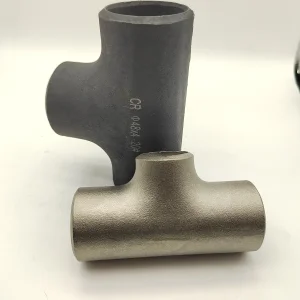
Technical Architecture: Globe Valve Flanges & Mechanical Interfaces
An engineering analysis of globe valve flanged ends, fluid dynamics, stress distribution, and bolt-load mechanics in critical linear throttling services.
Linear Throttling Mechanics
Unlike quarter-turn ball or butterfly valves designed primarily for quick isolation, a flanged globe valve is purpose-built for fine flow regulation and throttling. The fluid movement follows an S-shaped trajectory through the body cavity, inducing controlled head loss while preserving seal longevity. Flanged body connections provide structural rigidity, ensuring stem alignment under heavy pressure differentials.
Flange Interface Metallurgy
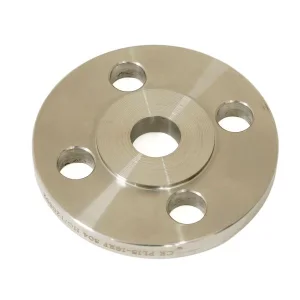
Forged globe valve flanges are produced under ASME B16.5 and DIN EN 1092-1 dimensional frameworks. Materials range from high-yield carbon steels (ASTM A105 / A350 LF2) for moderate steam and hydrocarbon duties, to stabilized austenitic steels (ASTM A182 F316L / F321) and Nickel Alloys (Inconel 625) for extreme thermal and corrosive regimes.
Joint Integrity & Gasket Mechanics
The flanged junction must resist both internal hydrostatic pressure and pipe bending moments. Utilizing Raised Face (RF), Ring Type Joint (RTJ), or Tongue & Groove (T&G) profiles, bolt tension compresses spiral wound stainless steel or octagonal metallic gaskets, forming a leak-tight mechanical seal compliant with fugitive emission standards.
Pricelist Factors & Total Cost of Ownership (TCO) Metrics
Understanding material surcharges, forging methods, and quality verification costs when requesting commercial proposals for flanged globe valves and matching counter-flanges.
When procurement managers search for a reliable globe valve flange supplier & pricelist, cost comparisons must look beyond unit FOB figures. Industrial piping economics dictate that unverified low-cost valve flanging frequently leads to gasket blowouts, premature stem wear, and catastrophic unscheduled refinery downtime.
| Nominal Size (NPS / DN) | Pressure Rating (Class / PN) | Standard Material Grade | Facing Type | Estimated Unit Budget Range (USD) | Key Cost Drivers |
|---|---|---|---|---|---|
| 2" (DN50) | Class 150 / PN16 | ASTM A105 / Carbon Steel | Raised Face (RF) | $140 - $220 | Standard drop forging, basic anti-rust painting |
| 2" (DN50) | Class 600 / PN100 | ASTM A182 F316L Stainless | Ring Type Joint (RTJ) | $450 - $680 | Precision CNC groove machining, MTC EN 10204 3.1 |
| 4" (DN100) | Class 300 / PN40 | ASTM A350 LF2 (Low Temp) | Raised Face (RF) | $520 - $810 | Charpy V-Notch impact testing at -46°C |
| 6" (DN150) | Class 900 / PN160 | Duplex 2205 (UNS S31803) | RTJ / Male-Female | $1,850 - $2,700 | High alloy surcharge, 100% PMI and Radiographic Test |
| 8" (DN200) | Class 1500 / PN250 | ASTM A182 F91 Alloy Steel | Ring Type Joint (RTJ) | $3,900 - $5,400 | Post-weld heat treatment (PWHT), creep resistance test |
CapEx Drivers in Valve Manufacturing
- Raw Alloy Market Volatility: Nickel, Molybdenum, and Chromium spot prices directly impact F316L, Duplex, and Monel flange costs.
- Hardfacing Metallurgy: Stellite 6 overlay on valve seats and disc faces increases wear lifespan by 300% under high delta-P conditions.
- Non-Destructive Examination (NDE): Dye penetrant (PT), magnetic particle (MT), and ultrasonic testing (UT) add quality assurance depth.
OpEx & Lifecycle Economics
- Fugitive Emissions Prevention: ISO 15848-1 certified packing reduces product loss in chemical gas lines.
- Interchangeability & Standardized Bolt Pattern: ASME B16.5 compliance ensures instant field drop-in replacement without piping retrofit.
- Low Torque Actuation: Precision ground stems lower electric or pneumatic actuator sizing, reducing overall automation CapEx.
China Factory 4.0: Modern Supply Chain Resilience & Manufacturing Infrastructure
How Cangzhou’s integrated metallurgical cluster leverages digital forging, robotic machining, and strict QA frameworks to optimize global supply schedules.
Automated Die-Forging Lines
Our group production facilities in the Cangzhou industrial corridor deploy 4,000-ton hydraulic forging presses integrated with infrared temperature sensors. This continuous automated thermal control guarantees uniform grain refinement across flange hubs, eliminating internal voids or micro-cracks common in cast alternatives.
5-Axis CNC Precision Machining
Flange sealing faces and bolt-hole circles are executed on high-precision CNC centers. Facing finishes are held strictly within Ra 3.2 – 6.3 µm (125–250 AARH) for raised faces, ensuring smooth seating surface topography that optimizes gasket sealing stress without tear risk.
Vertical Supply Chain Integration
By housing raw billet stocks, forging shops, heat treatment furnaces, and machining units in one localized hub, production turnaround is reduced by up to 35%. Complete control over raw materials ensures rapid fulfillment for urgent MRO plant shutdown orders.
Macro Industry Solutions & Operational Application Matrix
Tailored flanged globe valve setups engineered for challenging industrial environments, from liquefied gas storage to high-pressure thermal power circuits.
Ultra-Low Temperature Liquid Gas Handling
In LNG regasification plants operating down to -196°C, globe valve flanged body connections feature extended bonnets to create an insulating gas column that protects the stem packing. Flanges use ASTM A182 F316/F316L materials tested for Charpy impact toughness at liquid nitrogen temperatures, paired with spring-energized PTFE lip seals.
Supercritical Thermal Power Plant Piping
High-pressure boiler main steam lines operate under continuous thermal cycle stresses exceeding 560°C and 170 bar. Chrome-Moly alloy flanged valves (ASTM A182 F91 / F22) provide exceptional creep-rupture strength. Ring-Type Joint (RTJ) metal-to-metal flange gaskets prevent joint relaxation during thermal shocks.
Hydrocracking & Sour Crude Processing
Handling wet H2S and hydrocarbons requires NACE MR0175/ISO 15156 compliance. Flanged globe valves are supplied with hardness-controlled A105N or LF2 bodies, heavy-duty wall dimensions, and full Stellite 6 hardfacing on disc seats to resist sulfide stress cracking (SSC) and erosion.
Highly Corrosive Acid & Fine Chemical Lines
For aggressive media such as nitric, sulfuric, or organic acids, our supply portfolio features solid Duplex 2205/2507 or Hastelloy C276 flanged valves. These components resist pitting and crevice corrosion, retaining structural integrity where standard 304/316 alloys fail prematurely.
Global Quality Gates, Certifications & Compliance Architecture
Assuring complete material traceability, standardized inspection protocols, and seamless international project delivery.
Mill Test Certificates (EN 10204 3.1 / 3.2)
Every flange batch is shipped with full material documentation. Physical chemical composition (Spectrometer analysis), mechanical tensile strength, yield stress, hardness, and heat treatment charts are fully traceable to the original raw steel billet heat number.
Pressure Equipment Directive (PED 2014/68/EU)
For European EPC projects, our manufacturing compliance meets Module H requirements under the PED framework. Flanged valves bear CE marking with full design validation for Group 1 hazardous gases and fluids under extreme pressure regimes.
Fugitive Emissions Verification (ISO 15848-1)
To support global Net-Zero initiatives, flanged globe valve gland packing assemblies are helium mass-spectrometer tested to meet Class AH seal standards, minimizing volatile organic compound (VOC) emissions down to negligible PPM levels.
Technology Roadmap: Future Outlook for Valve Flanging Metallurgy
Next-generation developments shaping high-pressure industrial flow control over the next decade.
1. Additive Manufactured Trim Elements
Integration of 3D-printed selective laser melting (SLM) internal cage trims allows custom anti-cavitation and noise-attenuation geometries impossible with traditional machining, extending disc life by over 400% in severe pressure-drop duties.
2. IIoT Smart Flange Bolt Sensors
Emerging smart piping systems embed piezoelectric wireless torque sensors within critical flange studs. These sensors continuously beam bolt tension data to central SCADA systems, warning operators of gasket relaxation prior to leak development.
3. Hydrogen-Ready Metallurgy
As energy infrastructures pivot to clean hydrogen blends, flange forgings undergo specialized vacuum degassing and low-carbon heat treatments to prevent hydrogen embrittlement across high-pressure transmission networks.
Primary Piping Components & Valve Flange Selection (Part II)
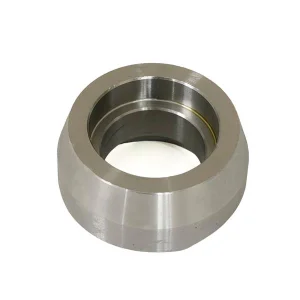
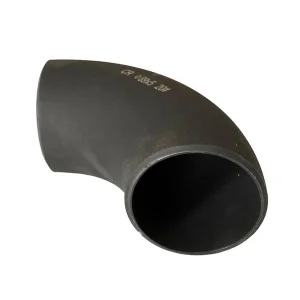
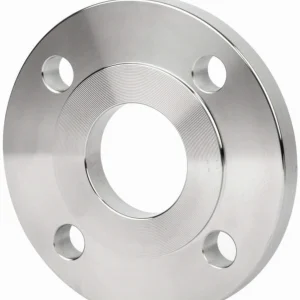
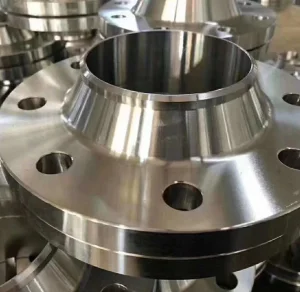
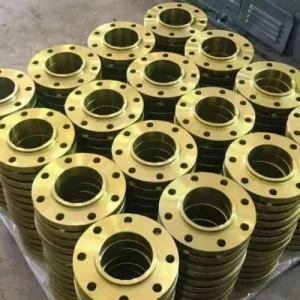
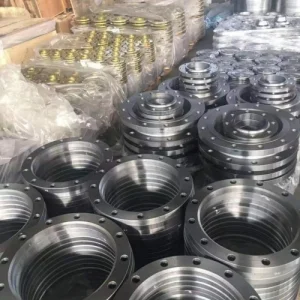
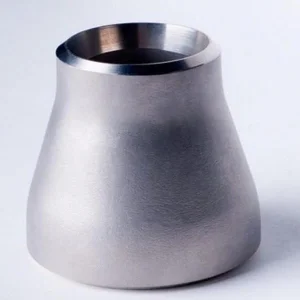
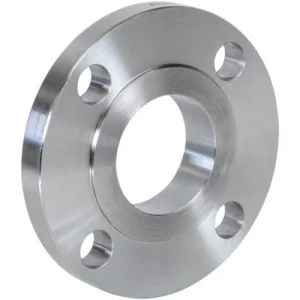
Extended product catalogue featuring precision ASME socket weld fittings, ASTM A105 weld neck flanges, JIS specification flanges, and specialty concentric/eccentric reducers.
Technical & Procurement Q&A (Frequently Asked Questions)
Clear, authoritative responses to engineering, installation, material grade selection, and pricing inquiries for globe valve flanges.