
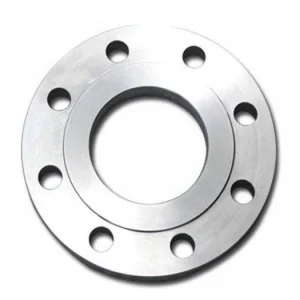
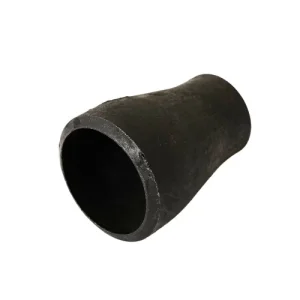
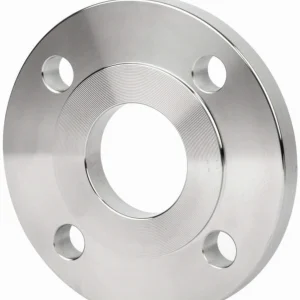
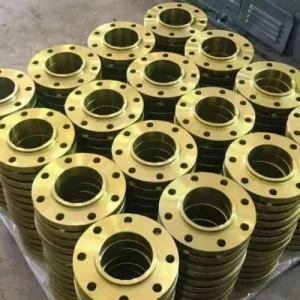
Featured High-Pressure Flanges & Industrial Piping Solutions
Explore our top-tier certified steel flanges, butt-weld fittings, and heavy-duty valves manufactured for extreme thermal and fluid pressure environments.
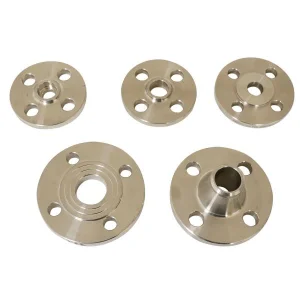
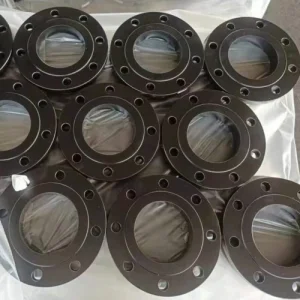
Engineering Principles of Exhaust Manifold Flange Manufacturing
Evaluating structural integrity, coplanarity standards, and thermal expansion dynamics in high-performance exhaust manifolds.
An exhaust manifold flange is the critical structural gateway connecting internal combustion engine exhaust ports to the manifold tubing, turbocharger downpipes, or headers. Operating under continuous thermal cycles ranging from ambient temperatures up to 1,050°C (1,922°F), exhaust flanges must maintain absolute gas-tight sealing, withstand severe vibrational harmonics, and resist warping over tens of thousands of operating hours.
When engineering procurement managers and B2B buyers search to buy exhaust manifold flange manufacturers & suppliers, evaluation extends far beyond simple geometry. Factors such as grain boundary integrity, precision CNC laser cutting tolerances, face coplanarity, counterbore depths, and thermal expansion mitigation dictate the operational lifespan of the entire exhaust infrastructure.
Why Flange Thickness and Warpage Control Matter
In high-output automotive, heavy-duty marine, and stationary power generation engines, the leading cause of manifold failure is thermal warping. Standard budget flanges stamped from thin mild steel (under 8mm / 5/16") deform under rapid heat buildup, causing perimeter blowouts on multi-layer steel (MLS) or graphite gaskets. Premium industrial manufacturers utilize thick precision-machined plates ranging from 10mm (3/8") to 15mm (5/8"), ensuring that clamping force across cylinder head studs remains uniform during peak thermal expansion cycles.
Metallurgical Comparison: Selecting the Right Alloy
Selecting the appropriate material grade based on operating temperature, corrosion exposure, and mechanical stress profiles.
| Material Grade | Max Temp Rating | Corrosion Resistance | Weldability | Primary Industrial Applications |
|---|---|---|---|---|
| ASTM A105 / Mild Carbon Steel | 500°C / 932°F | Moderate (Requires Coating) | Excellent | Budget Automotive OEM, Industrial Boiler Connections, Standard Piping Systems. |
| 304 / 304L Stainless Steel | 870°C / 1,598°F | High | Excellent | Commercial Exhaust Headers, Turbocharger Downpipes, Automotive Aftermarket. |
| 316 / 316L Stainless Steel | 920°C / 1,688°F | Superior (Marine/Saltwater) | Excellent | Marine Wet Exhaust Systems, Coastal Gensets, Chemical Process Exhaust Lines. |
| 321 Stainless Steel (Ti-Stabilized) | 950°C / 1,742°F | High (Anti-Intergranular) | Superior | High-Performance Turbocharger Headers, Aviation Ground Power Units, Heavy Diesel. |
| Inconel 625 / 718 Superalloy | 1,050°C+ / 1,922°F+ | Extreme | Specialized TIG | Motorsport Exhaust Collectors, Gas Turbine Exhaust Flanges, Aerospace Defense. |
By specifying stabilization elements such as Titanium in AISI 321 or Molybdenum in 316L, engine builders prevent chromium carbide precipitation at the weld heat-affected zone (HAZ), eliminating intergranular cracking under extreme vibration cycles.
Cross-Sector Industrial Integration
Custom engineered exhaust flange configurations adapted to mission-critical operational requirements worldwide.
Automotive OEM & Aftermarket
Precision CNC-cut head flanges designed for multi-valve engines, incorporating recess steps for smooth exhaust runner transitions and reduced backpressure.
Commercial Marine Exhaust
Heavy-gauge 316L stainless steel wet-exhaust flanges built to endure highly corrosive marine environments, thermal shocks, and raw saltwater cooling jacket loops.
Heavy Genset Power Generation
Engineered for continuous-duty diesel and natural gas power generation engines, incorporating dual-bolt pattern flanges to absorb thermal expansion in CHP systems.
Global Supply Chain & Procurement Trends
Navigating compliance standards, nearshoring, and factory-direct procurement strategies.
The global exhaust component market is experiencing structural growth driven by stricter international emissions regulations (such as EURO VI, US EPA Tier 4 Final, and IMO Tier III). Compliance requires zero-leak exhaust manifolds to ensure 100% of exhaust gas passes through modern SCR (Selective Catalytic Reduction) and DPF (Diesel Particulate Filter) systems without premature atmospheric release.
As a result, industrial buyers are shifting away from general trading houses in favor of direct high-precision flange manufacturers capable of providing complete material traceability, 3.1 material test certificates (MTC), and CAD/CAM custom fabrication capabilities.
Zero-Leak Emissions Compliance
Modern exhaust flange design incorporates counterbored O-ring grooves or fire-ring steps designed to lock metallic gaskets in place under immense cylinder backpressure, keeping exhaust systems within strict legal leak rate limits.
Factory-Direct OEM Sourcing Advantages
Direct sourcing from leading hub facilities in Cangzhou eliminates distributor markups, shortens tooling lead times for custom CAD drawings, and ensures rigorous batch testing via optical emission spectrometers.
Precision CNC Machining vs. Laser Cutting
Understanding how advanced fabrication technology eliminates stress concentrations and structural thermal distortion.
When selecting suppliers for exhaust manifold flanges, understanding the manufacturing process is essential for long-term component reliability:
Fiber Laser Cutting
High-power fiber laser machines cut complex cylinder port profiles with sub-millimeter precision (±0.05mm), leaving clean edges with minimal heat-affected zones (HAZ).
CNC Surface Milling
Post-cut double-disc grinding or CNC milling ensures sealing face coplanarity down to Ra 1.6µm, critical for preventing gasket erosion and blowouts.
Stress Relief Annealing
Thermal stress-relief heat treatment eliminates residual internal stresses introduced during steel plate rolling, ensuring flanges remain flat during high-heat welding.
Localized Application Scenarios & Mounting Geometry
Tailoring flange bolt hole layouts and port shapes for specific engine platforms and custom turbo assemblies.
Different industrial applications require specific exhaust manifold flange geometries. Factory suppliers offer custom machining according to client CAD files (DXF/STEP formats) to support diverse engine setups:
- T3, T4, T6 & V-Band Turbocharger Flanges: Standardized mounting interfaces designed for seamless pairing with industrial turbocharger turbine housings, incorporating precision step grooves for leak-free clamping.
- Oval, Round & D-Port Cylinder Head Flanges: Port geometry precisely matched to OEM cylinder head exhaust ports to eliminate flow turbulence and maximize exhaust gas velocity.
- Slotted Stud Holes for Thermal Expansion: Outer bolt holes elongated by 1.5mm to allow linear metal expansion across long multi-cylinder inline engines, preventing stud shearing.
Compliance Certification & Rigorous QA Protocols
Ensuring high-reliability manufacturing certified to global industrial and automotive quality standards.
ISO 9001 & IATF 16949 Certified
Facilities maintain standardized quality management processes for batch consistency, geometric accuracy, and systematic process documentation.
EN 10204 3.1 Traceability
Full chemical analysis and mechanical property certification supplied with every batch, verified via Positive Material Identification (PMI).
Dimension & Flatness Verification
Coordinate Measuring Machine (CMM) inspection verifies hole positions, port centers, and surface flatness across 100% of production lots.
Technology Roadmap: Next-Generation Exhaust Flanges
Exploring advanced surface coatings, additive manufacturing, and lightweight structural alloys.
As internal combustion engines and hybrid power systems push for higher thermal efficiency, exhaust manifold components are evolving rapidly. Future technical innovations in flange manufacturing include:
Plasma-sprayed ceramic insulation layers applied to inner flange ports to reduce under-hood radiant heat and increase turbocharger spool response.
3D-printed metal flanges featuring internal liquid cooling channels to prevent localized heat soaking in extreme-duty marine exhaust collectors.
Combining an Inconel inner sealing ring with a lightweight stainless outer body to reduce weight while preserving extreme heat tolerance.
Frequently Asked Questions (FAQ)
Answers to common engineering and procurement inquiries when sourcing exhaust manifold flanges.
For high-performance or turbocharger applications, a minimum thickness of 10mm (3/8") is recommended. For heavy-duty diesel engines or long inline 6-cylinder exhaust headers, 12mm (1/2") to 15mm (5/8") thick precision ground plate is preferred to maintain uniform clamping force across all cylinder head studs under severe heat cycles.
If you are welding mild steel exhaust tubing, matching carbon steel flanges (such as ASTM A105) prevents thermal expansion rate mismatches across the weld seam. However, if using stainless steel manifold runners or operating in marine/corrosive environments, 304L or 316L stainless steel flanges are required to prevent scaling oxidation and rust deterioration.
Counterbored port recesses allow manifold tubing to slip directly into the flange by 2mm to 3mm prior to welding. This provides self-alignment during jig fixture assembly and allows a smooth internal weld bead, optimizing exhaust flow dynamics and reducing gas backpressure.
Yes. Manufacturers accept standard CAD vector files (such as .DXF, .DWG, or .STEP formats). Advanced fiber laser cutters and CNC machining centers can prototype and mass-produce custom flange layouts with zero tooling die costs.
All industrial orders come standard with EN 10204 3.1 Material Test Certificates (MTC) detailing full heat chemical analysis and tensile yield strength testing. Factory quality systems are certified under ISO 9001 and automotive IATF 16949 standards.
Additional Heavy-Duty Piping Equipment & Valve Systems
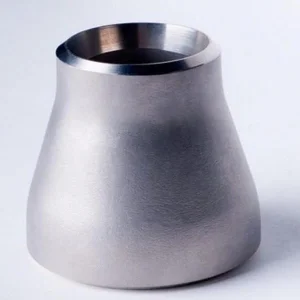
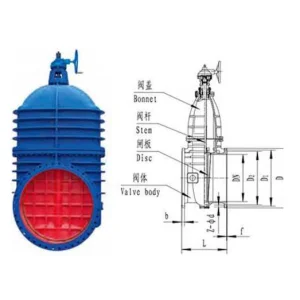
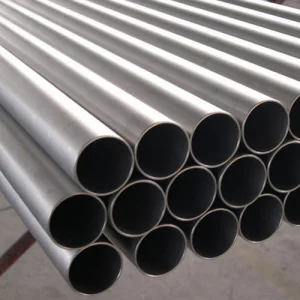
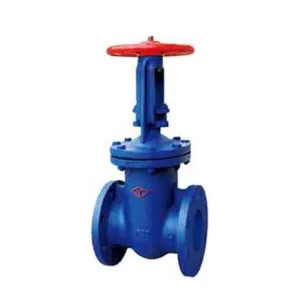
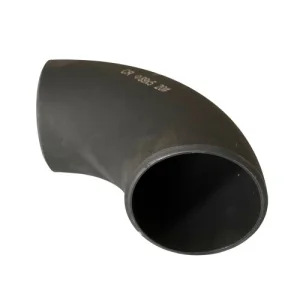
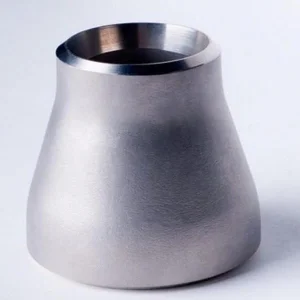
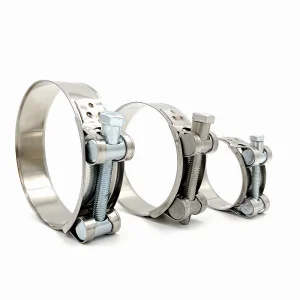
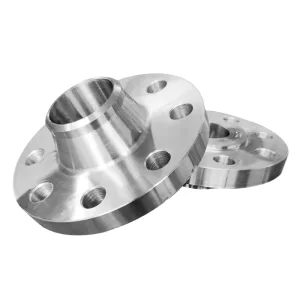
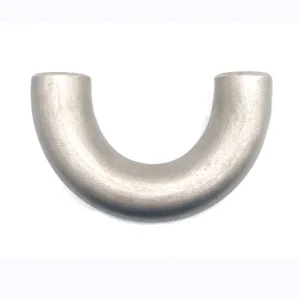
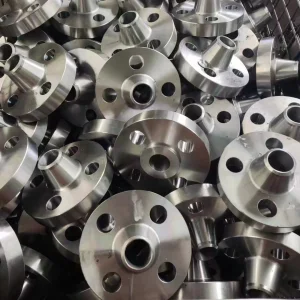
Complete your industrial piping package with certified high-frequency pipes, elbows, wedge gate valves, and structural hose clamps.
Require Custom Exhaust Manifold Flange Manufacturing?
Send your CAD drawings (.DXF / .STEP) or material takeoff specifications directly to our engineering team for factory pricing, material certification, and production scheduling.
Contact Technical Sales Team