Certified Industrial Piping & Fitting Solutions
Factory-direct carbon steel, alloy, and stainless steel pipeline components manufactured to international engineering standards under ISO 9001 quality controls.
The Global Cast Steel Gate Valve Market & Pricing Architecture
Navigating international procurement demand, manufacturing cost drivers, standard compliance (API 600 vs. BS 1868), and economic considerations for project managers.
Market Dynamics & Pricing Factors
Industrial gate valve pricing is directly governed by raw material metallurgy (ASTM A216 WCB, A351 CF8M, A217 WC6), pressure class ratings (Class 150 to Class 2500), seat hardfacing requirements (Stellite No. 6), and NDE (Non-Destructive Examination) specifications. Sourcing directly from an established Chinese manufacturer eliminates intermediary markups while ensuring compliance with global EPC tender requirements.
API 600 vs. ASME B16.34 Standards
Understanding standard alignment is critical for procurement engineering. API 600 specifies heavy-duty wall thickness, bolted bonnet design, wedge gate geometry, and stem packing longevity tailored for aggressive oil & gas refining. ASME B16.34 governs basic pressure-temperature ratings, shell wall thickness, and flanged end connections across power generation and general industrial processing.
Bi-Directional Zero-Leakage Performance
Cast steel gate valves excel in full-bore isolation where low fluid friction, minimal pressure drop, and tight shut-off are required. With solid, flexible, or split wedge configurations, modern cast steel gate valves accommodate thermal expansion and piping stresses without binding, ensuring long-term seat integrity across steam, oil, gas, and chemical media.
Engineered Application Scenarios for Heavy Industry
How specialized cast steel gate valves perform under extreme temperatures, high pressure differentials, and aggressive corrosive environments worldwide.
Petrochemical & Hydrocarbon Refining
In delayed coking, fluid catalytic cracking (FCC), and hydroprocessing units, cast carbon steel (ASTM A216 WCB) and alloy steel (ASTM A217 WC6/WC9) gate valves handle temperatures exceeding 540°C. Stellite facing on body seats and wedge surfaces prevents galling, while flexible wedge designs prevent thermal locking during ambient cooldowns.
High-Pressure Steam & Power Generation
Thermal power plants and municipal steam grids demand Class 900, 1500, and 2500 pressure-seal gate valves. Under high pressure, the internal system pressure forces the bonnet seal gasket against the valve body, creating an increasingly tighter seal as line pressure rises—ideal for superheated steam mains.
Offshore Marine & LNG Infrastructure
Offshore platforms and LNG terminals utilize low-temperature carbon steel (ASTM A352 LCB/LCC) and stainless steel (ASTM A351 CF8M) gate valves with extended bonnets. The extended neck keeps stem packing isolated from cryogenic temperatures (-196°C), preventing packing embrittlement and maintaining stem seal tight compliance.
Technology Roadmap & Future Innovations in Valve Manufacturing
Advancements in fugitive emission control, smart actuator integration, advanced metallurgical cladding, and digital twin monitoring.
1. Low-Fugitive Emission Stem Seals
Global environmental standards (EPA Method 21 and ISO 15848-1 BH Class) dictate stringent leakage tolerances for volatile organic compounds (VOCs). Cangrun integrates die-formed flexible graphite packing rings with braided carbon fiber anti-extrusion end rings and live-loaded Belleville springs, maintaining sealing stress through thermal cycling.
2. IIoT Smart Actuation & Diagnostic Sensors
Modern plant automation requires remote valve status awareness. Gate valve bonnets can be factory-fitted with WirelessHART position transmitters, acoustic leak detectors, and stem torque sensors to provide real-time diagnostic telemetry, allowing predictive maintenance prior to catastrophic line shutdowns.
3. Automated PTA Hardfacing Welding
Plasma Transferred Arc (PTA) robotized welding overlays cobalt-base Stellite Alloys onto valve seating surfaces with minimal iron dilution. This automation extends gate valve lifespan by 300% under high-pressure differential cycling and abrasive particulate slurry conditions.
China Factory Supply Chain Resilience & Manufacturing Synergy
How Hebei Cangrun Pipeline Equipment Co., Ltd. and its subsidiaries optimize production throughput, raw material sourcing, and global logistics.
The Cangzhou Industrial Cluster Advantage
Located in Cangzhou, Hebei Province—the premier steel pipe and fitting hub of China—Cangrun leverages localized steel foundry networks, raw billet forging mills, and specialized machining infrastructure. This cluster proximity cuts internal transport latency and raw material lead times by up to 40% compared to isolated manufacturers.
Multi-Factory Capacity Integration
With three main production bases—including HEBEI CANGRUN PIPELINE EQUIPMENT CO., LTD., CANGZHOU FEIWO METAL PRODUCTS CO., LTD., and CANGZHOU FEIXIANG METAL PRODUCTS CO., LTD.—our enterprise covers everything from casting, hot forging, CNC machining, heat treatment, to hydro-testing under one roof.
Package Procurement & Cost Efficiency
Instead of placing fragmented orders across separate vendors for valves, flanges, butt-weld elbows, and seamless pipes, buyers can bundle their complete Material Take-Off (MTO) into one shipment. Package consolidation slashes ocean freight costs, simplifies customs clearing, and ensures unified material test certification (MTC).
Gate Valve Material & Trim Standard Selection Matrix
| ASTM Material Grade | Nominal Service Type | Temp. Range (°C) | Standard API Trim # | Seat Overlay Material | Typical Pipeline Application |
|---|---|---|---|---|---|
| ASTM A216 Grade WCB | Non-Corrosive / General | -29°C to 425°C | Trim 8 (Universal) | 13Cr (SS410) / Stellite #6 | Oil refining, water, steam, general hydrocarbons |
| ASTM A352 Grade LCB/LCC | Low Temperature / Arctic | -46°C to 345°C | Trim 12 | 316 Stainless Steel / Stellite | Liquefied gas, cold climate oil transmission |
| ASTM A217 Grade WC6 | High Temperature Alloy | -29°C to 593°C | Trim 5 | Full Stellite No. 6 Overlay | Power station superheated steam, boiler feed |
| ASTM A351 Grade CF8M | Corrosive / Stainless | -196°C to 537°C | Trim 10 | 316 SS / Hard Coated | Chemical process lines, nitric acid, seawater |
| ASTM A217 Grade C5/WC9 | Severe High Temp Chrome | -29°C to 650°C | Trim 5A | Stellite Hardfacing | Catalytic reformers, hydrocrackers, power mains |
Localized Support, Rigorous QA/QC & Global Logistics
How Cangrun ensures zero-defect manufacturing, full traceability, and risk-managed delivery schedules for overseas projects.
EN 10204 3.1 / 3.2 Material Traceability
Every valve casting, forged flange, and fitting undergoes positive material identification (PMI) testing. Material Test Certificates (MTCs) to EN 10204 3.1 are provided as standard, detailing chemical heat analysis, mechanical tensile/yield testing, Charpy V-notch impact values, and hardness numbers. Independent third-party inspection (TUV, SGS, BV, Lloyd's) to 3.2 compliance is readily supported.
API 598 & ISO 5208 Pressure Testing
100% of manufactured gate valves undergo shell hydrostatic testing at 1.5x design pressure and high-pressure seat closure testing at 1.1x nominal rating. Low-pressure air seat testing (6 bar) ensures zero-bubble seat tightness before painting and wooden box packing.
Proactive Logistics & Freight Monitoring
Our international export logistics team actively tracks ocean carrier blank sailings, regional port congestion alerts, and peak season surcharges (PSS). We assist global buyers with optimized sea freight routing via Tianjin/Qingdao ports to lower total landed cost and prevent project delivery delays.
Frequently Asked Technical & Purchasing Questions
Detailed answers regarding standard compliance, valve sizing, material selection, and factory order procedures.
What factors determine the Cast Steel Gate Valve pricelist and quotation?
1) Body Metallurgy: Carbon steel (WCB) is the cost baseline, whereas alloy (WC6/WC9) and stainless steel (CF8M/Duplex 2205) incur higher alloy surcharges.
2) Pressure Class: Class 150 vs Class 600/1500 requires exponentially heavier wall thickness and heavier flange forging weight.
3) Trim Hardfacing: Stellite overlay on seats and wedge increases durability and manufacturing labor cost.
4) Actuation Type: Manual handwheel, bevel gear operator, electric (Rotork/SIPOS), or pneumatic actuation.
5) Testing & NDE Requirements: Radiography (RT), Magnetic Particle (MT), or Fugitive Emissions Certification. Contact our export team at [email protected] for a customized line-by-line quote.
Which standards do Cangrun pipe fittings, flanges, and valves comply with?
What is the difference between a Rising Stem (OS&Y) and Non-Rising Stem Gate Valve?
What manufacturing size ranges and wall thicknesses are available?
How does Cangrun prevent wedge binding or thermal trapping in high-temperature lines?
How can I request a technical catalog and place an order?
High-Performance Pipeline Components & Fittings
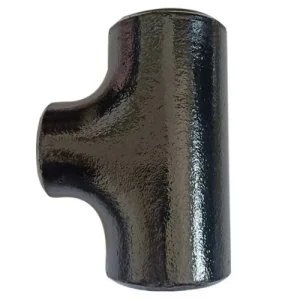
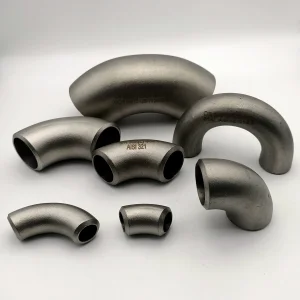
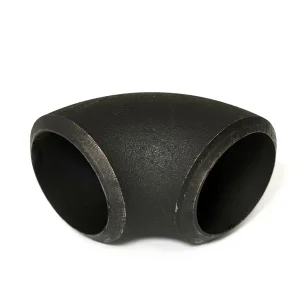
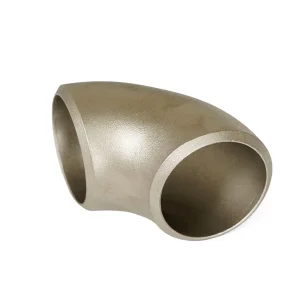
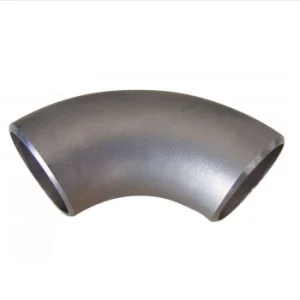
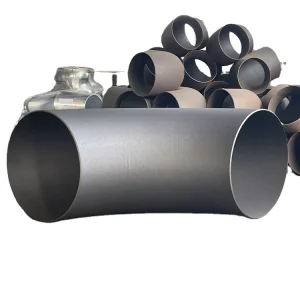
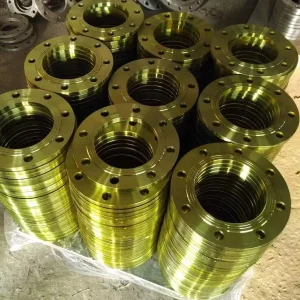
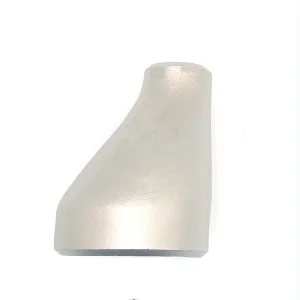
Complete your pipeline assembly with matched carbon steel and stainless steel elbows, tees, reducers, and engineered flange connections.