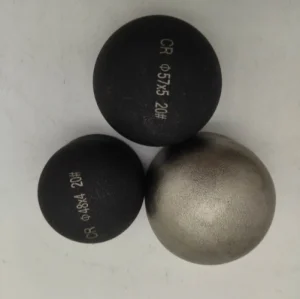
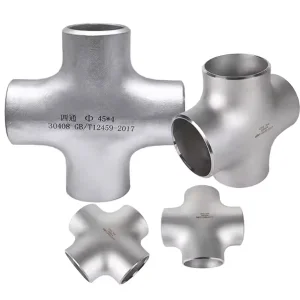
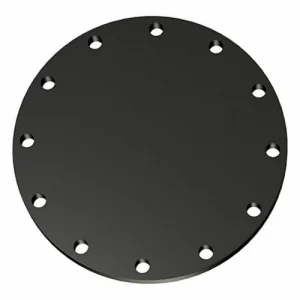
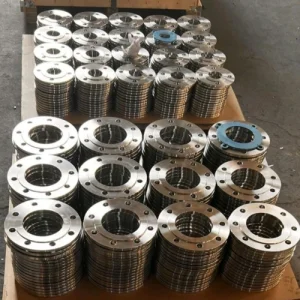
Featured Piping & Valve Products (Part I)
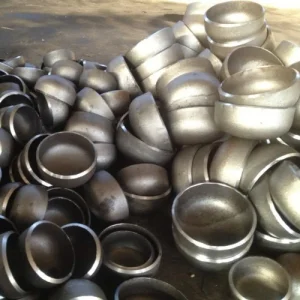
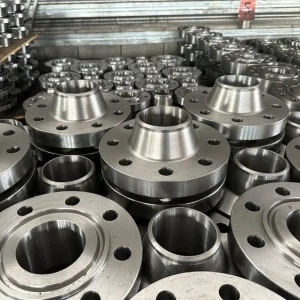
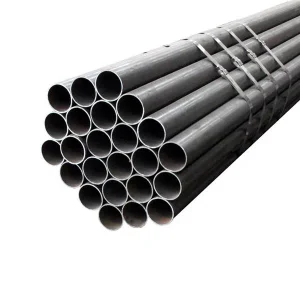
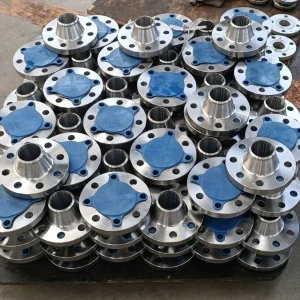
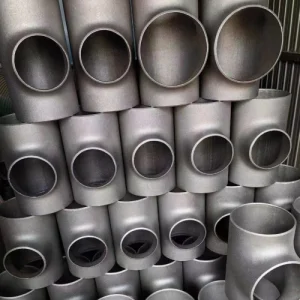
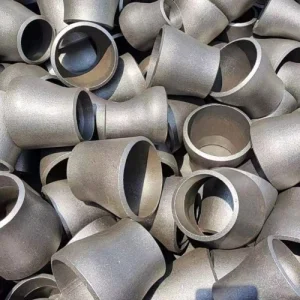
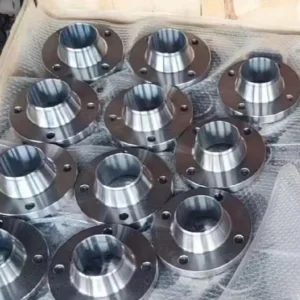
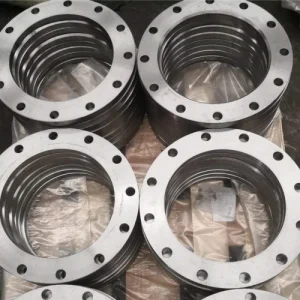
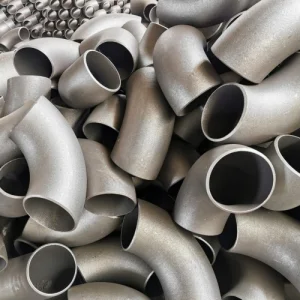
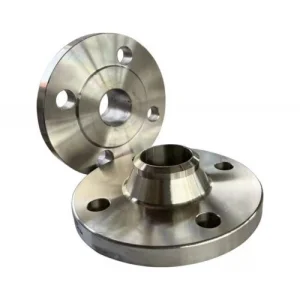
Explore directly manufactured pipeline components, butt-weld fittings, forged flanges, and high-pressure industrial valves built to ASME/ASTM and EN specifications.
Executive Whitepaper: Technical Criteria for Sourcing 316 Stainless Steel Butterfly Valves
In modern process industries, selecting fluid control hardware requires strict alignment with chemical compatibility, mechanical stress limits, and long-term fugitive emission targets. Selecting a 316 Butterfly Valve (cast standard ASTM A351 CF8M or forged ASTM A182 F316) is often a critical engineering choice for handling aggressive fluids, high chloride concentrations, and elevated temperatures.
Compared to standard 304/CF8 stainless steel, grade 316 contains 2.0% to 3.0% Molybdenum (Mo). This elemental addition significantly elevates the material's Pitting Resistance Equivalent Number (PREN), providing superior protection against localized crevice corrosion and halide-induced pitting. As global engineering, procurement, and construction (EPC) contractors optimize lifecycle expenditure (LCOE), evaluating 316 butterfly valve factories based on manufacturing precision, metallurgical verification, and offset design configuration is essential.
1. Kinematic Mechanics & Offset Engineering Paradigms
The structural efficacy of a 316 butterfly valve relies heavily on its mechanical offset design. Factories specializing in industrial flow control manufacture three distinct categories tailored to operating pressure, seat friction, and seal longevity:
Concentric (Resilient Seated)
Designed with the stem centered in the middle of the valve disc. Utilizes PTFE, RTFE, or EPDM liners bonded to the 316 stainless steel body. Ideal for low-pressure chemical transfer, water treatment, and food-grade applications (up to Class 150 / PN16).
Double Offset (High Performance)
Features two eccentric offsets: stem shaft shifted behind the seal plane and to one side of the pipe centerline. Reduces seat rubbing, extends cycle life, and supports operating temperatures up to 260°C (500°F) under pressure class ASME 300.
Triple Offset (TOV Metal-Seated)
Incorporates a third offset angling the seating cone geometry. Eliminates friction completely during operation, enabling true non-rubbing, zero-leakage bi-directional shut-off under extreme pressure (Class 600+) and cryogenic or high-heat environments (>600°C).
Macro Industry Solutions & Severe Service Application Modules
Deploying 316 butterfly valves across specialized global sectors requires customized trim configurations, stem packing systems, and seat materials.
Petrochemical & Refining (Sour Gas & Hydrocarbon Processing)
High H2S and CO2 concentrations in refinery fluid streams demand strict compliance with NACE MR0175 / ISO 15156. 316 Butterfly Valve factories supply solution-annealed CF8M bodies paired with Inconel 718 or Duplex discs, alongside live-loaded PTFE packing systems to prevent fugitive emissions of hazardous volatile organic compounds (VOCs).
LNG & Cryogenic Supply Chains (-196°C Applications)
Liquefied Natural Gas transport systems require specialized extended bonnets to isolate stem packing from deep cryogenic fluids. Triple Offset 316L valves feature laminated stainless steel and graphite seat rings that maintain elastomeric resilience and fire-safe integrity (API 607) down to ultra-low temperature thresholds.
Offshore Marine & Desalination Infrastructure
Seawater reverse osmosis (SWRO) plants and marine ballast management systems subject internal valve components to extreme chloride pitting. 316/316L stainless steel provides reliable resistance against bio-fouling and brackish water degradation when matched with high-grade nickel-aluminum bronze or Hastelloy stem bearings.
Pharmaceutical & Fine Chemical Processing
For high-purity media, 316L stainless steel butterfly valves are internally electropolished to achieve a surface roughness Ra < 0.4 µm. Combined with FDA-approved PTFE or silicone seals, these valves minimize bacterial entrapment and withstand aggressive Clean-in-Place (CIP) and Sterilize-in-Place (SIP) cycles.
China Industry 4.0: Supply Chain Resilience & Manufacturing Advantage
Advanced digital manufacturing models, localized raw material clusters, and automated quality verification systems define modern valve production in China.
Precision Investment Casting
Utilizing automated silica-sol investment casting (lost-wax process) ensures exceptionally dense shell molds. This minimizes gas porosity and shrinkage cavities in 316/CF8M castings, yielding superior structural integrity under hydrostatic stress tests.
5-Axis CNC Machining
Multi-axis computer numerical control (CNC) machining centers precision-cut sealing surfaces, disc profiles, and ISO 5211 actuator mounting pads in a single setup. This tight geometric tolerance guarantees smooth, low-torque operation.
End-to-End ERP Traceability
Every casting batch is tracked via digital MES/ERP systems. Heat numbers are laser-engraved onto valve bodies, linking directly to spectral chemical composition analysis and mechanical test logs for total supply chain transparency.
By leveraging integrated industrial hubs (such as Cangzhou and regional foundry clusters), top-tier Chinese valve manufacturers deliver significant cost-efficiencies without compromising material standards. Procurement teams benefit from standardized production schedules, robust raw material reserves, and streamlined global export logistics.
Technical Engineering Specifications Matrix
Comprehensive design baseline for engineering buyers and procurement officers specifying 316 butterfly valve products.
| Specification Parameter | Resilient Seated 316 | High-Performance Double Offset | Triple Offset Metal-Seated (TOV) |
|---|---|---|---|
| Nominal Diameter (DN) | DN40 – DN1200 (1.5" – 48") | DN50 – DN1500 (2" – 60") | DN80 – DN2000 (3" – 80") |
| Pressure Rating | Class 150 / PN10 – PN16 | Class 150 – 300 / PN10 – PN40 | Class 150 – 600 / PN10 – PN100 |
| Body Material Grade | ASTM A351 CF8M / CF3M | ASTM A351 CF8M / A182 F316 | ASTM A351 CF8M / A182 F316 / Duplex |
| Seat / Seal Materials | PTFE, R-PTFE, EPDM, NBR | R-PTFE, PEEK, 316 + Graphite | Stellite Hardfaced 316 + SS/Graphite Laminated |
| Operating Temperature | -20°C to 180°C (-4°F to 356°F) | -40°C to 260°C (-40°F to 500°F) | -196°C to 650°C (-320°F to 1202°F) |
| Leakage Rate Standard | API 598 / ISO 5208 Rate A (Zero) | API 598 / ANSI/FCI 70-2 Class VI | ISO 5208 Rate A / ANSI/FCI 70-2 Class VI |
| End Connection Types | Wafer, Lug, Flanged | Wafer, Lug, Double Flanged | Lug, Double Flanged, Butt-Weld Ends |
| Actuation Compatibility | Manual Lever, Gear, Pneumatic, Electric | ISO 5211 Direct Mount Pneumatic/Electric | High-Torque Hydraulic / Intelligent Electric |
Global Procurement, Quality Assurance & Certification Standards
Meeting international engineering standards ensures seamless project integration, regulatory compliance, and risk mitigation across critical operations.
Material Test Reports (EN 10204 3.1/3.2)
Every order of 316 butterfly valves includes full Material Test Reports (MTRs) detailing chemical composition (PMI Spectrometer verification) and mechanical performance (Tensile, Yield, Charpy V-Notch Impact tests) verified per EN 10204 3.1 or independent 3.2 certification.
Third-Party Inspection (TPI)
Factories readily support third-party shop witness testing and inspections by global agencies including SGS, TÜV Rheinland, Bureau Veritas (BV), Lloyd's Register, and DNV GL, covering dimensional compliance, NDT (RT/UT/PT/MT), and hydro-testing.
Safety & Environmental Compliance
Products are certified under key industry mandates: CE / PED 2014/68/EU for pressure equipment safety, SIL 3 (IEC 61508) for functional safety loops, ATEX for explosive atmospheres, and API 607 / ISO 10497 for fire-safe performance.
Technical Roadmap & Future Outlook (2025–2030)
The fluid automation sector is undergoing a major technological transformation driven by digitalization, severe surface modification, and clean energy transition requirements.
Smart Actuation & Digital Twin Integration
Modern 316 butterfly valve assemblies increasingly feature IO-Link enabled digital positioners and embedded micro-sensors. These sensors continuously monitor stem torque profiles, packing friction, dynamic line pressure, and cycle counts—feeding real-time analytics to industrial IoT platforms for predictive maintenance and digital twin simulation.
Advanced Surface Hardening & Coatings
To combat severe slurry erosion and high-velocity cavitation, valve manufacturers are deploying High-Velocity Oxygen Fuel (HVOF) thermal spray technologies. Applying Chromium Carbide or Tungsten Carbide coatings onto 316 stainless steel disc edges elevates surface hardness above 68 HRC while maintaining the core alloy's inherent corrosion resistance.
Procurement & Technical FAQ (Information Gain)
Clear, definitive answers to common technical queries raised by valve engineers, plant operators, and procurement specialists.
What is the core chemical difference between 304 and 316 stainless steel butterfly valves?
The critical difference is the addition of Molybdenum (2.0% - 3.0%) in 316 stainless steel (CF8M). While 304 (CF8) offers robust resistance in standard freshwater and mild atmospheric applications, 316 provides superior protection against chloride pitting, marine environments, sulfuric/acetic acids, and chemical process corrosion.
When should I choose a Double Offset valve over a concentric resilient seated butterfly valve?
Choose a Double Offset valve when your application exceeds 120°C (248°F), operates above Class 150 pressure, requires low-friction stem torque for high-cycle automation, or involves aggressive hydrocarbons. Resilient seated concentric valves are best suited for lower pressure, ambient temperature, water, and HVAC services.
Are 316 butterfly valve bodies compatible with direct-mount actuation?
Yes. Top-tier factories manufacture 316 butterfly valves with integrated ISO 5211 mounting flanges and standardized stem square or double-D drive dimensions. This permits seamless direct mounting of pneumatic rack-and-pinion actuators, electric quarter-turn motors, or manual gearboxes without needing external mounting brackets.
What testing procedures are performed on 316 butterfly valves before shipment?
Standard testing includes hydrostatic shell testing (1.5x nominal pressure rating), high-pressure closure seat testing (1.1x nominal rating), low-pressure air seat testing (6 bar per API 598), Positive Material Identification (PMI), and torque testing. Optional NDT (Radiographic inspection) and Fire-Safe testing (API 607) are available upon request.
How do I verify the authenticity of a factory's 316/CF8M casting grade?
Always request an EN 10204 3.1 Material Test Report (MTR) tied directly to the casting heat number. Upon delivery, inspect the laser-engraved or cast heat number on the valve body and perform on-site Portable XRF PMI spectrometry to confirm Chromium (16-18%), Nickel (10-14%), and Molybdenum (2-3%) elemental ratios.
Featured Piping & Valve Products (Part II)
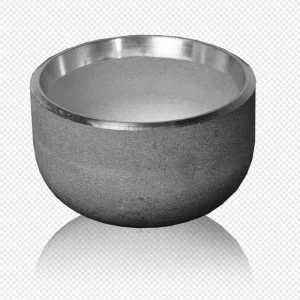
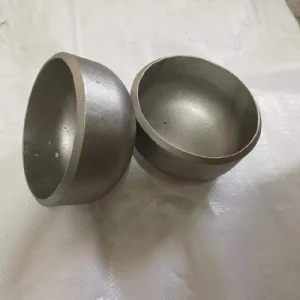
Complete your procurement package with factory-direct pipeline components, high-pressure pipe caps, cross fittings, and specialized industrial flanges.