
Featured Industrial Pipe Fittings & Flanges
Factory-direct high-pressure forged fittings, butt-weld components, and ANSI/DIN flanges manufactured for harsh operational environments.
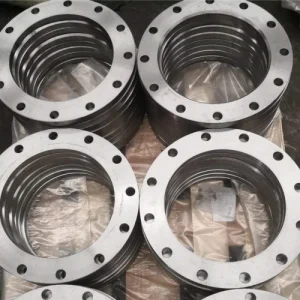
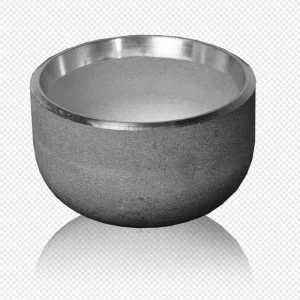
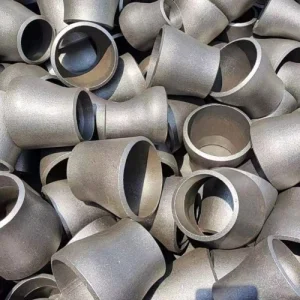
High-Quality 1 1/2" DN40 Carbon Steel Seamless Butt Weld High Pressure Cap
View Product Specifications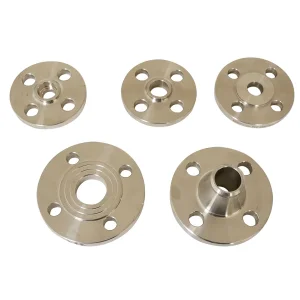
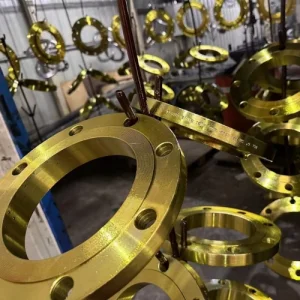
Best High Pressure Orifice Flanges WN Flat Plate Threaded Blind Carbon DIN PN16
View Product Specifications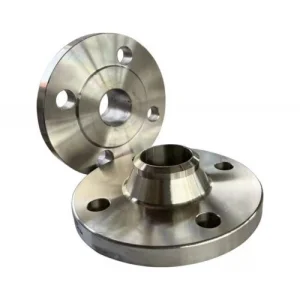
Strategic Procurement & Engineering Analysis for Poly Pipe Fittings
An in-depth evaluation of high-density polyethylene (HDPE) and metallic piping integration, manufacturing quality benchmarks, and global supply chain resilience.
Selecting the best poly pipe fittings suppliers requires navigating a complex matrix of material science standards, pressure rating classifications (SDR/PN), joint integrity protocols, and global logistical risks. Modern infrastructure projects—spanning municipal water transmission, industrial chemical processing, offshore mining, and agricultural networks—increasingly demand high-density polyethylene (HDPE 100 / PE 100-RC) fitting systems. Polyethylene fittings offer superior corrosion resistance, high flexibility, zero-leakage fused joints, and a 50+ year operational lifespan compared to legacy iron piping.
1. High-Density Polyethylene (HDPE) vs. Metallic Piping Dynamics
Engineers evaluate poly pipe fittings based on long-term hydrostatic strength (PTH), slow crack growth (SCG) resistance, and rapid crack propagation (RCP) protection. The evolution from PE80 resin grades to advanced PE100 and PE100-RC (Resistance to Crack) polymers has enabled poly fittings to withstand internal pressures exceeding 25 bar (PN25) while remaining immune to galvanic and chemical corrosion.
However, industrial fluid transfer lines cannot rely solely on plastic components. Transition points requiring mechanical disconnects, high-pressure throttling, or isolation valves demand heavy-duty metallic flanges (such as Weld Neck, Slip-On, or Blind Flanges) connected via poly stub ends and backing rings. Sourcing these integrated packages from specialized industrial hubs like Cangzhou, China ensures exact tolerance alignment between plastic SDR dimensions and ASME/DIN/BS metal flange bolt patterns.
Butt Fusion & Electrofusion
Homogeneous thermal joining eliminates potential leak paths, delivering joint strength equal to or exceeding that of the pipe wall itself for zero-maintenance buried lines.
Chemical & Abrasion Immunity
Resistant to aggressive acids, alkalis, slurry mixtures, and soil chemistry. Poly fittings will not rust, scale, or suffer micro-biological growth.
Seismic & Ground Movement
High strain tolerance allows poly fittings to bend and absorb ground movement, seismic tremors, and water hammer surges without structural cracking.
Poly Pipe Fitting Classifications & SDR Specifications
Understanding Standard Dimension Ratios (SDR), pressure ratings, and connection mechanics for industrial fluid systems.
The Standard Dimension Ratio (SDR) defines the relationship between the outside diameter of a poly fitting and its nominal wall thickness (SDR = OD / WT). Lower SDR values correlate to thicker walls, allowing higher maximum allowable operating pressure (MAOP) ratings. Procurement officers must cross-reference working temperatures and media aggressiveness against SDR metrics to prevent premature creep rupture.
| Poly Fitting Standard / Class | Applicable SDR Ratings | Nominal Pressure (PN at 20°C) | Primary Joint Methodology | Compatible Metal Flange Interface |
|---|---|---|---|---|
| ISO 4427 / EN 12201 (PE 100) | SDR 7.4 / SDR 9 / SDR 11 | PN 16 bar - PN 25 bar | Butt Fusion / Electrofusion | DIN 2638 / EN 1092-1 Type 11 WN |
| ASTM F2880 / D3261 (HDPE) | SDR 11 / SDR 13.5 / SDR 17 | 125 PSI - 200 PSI | Thermo-contact Butt Weld | ASME B16.5 Class 150 / Class 300 |
| AS/NZS 4129 (Australasia) | SDR 11 / SDR 17 / SDR 21 | PN 10 bar - PN 16 bar | Compression / Electrofusion | AS 4087 / Table D/E Slip-On |
| PP Compression Fittings | SDR 11 (Standard) | PN 10 bar - PN 16 bar | Mechanical Threaded Lock Nut | NPT / BSP Threaded Carbon Steel Nipples |
| Heavy Slurry Slotted Stub Ends | SDR 7 / SDR 9 (Extra Heavy) | PN 20 bar + Abrasion Allowance | Extended Butt Weld Neck | A105 Forged Steel Ductile Backing Rings |
Thermal Fusion vs. Mechanical Flanged Transitions
While poly fittings excel in continuous underground trenches, mechanical transition points are mandatory when interfacing with pump stations, isolation valves (such as Wedge Gate or Stainless Steel Ball Valves), and flow meter assemblies. A standard poly-to-metal flanged connection uses a Polyethylene Stub End (Lap Joint Adapter) backed by an epoxy-coated carbon steel or stainless steel flange ring.
During installation, the inner bore of the steel backing flange must match the chamfered shoulder of the poly stub end. Improper bolt torque distribution on metallic backing flanges (e.g., ASME B16.5 or DIN PN16) can lead to uneven plastic cold-flow and flange leakage. For high-pressure operations (above PN16), using Weld Neck Flanges welded onto steel pipe spools prior to flanging against poly stub ends provides superior structural rigidity.
Why Source Poly & Steel Fitting Packages from Cangzhou, China?
Leveraging scale economies, vertical manufacturing integration, and strict quality assurance protocols from Hebei's primary industrial cluster.
Full Packaging Synergy
Cangzhou manufacturers provide unified shipments containing Poly Pipe Fittings, Seamless/ERW Steel Pipes, Forged Flanges, and Industrial Valves, lowering logistics handling costs.
Traceable Quality Control
Raw poly resins (PE100 virgin grade) and steel billets (A105, ST37, WP304/316) undergo complete raw material spectrometer analysis, MFR testing, and hydrostatic pressure verification.
Cost Efficiency & Customization
Direct factory manufacturing eliminates intermediary markup. Custom mold production for specialized poly reducers, tees, and heavy-wall carbon flanges is available with short lead times.
Industrial operations led by group entities such as HEBEI CANGRUN PIPELINE EQUIPMENT CO., LTD. alongside specialized subsidiaries like CANGZHOU FEIWO METAL PRODUCTS CO., LTD. and CANGZHOU FEIXIANG METAL PRODUCTS CO., LTD. maintain dedicated manufacturing lines for high-tonnage pipe equipment. From standard 4-inch butt-weld elbows to massive DN4000 forged weld neck flanges and heavy-wall HDPE stub ends, unified production facilities simplify procurement for major international EPC contractors.
Global Procurement Requirements & Regulatory Assurance
Navigating international certification frameworks, cross-border freight volatility, and localized field support.
International Certifications
Products comply with ISO 9001 quality systems, WRAS/NSF 61 potable water standards, CE PED pressure directives, and ASTM/ASME mechanical specifications.
Freight & Port Protection
Our logistics team actively tracks ocean carrier peak season surcharges (PSS), blank sailings, and port strikes to ensure material delivery matches your project timeline.
Localized Field Support
On-site fusion welding guidance, customized alignment tooling recommendations, and localized technical documentation support project engineers globally.
Localized Field Applications & Next-Generation Poly Piping
Deploying poly fittings across critical infrastructure sectors and adopting technological advancements in pipeline engineering.
Primary Field Application Scenarios
- Municipal Potable Water Networks: High-density poly fittings and resilient seated soft seal gate valves guarantee zero leak rates and prevent secondary water contamination over decades of continuous service.
- Mining Slurry & Tailings Disposal: Thick-walled poly fittings (SDR 7 / SDR 9) resist the extreme abrasion of mineral slurries, outperforming standard carbon steel lines in gold, copper, and coal extraction sites.
- Chemical & Industrial Process Piping: Polyethylene and stainless steel ball valve assemblies safely convey corrosive acids, alkalis, and industrial wastewater without surface degradation.
- District Heating & HVAC Networks: Insulated poly fittings coupled with steel compensators manage thermal expansion cycles in underground urban heating grids.
Key Industry Trends Shaping Poly Fittings Procurement
1. Automated Smart Electrofusion Welding: Modern poly pipe fittings feature embedded barcode data chips that automatically transfer precise voltage, heating duration, and cooling parameters to smart fusion machines, eliminating human error during installation.
2. Extrusion of Extra-Large Diameters (>DN1600): Advances in polymer melt strength now allow the production of large-diameter poly fittings, replacing traditional concrete or ductile iron culverts in storm-water management.
3. PE100-RC Crack-Resistant Compounds: The industry is shifting toward PE100-RC materials, which allow trenchless installation (directional drilling and pipe bursting) without risk of point-load scratch propagation.
Comprehensive Piping & Flange Inventory
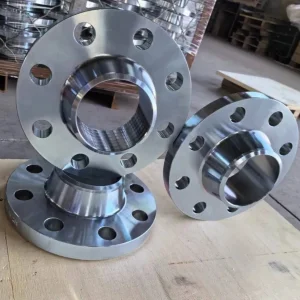
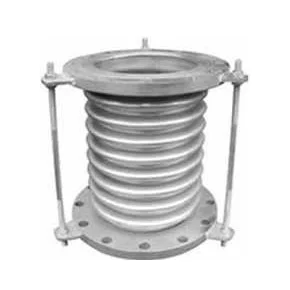
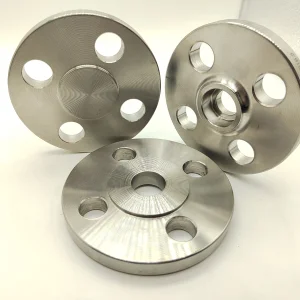
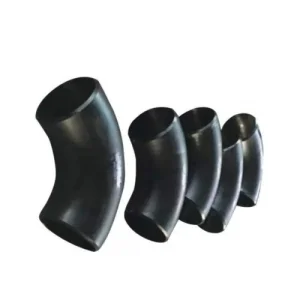
Browse our additional industrial components manufactured to exact ASME, DIN, JIS, and GB standards.
Technical Procurement & Engineering Q&A
Expert answers addressing poly fitting selection, pressure ratings, flange compatibility, and factory lead times.