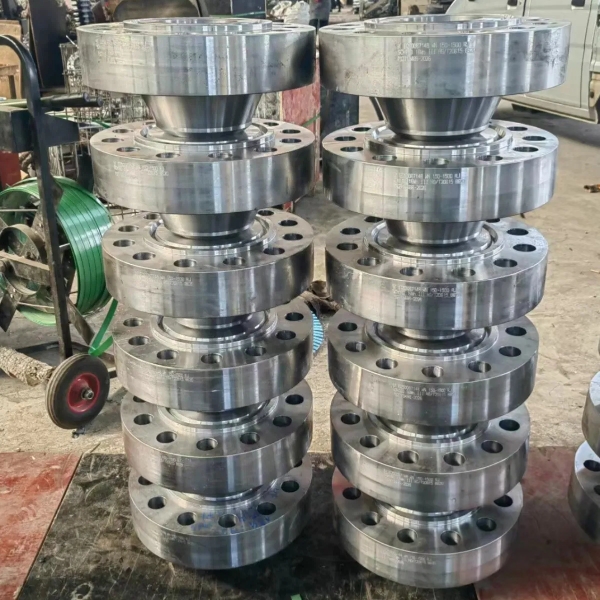
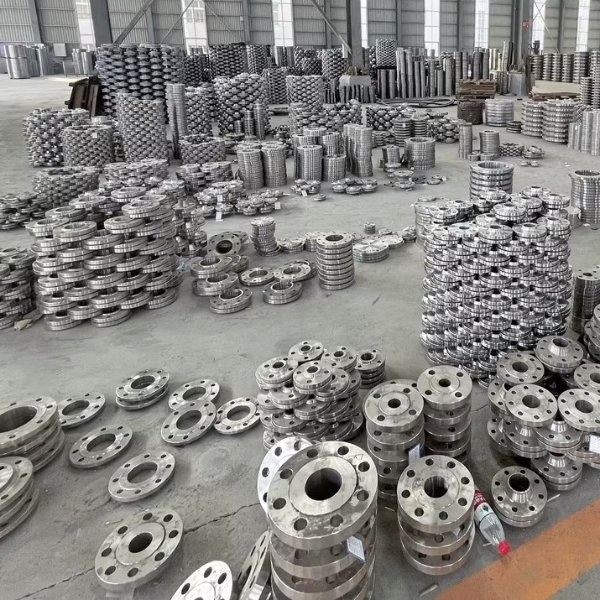
China Butt welding flange Factory, Products
Product Description
Key Features of Butt Welding Flanges
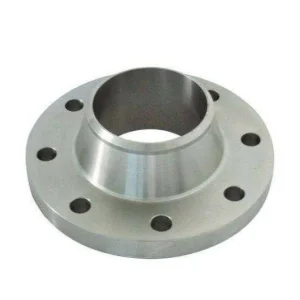
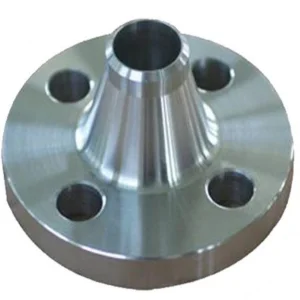
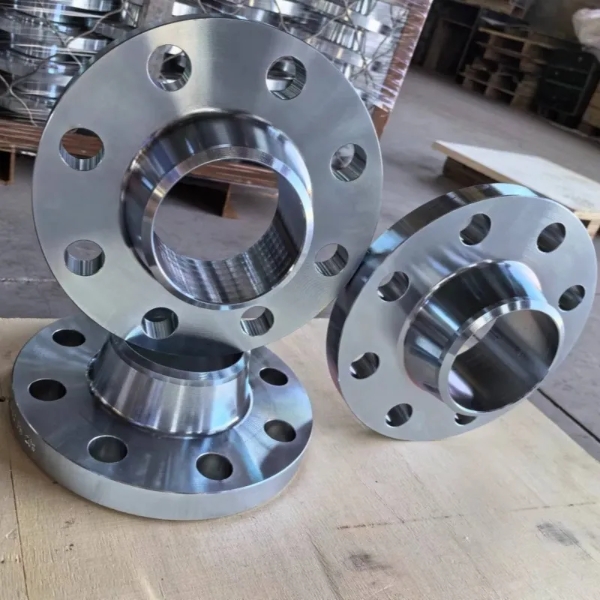
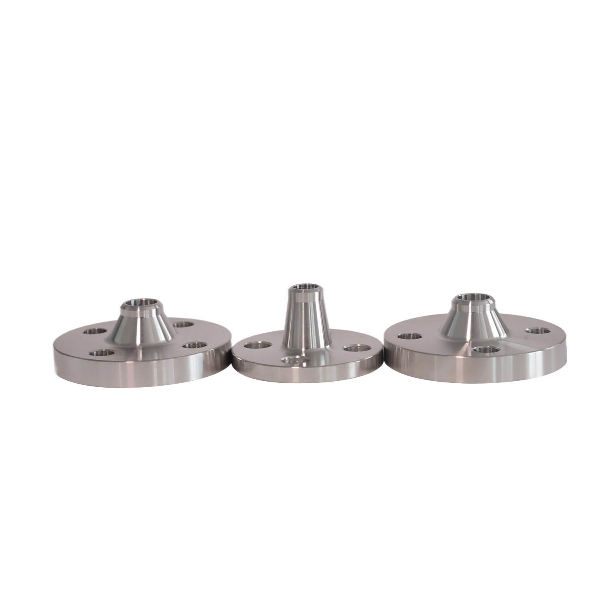
- Has a tapered hub that provides reinforcement and reduces stress concentration.
- The smooth transition from flange thickness to pipe wall thickness improves flow characteristics.
- Suitable for extreme conditions (high pressure, high/low temperature, corrosive environments).
- Commonly used in oil & gas, chemical plants, power generation, and shipbuilding.
- The butt weld ensures a strong, permanent joint with minimal risk of leakage.
- ASME/ANSI B16.5 (Standard for flanges up to 24")
- ASME B16.47 (Large-diameter flanges)
- EN 1092-1 (European standard)
- MSS SP-44, API 6A (Specialized applications)
Types of Butt Welding Flanges
| Type | Description | Common Applications |
|---|---|---|
| Standard Weld Neck Flange | Most common type, used in general piping systems. | Oil & gas, chemical processing. |
| Long Weld Neck Flange (LWN) | Extended neck for better reinforcement in high-stress areas. | Pressure vessels, reactors. |
| High Hub Flange | Taller hub for additional strength in critical applications. | Power plants, refineries. |
Materials Used
Butt welding flanges are available in various materials, including:
- Carbon Steel (ASTM A105) – General-purpose use.
- Stainless Steel (SS 304, SS 316) – Corrosion-resistant applications.
- Alloy Steel (ASTM A182 F11, F22) – High-temperature & high-pressure services.
- Duplex & Super Duplex (UNS S31803, S32750) – Extreme corrosion resistance.
Advantages Over Other Flange Types
Common Applications
- Oil & Gas Pipelines
- Chemical & Petrochemical Plants
- Power Generation (Steam, Boilers)
- Water Treatment Systems
- Shipbuilding & Offshore Platforms
Conclusion
Butt welding flanges are essential for high-integrity piping systems where strength, durability, and leak-proof performance are critical. Their design ensures reliable performance in demanding industrial environments.
Frequently Asked Questions (FAQ)
A butt welding flange features a long tapered hub that is welded directly to the pipe end via a full-penetration butt weld, offering superior structural strength for high-pressure systems. A slip-on flange slides over the pipe and is welded both inside and outside, which is suited for lower pressure applications.
The tapered hub provides a gradual transition of wall thickness from the flange base to the pipe, significantly reducing stress concentration and helping resist dishing or bending caused by high internal pressure.
Material selection depends on operating temperature, pressure, and fluid corrosive nature. Carbon steel (ASTM A105) works well for general uses, Stainless Steel (304/316) is chosen for corrosion resistance, and Alloy or Duplex Steel is preferred for extreme thermal and high-corrosion environments.
Common standards include ASME/ANSI B16.5 for sizes up to 24 inches, ASME B16.47 for larger diameters (26" to 60"), EN 1092-1 for European industrial standards, and API 6A for specialized high-pressure oilfield applications.
Yes. Due to their robust structural joint design, butt welding flanges perform exceptionally well under extreme high-temperature and cryogenic conditions where thermal expansion or pressure shocks occur.