Best High Pressure Flange Factory & Product: Engineering Precision, Global Procurement & Technical Compliance Handbook

A comprehensive whitepaper on high-pressure forged flanges, heavy-wall pipe fittings, and industrial fluid control components for severe-service energy and chemical infrastructure.

Featured High-Pressure Industrial Flanges & Piping Components (1-8)

Precision-engineered ASME/ANSI, DIN, JIS, and BS certified piping elements manufactured for high-stress energy networks.
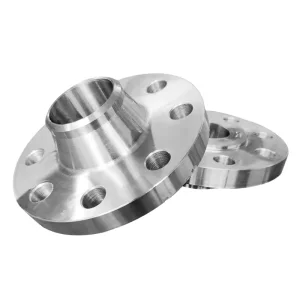
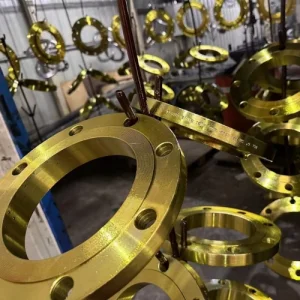
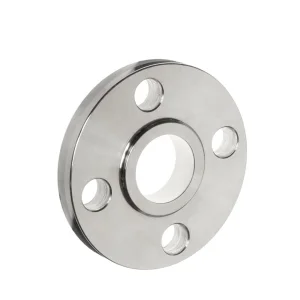
High-Quality ASME B16.5 & ANSI A105/SA105N Forged Flange 3/4 Inch Slip-On Pipe Flange Black Steel JIS/DIN/ISO/BS Standards Manufacturer, Exporter
High-Quality ASME B16.5 & ANSI A105/SA105N Forged Flange 3/4 Inch Slip-On Pipe Flange Black Steel JIS/DIN/ISO/BS Standards
Explore Specs & Pricing
Wholesale B16.5 Flange Manufacturers, Quotes
Wholesale B16.5 High Pressure Forged Steel Flanges & Customized Pressure Class Solutions
Explore Specs & Pricing
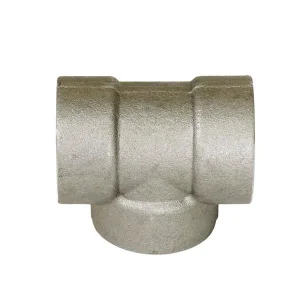
Buy Pipe Fitting Factory Original 1/2 to 36 ASTM A234 Wpb Forged Carbon Steel Butt Weld Equal Tee Factory
1/2" to 36" ASTM A234 WPB Forged Carbon Steel Butt Weld Equal Tee Factory Direct
Explore Specs & Pricing
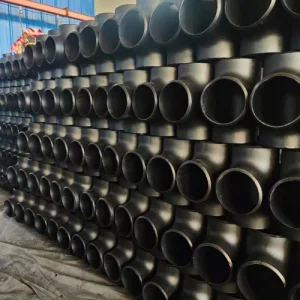
Wholesale 3*3 Carbon Steel Equal Tee Factories, Service
Wholesale 3" x 3" Heavy Duty Carbon Steel Equal Tee Pipe Fittings
Explore Specs & Pricing
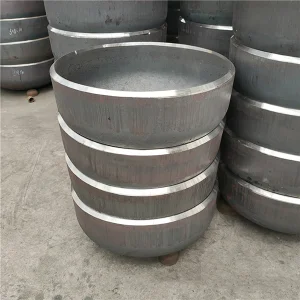
Famous High Quality Threaded Pipe End Screw Cap Arrival Stainless Steel BSPP BSPT NPT Casting Butt Welding Fitting Caps
Stainless Steel BSPP/BSPT/NPT Threaded & Butt Welding Heavy-Wall Pipe End Screw Caps
Explore Specs & Pricing
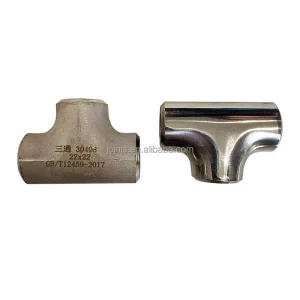
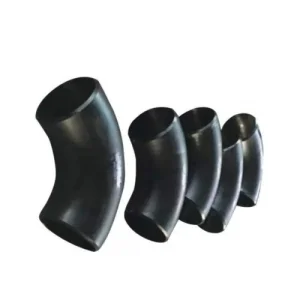
Famous China Manufacturer 4 Inch Seamless Welded Welding Equal Black Carbon Steel Sch40 Sch80 Buttweld Elbow Tee Pipe Fitting
4 Inch Seamless Welded Carbon Steel SCH40/SCH80 Buttweld Elbow & Tee Fittings
Explore Specs & Pricing
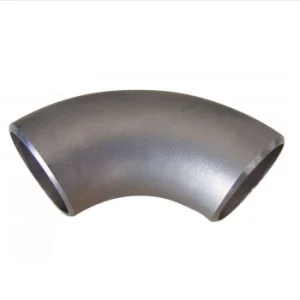
Buy Long Radius Elbow 1.5D Carbon Steel Elbow Companies, Products
High-Performance Long Radius 1.5D Forged Carbon Steel Pipe Elbows
Explore Specs & Pricing
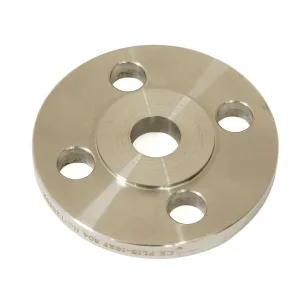
Buy ASTM A182 ANSI B16.5 304L 316L Casting Stainless Steel Flange Manufacturer
ASTM A182 ANSI B16.5 Grade 304L / 316L Stainless Steel Forged Flanges
Explore Specs & Pricing

Executive Summary: The Critical Role of High-Pressure Flanges in Modern Energy Infrastructure

Analyzing global procurement trends, structural fatigue prevention, and metallurgical requirements across severe-service industrial applications.

In high-pressure industrial piping systems—encompassing offshore oil & gas extraction, petrochemical refining, nuclear power generation, and emerging green hydrogen transport networks—the pressure boundary integrity depends heavily on mechanical connections. Among these, the high-pressure flange stands as the single most critical structural node. Flanges must maintain zero fugitive emissions while enduring dynamic bending moments, thermal cycling, hydrostatic pressure surges, and corrosive fluid contact.
2500#
Max ANSI Pressure Class
DN4000
Maximum Forging Diameter
150mm
Max Fitting Wall Thickness
100%
NDT Traceability Compliance
Search Intent Insights & Information Gain: Industrial procurement managers and piping stress engineers do not merely evaluate flanges by outer dimension. Modern sourcing decisions require rigorous verification of grain refinement from closed-die forging, material chemistry compliance (such as maximum carbon equivalent limits for weldability), gasket seating dynamics, and adherence to international standard frameworks including ASME B16.5, ASME B16.47 Series A/B, EN 1092-1 Type 11, and NACE MR0175/ISO 15156.

Subsea & Offshore Energy

FPSO vessels and deepwater pipelines operate at pressures exceeding 10,000 PSI under severe wave action. Forged Weld Neck (WN) flanges with Ring Type Joint (RTJ) facings are mandatory to eliminate micro-leakage pathways.

Refining & Petrochemical Loops

Hydroprocessing and fluid catalytic cracking units demand heat-treated ASTM A105N carbon steel and alloy grades (F11, F22, F91) capable of resisting high-temperature hydrogen attack (HTHA) and thermal shock.

Green Hydrogen Transport

Molecular hydrogen causes severe embrittlement in low-grade steel. Modern green hydrogen lines specify ultra-clean 316L and Duplex 2205 stainless flanges with tight surface finish roughness (Ra 3.2 to 6.3 µm) for optimal gasket sealing.

Macro Industry Solutions: Manufacturing Precision, Forging Dynamics & Material Selection

Understanding how raw billet forging, grain alignment, heat treatment, and flange geometry determine field service lifespan.

The distinction between an economy cast fitting and a high-performance forged flange lies in grain morphology. Cast components contain inherent porosity and dendritic segregation that serve as stress concentrators under cyclic pressures. In contrast, heavy closed-die forging and precision ring-rolling realign metal grains along the contours of the flange hub and sealing face.
Material Specification Standard Pressure Ratings Service Temperature Range Primary Industrial Application Metallurgical Advantage
ASTM A105 / A105N Class 150 – Class 2500 (PN2.5 - PN400) -29°C to +425°C General oil & gas pipelines, utility steam lines Normalized heat treatment improves notch toughness and ductile-brittle transition temperature.
ASTM A182 F304 / F304L Class 150 – Class 1500 -196°C to +816°C Cryogenic LNG transport, food & beverage, chemical processing Austenitic structure provides superior corrosion resistance and high fracture toughness at cryogenic levels.
ASTM A182 F316 / F316L Class 150 – Class 2500 -196°C to +870°C Marine piping, offshore platforms, acidic process chemistry 2-3% Molybdenum addition inhibits pitting and crevice corrosion in chloride environments.
ASTM A182 F11 / F22 / F91 Class 300 – Class 2500 Up to +650°C Supercritical steam boilers, power plant headers, thermal cracking Cr-Mo alloy matrix retains creep-rupture strength under extreme thermal loading.
Duplex 2205 / Super Duplex 2507 Class 600 – Class 2500 -50°C to +300°C Subsea manifold, sour gas treatment (H2S), desalination plants Dual-phase ferritic-austenitic microstructures deliver yield strength double that of standard 316L.

Flange Facing Geometries & Gasket Interaction

Raised Face (RF): The most widely specified facing, featuring concentric serrations (125–250 AARH finish) designed to bite into soft spiral-wound gaskets.
Flat Face (FF): Used when connecting forged carbon steel flanges to cast iron valves or equipment to prevent bending moment cracking.
Ring Type Joint (RTJ): Engineered with precision trapezoidal grooves for metallic octagonal or oval gaskets, required for severe pressures (Class 600 and above).

Wall Thickness Matching & Bore Calculations

For Weld Neck (WN) flanges, matching the inner flange bore precisely to the mating pipe schedule (e.g., SCH 40, SCH 80, SCH 160, XXS) eliminates fluid turbulence and localized erosion-corrosion. Slip-On (SO) flanges slide over the pipe exterior and are secured via double fillet welds, offering installation flex at lower initial cost.

High-Pressure System Integration & Engineering Roadmap (2025–2035)

Connecting flanges, seamless pipes, equal/reducing tees, butt-weld elbows, and industrial valves into a unified zero-failure pressure circuit.

A high-pressure flange cannot operate in isolation. It functions as part of a complete piping assembly consisting of heavy-wall seamless pipe, forged fittings (butt-weld elbows, equal tees, concentric/eccentric reducers), and isolation valves (wedge gate valves, flanged stainless ball valves, double eccentric butterfly valves).

1. Automated Weld Preparation

Modern beveling machines deliver exact compound bevel angles (37.5° ± 2.5°) with tight root face tolerances, facilitating full-penetration orbital GTAW/GMAW welding without burn-through.

2. Smart Flange Monitoring

Emerging IIoT-enabled smart flanges integrate Fiber-Bragg Grating (FBG) optical sensors inside gasket rings to deliver real-time bolt stress and fugitive emission micro-leak detection.

3. Advanced Surface Coatings

Transitioning from traditional black paint to high-velocity oxygen-fuel (HVOF) thermal spray, fluoropolymer coating, and hot-dip galvanizing for extended offshore atmospheric exposure.

Quality Assurance, Localized Support & Global Compliance Framework

Consolidating HEBEI CANGRUN PIPELINE EQUIPMENT manufacturing capabilities and rigorous multi-stage non-destructive testing.

As a major manufacturing enterprise rooted in Cangzhou, Hebei—supported by dedicated subsidiaries including Cangzhou Feiwo Metal Products Co., Ltd. and Cangzhou Feixiang Metal Products Co., Ltd.—our group operating structure manages the entire production chain from raw steel billet verification to final machining and export shipment dispatch.

Non-Destructive Testing (NDT) & Metallurgical Protocols

Every export lot undergoes mandatory multi-tiered inspection prior to shipping authorization:

  • Positive Material Identification (PMI): XRF spectroscopy testing to confirm chemical grade compliance.
  • Ultrasonic Testing (UT): Internal flaw detection in heavy forged flanges and thick-walled tees.
  • Magnetic Particle (MT) & Liquid Penetrant (PT): Surface break and micro-crack evaluation on weld bevels.
  • Hydrostatic Testing: Shell pressure verification at 1.5x design pressure rating for industrial valves and spools.
  • EN 10204 3.1 & 3.2 Material Test Certificates: Complete heat trace code documentation linked directly to mill raw materials.

Global Logistics & Localized Export Support

Navigating international supply chains requires proactive freight risk mitigation:

Our export operations team closely monitors ocean shipping lines, container surcharges, and port disruptions across Major European, Middle Eastern, and American routes. Products are packed with rust-preventative VCI coatings, heavy plastic end protectors, and heat-treated wooden crates conforming to ISPM-15 standards.

Technical Procurement Q&A: High-Pressure Piping System Engineering

Direct answers to technical questions raised by piping engineers, EPC contractors, and procurement officers.

Q1: What is the mechanical difference between ASME B16.5 Class 150, Class 300, and Class 2500 flanges?
Pressure classes represent maximum allowable working pressure ratings at varying operating temperatures. A Class 150 flange has thinner flange walls and smaller bolt circles suited for ambient low-pressure utility service. In contrast, Class 2500 flanges feature significantly thicker forged hubs, heavier wall dimensions, larger high-tensile alloy studs (such as ASTM A193 B7), and specialized Ring Type Joint (RTJ) facings engineered to withstand internal working pressures up to 6000+ PSI depending on temperature.
Q2: How do I select between a Weld Neck (WN) flange and a Slip-On (SO) flange for high-pressure lines?
Weld Neck flanges feature a tapered forged hub that transitions gradually into the attached pipe wall. This shape distributes stress evenly under high bending moments, vibration, and thermal cycling, making WN flanges mandatory for critical severe service (Class 600 and higher). Slip-On flanges slide over the pipe exterior and are attached with two fillet welds; they are more economical and easier to align in low-to-medium pressure utility services, but possess lower fatigue strength.
Q3: Why is normalization heat treatment required for ASTM A105 carbon steel flanges (A105N)?
Standard hot-forged ASTM A105 steel may develop non-uniform grain structures and residual mechanical stress during cooling. Normalizing involves heating the flange above its upper critical temperature (approx. 870°C–900°C) followed by controlled air cooling. This process refines the ferrite-pearlite grain size, eliminates internal forging stress, increases impact toughness at sub-zero temperatures, and ensures uniform mechanical performance throughout the flange profile.
Q4: Which standards govern dimensions for large-diameter flanges above 24 inches?
Flanges sized from 1/2" through 24" are covered by ASME B16.5. For nominal pipe sizes from 26" up to 60" (or DN4000 in custom forgings), dimensions are governed by ASME B16.47. ASME B16.47 is divided into Series A (MSS SP-44) and Series B (API 605). Series A flanges feature larger bolt diameters and heavier dimensions suited for high piping stress, whereas Series B flanges utilize smaller, more compact bolt patterns for tight space requirements.
Q5: What documentation should accompany high-pressure flange export shipments?
Complete procurement packages must include EN 10204 Type 3.1 Material Test Reports (MTRs) certifying chemical ladle composition, mechanical tensile strength, yield strength, elongation, and Charpy V-notch impact values. In critical sour gas applications, compliance certificates for NACE MR0175 / ISO 15156 (hardness below 22 HRC to prevent sulfide stress cracking) and third-party inspection reports (BV, SGS, TUV) are provided.

Complete High-Pressure Piping System Product Catalog (9-16)

Explore our expanded collection of carbon steel plain flanges, blind flanges, reducers, pipe elbows, and resilient gate valves.
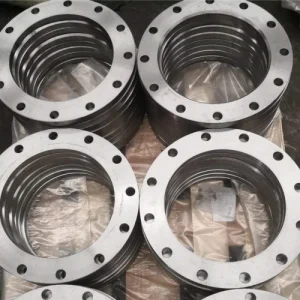
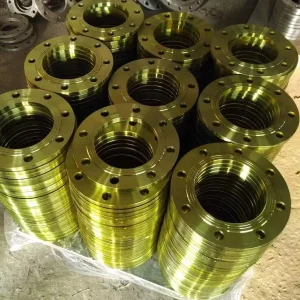
Discount Plain Flange A105 Carbon Steel Flange Pricelist, Companies
Discount Plain Flange A105 Forged Carbon Steel Plate & Flat Flanges
Explore Specs & Pricing
Famous Plate Weld Flange Exporters, Service
Famous Plate Weld Flanges (EN 1092-1 Type 01 / BS 4504) Exporter
Explore Specs & Pricing
Famous ASME B16.5 Forged 2 Inch Blind ANSI Class 150 Carbon Steel Customized Flange Quotes
ASME B16.5 Forged 2 Inch Blind Flange ANSI Class 150 Carbon Steel
Explore Specs & Pricing
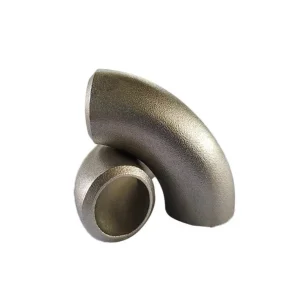
High-Quality Pipe Elbow Factories, Exporters
High-Quality Heavy Duty Steel Pipe Elbows (45° / 90° / 180°)
Explore Specs & Pricing
Famous Pipe Fitting Elbow Factories, Service
Famous Seamless & Welded Pipe Fitting Elbows for High Pressure Lines
Explore Specs & Pricing
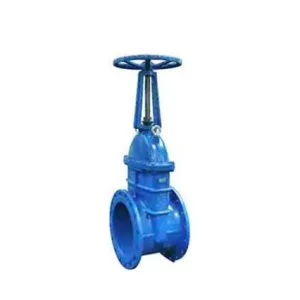
Discount Open rod soft sealing gate valve Z41X-10Q16Q25Q Company, Service
Open Rod Soft Sealing Gate Valve Z41X-10Q / 16Q / 25Q Series
Explore Specs & Pricing
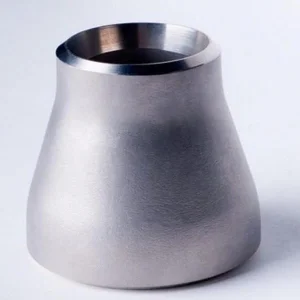
High-Quality Seamless Reducer Concentric DN 850 X DN 600 Sch 10 ASME B16.9 Company
Seamless Concentric Reducer DN 850 x DN 600 SCH 10 ASME B16.9
Explore Specs & Pricing
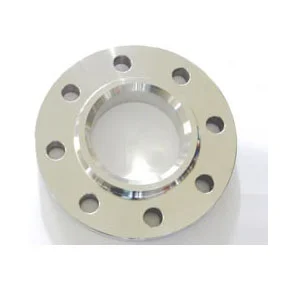
High-Quality Industrial Steel Slip On Weld Flange Exporter, Company
High-Quality Heavy Industrial Steel Slip-On Weld Flanges
Explore Specs & Pricing